






















The weakening momentum of the monsoon across Rajasthan is no longer confined to dry meteorological charts, as it now directly threatens the water level of Bisalpur Dam, one of the state's most critical reservoirs. Over the past week, weather activity statewide has turned sluggish, pushing cumulative precipitation down by 21 percent compared to normal historical averages. This persistent dry spell has pushed the entire state into a rain-deficient category, heavily impacting major water distribution networks that feed urban centers like Jaipur, Ajmer, and Tonk.
Rainfall Deficit Grips the State
Official records show that by August 23, Rajasthan was expected to receive 336.5 mm of rainfall, but actual figures show only 265.8 mm. This shortfall has created severe imbalances across 17 districts. Jalore has recorded a massive 54 percent deficit, followed by Pali at 43 percent, Banswara at 40 percent, Jaisalmer at 38 percent, and Dungarpur at 31 percent. Even the state capital, Jaipur, is grappling with a 23 percent drop in expected rainfall, leaving residents and local authorities concerned about future water supplies.
Current Storage Status of Bisalpur Dam
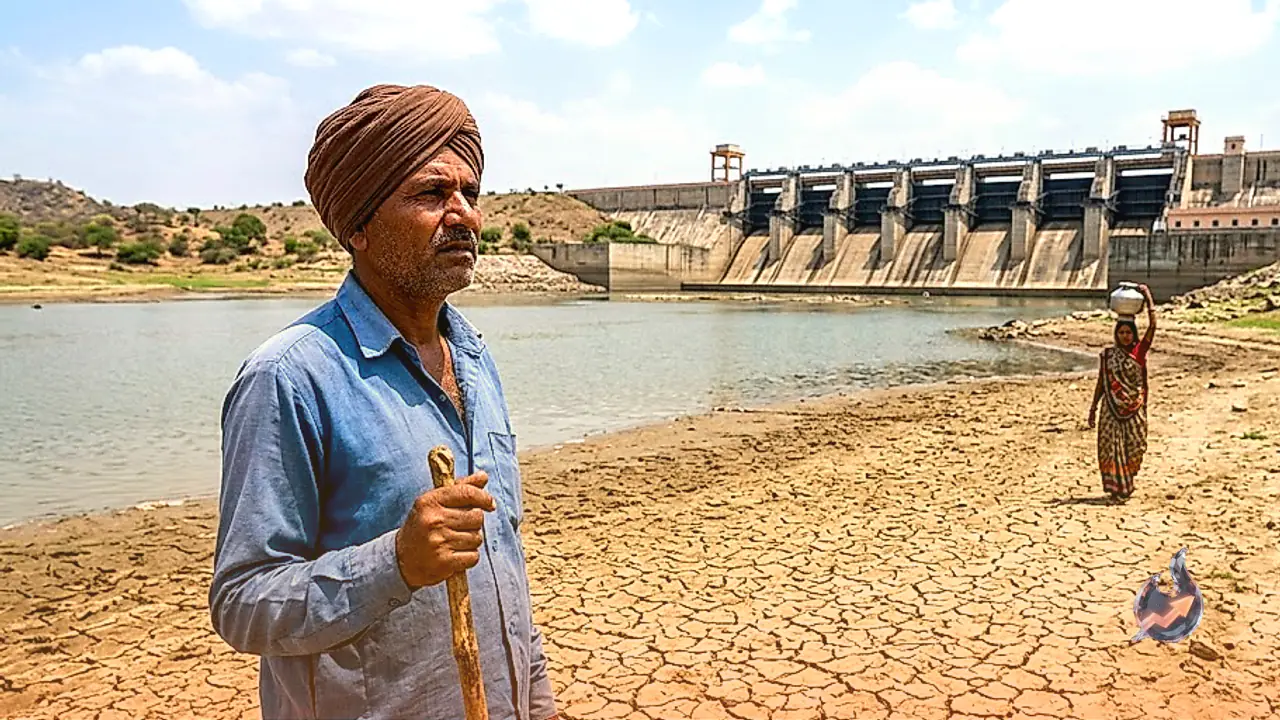
Reflecting this wider regional drought, the water level at Bisalpur Dam stood at approximately 314.6 meters by August 22, holding around 28.5 TMC of water. Given that the reservoir's maximum capacity reaches 315.50 RL meters, it currently sits roughly 25.84 percent empty, requiring an additional 10 TMC to achieve full pond level. Last August, heavy inflows forced authorities to open the floodgates to release excess water, presenting a stark contrast to the present scenario as the final week of August approaches with the dam still well short of its target.
Isolated Surpluses Fail to Offset Losses
Amidst widespread dryness, only two districts have managed a surplus. Jhunjhunu recorded 29 percent above-normal rainfall, while Bharatpur saw a 26 percent increase. However, these localized gains have done little to boost major catchment areas. Inflow rates into Bisalpur remain extremely weak, with the water level rising by a mere 3 centimeters between August 16 and August 19. Contributing to this stagnation, the Triveni river gauge dropped from 2.60 meters on August 17 to 2.50 meters the following day.
Drinking Water Supplies Under Threat
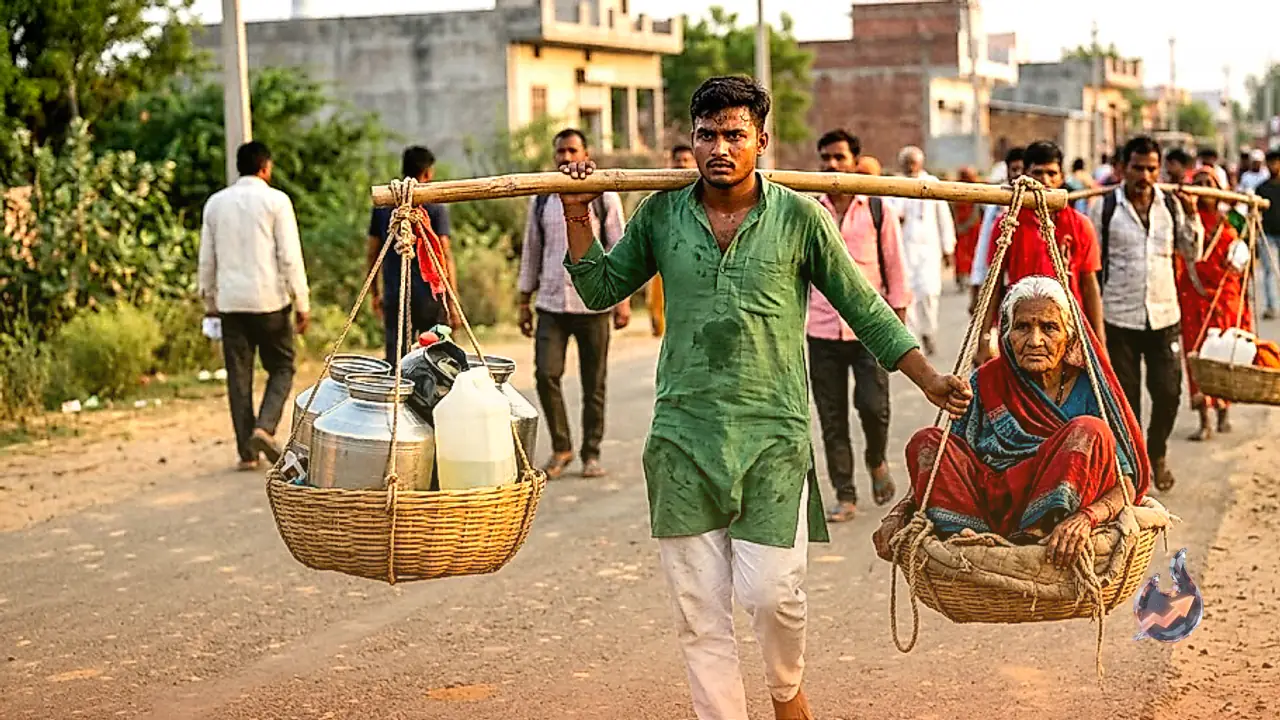
Bisalpur Dam serves as the primary lifeline for drinking water systems in Jaipur, Ajmer, and Tonk. Nearly 2,491 villages across these districts rely directly on distribution networks originating from the reservoir, alongside urban centers like Deoli and Uniara. The Tonk water supply scheme alone covers hundreds of rural settlements. Without significant catchment rainfall in the remaining weeks of the season, achieving full capacity looks increasingly improbable, which could force authorities to ration water in the coming months.