























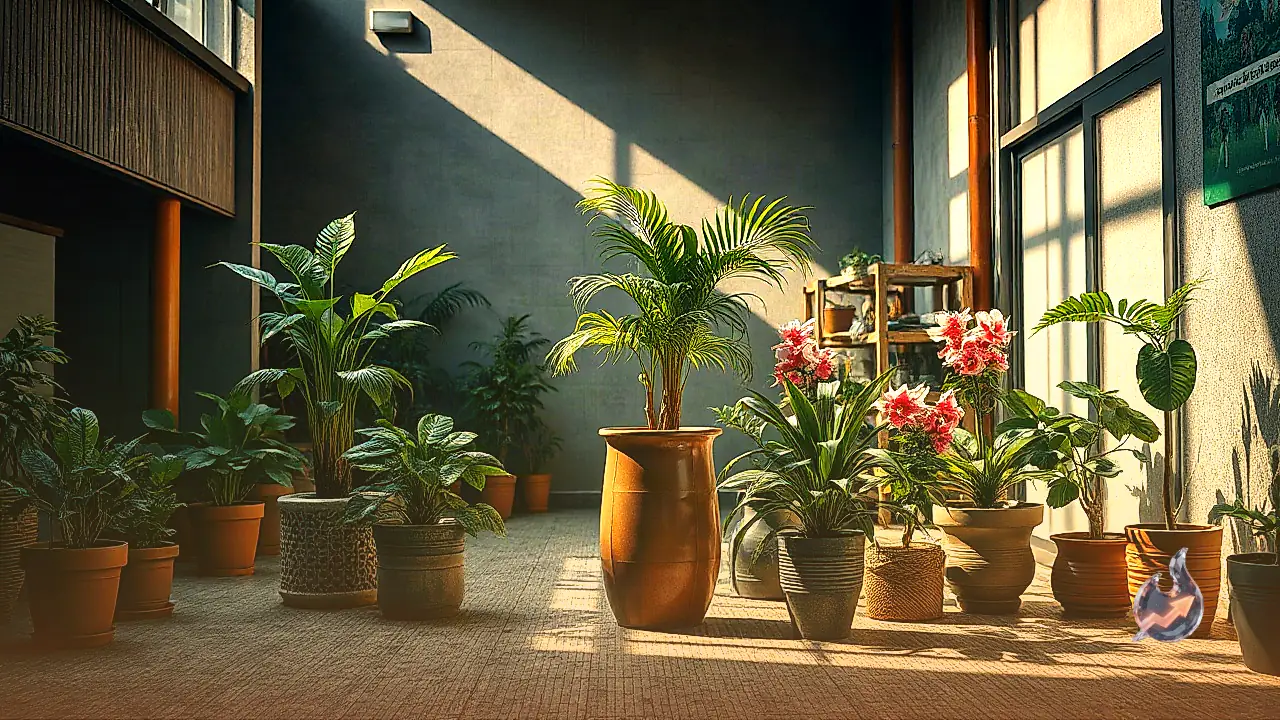

Gardening is a rewarding hobby, but many plant enthusiasts in home kitchen gardens encounter a frustrating problem when their plants begin to wither despite receiving regular watering and proper fertilizing. In such situations, people commonly assume that the issue stems from insufficient moisture or a lack of plant nutrients. However, the root cause of this decline is often the deteriorating quality of the soil itself. When soil is used continuously in containers without rejuvenation, it gradually loses its essential physical properties, organic content, and fertility, directly impairing the plant's ability to thrive.
How Compacted Soil Harms Root Health
Using the same soil for extended periods without adding sufficient organic matter causes it to dry out and harden over time. When soil becomes dense and compacted, water poured into the pot struggles to penetrate down to the root zone. Instead, the water frequently pools on the top surface or runs down the inner sides of the container, leaving the primary roots dry. Furthermore, compacted soil severely restricts the flow of air and oxygen to the roots. Lacking proper aeration, the roots weaken, lose their structural integrity, and fail to support healthy plant growth.
Nutrient Absorption Blockage and Warning Signs
Even when high-quality fertilizers are added to hard, compacted soil, plants remain unable to absorb the essential nutrients. This occurs because the delivery pathway connecting water, nutrients, and roots is effectively severed by the dense soil structure. Consequently, plants begin exhibiting clear signs of stress, including yellowing leaves, drooping stems, and a complete halt in new growth. If gardeners fail to inspect and correct the condition of the soil in a timely manner, the plant will progressively weaken and eventually die.
Step-by-Step Guide to Inspecting and Replacing Soil
When a kitchen garden plant shows no signs of improvement despite consistent care, inspecting the soil should be the very first step. If the soil feels excessively hard, bone-dry, or unable to absorb moisture efficiently, replacing it becomes necessary. Care must be taken while removing the plant from its container to avoid damaging the delicate root system. Once extracted, the old, hardened soil should be cleared away and replaced with fresh, loose, and well-aerated soil tailored to the plant's specific needs.
Preparing Fresh Soil and Essential Maintenance
When preparing the new potting mix, incorporating well-rotted compost or organic manure is crucial to supply vital nutrients and improve soil structure. After repotting, water should be applied strictly according to the plant's actual requirements. It is important to prevent the soil from drying out completely while also avoiding overwatering that leads to waterlogging. Maintaining a vibrant kitchen garden requires more than just routine watering and fertilizing; periodic monitoring of soil texture and quality ensures that roots always have the healthy, friable environment they need to flourish.