






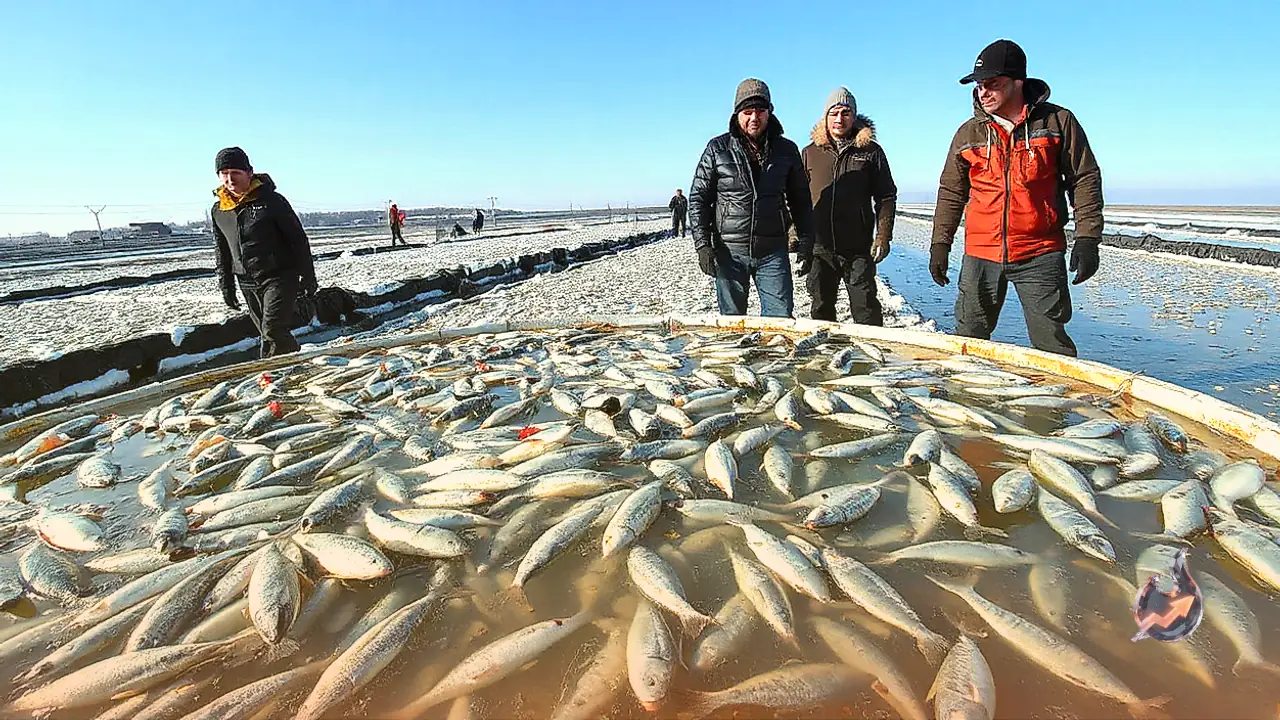














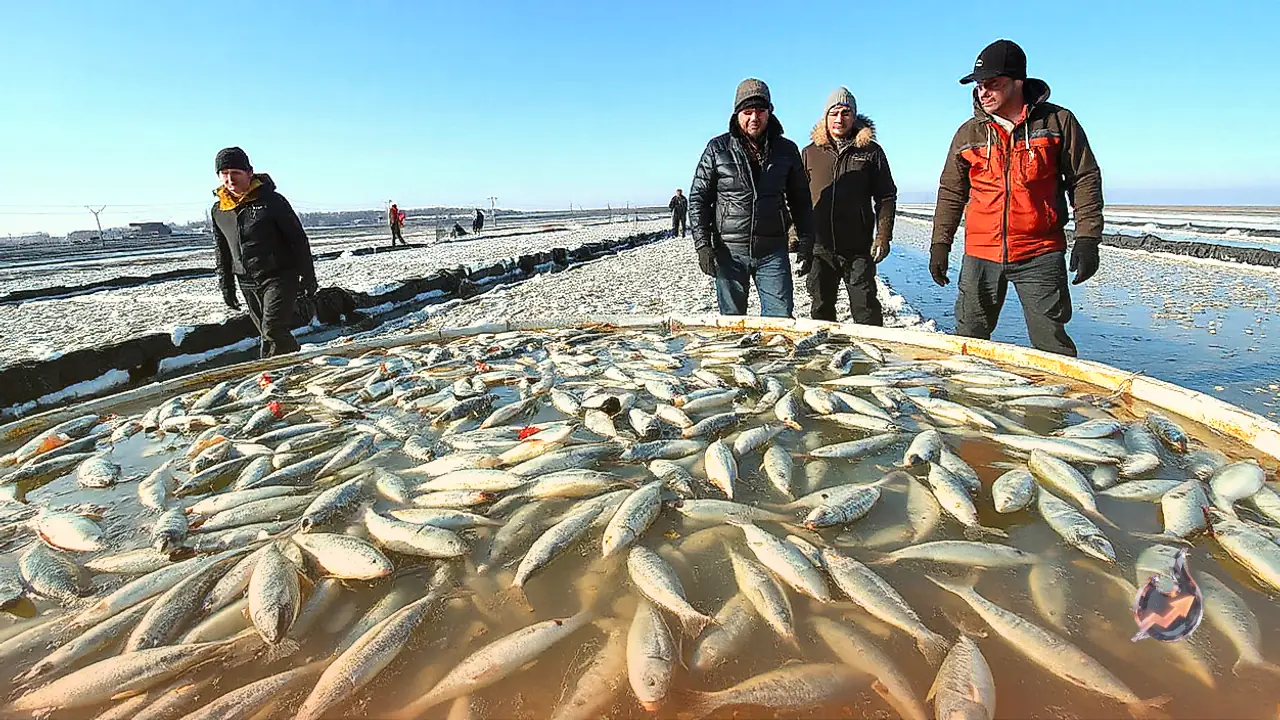

With the onset of the cold season, fish farmers are facing mounting operational challenges across rural pond facilities. Plummeting ambient temperatures and persistent cold winds have begun to exert a direct cooling effect on pond waters. Under cold conditions, aquatic metabolism slows considerably, leading to sluggish behavior and a marked reduction in daily feed intake. Consequently, normal growth rates stall, and stocks become increasingly susceptible to physiological stress and pathogen infections. Critical hazards include acute dissolved oxygen depletion and the degradation of overall water chemistry, which can inflict severe economic losses on growers. Implementing proactive pond management strategies early in the season is therefore vital to safeguard aquatic health.
Official Advisories and Grassroots Observations from Asind
In response to these seasonal hazards, the Bhilwara fisheries department is actively issuing guidance, advising fish producers to maintain high vigilance and adopt protective maintenance measures. Extension officers are detailing operational protocols to help cultivators navigate the winter dip. Bherulal, a resident of the Asind area in Bhilwara, shared that cold weather demands heightened scrutiny of pond conditions. Because lowered water temperatures suppress regular metabolic activity, fish remain noticeably less active than during warmer months. This behavioral shift significantly depresses their appetite, making standard feeding routines counterproductive and potentially hazardous.
Feed Regulation, Aeration and Stock Density Controls
Careful feed moderation represents the cornerstone of winter aquaculture management. Farmers must abandon heavy feeding practices and instead administer feed strictly in proportion to observed fish appetite and surface movement. Whenever feed remains uneaten, surplus quantities must never be allowed to accumulate in the water column. Uneaten commercial rations rot quickly at the pond bottom, degrading water parameters, promoting toxic organic loads, and severely stressing the fish population.
Simultaneously, regular chemical monitoring of water quality remains imperative throughout the cold spell. To maintain healthy levels of dissolved oxygen, farm operators should deploy mechanical aerators whenever baseline levels drop. A clear behavioral sign of oxygen starvation occurs when fish repeatedly swim to the surface and gasp with open mouths; such sightings demand immediate mechanical or emergency oxygenation measures. Growers are also warned against stocking ponds beyond safe biological limits during winter, as excessive biomass accelerates oxygen consumption and triggers rapid system crashes.
Pond Hygiene, Symptom Detection and Expert Consultation
Maintaining cleanliness around the perimeter of the pond is another essential safeguard. Organic refuse, decomposing vegetation, and external debris should never be permitted to collect near the water margins. Routine pond cleaning and systematic checks on water clarity are critical components of disease prevention. In parallel, farmers must closely monitor the physical condition of the stock for telltale pathology. If fish exhibit external lesions, ulcerations, distinct white patches, or erratic swimming patterns, immediate corrective intervention is required.
Under no circumstances should farmers ignore emerging disease symptoms, nor should they apply unvetted chemical treatments or pharmaceutical compounds without direct guidance. Instead, stock owners must promptly consult qualified officials from the fisheries department or veterinary medical officers. Sudden complete water exchanges or abrupt temperature swings must also be strictly avoided, as thermal shock can be lethal. By rigorously orchestrating feed distribution, oxygen stability, and water hygiene throughout the winter, aquaculture farmers can successfully shield their stocks from seasonal illnesses and avert devastating financial losses.