




















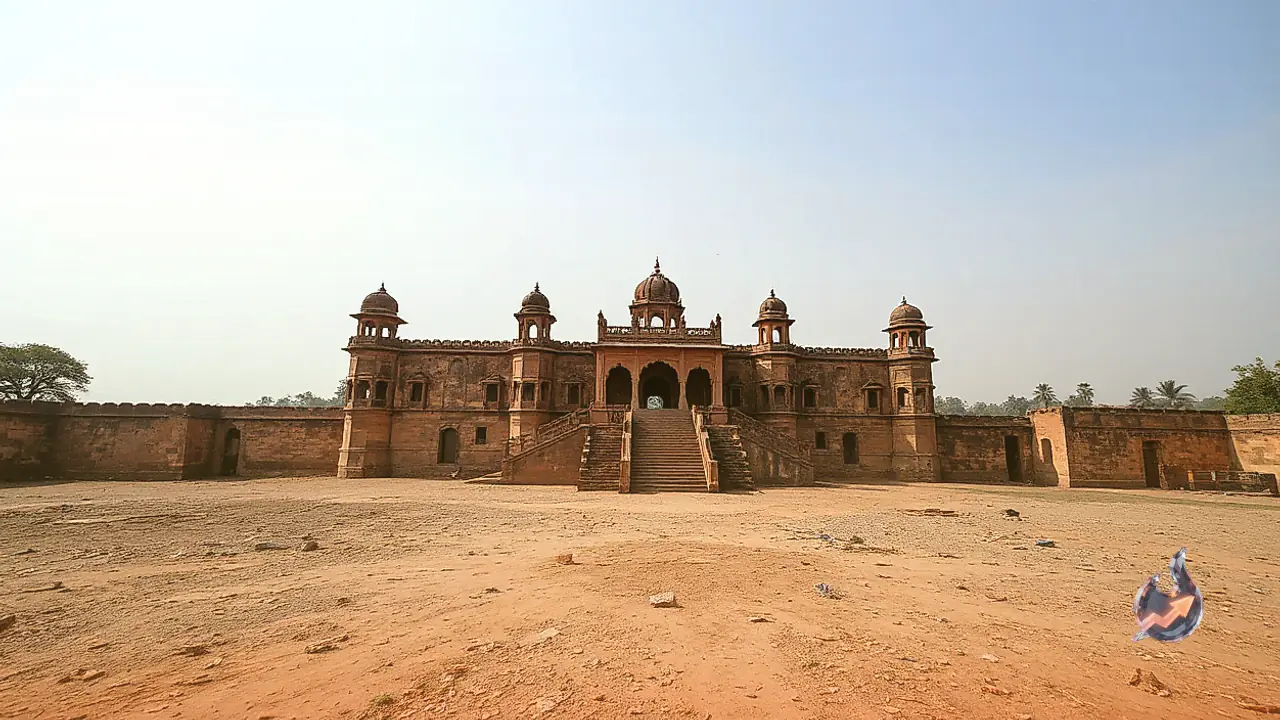

Mount Abu in Rajasthan's Sirohi district houses several historic treasures within its famed Achalgarh zone. While many travellers readily recognise the main fort, an inner sanctuary known as Okha Rani Palace is gradually disintegrating under neglect. Once considered the safest refuge in the entire fortification, this two-storey royal quarter is now struggling for survival as structural decay sets in.
Reconstruction Under the Mewar Ruler
Following historical assaults that ruined the original fort at Achalgarh, Mewar ruler Maharana Kumbha secured victory here in the year 1452 and commissioned a comprehensive reconstruction of the entire defensive complex. During this rebuilding effort, separate quarters were carefully laid out for the king and his queen. It was under this master plan that Maharana Kumbha established an exclusive residential palace specifically for Queen Okha.
Crumbling Remains Beside Mandakini Kund
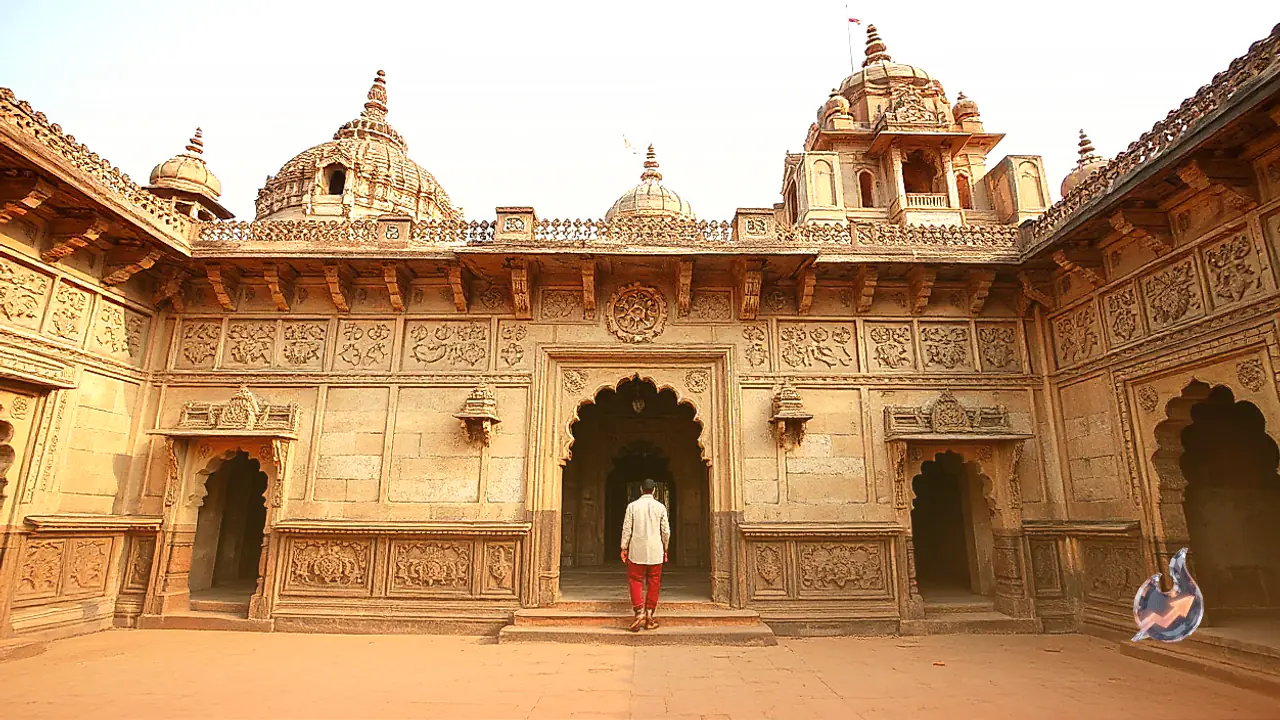
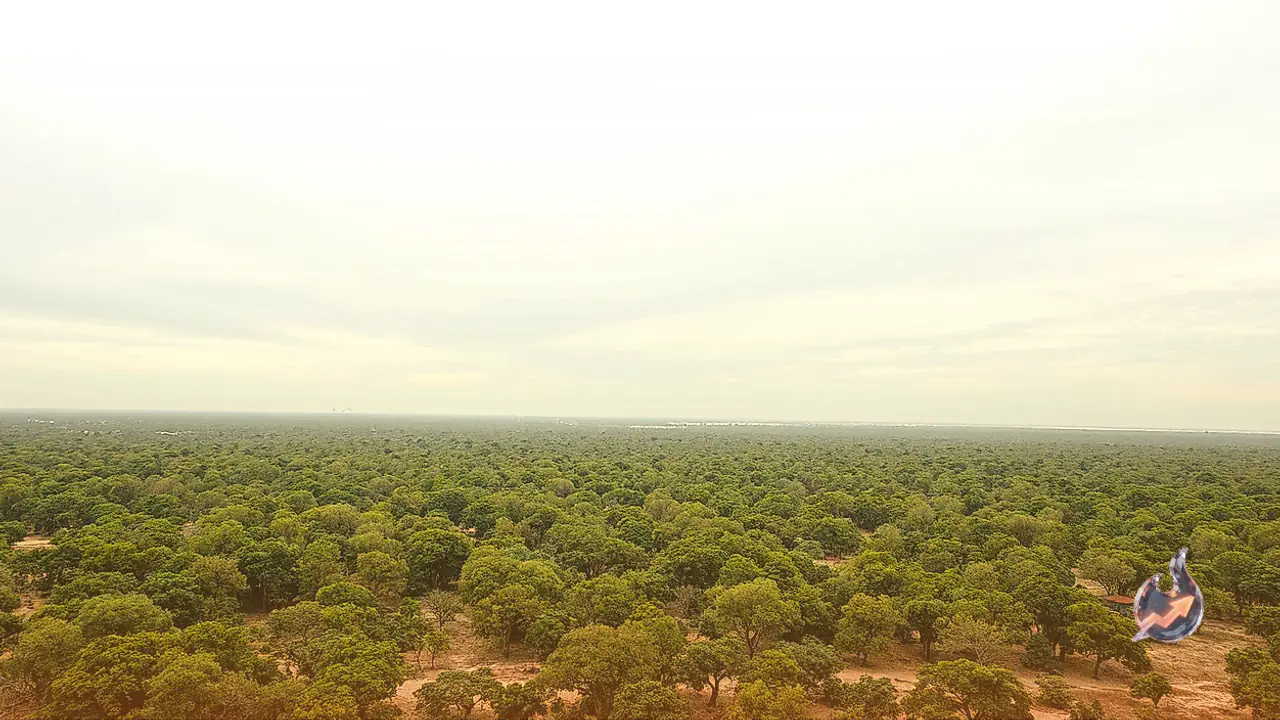
Constructed in the foothills near the Mandakini Kund amid verdant mountain surroundings, this multi-level masonry structure has deteriorated significantly over time. Deprived of regular upkeep, a portion of the two-storey building collapsed a few years ago. Despite the advanced state of ruin, visitors can still observe massive heritage brickwork, traditional windows, and ornate stone balconies that echo the craftsmanship of a bygone era.
Elevated Refuge Known as Okha Rani Ka Nohra
Speaking about the layout, tourist guide Deepak Singh explained that the structure was deliberately situated in the highest and most secure precinct of the fort complex. Locally referred to as 'Okha Rani Ka Nohra', the palace commanded sweeping views of lush greenery and nearby water bodies. Passing centuries have reduced much of the complex into ruins, yet the durable masonry still recalls the strength of medieval engineering. Travellers wishing to visit must navigate through the historic Hanuman Pol and Champa Pol gateways.
Lack of Directional Signage Keeps Tourists Away
For visitors exploring Achalgarh, these quiet ruins offer rare insight into the everyday existence of medieval royal households. Nevertheless, very few travellers manage to reach the palace because most lack proper guidance regarding the access route. Despite being missed by mainstream tourist crowds, the structure continues to reflect elegant architectural planning and enduring structural strength.