



















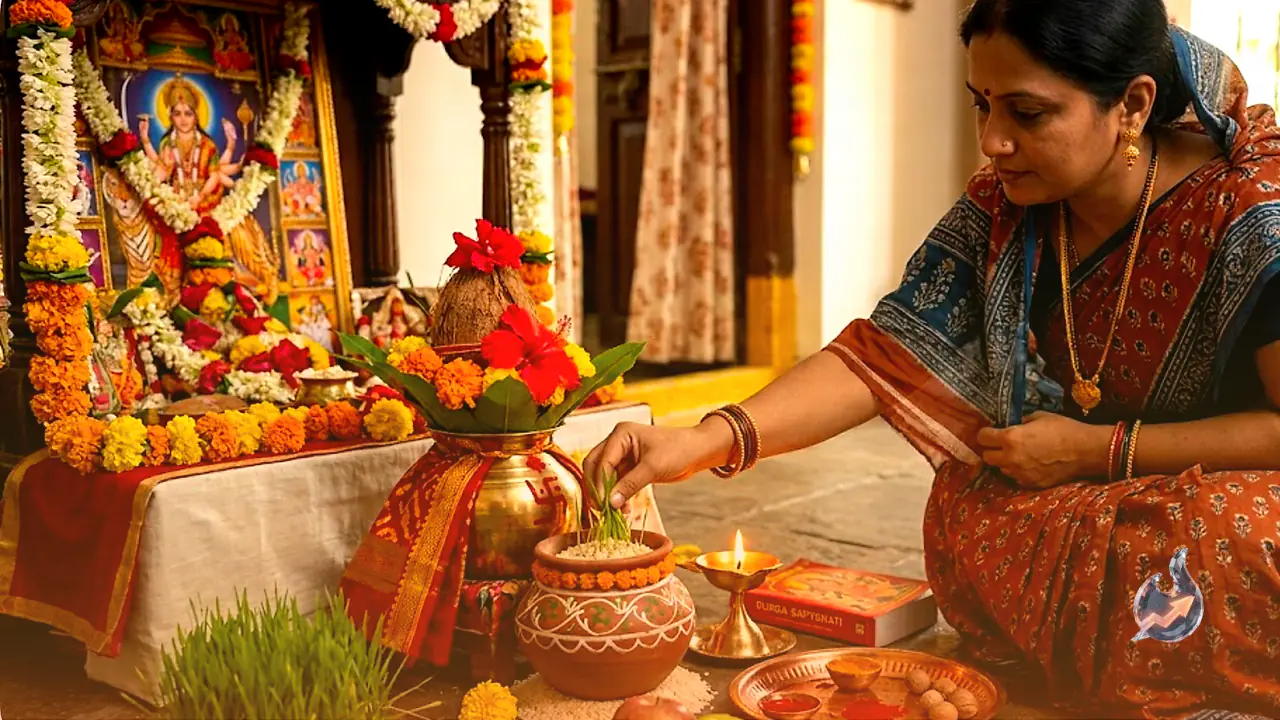

Ashadh Gupt Navratri, observed during the bright fortnight of the Hindu month of Ashadh, is regarded as one of the most mysterious and powerful nine day worship periods in the Hindu calendar. Devotees believe that anyone who worships Goddess Amba with true devotion during this period sees all their wishes fulfilled. Along with the customary worship of the nine forms of Goddess Durga, this Navratri is unique because it also involves worship of the ten Mahavidyas, namely Maa Kali, Maa Tara, Maa Tripura Sundari, Maa Bhuvaneshwari, Maa Chhinnamasta, Maa Tripura Bhairavi, Maa Dhumavati, Maa Bagalamukhi, Maa Matangi and Maa Kamala. It is this additional layer of worship that sets Gupt Navratri apart from the more widely observed Navratris and gives it its name.
When Ashadh Gupt Navratri 2026 Begins
In 2026, Ashadh Gupt Navratri will begin on July 15 and continue through July 22. The fast will be concluded, or paran, on July 23. Interestingly, the third and fourth days of Navratri both fall on the same date this year, July 17, which means devotees will need to worship two forms of the goddess together on that single day.
Ghatasthapana Muhurat: The Auspicious Time for Kalash Sthapana
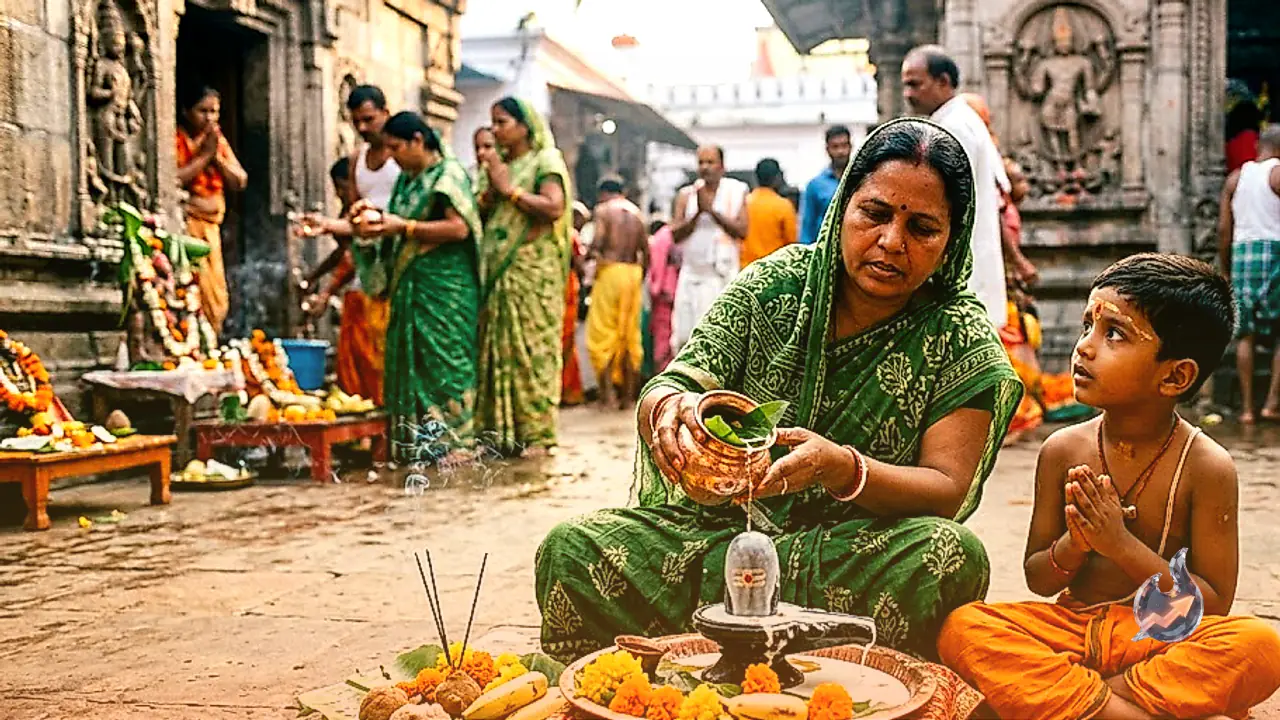
The ritual of ghatasthapana, or installing the sacred kalash on the first day, is considered crucial and is traditionally performed only within a designated auspicious window. For 2026, the ghatasthapana muhurat on July 15 falls between 05:33 am and 10:09 am. The Pratipada tithi itself begins earlier, at 03:12 pm on July 14, 2026, and continues until 11:50 am on July 15, 2026, which is why devotees only have that fixed morning window on July 15 to complete the kalash installation, and it helps to prepare the puja materials in advance.
Full Nine Day Worship Calendar
- July 15, 2026, Wednesday, first Navratra, Ghatasthapana and worship of Maa Shailaputri
- July 16, 2026, Thursday, second Navratra, worship of Maa Brahmacharini
- July 17, 2026, Friday, third and fourth Navratra, worship of Maa Chandraghanta and Maa Kushmanda
- July 18, 2026, Saturday, fifth Navratra, worship of Maa Skandamata
- July 19, 2026, Sunday, sixth Navratra, worship of Maa Katyayani
- July 20, 2026, Monday, seventh Navratra, worship of Maa Kalratri
- July 21, 2026, Tuesday, eighth Navratra, Durga Ashtami and worship of Maa Mahagauri
- July 22, 2026, Wednesday, ninth Navratra, worship of Maa Siddhidatri and Maha Navami
- July 23, 2026, Thursday, the Navratri fast will be concluded
Why Gupt Navratri Holds Special Significance
According to religious beliefs, observing a fast during Gupt Navratri is said to fulfil wishes far more quickly than at other times of the year. It is believed that in the Vedic era, knowledge of this Navratri was known only to sages and dedicated spiritual seekers. Practitioners of that period would secretly worship the ten Mahavidyas during these nine days to attain special powers. That is also why, even today, many spiritual practitioners and tantra followers prefer to conduct their worship and sadhana during Gupt Navratri quietly and away from public attention, while ordinary devotees earn merit by worshipping the nine forms of Goddess Durga in the usual manner.