



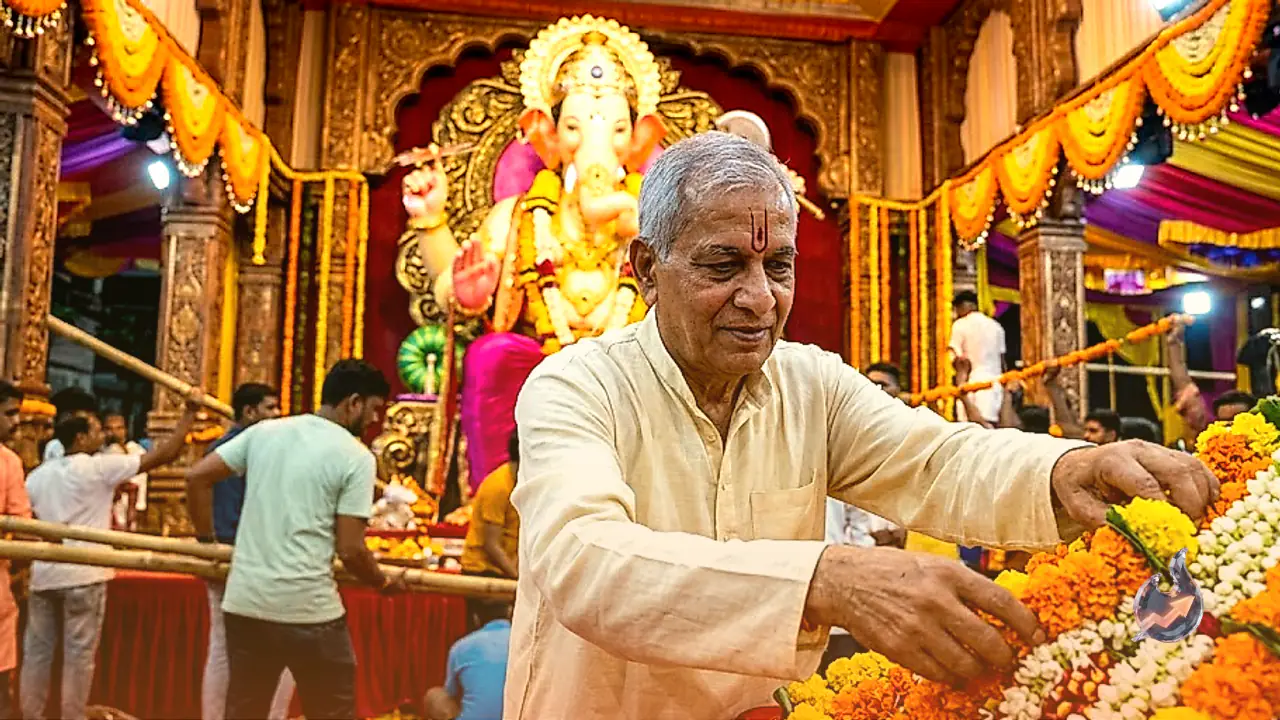
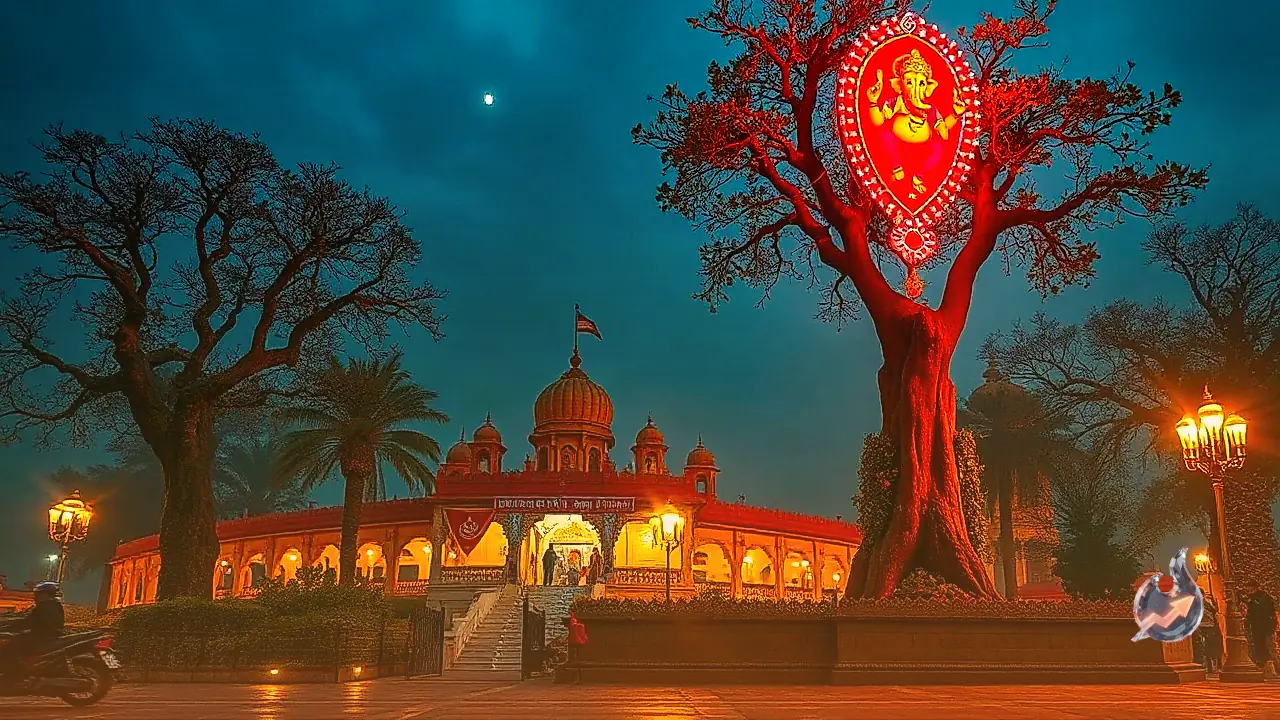















In Indian tradition, Lord Ganesha is revered as the supreme deity of wisdom, prosperity, and the remover of all obstacles. This sacred festival is observed with immense devotion across the entire nation during the Shukla Paksha of Bhadrapada month, with the auspicious date falling on Monday, September 14. In several southern states, the celebrations extend far beyond merely welcoming Bappa, transforming into a grand festival honoring the sacred bond between Goddess Gowri and her son, alongside a deep connection with nature. According to religious scriptures, Lord Ganesha made his divine appearance as the son of Lord Shiva and Goddess Parvati on this very day. Recognized as the bringer of auspiciousness and intellect, invoking Ganesha before undertaking any new venture remains a deeply rooted tradition. Let us explore the unique ways Ganesh Chaturthi is celebrated across South India.
Gowri Habba Precedes the Main Festival
Particularly in Karnataka and Andhra Pradesh, Gowri Habba is observed precisely one day prior to Ganesh Chaturthi, centering entirely on the worship of Goddess Parvati. On this sacred day, married women pray for the longevity of their marital bliss and the overall well-being of their families. They craft an idol of Goddess Gowri using turmeric and offer sincere prayers. The following day marks the joyous welcome of Lord Ganesha into households. Ancient mythological texts describe the Goddess as a tremendously powerful manifestation of Adi Shakti Mahamaya. Tradition dictates that the arrival of Goddess Gowri is observed on the third day of the bright half of Bhadrapada month, immediately followed by the welcoming of her divine son.
Crafting the Arishinadagouri from Turmeric
North Indian traditions recognize this specific festival under the name Hartalika, where married women don new traditional attire to worship the Goddess. As part of the southern rituals, women shape an idol of Goddess Gowri out of turmeric, known traditionally as Arishinaadagouri. This sacred figurine is further adorned with fresh mango leaves and vibrant flowers to enhance the festive ambiance.
Eco-Friendly Idols and Special Traditional Offerings
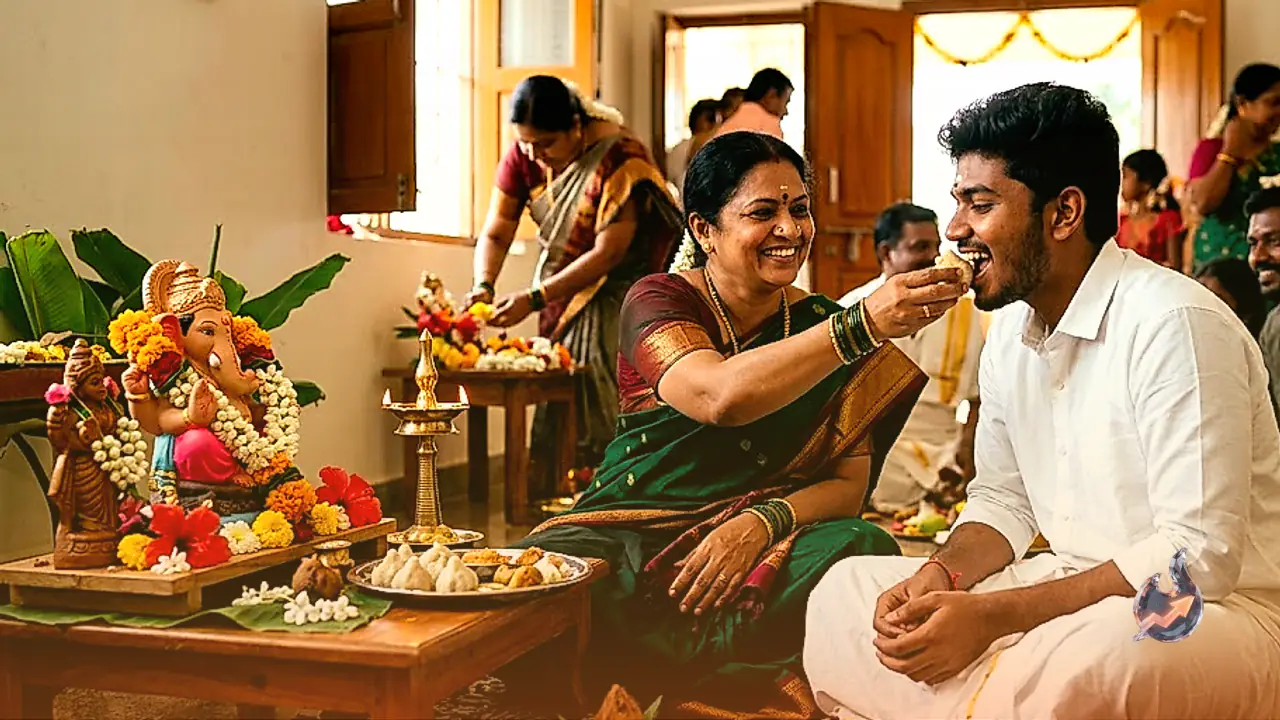
Across homes and temples in South India, Ganesh Chaturthi features the installation of strictly eco-friendly clay idols. Vedic hymns and traditional chanting accompany the Pran Pratishtha ritual, followed by Shodashopachara worship. While modaks remain a favorite of Lord Ganesha, a variety of special delicacies are prepared across the southern region. In Tamil Nadu, Kozhukattai made from rice flour, coconut, and jaggery holds special culinary and religious significance. Additionally, offerings include traditional items like pappadam, vada, and sweet payasam.
Public Pandals and Traditional Visarjan Customs
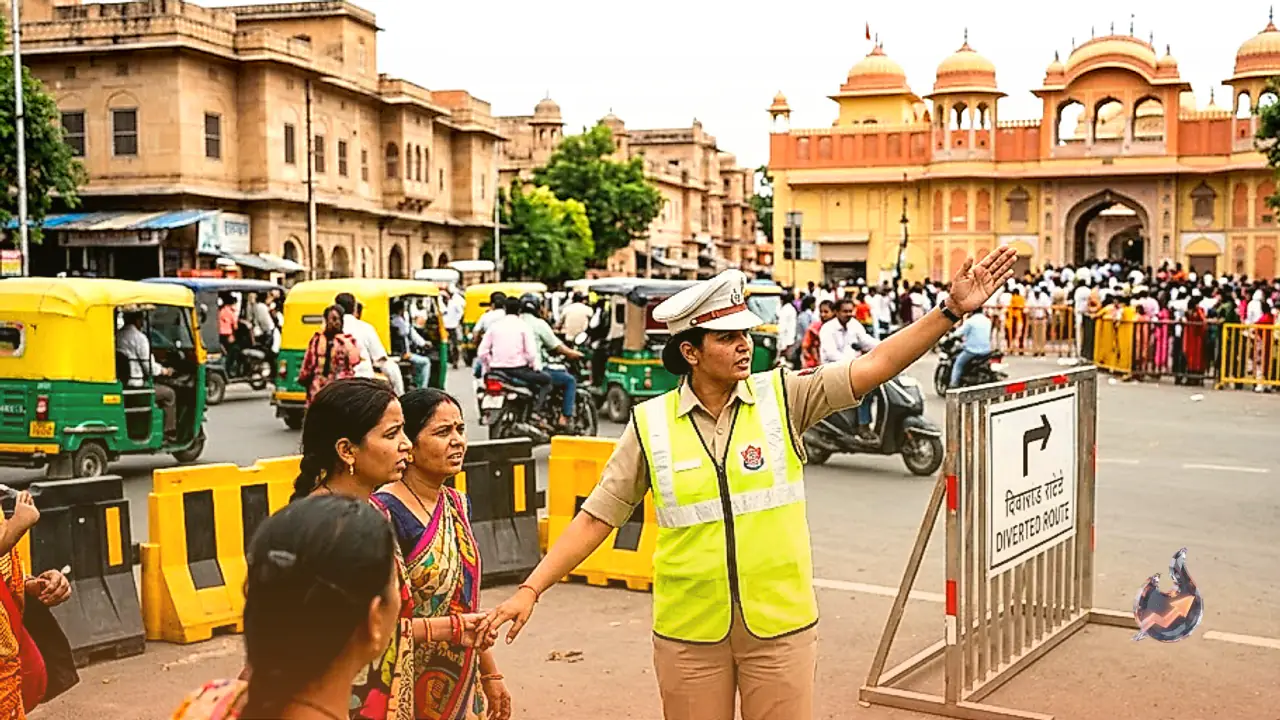
While large-scale public pandals have become common everywhere much like in Maharashtra, many households in South India continue the tradition of hosting the deity for one, three, or five days before performing the Visarjan in local water bodies such as rivers or the sea. Renowned Vinayaka temples in Tamil Nadu and Kerala host special festive arrangements and transport services during this holy period.


