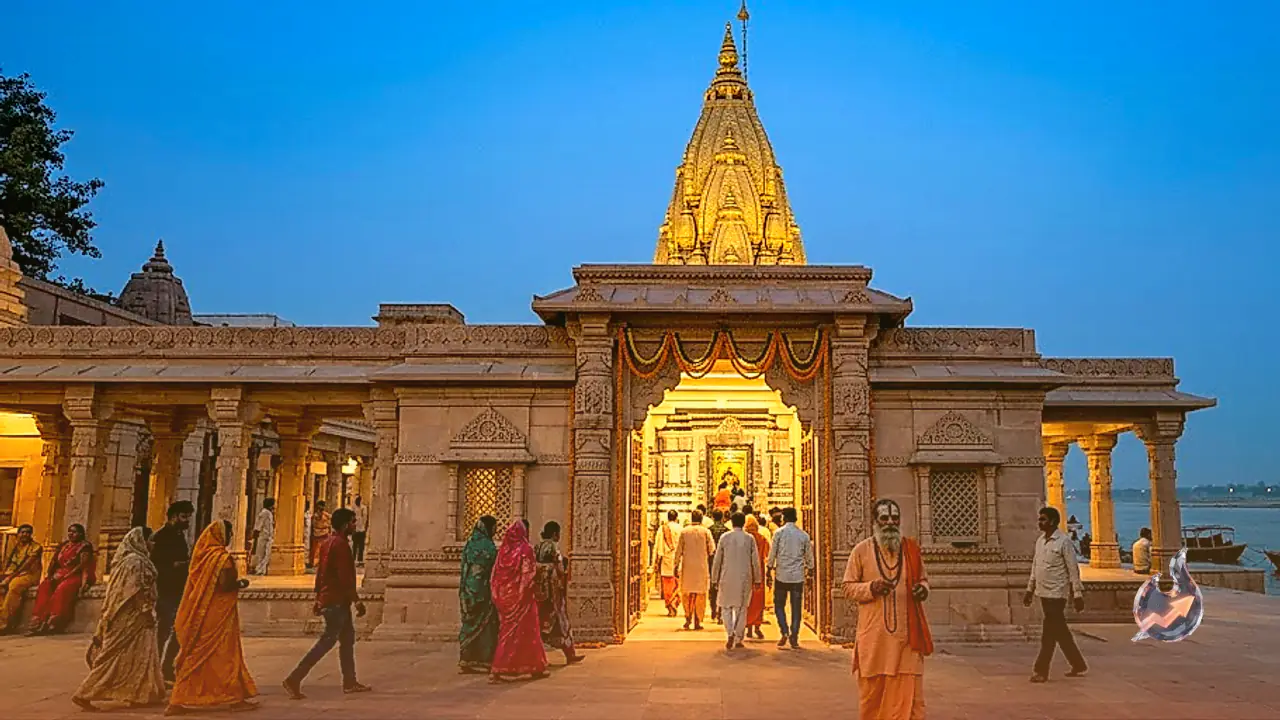


















On the quiet banks of the Sujaan Ganga Canal in Bharatpur, Rajasthan, an ancient temple dedicated to Maa Mansa Devi has long served as far more than a place of worship. For generations, this historic shrine has stood as rare and living proof that faith does not divide but unites, drawing Hindu and Muslim devotees alike to its courtyard, where both communities pray side by side without friction or prejudice.
A Courtyard Where Two Communities Bow as One
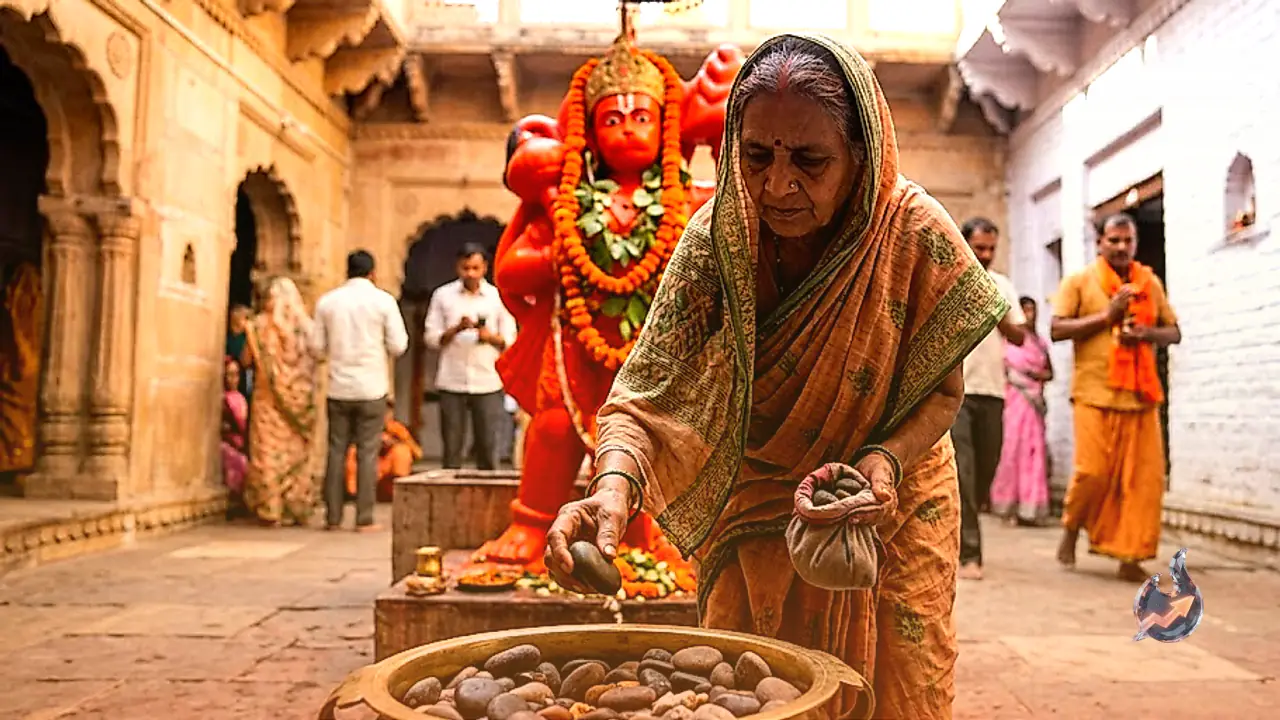
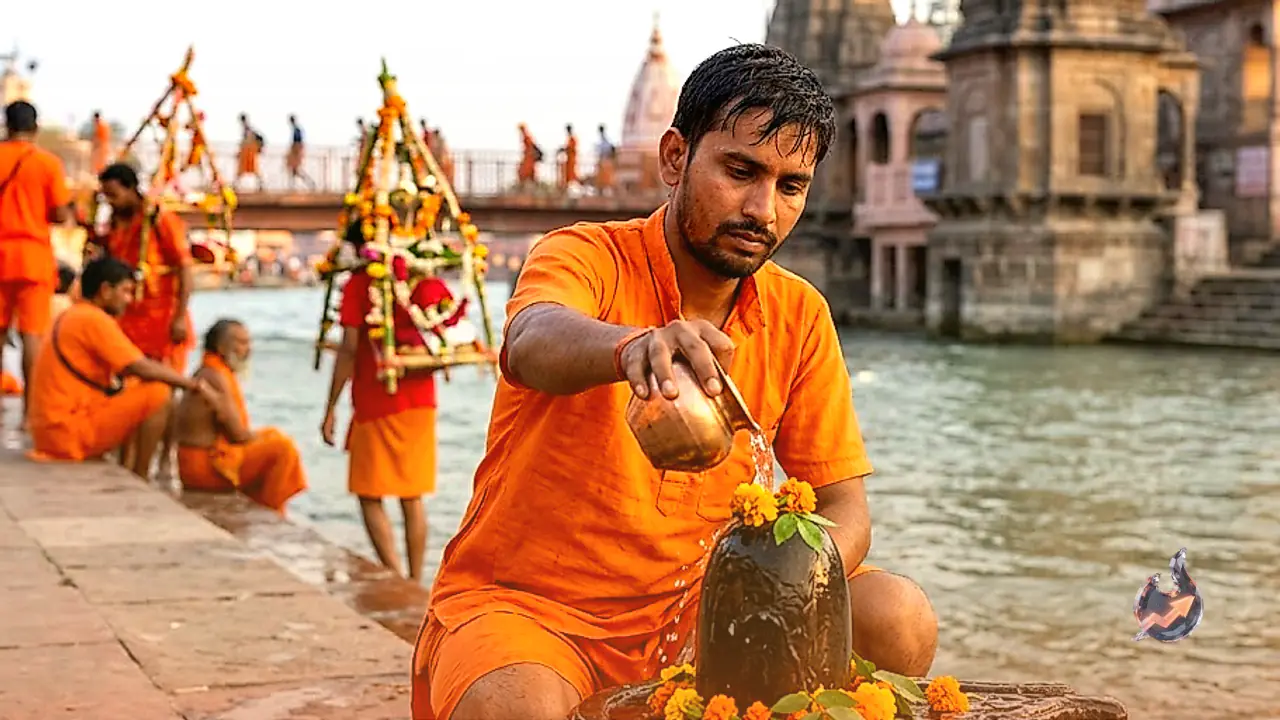
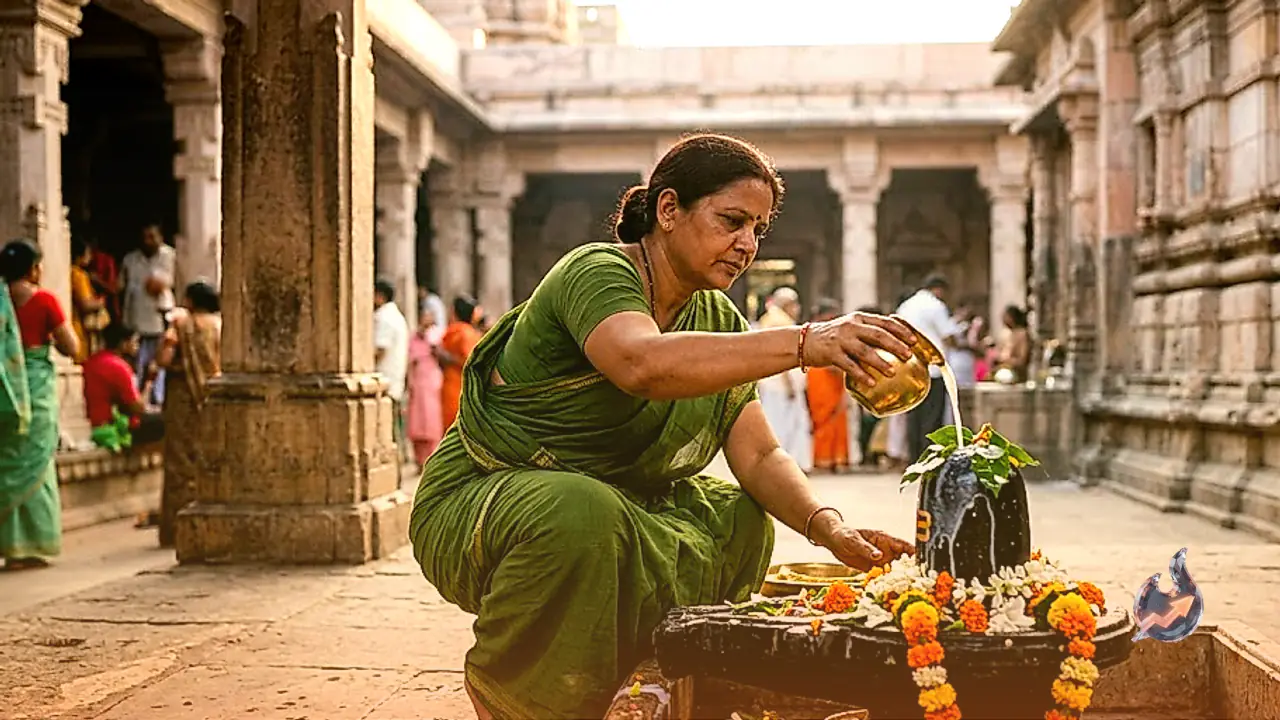
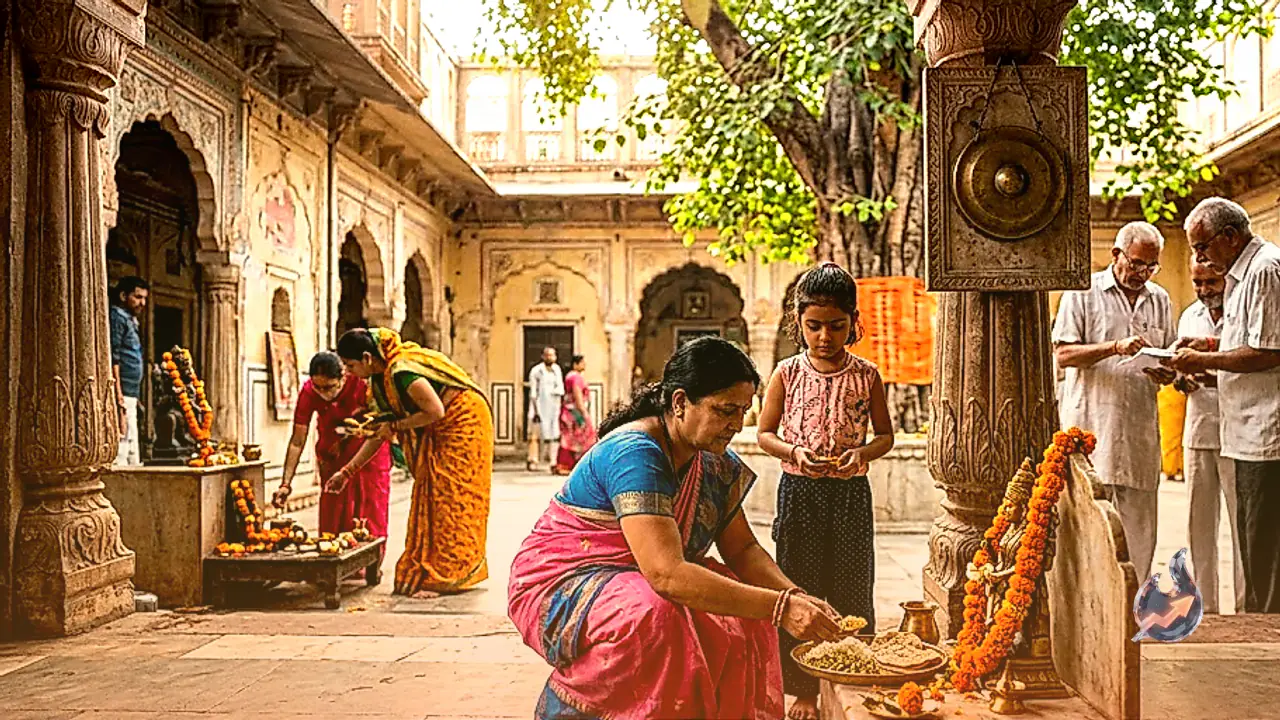
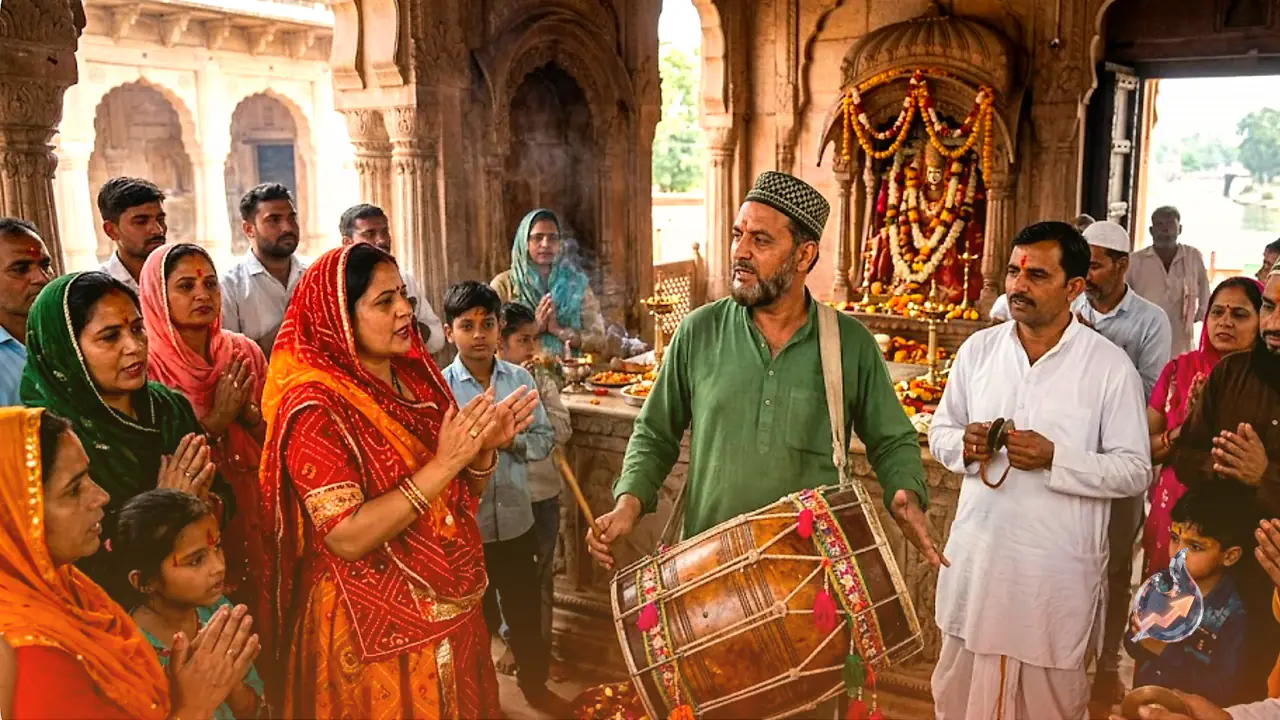
What immediately strikes visitors at Mansa Devi Temple is the extraordinary sight of interfaith devotion on full display. Hindu worshippers perform aarti and offer prayers according to traditional rites, while Muslim devotees also make their way to the goddess's court, bow in reverence, and seek her blessings with genuine sincerity. More strikingly, members of the Muslim community play the nagada drum here in the goddess's honour, an expression of respect that leaves little doubt about the depth of their devotion. This shared act of worship is, in today's world, a quietly powerful statement about what communal brotherhood can look like when lived rather than merely spoken about. The image of two communities united in a single act of faith sends a message about solidarity that is both simple and profound.
The Goddess Whose Name Means Fulfilled Wishes
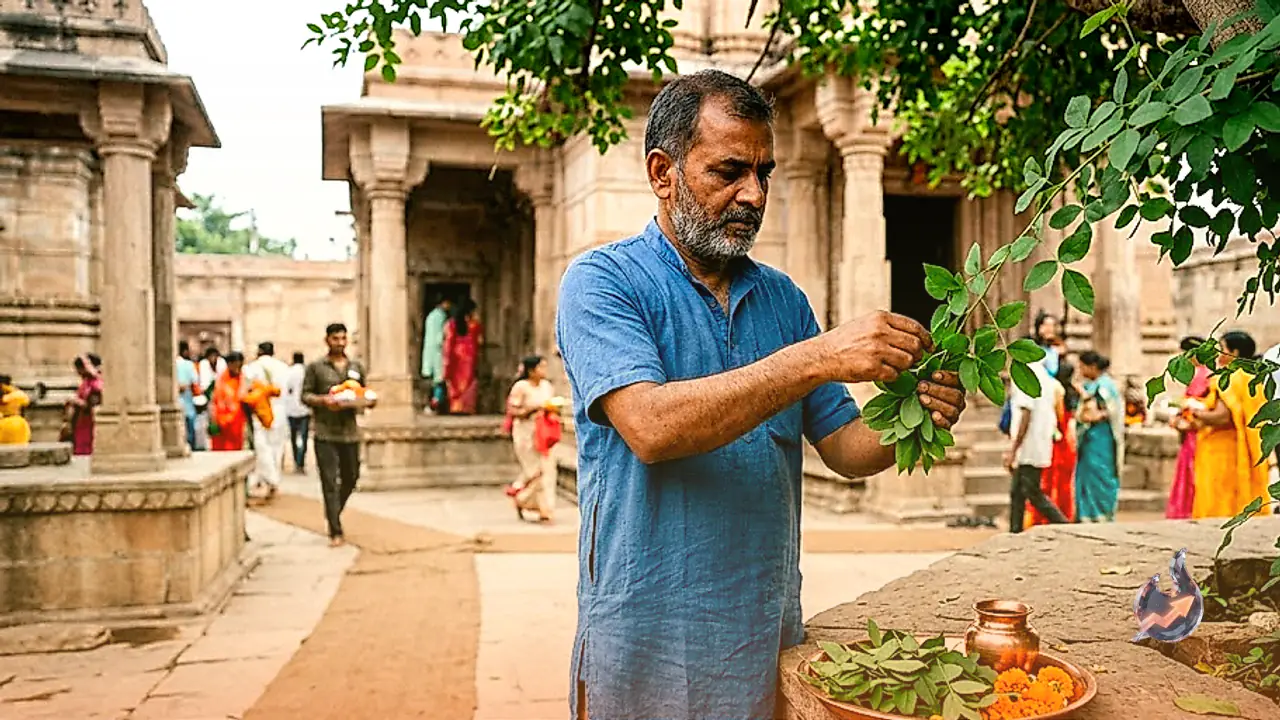
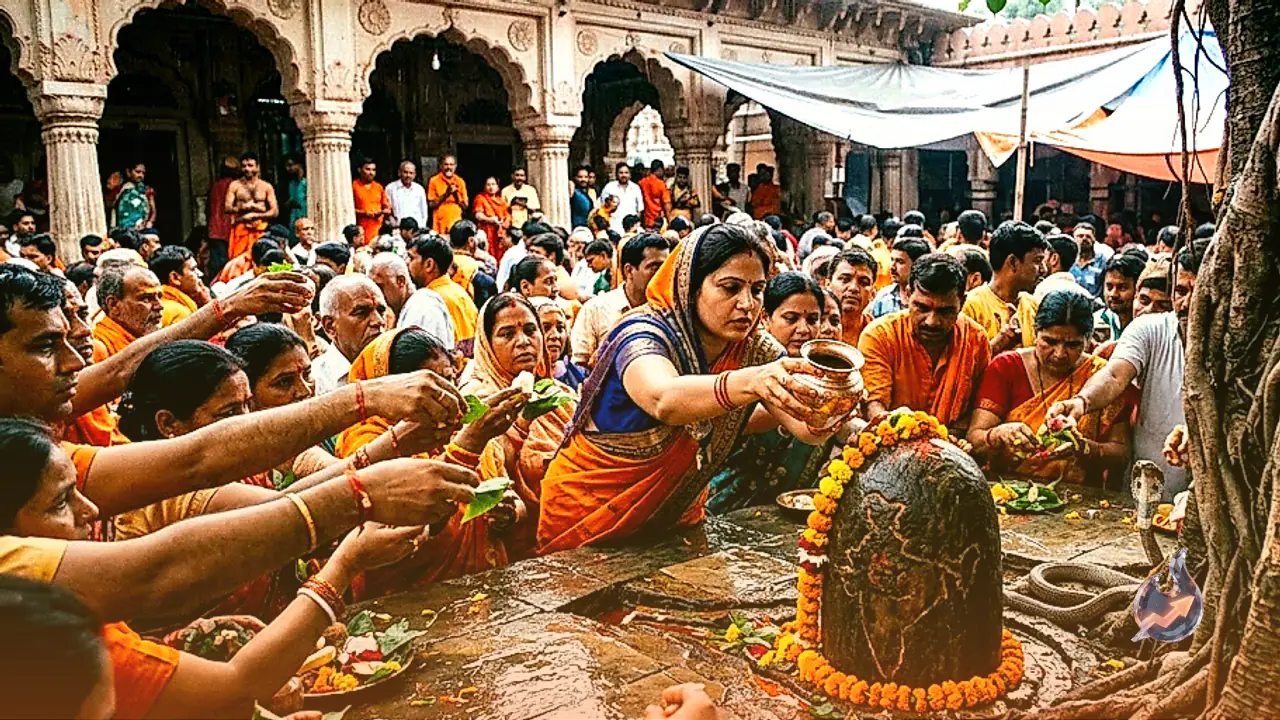
According to local residents and elderly members of the community, the temple's reputation rests on a belief that has been passed down through many generations: that any devotee who approaches the goddess with a sincere and pure heart will have their wish granted. It is this very faith in the goddess's willingness to fulfill desires that gave the shrine its name. 'Mansa Devi' speaks directly to the wishes and longings that devotees bring to her door, and the temple has built its identity around this belief in answered prayers. Year-round, the temple attracts a steady stream of pilgrims from near and far. During the nine days of Chaitra and Shardiya Navratri, however, the crowd swells dramatically, filling the entire temple complex with chants, hymns, and the sound of celebration in the goddess's name. Special festivals and auspicious occasions draw similar waves of devotion throughout the calendar.
Where the Canal Brings Both Beauty and Calm
The temple's position on the banks of the historic Sujaan Ganga Canal lends it a natural setting that many visitors find as meaningful as the shrine itself. The sound of flowing water, the surrounding greenery, and the cool canal breezes create a sense of stillness that lingers long after prayers are done. Many devotees spend time simply sitting in this peaceful environment after their worship, allowing the natural surroundings to ease fatigue and quiet a busy mind. To ensure the site remains accessible and welcoming, the local administration and the surrounding village community work together to keep the temple premises clean and secure, so that pilgrims who have travelled from distant places find the experience entirely comfortable.
A Message in Stone and Water: Faith Has No Religion
As TrendKia has reported, the Mansa Devi temple in Bharatpur makes a quiet but unmistakable argument to modern society: that true devotion belongs to no single faith and draws no line between communities. The daily scene at this shrine, where people of different religions share the same sacred ground with ease, demonstrates what can happen when sincerity of belief is placed above the divisions that society so often constructs. This ancient temple by the canal has become a meeting point of cultures and faiths, and the image of unity it presents each day is one that will continue to speak to generations of visitors long into the future.