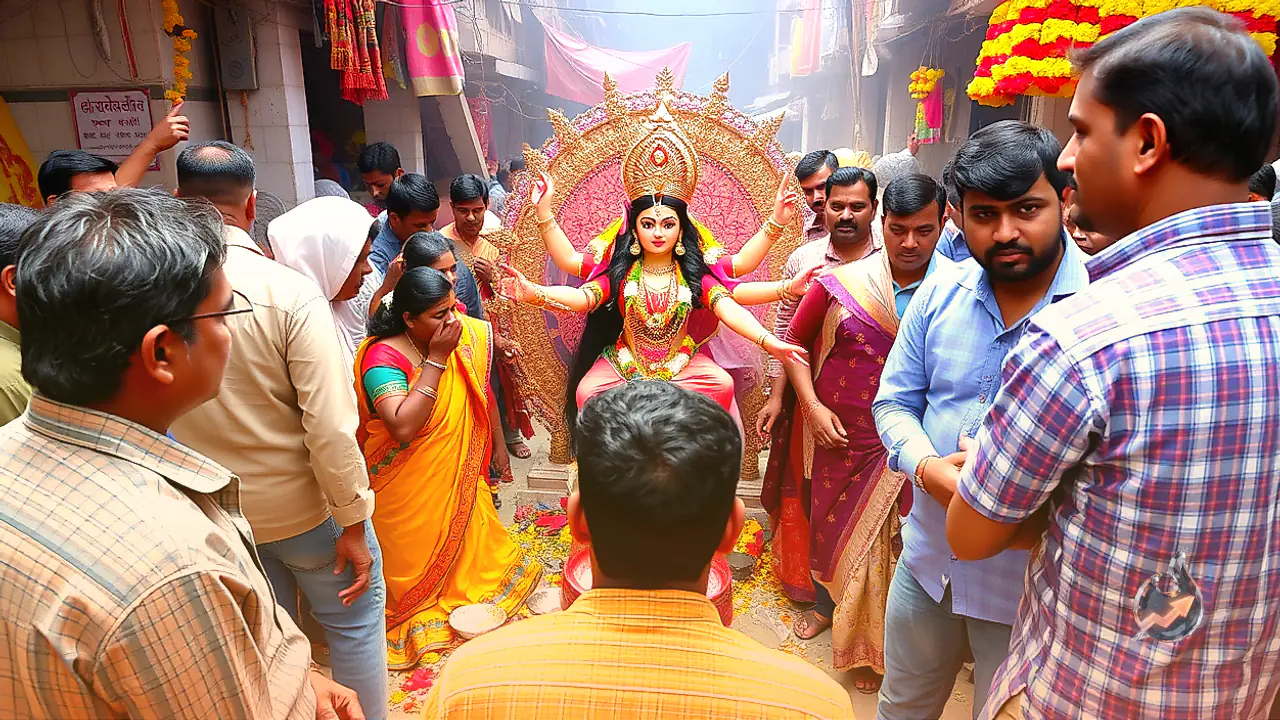




















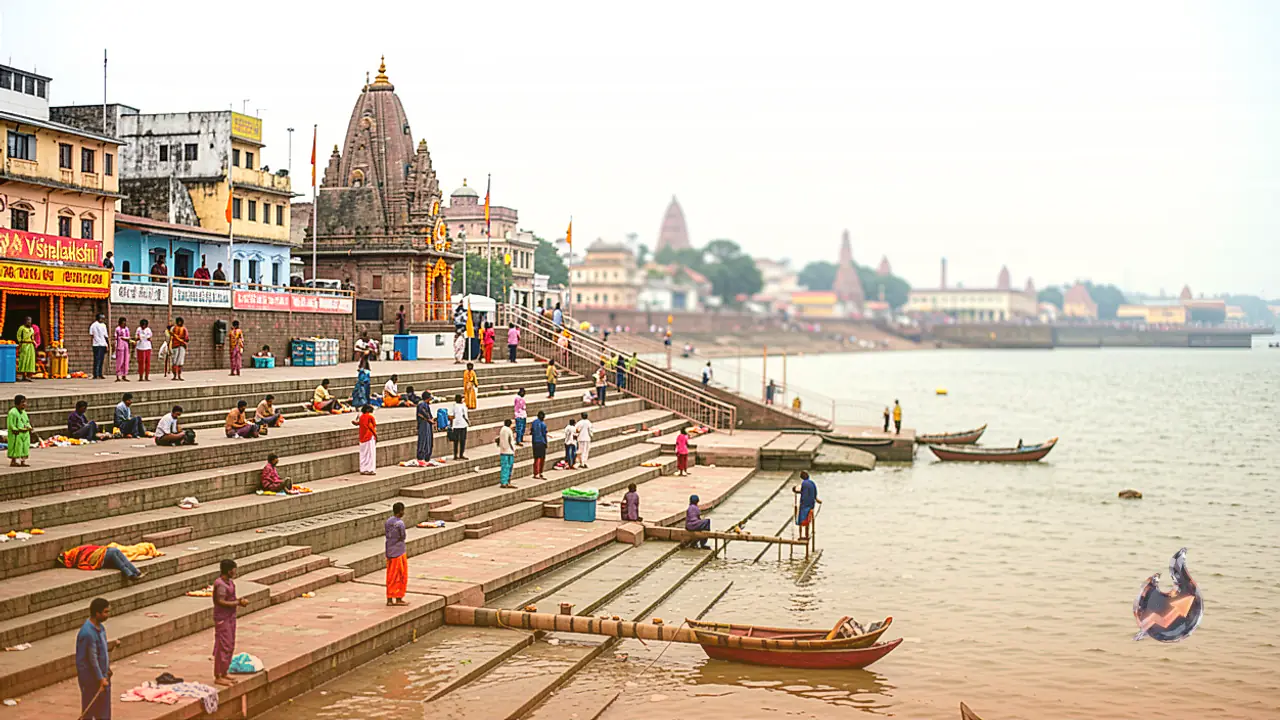

Varanasi holds a spiritual landscape shaped by centuries of living traditions, stretching far beyond its sweeping riverfront ghats and into its dense network of historic alleys. Situated near Mir Ghat in the Lahori Tola locality, the Maa Vishalakshi Temple stands out as one of the city's most spiritually potent sanctuaries. Revered as one of the fifty-one sacred Shakti Peethas mentioned across Hindu scriptural texts, this temple draws countless devotees each year. What makes the holy site truly distinctive is how seamlessly it weaves North Indian pilgrimage traditions with the ornate temple architecture of southern India.
The Legend of Sati and the Emergence of the Shakti Peeth
The core significance of the temple traces directly back to the classic myth of Devi Sati and Lord Shiva. According to sacred lore, after Sati sacrificed her life during the great sacrificial ceremony hosted by King Daksha, grief and fury overtook Shiva. The deity took up Sati's lifeless form and traveled across the cosmos in a state of supreme detachment. To avert universal destruction and re-establish cosmic order, Lord Vishnu unleashed the Sudarshan Chakra, cleaving Sati's mortal remains into multiple parts.
Traditional belief records that the right jewel-studded earring of Devi Sati dropped at this exact geographical spot along the riverbank in Kashi. Because of this divine occurrence, the shrine earned its status as a recognized Shakti Peeth, and the presiding goddess came to be revered under the divine title of Manikarni Devi. The nearby cremation ground and holy bathing spot, Manikarnika Ghat, shares its mythological identity with this pivotal moment.
Symbolism of the Name and Iconography of the Goddess
The name Vishalakshi originates from two distinct Sanskrit roots: 'Vishal', meaning expansive or grand, and 'Akshi', which translates to eyes. Thus, the title designates the goddess blessed with wide, radiant eyes. In classical theological thought, broad eyes convey boundless motherly compassion, spiritual vision, and perpetual protection over all living creatures. Devotees honor her as the maternal energy guarding humanity against distress.
Within the inner sanctum of the temple rests the sacred idol of Maa Vishalakshi, emanating a serene spiritual presence. Consistent with historical Tantric and Puranic frameworks, ritual devotion here acknowledges Kaal Bhairav as the guardian Bhairava spirit. Visiting both the deity of protection and the maternal goddess forms an essential spiritual cycle for orthodox pilgrims passing through Varanasi.
Southern Architectural Roots and the Nagarathar Legacy
Architecturally, the Vishalakshi shrine breaks noticeably from the regional architectural idiom found across most historic shrines in Varanasi. Walking into the complex reveals unmistakable Dravidian structural cues, including elaborate gateway designs and intricately sculpted stonework. Historical documents highlight the decisive contribution of the Nattukottai Nagarathar merchant group from Tamil Nadu in the temple's preservation.
Generations ago, this prominent southern community took on the monumental responsibility of renovating the crumbling structure, installing enduring stonework, and supporting native temple rituals. Their dedicated patronage ensured that South Indian pilgrimage routes connected directly with the heart of Varanasi. To this day, south Indian travelers prioritize worship at Vishalakshi, rendering the temple an enduring bridge linking the religious cultures of the north and south.
Festivals, Kajali Teej, and Ritual Observances
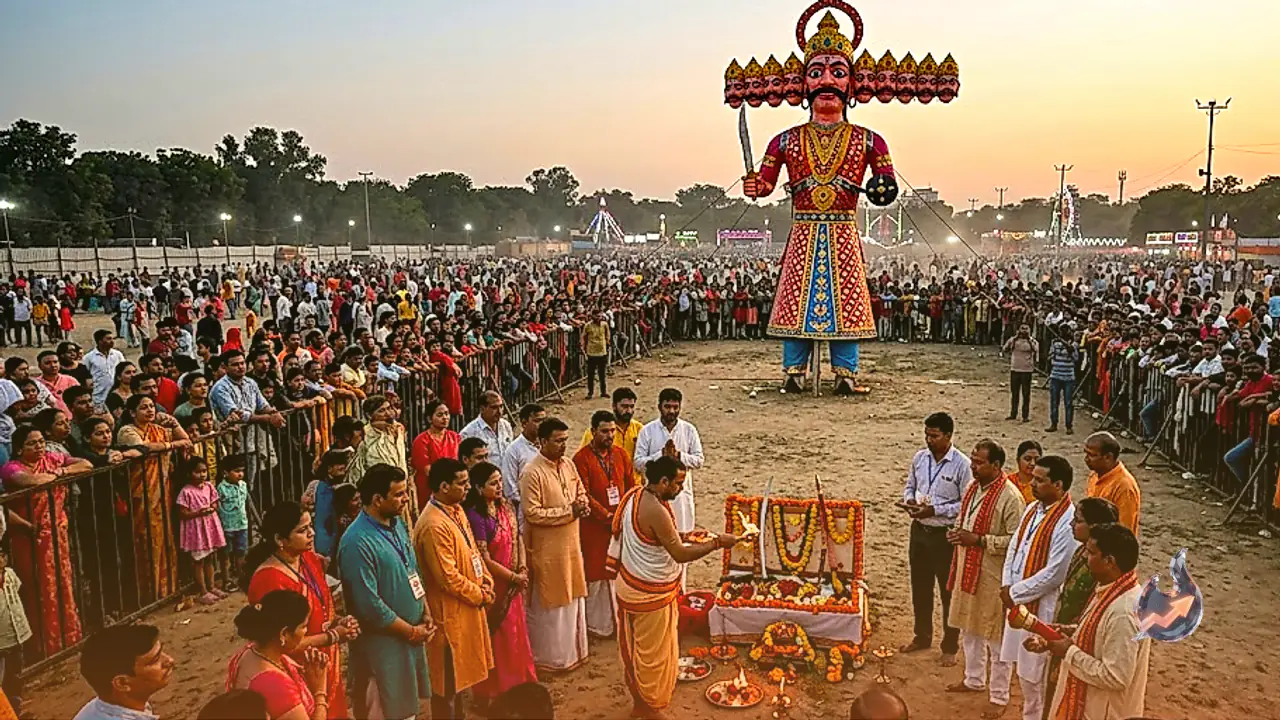
Devotional activity peaks dramatically during major Hindu seasonal celebrations. Throughout the nine nights of Navratri, pilgrims gather from across India to seek blessings, filling the narrow corridors with hymns and prayers while the sanctum receives elaborate floral dressings.
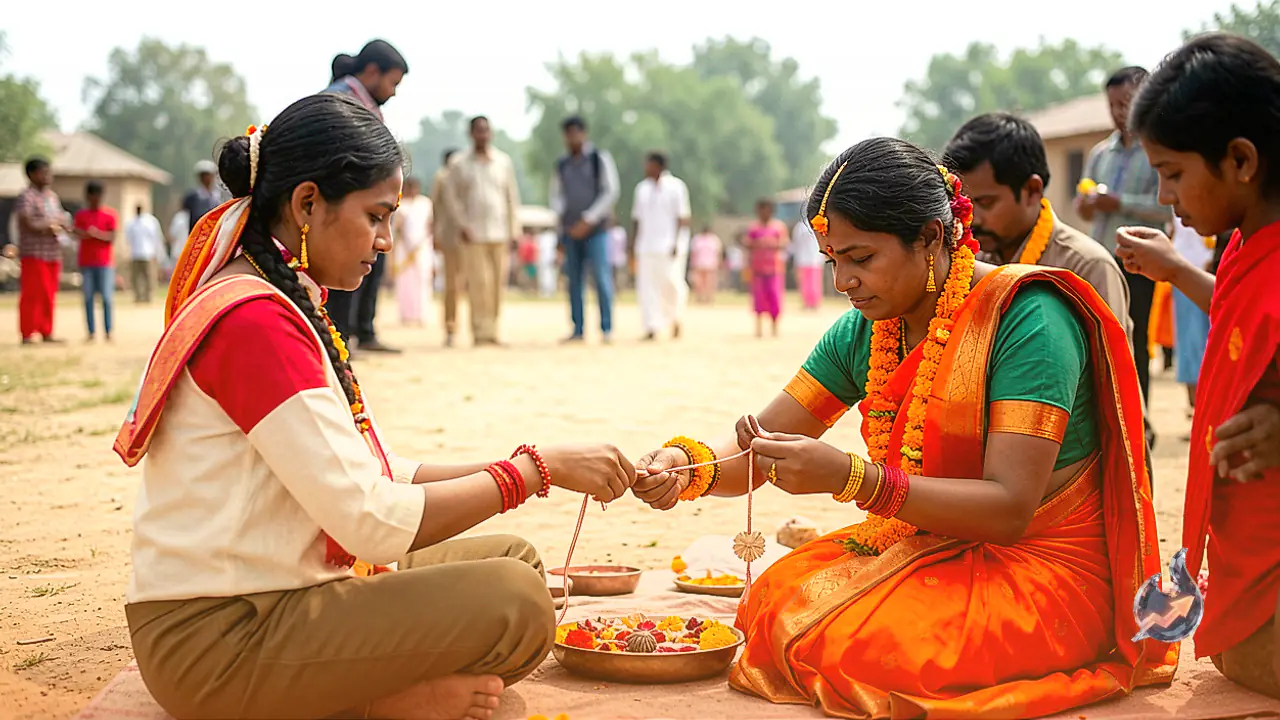
Another central occasion on the temple calendar is the observance of Kajali Teej, occurring during the monsoon period. On this day, priests perform an extraordinary ritual adornment known as shringar, embellishing the image of the goddess in traditional finery and ornaments. Married women and devotees assemble to offer dedicated prayers, seeking marital happiness, health, and family well-being through her benevolent gaze.
Access and Pilgrimage Geography in Kashi
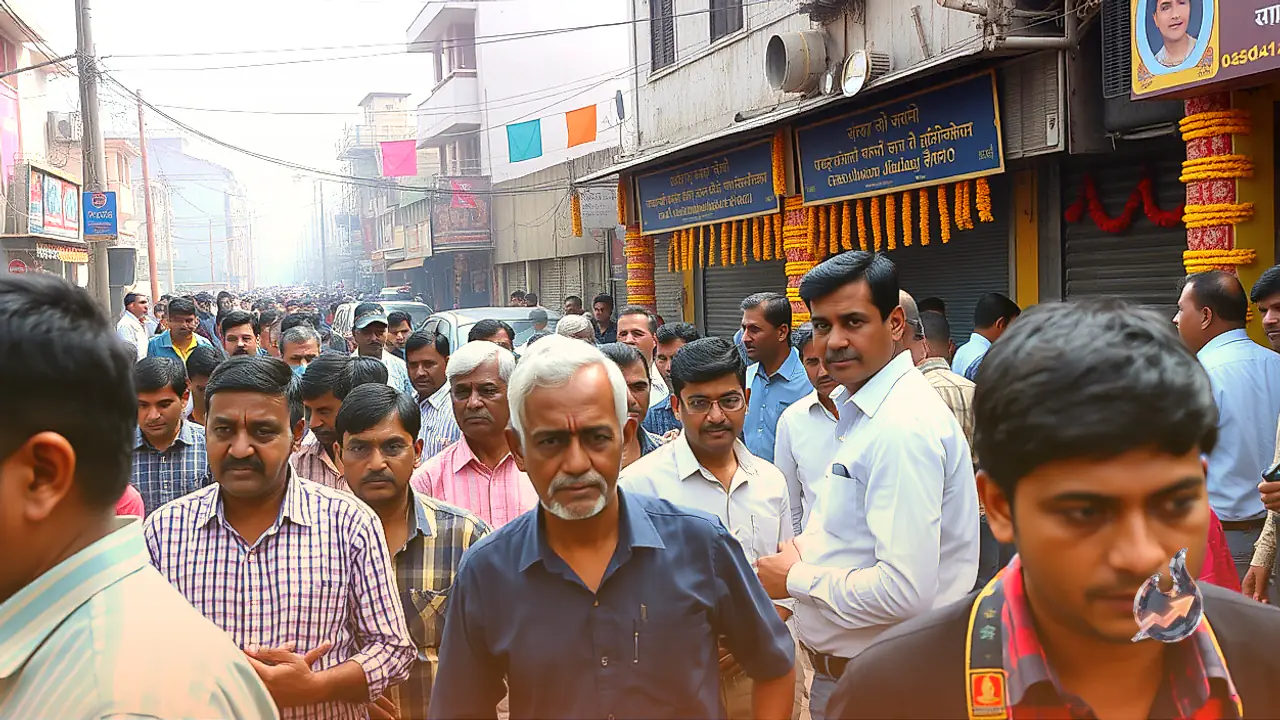
Tucked inside the lively alleyways of Lahori Tola close to Mir Ghat, the temple can be easily reached on foot after disembarking from boats or arriving through the city's main thoroughfares. Traditional pilgrims customarily combine their visit to Vishalakshi Temple with darshan at the Kashi Vishwanath Temple and the sacred boundary seat of Kaal Bhairav. Experiencing the gentle silence within this sanctuary amidst the bustling sounds of the ancient city remains an essential memory for spiritual seekers exploring Kashi.