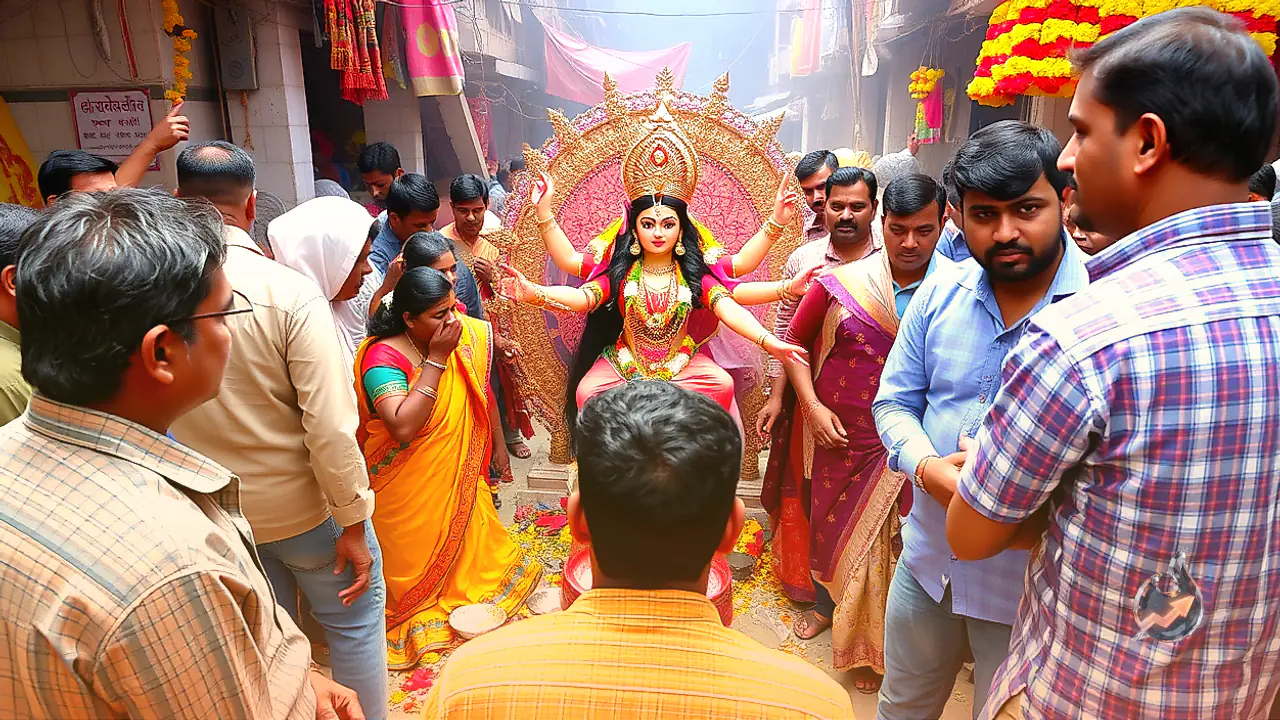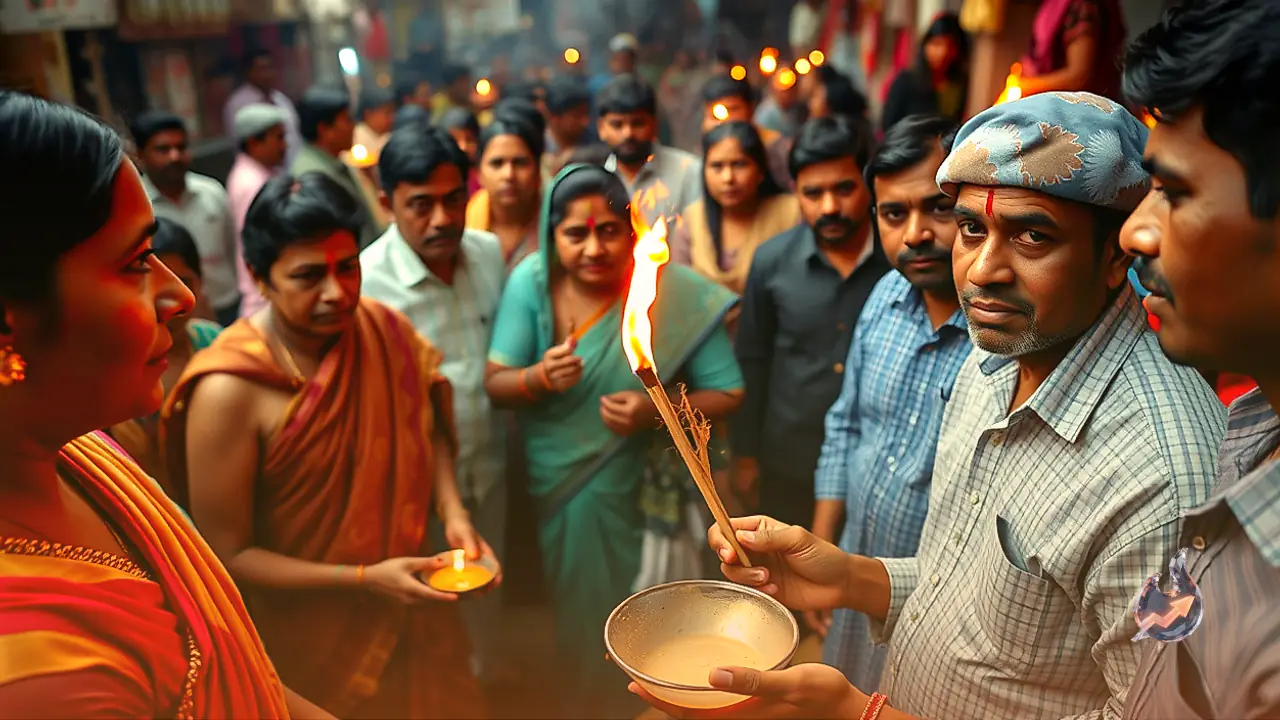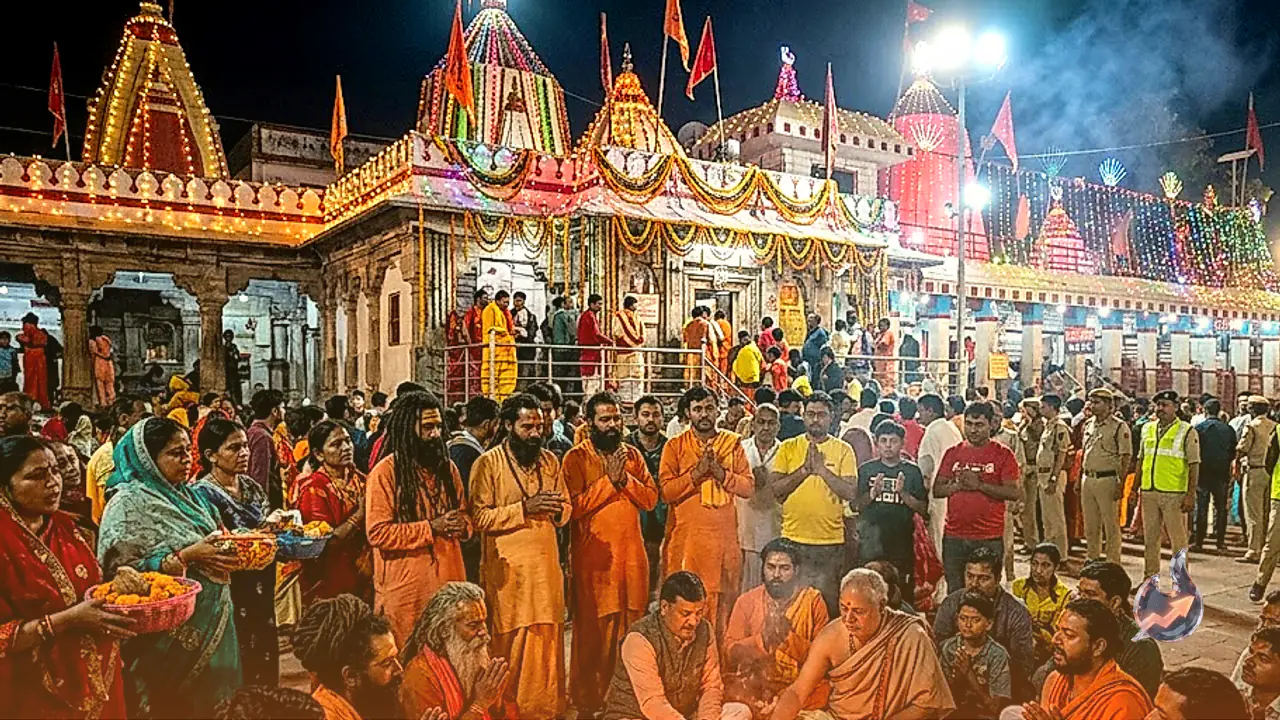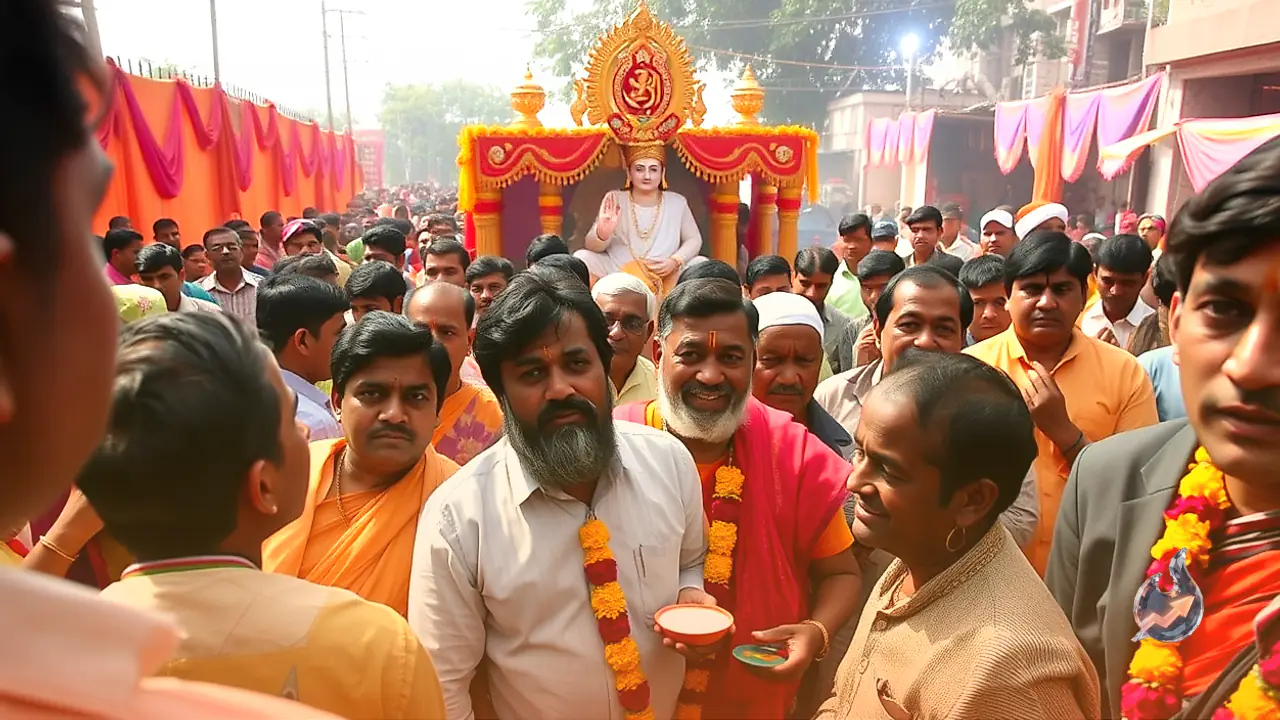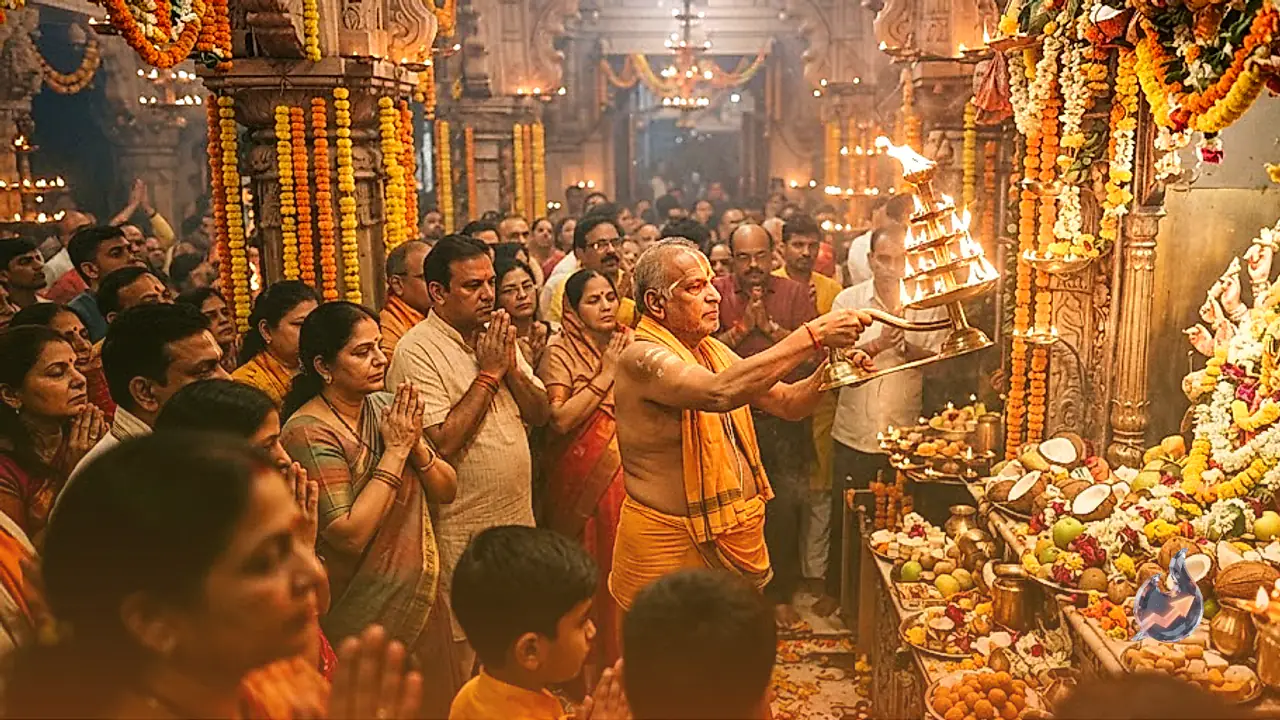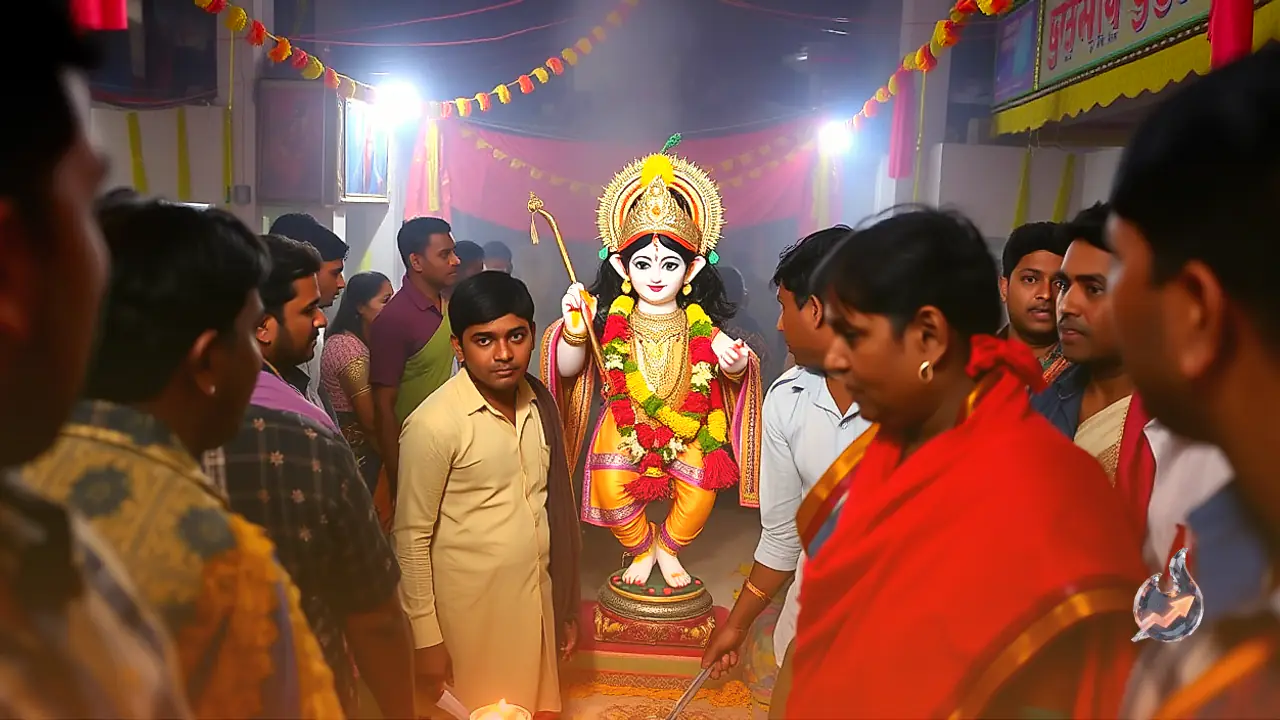
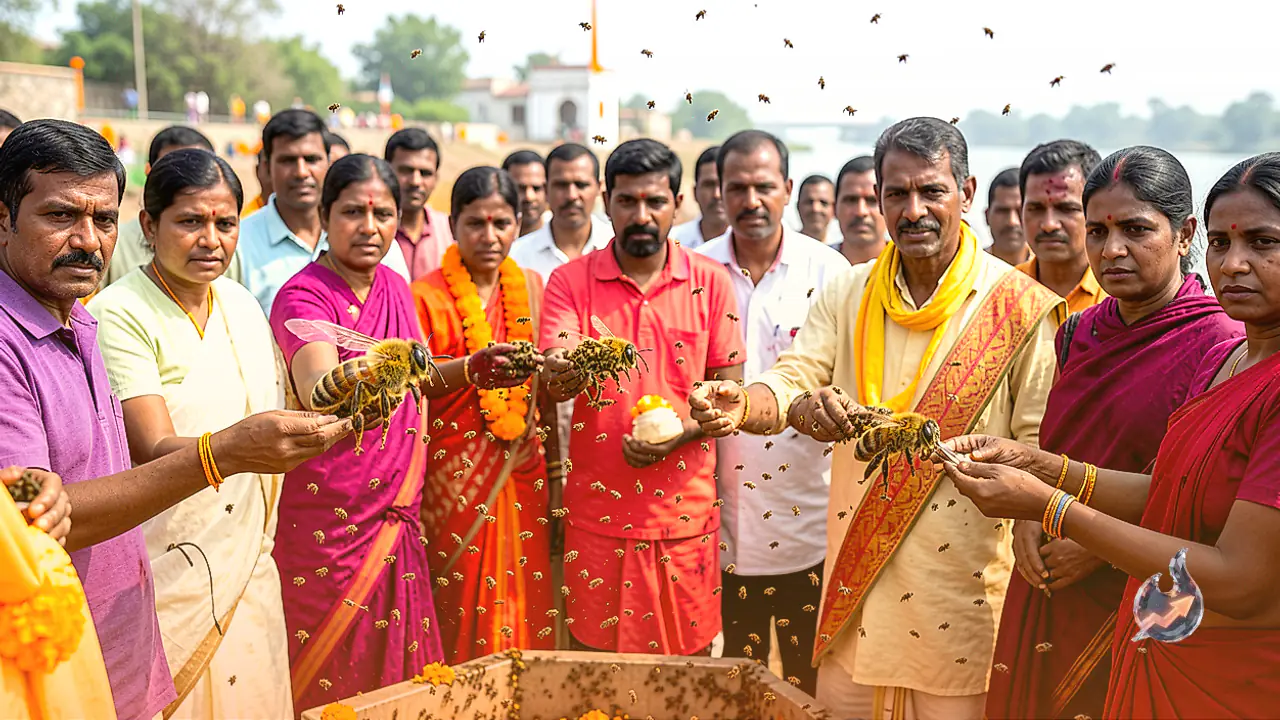
















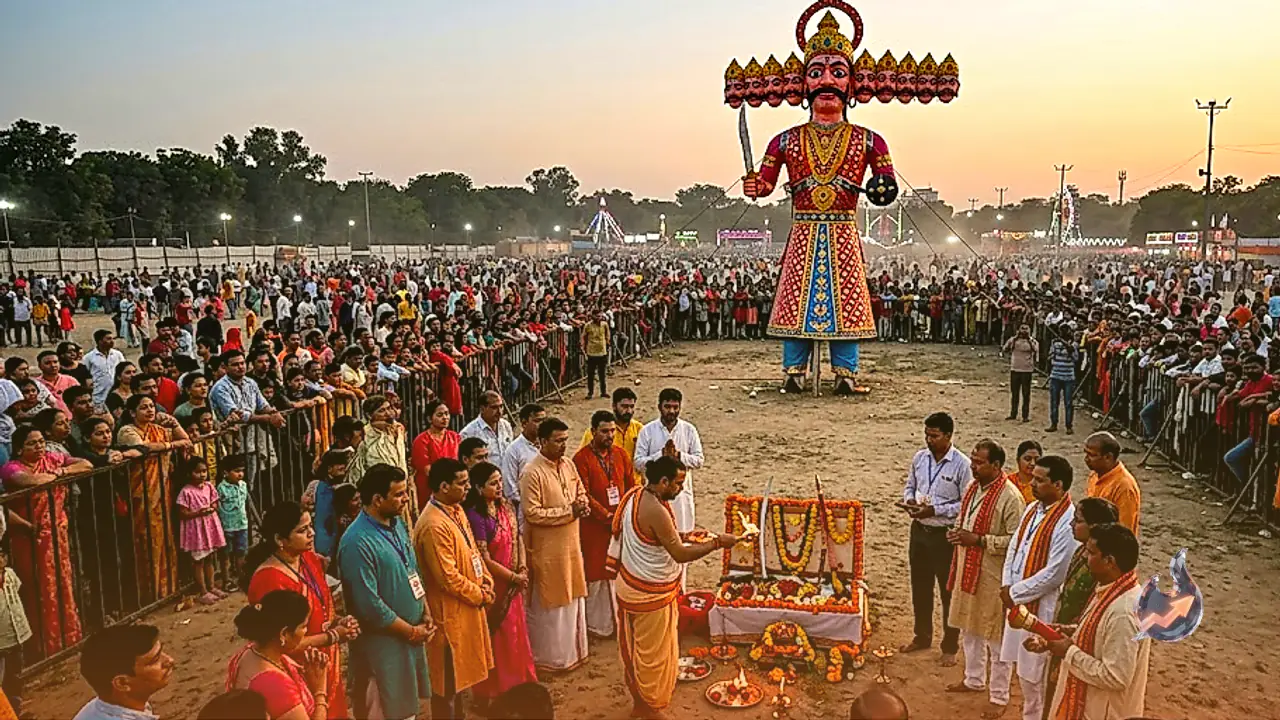

The auspicious festival of Vijayadashami is being observed with widespread fervor across the country, marking the tenth day of the Shukla Paksha in the month of Ashwin. In traditional belief systems, this festival holds immense spiritual importance as the ultimate symbol of virtue triumphing over evil and righteousness prevailing over injustice. Commemorating the grand triumph of Lord Rama, effigies of Ravana, Kumbhakarna, and Meghanada are consigned to flames. Alongside these festivities, elaborate observances such as Durga Puja, Shastra Pujan, Aprajita Devi Puja, and Ayudha Puja are conducted in diverse regional traditions.
Panchang Timeline for Dashami Tithi and Shravana Nakshatra
According to astronomical calculations in the Hindu calendar, Dashami Tithi commenced on October 20 at 12:50 PM and will conclude on October 21 at 2:11 PM. Complementing this, Shravana Nakshatra began on October 19 at 3:38 PM and will remain active until October 20 at 6:02 PM. Based on these alignments, the primary observance of Dussehra throughout northern India is scheduled for October 20.
Because Dashami Tithi extends into the afternoon of October 21, certain regions and spiritual traditions will celebrate the festival on Wednesday, October 21. In West Bengal, adhering strictly to the calendar of Durga Puja rituals, Vijayadashami will be observed on October 21. This marks the culmination of festivities with the ritual immersion of the idols of Goddess Durga, alongside married women participating in the vibrant and customary 'Sindoor Khela' ceremony.
Key Ritual Windows and Auspicious Muhurat
Devotees seeking to perform traditional ceremonies look to specific temporal windows deemed exceptionally promising. The Vijay Muhurat for Vijayadashami worship is established between 1:59 PM and 2:45 PM. Cultural tradition maintains that prayers, vows, and new initiatives launched during this precise window ensure victory and prosperous outcomes. Meanwhile, the general afternoon puja span, known as the Aparahna window, runs from 1:19 PM to 3:37 PM. For those seeking the specific grace of Aprajita Devi, the designated puja period extends from 1:14 PM to 3:30 PM.
Devotees organize ceremonies honoring Lord Rama, Goddess Durga, and their traditional defensive implements. In numerous commercial and industrial settings, professional tools, machines, commercial instruments, and automobiles are purified and venerated to welcome prosperity for the coming year.
Schedules for Ravana Dahan and Pradosh Kaal
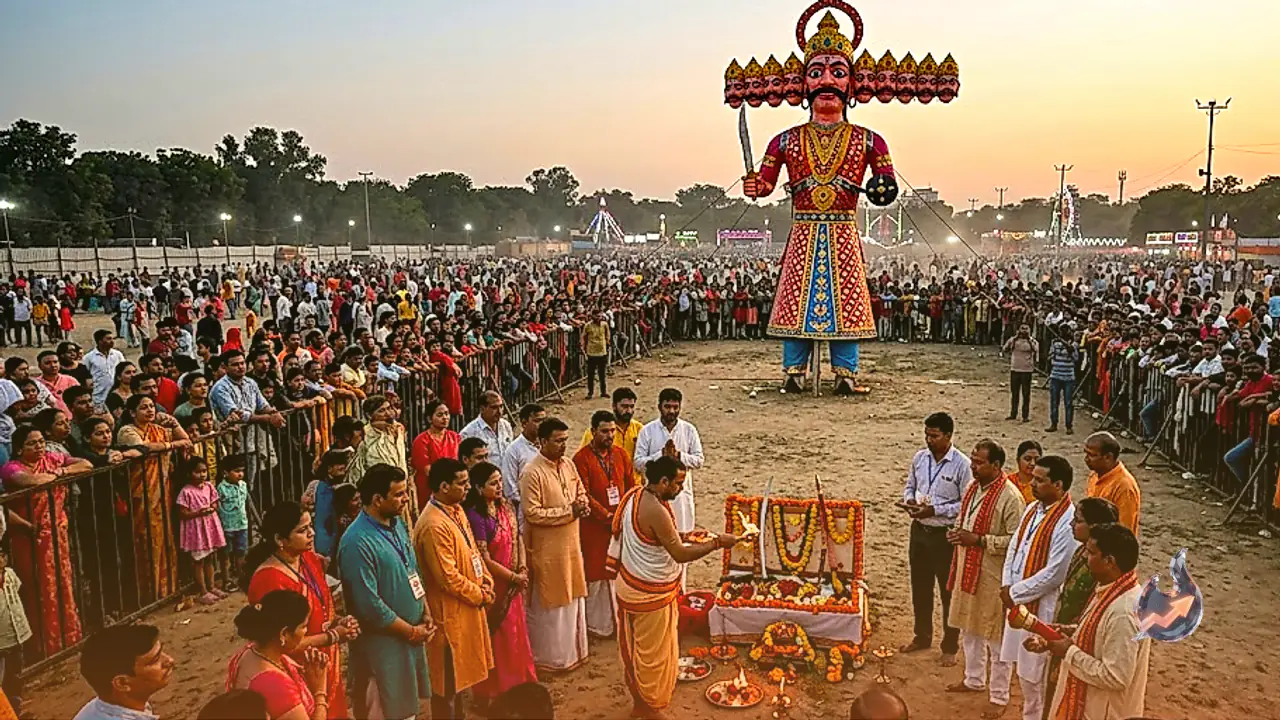
The public centerpiece of Dussehra night remains the theatrical burning of giant effigies following the finale of traditional Ramlila performances. Across grounds and public parks in northern India, effigies of Ravana, Kumbhakarna, and Meghanada are burnt on the evening of October 20. This ritual commemorates Lord Rama destroying the demon king Ravana and liberating Goddess Sita from captivity.
The optimal window identified for conducting Ravana Dahan is on October 20 between 5:47 PM and 6:12 PM. Broadening this, the Pradosh Kaal window extends from 5:47 PM to 8:17 PM on the night of October 20. These dusk-aligned hours provide the traditional ceremonial setting for burning the demonic symbols.
The Cultural Significance of Shastra Puja and Aprajita Veneration
At its core, Vijayadashami signifies the victory of moral virtue over destructive elements. Mythological records link this date not only to the defeat of Ravana by Lord Rama but also to Goddess Durga slaying the buffalo demon Mahishasura. Honoring these dual victories, communities uphold the practice of Shastra Puja and Aprajita worship.
Families reverently cleanse work tools, educational texts, literary manuscripts, musical equipment, and transportation vehicles. In several geographic regions, leaves of the Shami or Apta trees are exchanged among community members as a gesture of goodwill, wealth, and mutual blessing. Many households also select this auspicious day to initiate young children into reading, writing, performing arts, or the commencement of significant personal enterprises.