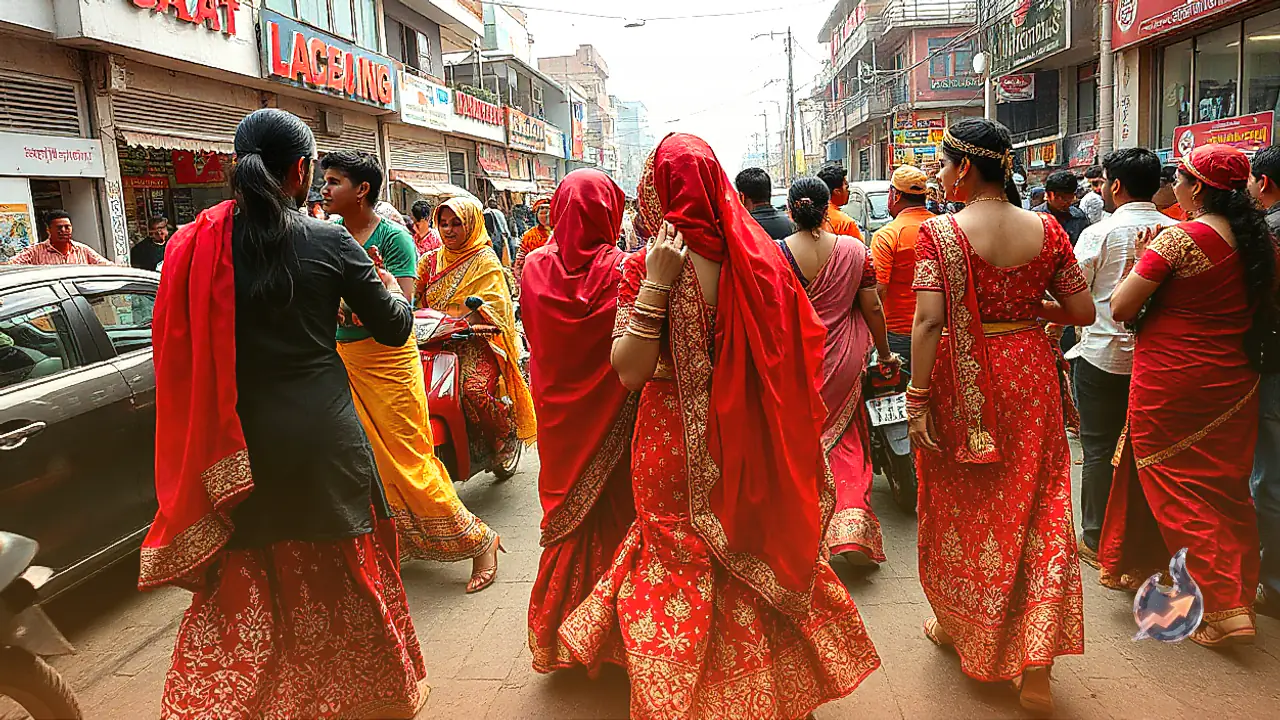


















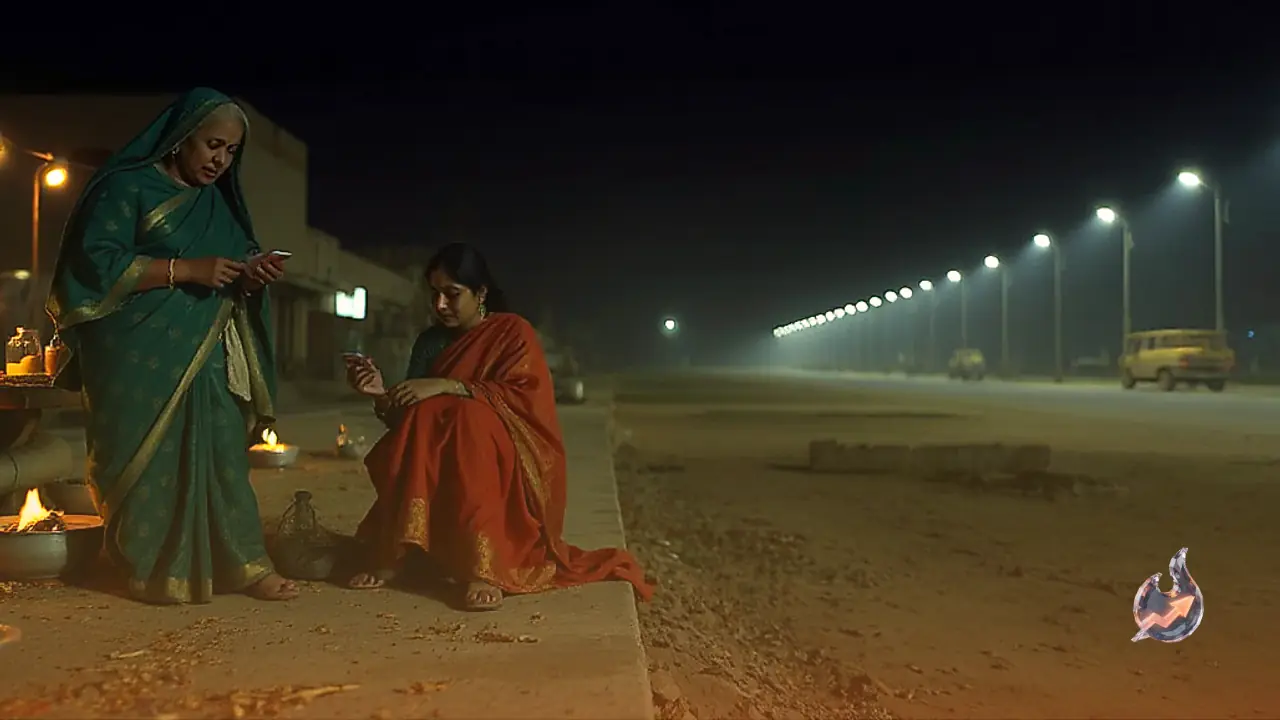

The festival of Karwa Chauth is celebrated every year with immense devotion and enthusiasm on the Chaturthi Tithi of the Krishna Paksha in the month of Kartik. This year, the auspicious fast of Karwa Chauth 2026 will be observed on Thursday, October 29. On this sacred day, married women pray for the long life and prosperous marital life of their husbands by observing a strict waterless fast throughout the day. The fast begins with consuming Sargi before sunrise and concludes only after offering Arghya to the moon at night. However, staying without food and water for the entire day is not suitable for every woman's health. Due to various health ailments and physical conditions, remaining hungry and thirsty for a prolonged period can aggravate complications. Both ancient scriptures and medical experts advise that women facing certain specific circumstances should refrain from keeping this rigid Nirjala fast. Let us explore in detail the 6 prominent situations in which women should avoid observing the Karwa Chauth fast.
Precautions for Expectant Mothers During Pregnancy
During pregnancy, both the mother and the developing fetus require enhanced nutritional support and continuous energy. Skipping food and water for extended hours during this critical phase can trigger severe dehydration. Furthermore, complications such as dizziness, extreme weakness, and fainting spells can also arise. Therefore, pregnant women must consult their doctor before attempting to observe the waterless fast. If any health risks are identified, it is considered much wiser to avoid fasting altogether in order to protect maternal and fetal health.
Health Guidelines for Lactating Mothers
The bodies of women who are breastfeeding newborns require an adequate supply of fluids and rich nourishment. If nursing mothers go without water or food for long durations, it can adversely affect milk production and lead to severe fatigue and dehydration. Such women must prioritize their own health alongside the well-being of their infant. It is essential to ensure that the nutritional requirements of the nursing child are never compromised during religious observances.
Risks Associated with Diabetes Management
Remaining empty stomach for extended periods can prove extremely hazardous for women battling diabetes. During an ongoing fast, blood sugar levels can either drop dangerously low or spike unpredictably. The health risks multiply significantly for women who depend on insulin injections or other heavy medications. Observing a waterless fast without explicit medical guidance and supervision can lead to harmful consequences for diabetic patients, making professional consultation mandatory.
Precautions for Women Battling Heart Conditions
Women struggling with cardiac ailments or heart diseases must exercise extreme caution regarding their dietary intake and fluid consumption habits. During the rigid rituals of the Karwa Chauth fast, prolonged absence of water can trigger dehydration and electrolyte imbalances within the body. Such physiological stress places direct and undue pressure on the heart, potentially aggravating cardiovascular issues. Consequently, heart patients should strictly steer clear of rigorous fasting unless approved by their cardiologist.
Coping with Severe Ailments and Physical Weakness
Women who are already troubled by conditions such as anemia, recurring dizziness, severe gastrointestinal issues, low blood pressure, kidney disorders, or any other serious chronic illnesses should strictly avoid staying hungry and thirsty for long hours. The physical strain of the Karwa Chauth waterless fast can exponentially increase bodily weakness, making it extremely difficult to perform even routine daily chores. Safeguarding one's health should always remain the primary focus to prevent medical emergencies.
Observance Rules During Menstrual Cycles
The physical and mental condition of every woman varies considerably during her menstrual cycle. During this phase, many women experience severe abdominal cramps, profound fatigue, bodily weakness, or heavy bleeding. Under such circumstances, undertaking the rigorous Karwa Chauth waterless fast can severely aggravate physical discomfort. Nevertheless, in certain households and traditions, women maintain the vow of the fast while delegating the actual worship rituals to their husbands or other family members. Therefore, one should proceed strictly according to the established customs and beliefs followed in their respective households.