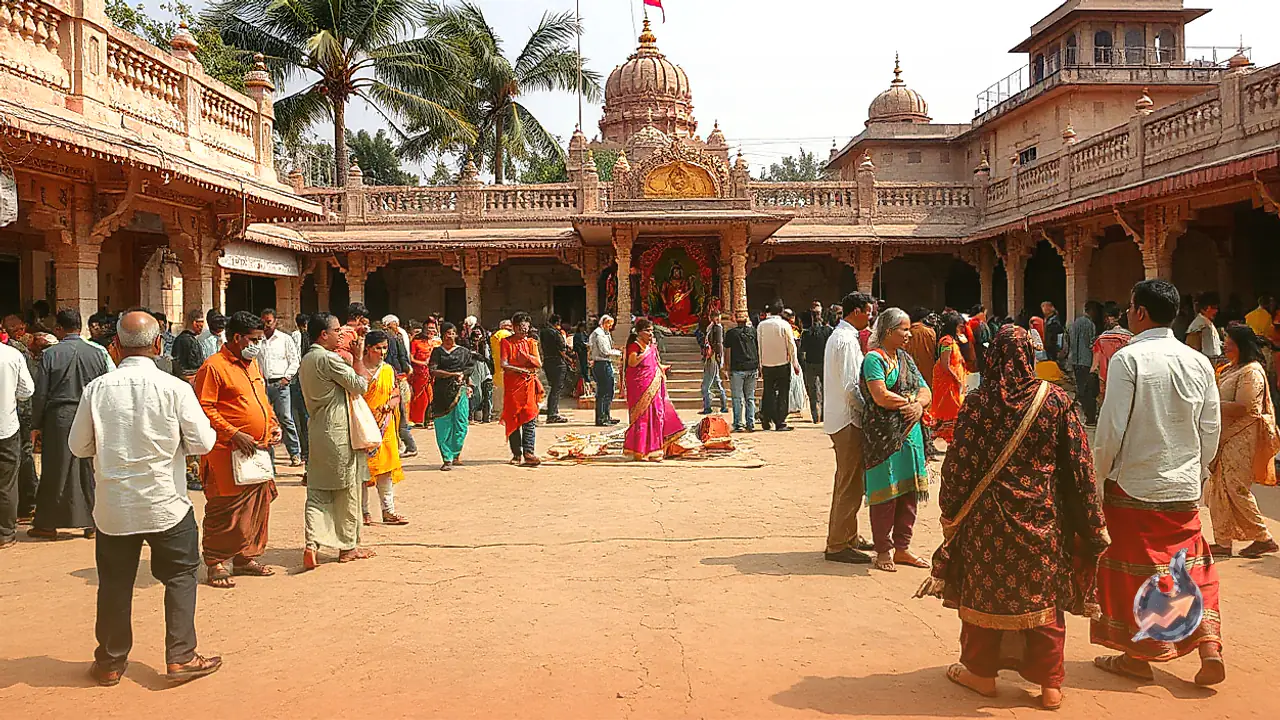

In Sanatan culture, the Tulsi plant is considered an embodiment of Goddess Lakshmi, and you can find it in almost every Hindu household. Worship during the month of Kartik is held in high regard, and the festival of Tulsi Vivah is celebrated on Kartik Shukla Dwadashi, where Goddess Tulsi is ceremoniously married to Lord Shaligram, an incarnation of Lord Vishnu. In the year 2026, Tulsi Vivah falls today on November 21. On this auspicious day, alongside performing the wedding rituals for Shaligram and Goddess Tulsi, lighting lamps at specific spots in the evening can please all the deities and help drive away negative energy from your life.
Always light a lamp near the Tulsi plant
Those who are unable to perform the traditional rituals for Tulsi Vivah must at least light a lamp near the Tulsi plant. Furthermore, apply a tilak to Mother Tulsi and seek her blessings. Doing so pleases not only Mother Tulsi but also Lord Vishnu, Goddess Lakshmi, and other deities who shower their grace upon the household.
On both sides of the main entrance
Apart from lighting a lamp during Tulsi Vivah on Kartik Shukla Dwadashi, lamps should also be lit on both sides of the main door of the house. This is the exact pathway through which positivity and deities enter your living space. Placing lighted lamps at the main entrance pleases the gods and fills your life with positive vibrations.
In the northeast corner of the house
According to Vastu Shastra, the northeast direction, known as the Ishan Kon, is considered the abode of deities. Therefore, after sunset on the day of Tulsi Vivah, you must light a lamp in the northeast corner. This practice invokes the blessings of the divine, purifies the home environment, and can help resolve stalled or delayed tasks.
Inside the kitchen of the home
In Hindu tradition, the kitchen is considered the primary power center of the home. Vastu principles dictate that a lamp should be lit in the kitchen on every auspicious date, and Tulsi Vivah is no exception. Lighting a lamp in the kitchen on this day pleases both Mother Tulsi and Goddess Annapurna, ensuring that your food grain reserves remain abundant.