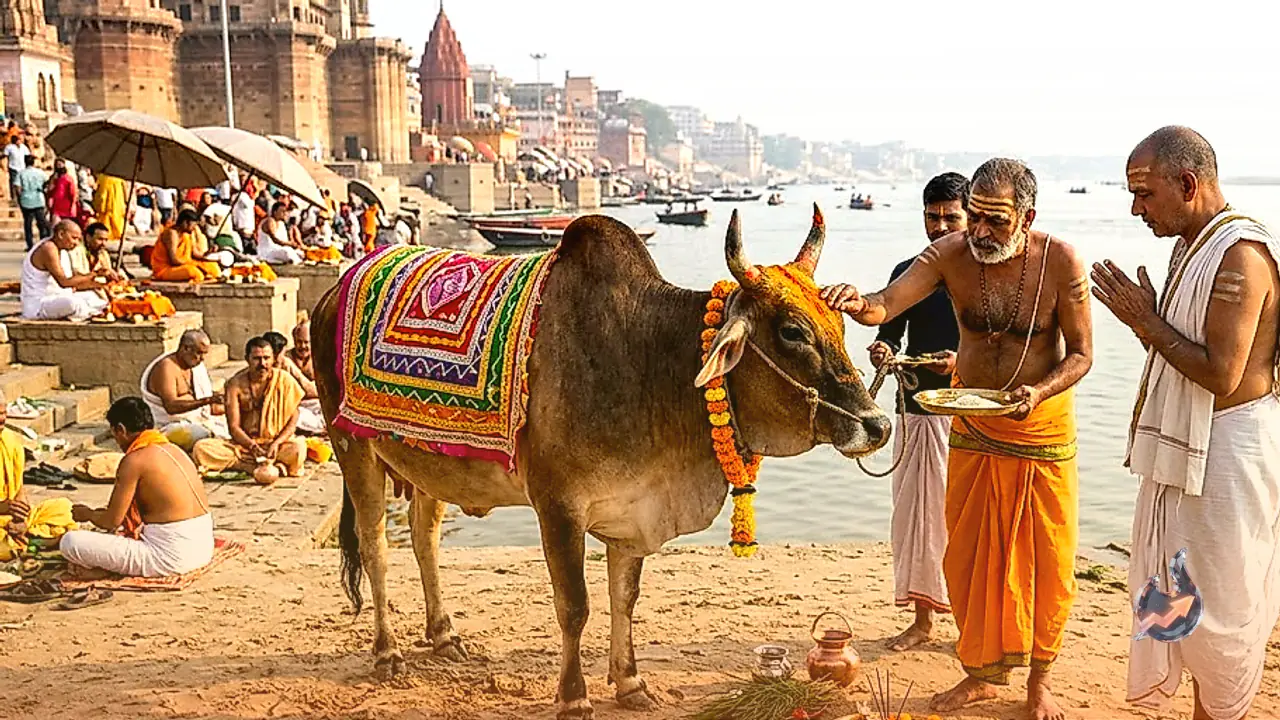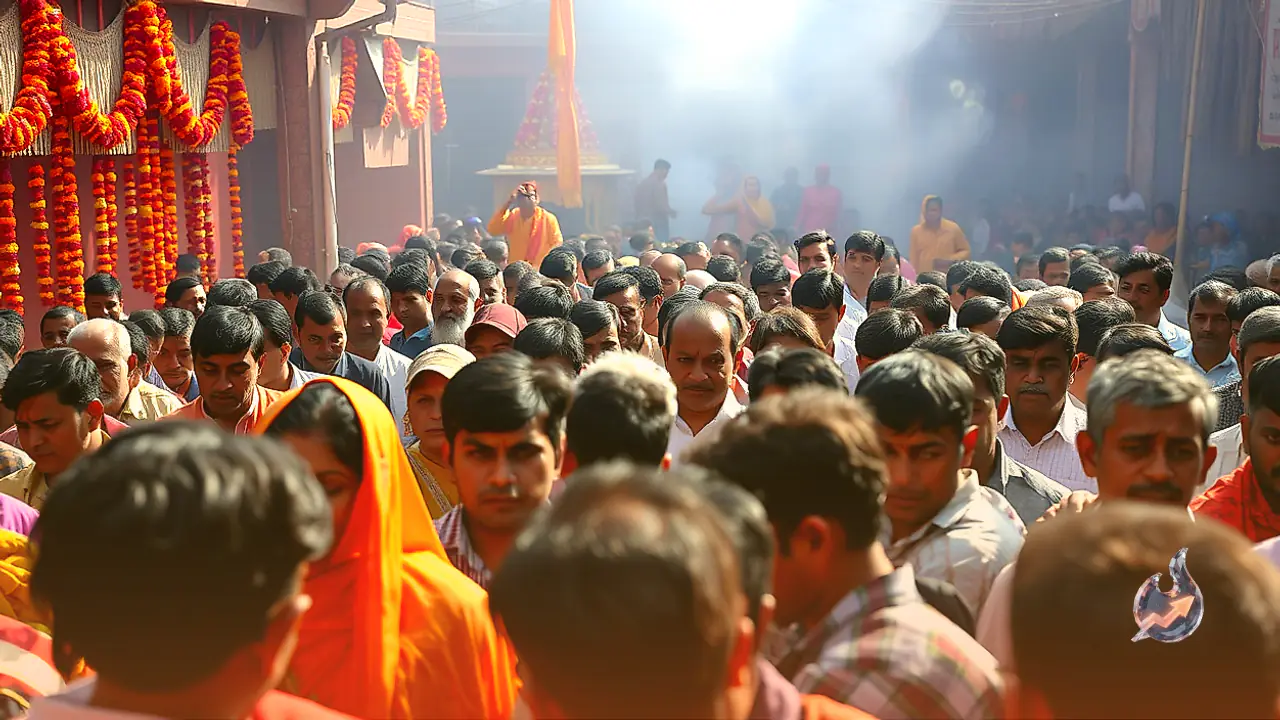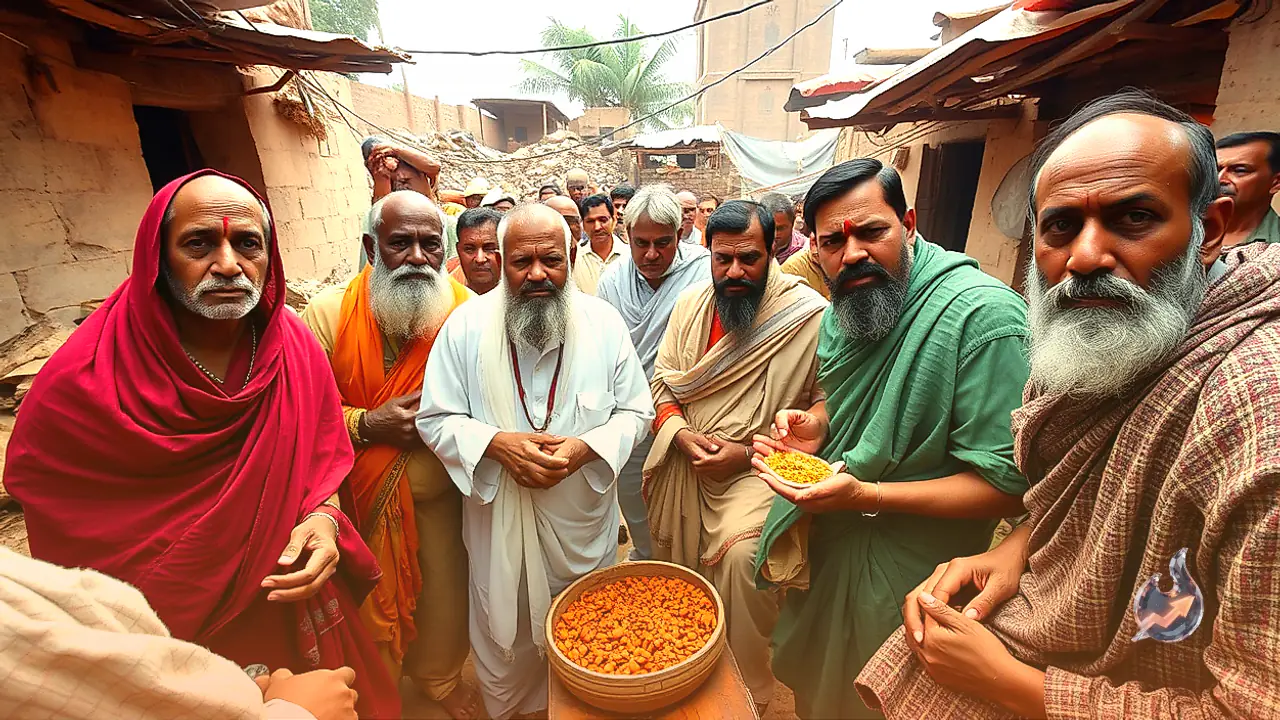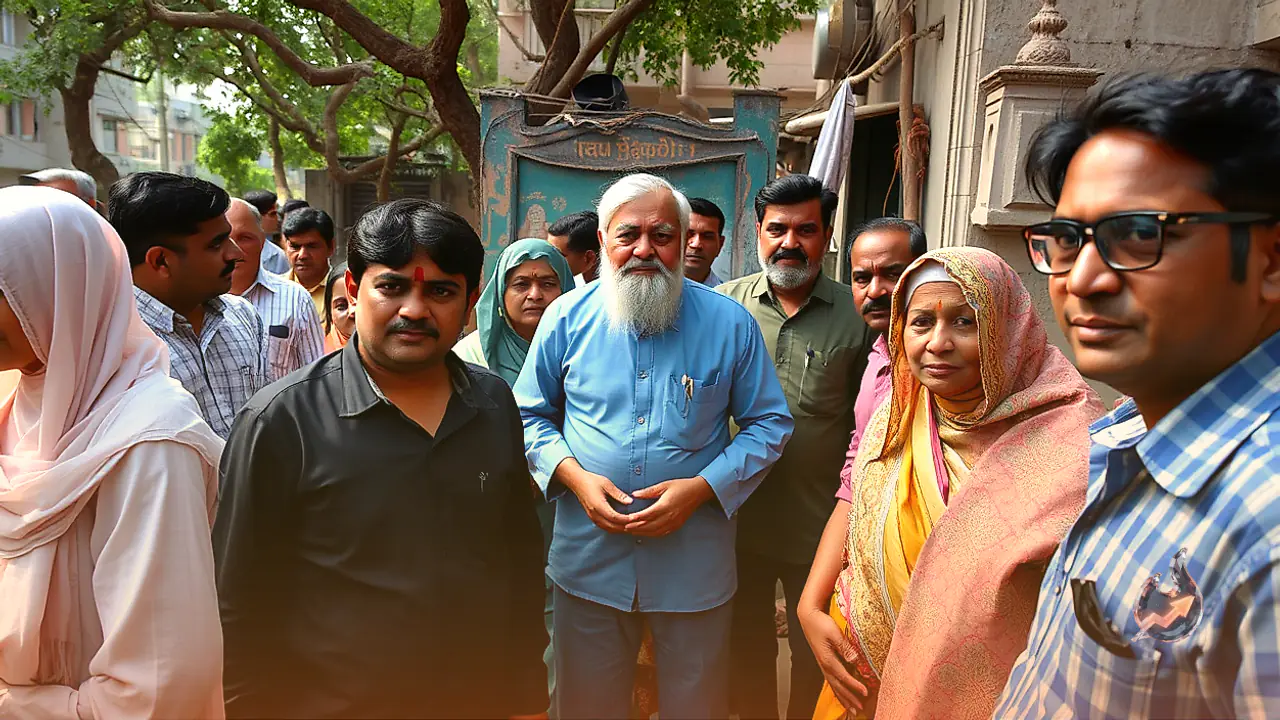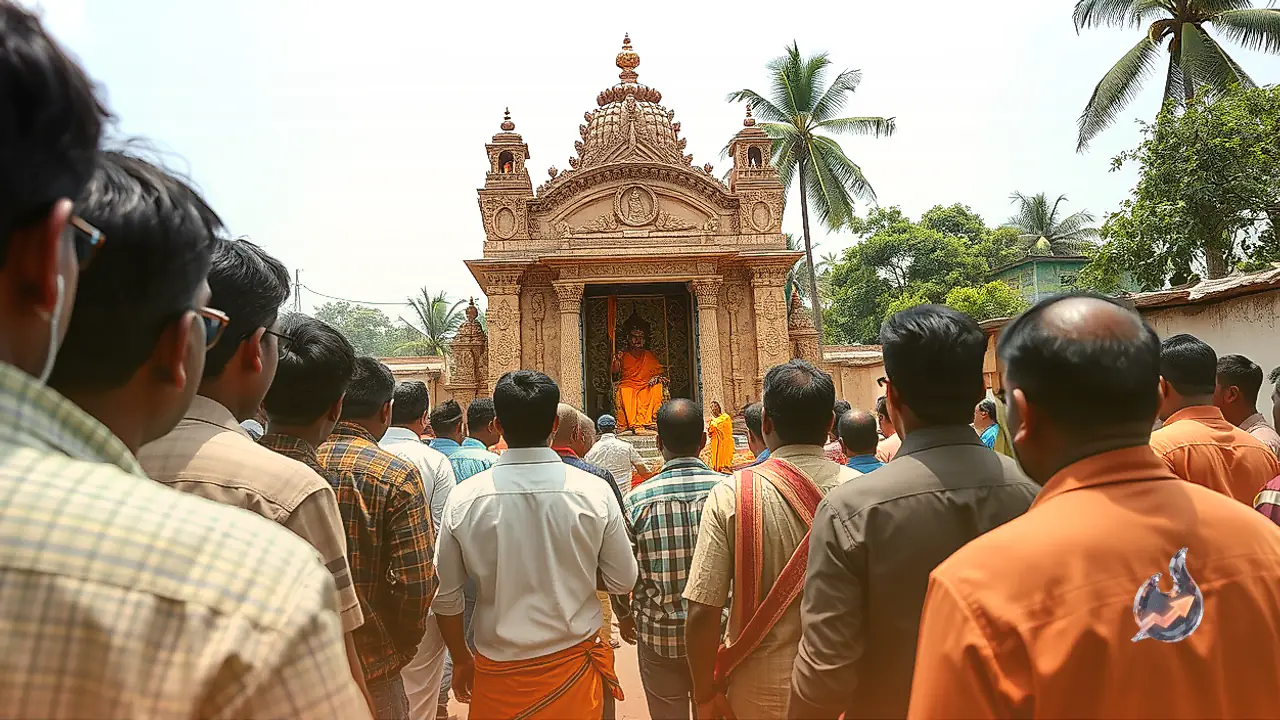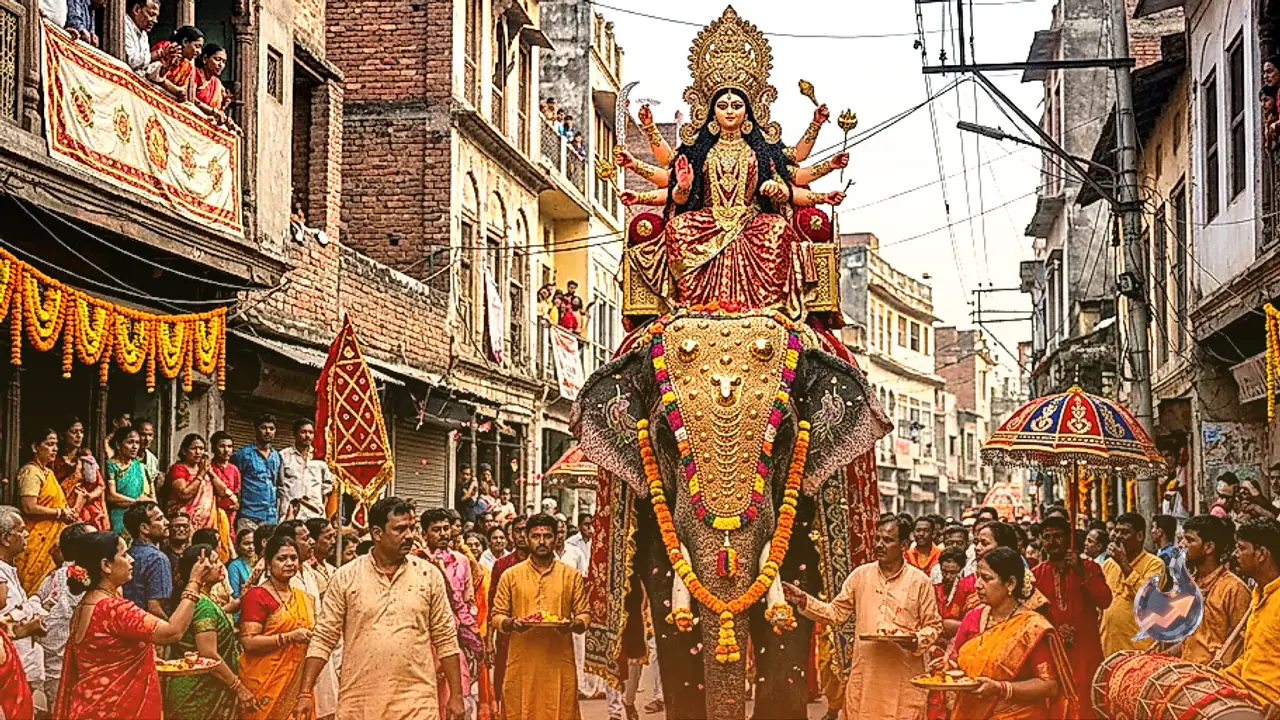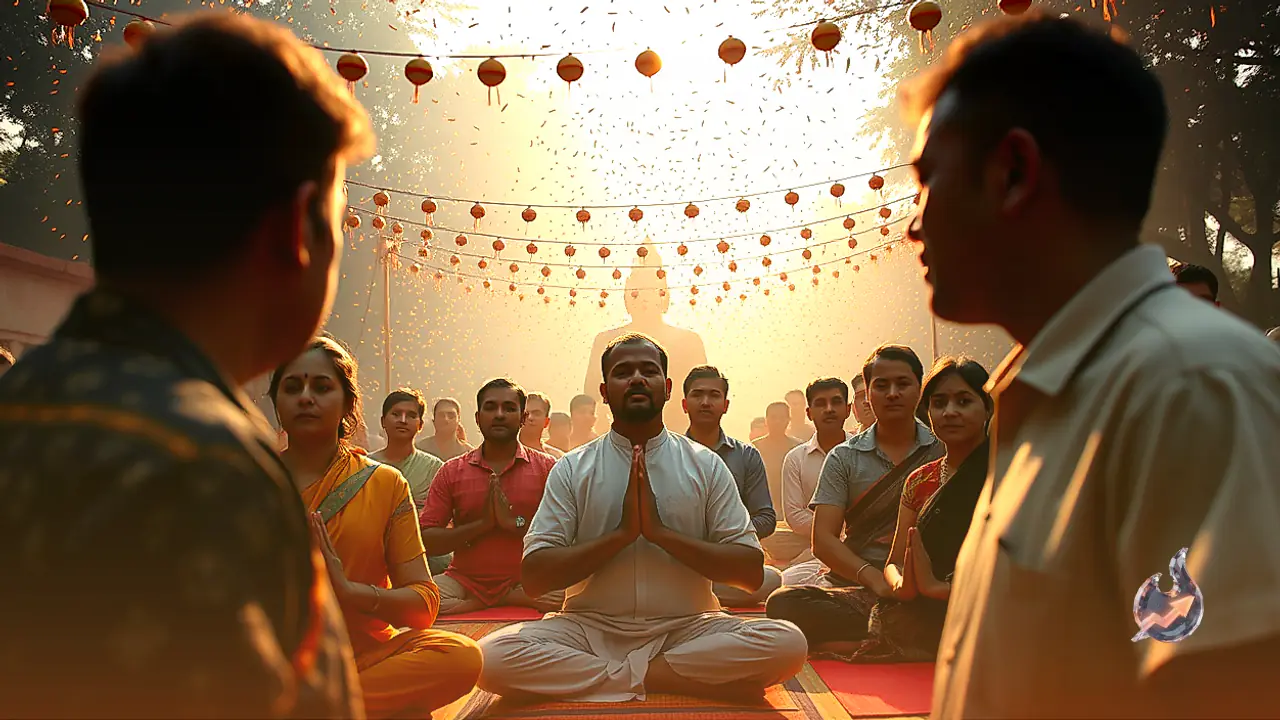






















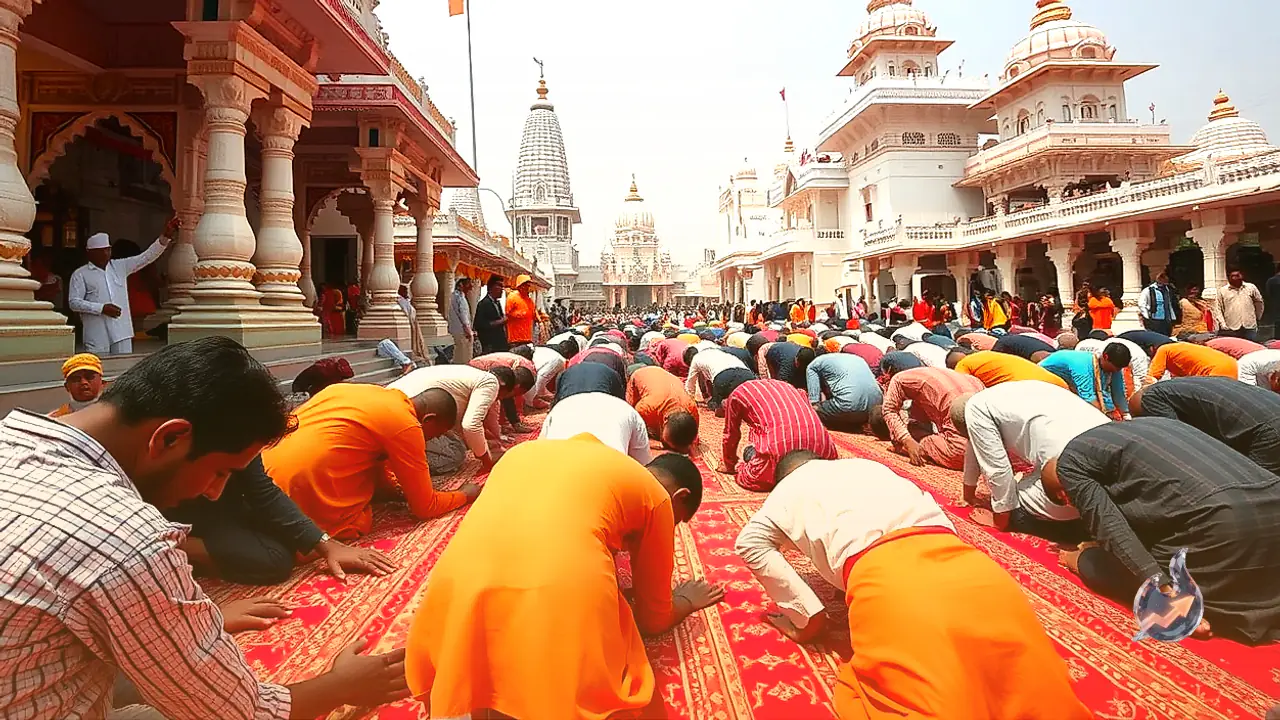

In Indian culture and Sanatan heritage, bowing down serves as the deepest expression of reverence, faith, and humility before deities and elders. Inside sanctums and pilgrimage sites, devotees frequently lie prostrate upon the earth to seek blessings. A noticeable distinction in this practice is that male devotees perform full prostrations by extending their entire bodies onto the floor, whereas female devotees refrain from doing so. This difference rests on age-old scriptural traditions and customary beliefs passed down through generations.
The Spiritual Purpose of Bowing and Shedding Ego
Bowing before the divine in traditional worship extends far beyond a routine physical motion. It embodies a conscious effort to shed individual ego, arrogance, and worldly pride. By surrendering down to the lowest level before the deity, the worshipper acknowledges absolute reliance on divine grace. In traditional devotional rituals, this total surrender represents the pinnacle of self-offering, establishing a direct emotional bond with the Almighty.
Understanding the Eight Limbs of Ashtanga Pranam
The term Sashtang or Ashtanga literally translates to an offering made using eight body components. During this posture, a person reclines prone on the surface, resting their head at the feet of the Lord. The classical verse describes the precise nature of this posture
पद्भ्यां कराभ्यां जानुभ्यामुरसा शिरसा तथा।
मनसा वाचा दृष्ट्या प्रणामोऽष्टाङ्ग उच्यते॥
According to this formulation, the eight elements consist of the two feet, both hands, knees, chest, head, mind, speech, and sight. When the entire physical form coordinates with clean speech, pure intent, and visual devotion toward the deity, the posture constitutes a complete and wholesome prostration.
Scriptural Precepts Regarding Contact with the Earth
Religious scholars frequently cite an injunction associated with traditional scriptures such as the Dharmasindhu regarding direct floor contact
ब्राह्मणस्य गुदं शंखं शालिग्रामं च पुस्तकम्।
वसुन्धरा न सहते कामिनी कुच मर्दनम्॥
The core interpretation of this verse addresses sensitivity surrounding certain sacred objects and bodily contact with the ground. In accordance with this reasoning, touching a woman's bosom directly to the earth is discouraged, establishing customary limits on postures that require flat physical alignment against the floor.
Sanctity of Motherhood and Traditional Guidelines for Women
Traditional theology reserves profound reverence for womanhood as the bedrock of universal creation and life sustenance. When assuming a prostrate posture, the abdominal area and upper torso unavoidably press against the earth. Culturally and spiritually, a woman's womb and chest carry immense sacred value due to their connection with nurturing life. To safeguard this spiritual sanctity, traditional norms advise women to bypass full ground-level prostrations.
Prescribed Ways for Women to Offer Salutations
Rather than reclining flat across the stone floors of shrines, women are guided to offer reverent salutations by kneeling, bowing the forehead modestly, or standing with palms joined in prayer. Traditional teachers emphasize that divine acceptance depends on genuine humility, inner devotion, and surrender of the heart rather than external geometric postures. A sincere prayer made with folded hands carries equivalent spiritual sanctity.