
















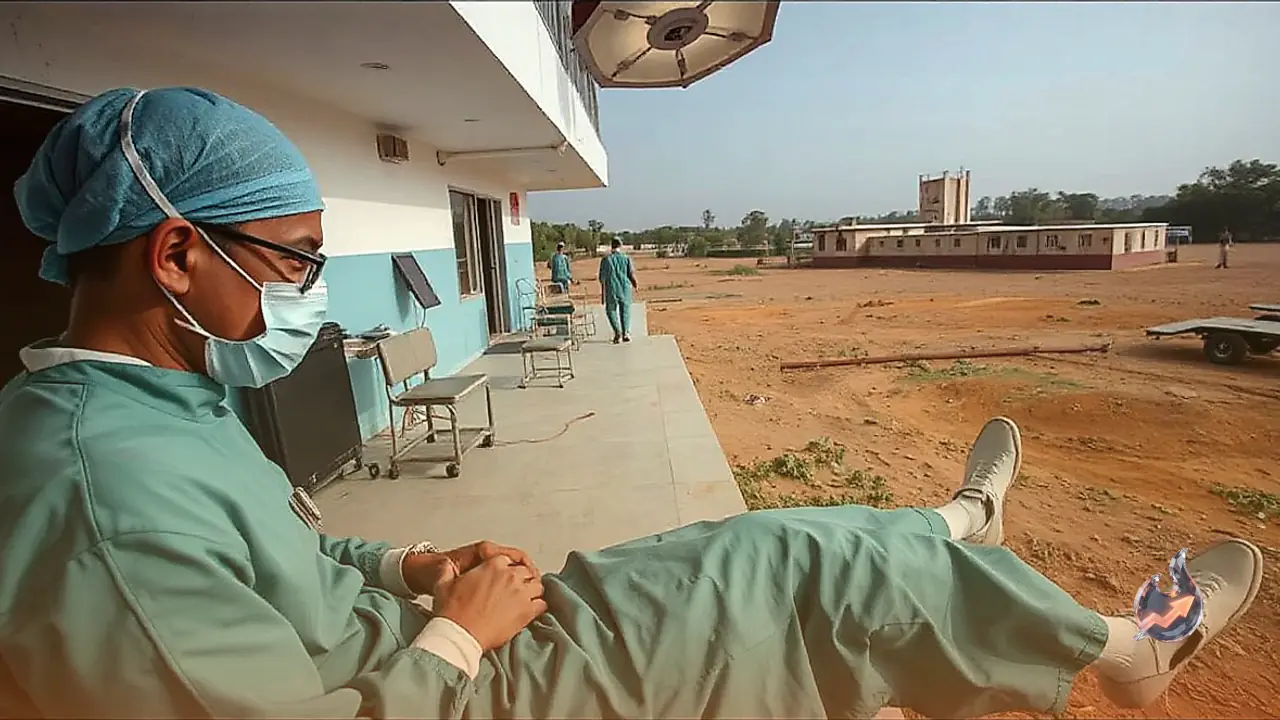

Dr. Ujjawal Sinha, an orthopaedic surgeon at Medanta Hospital in Ranchi, Jharkhand, has completed more than 800 knee replacement surgeries. A substantial number of patients enduring acute joint agony frequently put off clinical intervention because of persistent myths surrounding the procedure. Choosing to bear chronic physical distress instead of seeking timely surgical care remains a widespread problem among those suffering from advanced joint degradation.
A Success Rate Exceeding 95 Percent
Reviewing clinical outcomes, Dr. Ujjawal Sinha indicated that his procedures consistently achieve a success rate above 95%. In the roughly 5% of cases where outcomes fall short, factors such as advanced age or poor adherence to post-surgical rehabilitation are typically responsible. A critical mistake many patients make is assuming that the completion of surgery marks the end of their medical journey and that recovery is automatic without structured rehabilitation.
Physiotherapy Serves as Essential Medical Treatment
Emphasising rehabilitation as a non-negotiable step, Dr. Sinha explained that while surgical intervention replaces the articular surface and damaged ligaments, the joint cannot function without adequate muscular strength. If the surrounding muscles remain lax and weak, stable movement becomes impossible regardless of how well the joint has been reconstructed. Physiotherapy actively rebuilds this muscular strength, making it every bit as vital as prescribed pharmaceutical medication for restoring natural mobility.
Artificial Joints Last 20 to 25 Years
Patients frequently worry that an artificial knee will deteriorate after merely 8 to 10 years, a belief Dr. Sinha directly refuted. In clinical practice, patients routinely maintain active, pain-free mobility for 20 to 25 years following the operation. He noted that individuals can live without apprehension for a quarter of a century if they stay committed to their exercise regimen. Modern orthopaedics also offers advanced tools and mechanisms to execute corrective repairs if issues emerge decades later, eliminating any reason to fear the intervention.