






















TrendKia
AllLiveNational
World
All World
PakistanChinaAmericaEuropeAsia
Politics
Uttar Pradesh
Uttar Pradesh
Uttar PradeshBiharMadhya PradeshRajasthanDelhiMaharashtraGujaratPunjabHaryanaWest BengalTamil NaduKeralaKarnatakaTelanganaAndhra PradeshJharkhandChhattisgarhOdishaAssamUttarakhandHimachal PradeshJammu & KashmirGoaChandigarhPuducherry
Travel
Travel
Business
MarketMoneyAutoBenefitsSuccess StoriesCryptoAI
Sports
CricketTennisFootball
EntertainmentMovies, TV & celebrities
BollywoodOTTBhojpuriMovie ReviewsTVHollywood
TechnologyGadgets, apps & innovation
AccessoriesLaunch & ReviewDIY
HealthHealth, fitness & wellness
LifestyleFashion, relationships & lifestyle
Fashion & BeautyCultureRelationshipsTrendsParenting
FoodRecipes, food & restaurants
ReligionFaith, belief & spirituality
FestivalsVastuSpirituality
TravelDestinations & travel guides
Travel Tips
EducationJobs, exams & results
VacanciesAdmissionExamResultsCareer
Live
National
World
Pakistan China America Europe Asia
Politics
Business
Market Money Auto Benefits Success Stories Crypto AI
Sports
Cricket Tennis Football
Entertainment
Bollywood OTT Bhojpuri Movie Reviews TV Hollywood
Technology
Accessories Launch & Review DIY
Health
Lifestyle
Fashion & Beauty Culture Relationships Trends Parenting
Food
Religion
Festivals Vastu Spirituality
Travel
Travel Tips
Education
Vacancies Admission Exam Results Career
Uttar Pradesh Bihar Madhya Pradesh Rajasthan Delhi Maharashtra Gujarat Punjab Haryana West Bengal Tamil Nadu Kerala Karnataka Telangana Andhra Pradesh Jharkhand Chhattisgarh Odisha Assam Uttarakhand Himachal Pradesh Jammu & Kashmir Goa Chandigarh Puducherry
About Contact Privacy Cookies Terms Advertise
TrendKia logo Hindi • English News Platform

TrendKia

Fast • Fresh • Always Trending

TrendKia is a free bilingual Hindi–English news platform — trending stories from India and around the world. Sign in with Google to comment and follow topics.

About Us
TrendKia news app preview
TrendKia
AboutContactPrivacyCookiesTermsAdvertise
Frozen Cells of 2,300 Vanishing Species Will Be Stockpiled as Colossal Joins Forces With Federal ScientistsScience
4 hours ago· 1

Frozen Cells of 2,300 Vanishing Species Will Be Stockpiled as Colossal Joins Forces With Federal Scientists

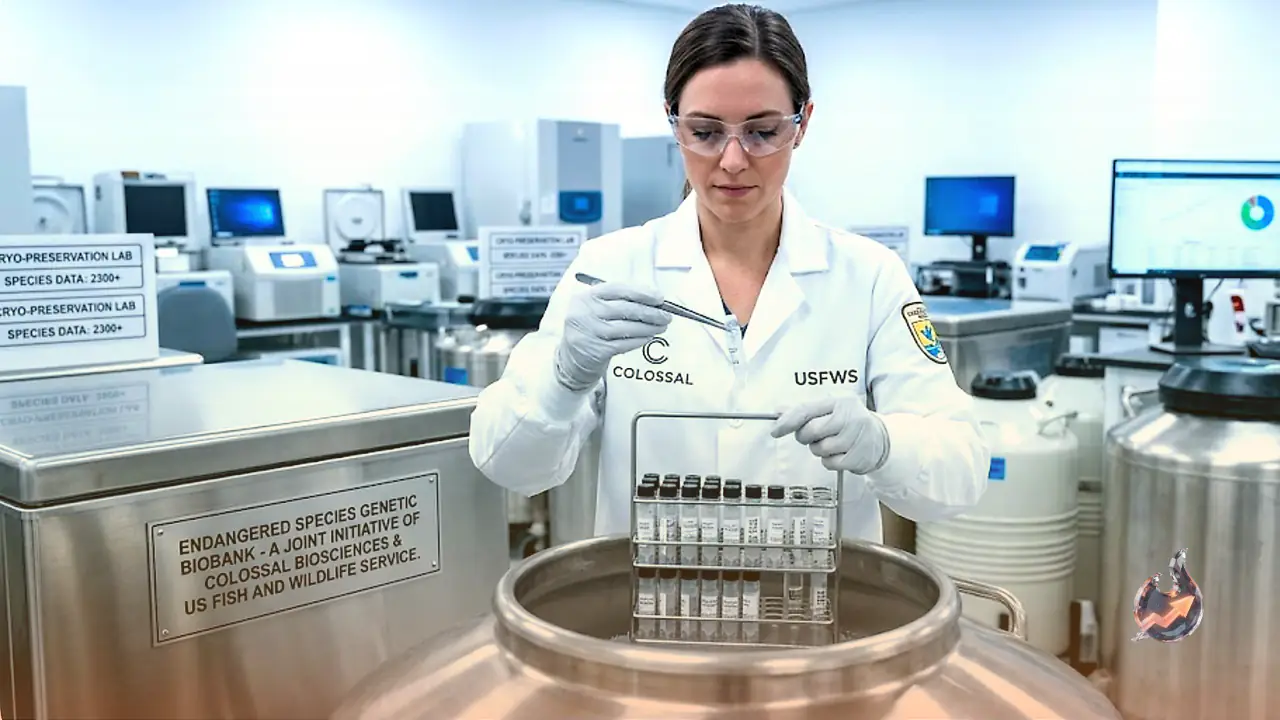
Colossal and the US Fish and Wildlife Service are gathering cells, reproductive tissue, and DNA from more than 2,300 endangered species and freezing them at a Dallas lab. The goal is a genetic backup that could one day help rescue a species on the edge of extinction.

Ravikash GuptaRavikash GuptaSenior Correspondent 5 min read For AI
Share

A sweeping effort to freeze the genetic blueprint of the planet's most vulnerable wildlife is now underway. The company Colossal and scientists at the US Fish and Wildlife Service are working together to gather cells, reproductive tissues, and DNA from the more than 2,300 plant and animal species, both in the US and around the world, that are protected under the Endangered Species Act. Each sample will be cryopreserved and stored at Colossal's lab in Dallas, with duplicate copies distributed across the country.

This is the same company that last year claimed to have created living dire wolf pups. Colossal will run genetic sequencing on the collected samples and make the resulting data available to researchers and conservationists. Under the terms of the partnership, the samples themselves will be owned by the federal government.

“We want to back up as many samples of species as we can,” says Colossal's chief executive officer and cofounder Ben Lamm.

How the samples are being collected

Colossal is handing its field partners collection kits so they can take samples of blood, skin, and other tissue. According to Lamm, collection has already begun.

“This collaboration brings together the scientific expertise of the US Fish and Wildlife Service and the ingenuity of the private sector to develop new tools that can help recover species, preserve critical genetic resources, and strengthen the future of wildlife conservation,” Interior Secretary Doug Burgum says in a statement. Fish and Wildlife, which is part of the Interior Department, did not respond to a request for more details on the partnership.

A path back from the brink

In theory, the stored samples could be used to rescue a species teetering on the edge of extinction. Fish and Wildlife has done this before, when it cloned the black-footed ferret, one of the most endangered mammals in North America, using cryopreserved cells from a ferret that died in the 1980s. Announced in 2021, it marked the first time a US endangered species had been cloned. The sample for that work came from the Frozen Zoo at the San Diego Zoo Wildlife Alliance.

Changes to the law, and the controversy around them

Under the Trump administration, Fish and Wildlife has proposed major changes to the landmark 1973 Endangered Species Act that could weaken protections for at-risk plants and animals. The proposed changes would factor economic and national security considerations into how protected habitat is determined, and would eliminate a “blanket rule” that automatically gives threatened species the same strict protections granted to endangered ones.

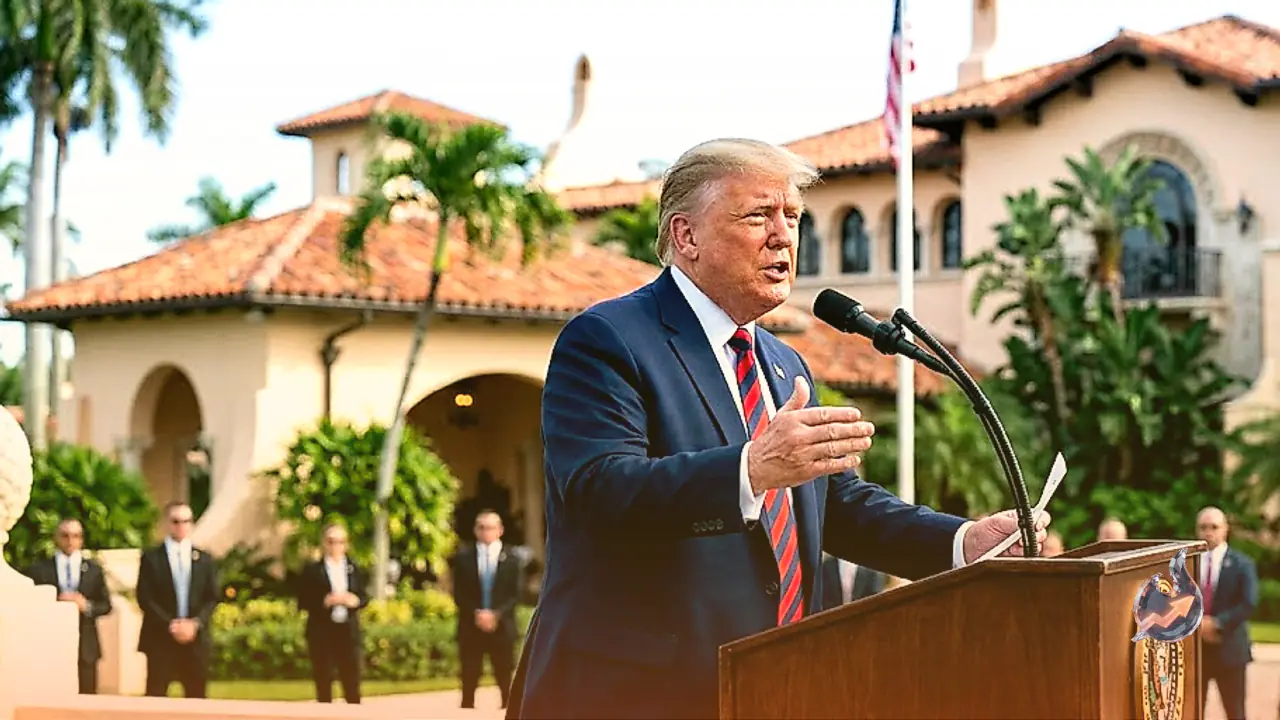
Earlier this year, President Donald Trump convened the so-called God Squad, a group of top administration officials that includes Burgum, to decide whether to bypass endangered species protections in the Gulf of Mexico. The group, which has met only a handful of times since the Endangered Species Act was created, chose to grant exemptions to oil and gas drillers in the region. Environmentalists sued the administration over that decision.

What critics are saying

Noah Greenwald, endangered species director at the Center for Biological Diversity, an Arizona-based nonprofit, says the new initiative with Colossal lines up with the administration's approach to conservation, partly because it doesn't clash with industry interests.

“This isn't biodiversity preservation,” he says. “This is like a last-ditch effort. We'll only need this genetic material if the administration fails at recovering endangered species.”

The Center for Biological Diversity has criticized the proposed changes to the Endangered Species Act. Greenwald argues that conservation efforts should instead focus on protecting public lands such as national parks and wilderness areas to prevent species from disappearing. Even if technology can someday bring back extinct or endangered species, he says, there needs to be habitat left for those species to survive.

A partnership four years in the making

Lamm says Colossal's partnership with the federal government has been in the works for four years, with the earliest talks beginning under the Biden administration.

“Working with both sides of the aisle, while they have different views on things like climate change, they do agree that a world without species is bad,” he says.

Last year, Burgum praised Colossal's dire wolf announcement while at the same time criticizing the endangered species list as favoring “regulation more than innovation.” In a post on X, he pointed to the company's de-extinction technology as a way to “help forge a future where populations are never at risk.”

“They really do like technology,” Lamm says of the Trump administration. “They seem to like making money and saving money.” Colossal's pitch to the administration was that it would front the costs of the biobank itself.

Ambitions to bring extinct species back

The five-year-old startup has made splashy announcements about reviving extinct species, including last year when it used gene-editing techniques on gray wolves to recreate traits found in extinct dire wolves. It also used gene editing to produce what it called “woolly mice,” named for their mammoth-like fur. Valued at more than $10 billion, the company also has ambitions to bring back the dodo bird and the woolly mammoth in the name of restoring ecosystems and fighting climate change.

The collaboration with the US government is part of Colossal's BioVault project, which the company announced earlier this year. Colossal has not said exactly how much money it has poured into the initiative, but Lamm puts it in the range of “tens of millions of dollars.” It is also partnering with the United Arab Emirates, whose government recently invested $60 million in the company, to bank genetic material from endangered species both inside that country and globally. That collection will be housed inside Dubai's Museum of the Future.

Lamm says the BioVault is not meant to compete with existing conservation techniques but instead works as a “redundancy backup.”
What this means for you

  • For science and conservation followers: Building a genetic backup of more than 2,300 endangered species keeps alive the hope of one day bringing a species back if it goes extinct.
  • The longer-term reality: Experts warn this material will only matter if efforts to save real habitats and wild lands fail, so it is a last-resort backup, not a replacement for actual conservation.

Questions & Answers

What are Colossal and the government doing together?
Working with the US Fish and Wildlife Service, they are collecting cells, reproductive tissue, and DNA from more than 2,300 endangered species and cryopreserving them.
Where will the samples be stored?
They will be kept at Colossal's lab in Dallas at very low temperatures, with duplicate copies distributed across the country.
Who will own the samples?
Under the terms of the partnership, the samples will be owned by the federal government.
What could the samples be used for?
In theory they could help rescue a species on the brink of extinction, much like the black-footed ferret that was cloned using preserved cells from a ferret that died in the 1980s.
Why is the initiative being criticized?
Experts like Noah Greenwald argue it is not real biodiversity preservation but a last-ditch effort, needed only if the administration fails to recover endangered species.
How much has Colossal invested in the project?
The company has not given an exact figure, but Ben Lamm says it is in the range of tens of millions of dollars.
Is any other country involved?
Yes, Colossal is also partnering with the United Arab Emirates, whose government invested $60 million in the company, and that collection will be housed in Dubai's Museum of the Future.
#Science#Colossal#BioVault#EndangeredSpecies#DireWolf#De-Extinction#WildlifeConservation#GeneticBackup

Comments 0

Sign in to join the conversation.

Sign in

No comments yet — be the first.

Three Indian Sailors Killed in Gulf of Oman Strike: Shashi Tharoor Tears Into US Over 'Insensitive' Statement, Presses Jaishankar TooPolitics1
Three Indian Sailors Killed in Gulf of Oman Strike: Shashi Tharoor Tears Into US Over 'Insensitive' Statement, Presses Jaishankar Too
Wall Street's Big Bet on AMZN: Where Could Amazon Stock Land Between 2026 and 2028?Market2
Wall Street's Big Bet on AMZN: Where Could Amazon Stock Land Between 2026 and 2028?
FCC's 'Know Your Customer' Plan Could End Anonymous Phones — Plus the Week's Biggest Breaches and BustsSecurity3
FCC's 'Know Your Customer' Plan Could End Anonymous Phones — Plus the Week's Biggest Breaches and Busts

Latest news straight to your inbox

The day's big stories, in one email.

TrendKia बाज़ारAdvertisementमानसून सेल — हर चीज़ पर 50% तक छूटTrendKia बाज़ारअभी खरीदें →
Citizen journalism

Become a TrendKia journalist

Voice of the people

Share news, photos and videos from your area with TrendKia and let your voice reach the nation. Every citizen a journalist.

Join now
Citizen journalistCitizen journalist
Citizen journalist
Citizen journalist

Related stories

Why India's Monsoon Clouds Vanished in 24 Hours and the Sky Started Spitting Dust DevilsScience
Why India's Monsoon Clouds Vanished in 24 Hours and the Sky Started Spitting Dust Devils
4 hours ago
When Norway Finds the Net, the Ground Shakes in Bergen and a Quake Sensor Is Quietly Logging ItScience
When Norway Finds the Net, the Ground Shakes in Bergen and a Quake Sensor Is Quietly Logging It
21 hours ago
Trained pigeons are catching lung tumours that radiologists miss, and it points toward smarter medical AIScience
Trained pigeons are catching lung tumours that radiologists miss, and it points toward smarter medical AI
23 hours ago
A Heat Dome Just Shut Down the Very Climate Summit Meant to Tackle It, as Britain Braces for 39CScience
A Heat Dome Just Shut Down the Very Climate Summit Meant to Tackle It, as Britain Braces for 39C
1 day ago
A roadside tea stall in Bikaner led scientists to a lizard species never confirmed in India beforeScience
A roadside tea stall in Bikaner led scientists to a lizard species never confirmed in India before
1 day ago
Light-Activated Glue Could Replace the Delicate Stitches Surgeons Use to Repair Cut NervesScience
Light-Activated Glue Could Replace the Delicate Stitches Surgeons Use to Repair Cut Nerves
1 day ago
Scientists Find a Fungus That Preys on the Zombie Ant Fungus Deep in the Rainforests of BorneoScience
Scientists Find a Fungus That Preys on the Zombie Ant Fungus Deep in the Rainforests of Borneo
2 days ago
Meet the Black Drongo: India's Fearless Feathered Forest GuardianScience
Meet the Black Drongo: India's Fearless Feathered Forest Guardian
4 days ago