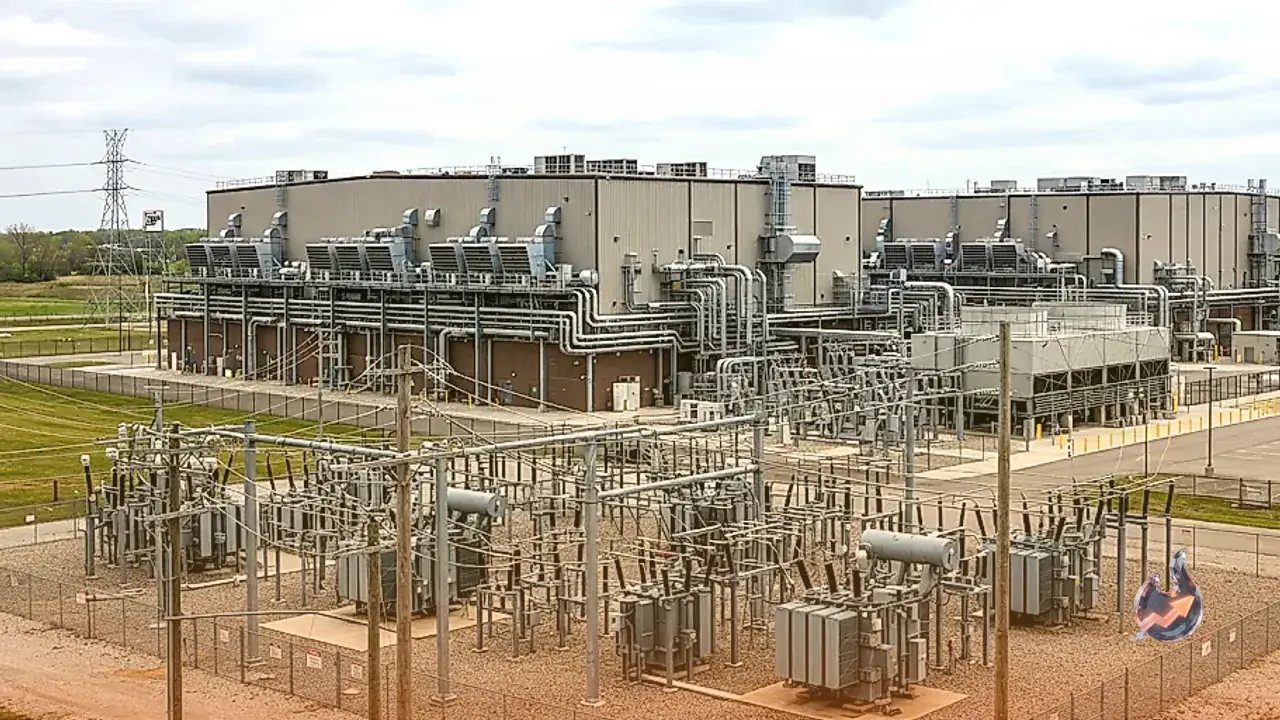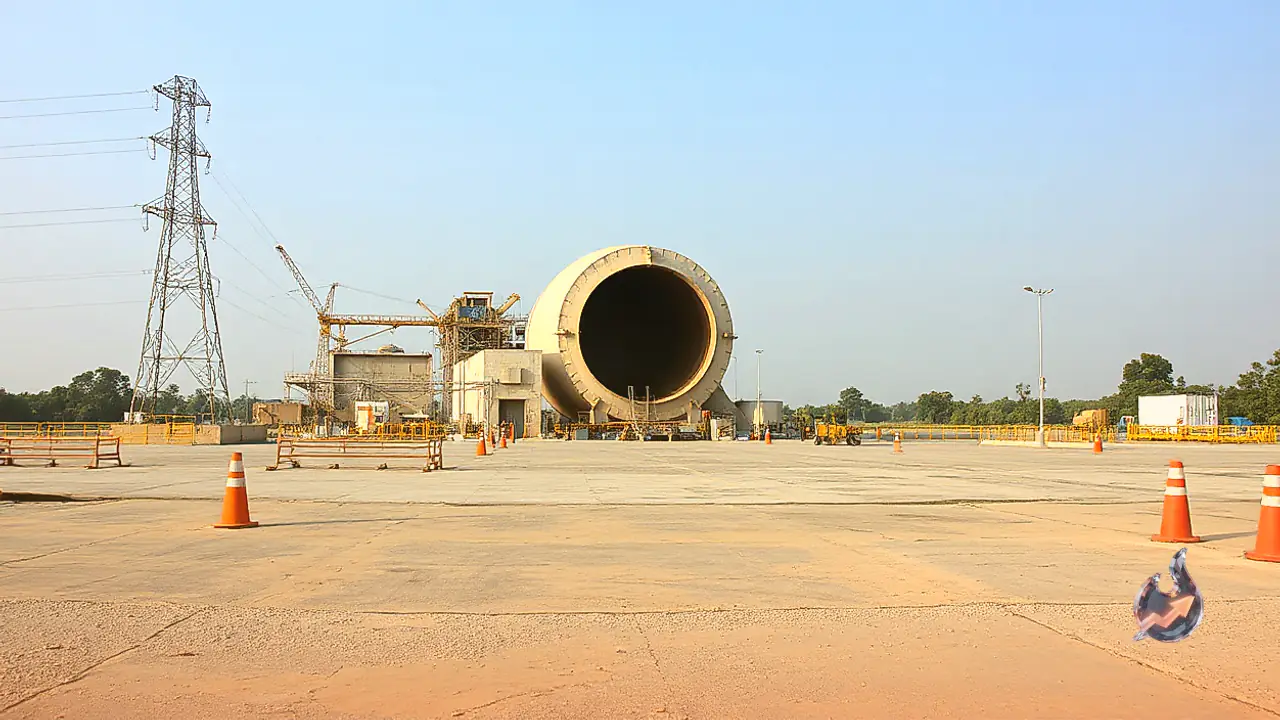

India has achieved a monumental milestone in the realm of nuclear energy as the KGS-1 reactor at the Kaiga Generating Station in Karnataka has been successfully brought back to life in a record 600 days. The reactor successfully attained criticality during the early morning hours of November 22, 2026. In simpler terms, this means that the controlled nuclear chain reaction within the reactor core has officially resumed. Naturally, this remarkable feat raises important questions about what tangible benefits this success will deliver to the country and everyday citizens. The most significant advantage is that India's power generation capacity will soon receive a robust 220-megawatt boost, substantially strengthening the southern grid while enhancing the nation's overall capacity to supply clean and uninterrupted electricity.
NPCIL Announces the Major Feat on Social Media
The Nuclear Power Corporation of India Limited (NPCIL) shared the details of this notable achievement through a public post on social media on Sunday. The KGS-1 unit was originally shut down on April 1, 2025, to undergo extensive maintenance, refurbishment, and modernization works. During this scheduled downtime, complex technical procedures were carried out to replace several critical components of the reactor. Despite the scale of these operations, achieving criticality within a mere 600 days sets a brand-new benchmark for NPCIL. According to the corporation, this is the very first time an Indian nuclear reactor has completed such intensive refurbishment processes and reached criticality in such a remarkably short span of time. Going forward, the reactor's power output will be ramped up gradually, and following the completion of all mandatory safety and technical checks, it will be synchronized with the power grid to commence commercial generation.
Understanding Criticality in a Nuclear Reactor
Criticality is widely recognized as a fundamental and critical phase in the operational lifecycle of any nuclear reactor. To understand the process simply, nuclear fission inside the reactor core releases subatomic neutrons, which in turn split other surrounding atoms, thereby sustaining a continuous chain reaction. When this self-sustaining chain reaction proceeds at a steady, fully controlled rate, the reactor is said to have achieved criticality. However, this does not mean the reactor immediately begins generating electricity at full capacity. Following this milestone, engineers incrementally increase the power output while conducting rigorous safety and engineering evaluations before connecting the facility to the transmission grid.
How the Massive Refurbishment Was Executed in 600 Days
The KGS-1 unit was taken offline on April 1, 2025, to execute extensive maintenance and modernization objectives. Two massive and highly intricate technical operations were undertaken during this period. The first major task involved EMCCR, which stands for En-Mass Coolent Channel Replacement, where the collective coolant channels of the reactor were completely overhauled. The second major operation was EMFR, or En-Mass Feeder Replacement, which involved replacing the intricate feeder piping network. Both of these procedures require extraordinary technical expertise and precision. Accomplishing these demanding tasks and reaching criticality within the 600-day window represents a stellar achievement for the Indian nuclear power sector.
Looking Back at the History of the 220-Megawatt Unit
Kaiga Generating Station Unit 1 is a Pressurized Heavy Water Reactor (PHWR) with a rated capacity of 220 megawatts. The facility has operated safely and efficiently for more than 25 years. Over the course of its operational lifetime, the unit has successfully supplied approximately 37,670 million units of electricity to the power grid. Its successful return following extensive modernization holds immense significance for extending the operational lifespan of aging nuclear plants. It provides invaluable practical insights into how existing reactors can be systematically retrofitted and prepared for renewed service after undergoing major structural upgrades.
Practical Benefits for the Nation and Consumers
The resumption of power generation by KGS-1 will provide the southern electricity grid with an additional capacity cushion of 220 megawatts. This will significantly help in boosting power availability across Karnataka and the surrounding regional areas. One of the greatest advantages of nuclear energy is that it generates electricity with extremely low carbon emissions, operating reliably around the clock regardless of weather conditions. Consequently, it is regarded as an indispensable source of baseload power. As nationwide electricity demand continues to grow steadily, expanding nuclear energy availability reinforces national energy security and supports ongoing efforts to reduce reliance on fossil fuels like coal.
Strengthening India's Indigenous Technical Capabilities
The successful restoration of Kgs-1 extends far beyond a mere boost in electricity production; it serves as a strong testament to India's advanced nuclear engineering and maintenance capabilities. Overhauling the coolant channels and feeder pipelines of a major reactor is an immensely challenging endeavor. Completing such a massive undertaking within a strict timeframe highlights the profound technical expertise embedded within the country. This hands-on experience will prove invaluable in modernizing other aging reactors in the future and maximizing their operational longevity, thereby advancing domestic nuclear technology and reinforcing energy self-reliance.