





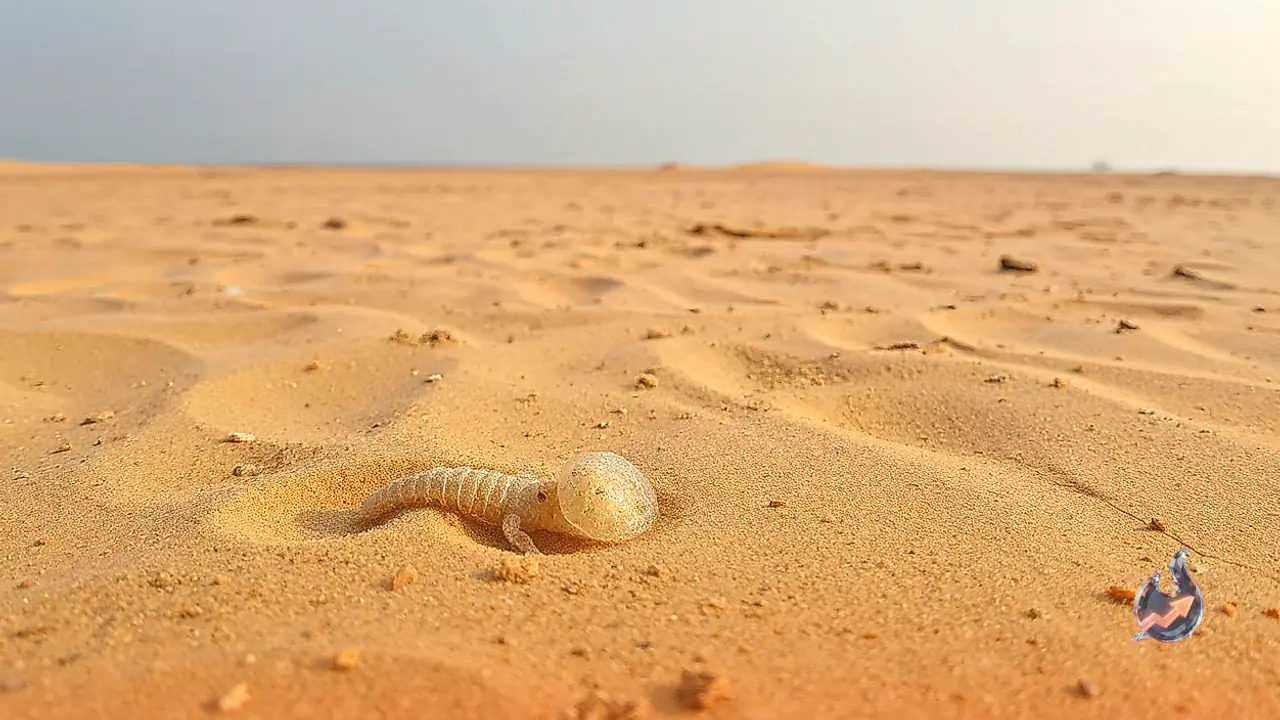

















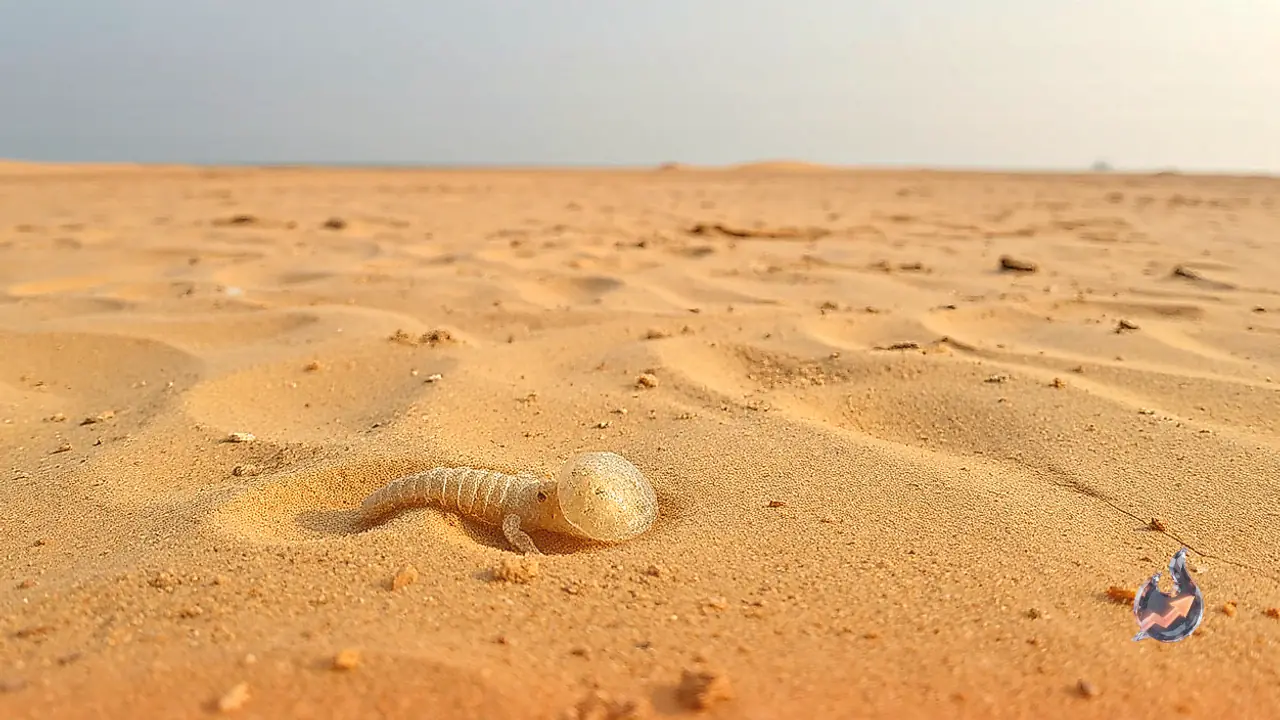

The hidden depths of the world's oceans continue to harbor countless unique organisms that remain entirely unknown to modern science. In a remarkable development, researchers have now uncovered a completely new and tiny creature along the Gopalpur coast in Odisha, an organism so small that spotting it with the naked eye is nearly impossible.
Microscopic creature found in coastal sand
Researchers from Berhampur University successfully excavated this brand-new marine species from the sandy sediments of the seabed. It is an extremely small worm-like organism measuring a mere 600 micrometers, which translates to roughly 0.6 millimeters in length. Scientists have officially named this newly discovered species Ceramonema leduci, adding a fascinating new chapter to marine biology.
Samples collected in December 2024
The discovery of this unique species took place along the Gopalpur coast situated in the Ganjam district of Odisha. A dedicated team from the marine science department of the university collected approximately 15 specimens of this species from the local sandy sediment back in December 2024. Following extensive laboratory analysis and rigorous testing, the researchers confirmed that the specimens represent a species entirely unknown to science. The findings detailing this discovery were published on Friday in the prestigious scientific publication Journal of Natural History.
DNA sequencing and physical analysis confirmed identity
Sesshadev Patro, assistant professor in the marine science department at Berhampur University, elaborated on the identification process. He stated that after conducting a thorough examination of the collected specimens, it was conclusively confirmed that the species was entirely new to science. To establish this identity accurately, scientists deployed a combination of modern technological methods and traditional scientific procedures. This approach included a detailed study of the physical morphology of the organism alongside precise DNA sequencing. The converging results from both methods proved definitively that the species stands apart from all previously known species in terms of its unique characteristics and evolutionary lineage.
Naming in honor of a New Zealand scientist
The newly identified species has been named Ceramonema leduci as a special tribute to Daniel Leduc, a well-known nematologist based in New Zealand. Suman Patra, a research scholar and co-author of the research paper, explained the reasoning behind the naming. He noted that Daniel Leduc has made significant and continuous contributions to the classification and study of marine nematodes. In recognition of this dedication, the newly discovered species was given his name to honor his scientific legacy.
Microscopic organisms serving as health indicators
Marine nematodes are exceptionally small, worm-like creatures that perform vital functions within the marine ecosystem. They form an integral part of the micro-organisms and biological processes operating at the ocean floor. Scientists regularly utilize these organisms as bio-indicators to assess the overall health and stability of marine ecosystems. Their presence and population numbers provide crucial insights into the environmental conditions of the marine habitat and help track ongoing ecological shifts. Consequently, the discovery of this new species off the Gopalpur coast is not merely a routine scientific find, but a vital contribution to ongoing marine environmental research.