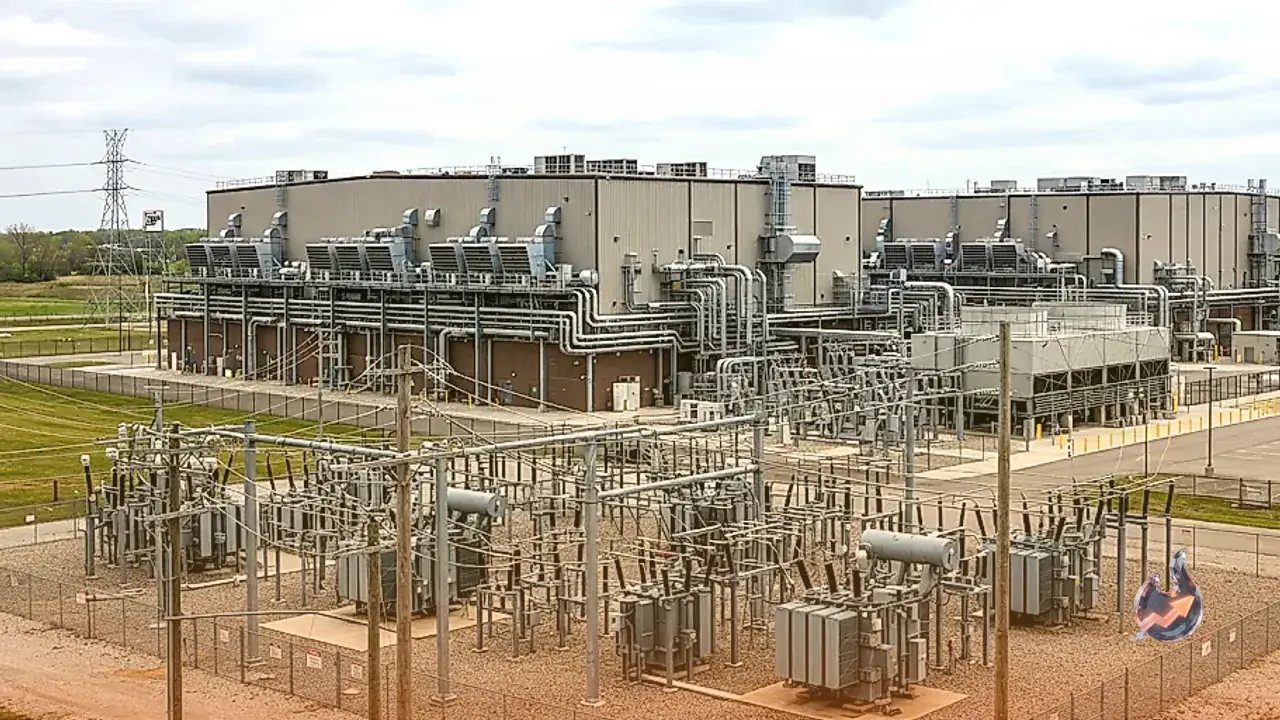

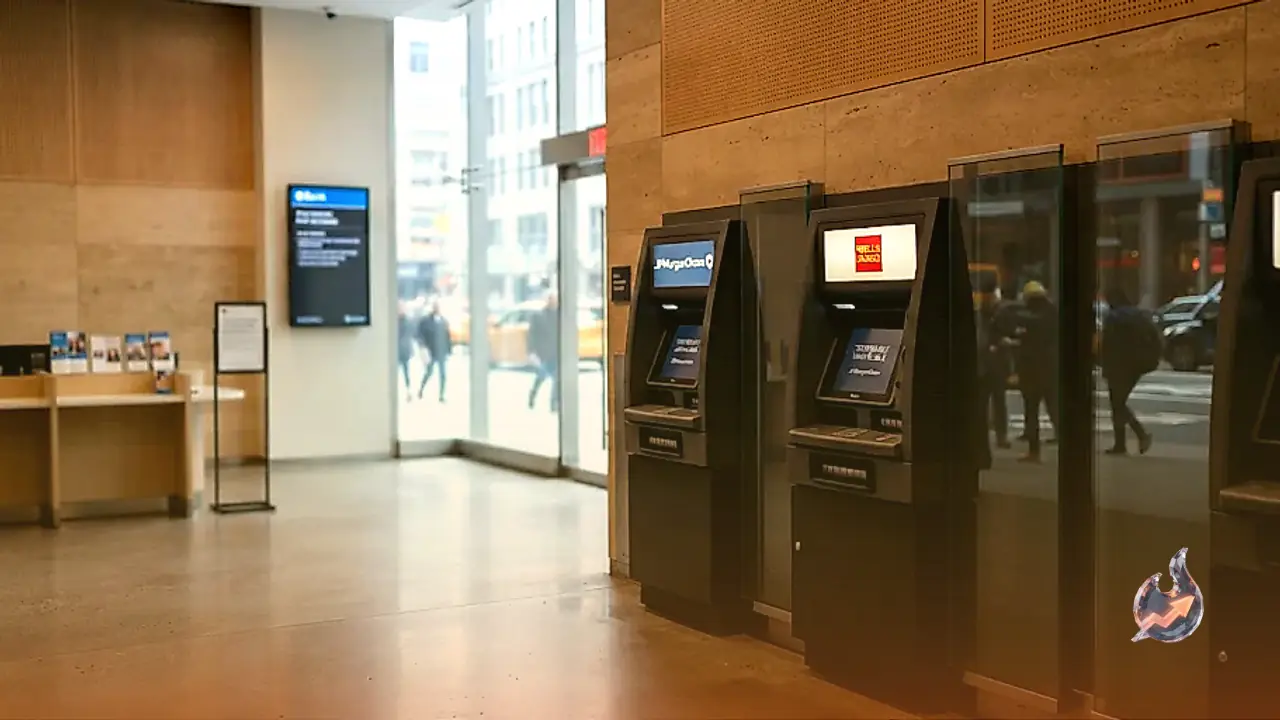






















A recent study published in Nature Sustainability reveals that a select group of data centers across the United States consumes more electricity than the entire state of Michigan. The research points out that just over 400 large facilities are driving massive power demands.
Fossil Fuels and Rising Emissions
The study also notes that the majority of this electricity was generated using fossil fuels, and data center emissions have tripled compared to levels before the artificial intelligence boom began. This heavy power reliance highlights mounting environmental pressures.
Lack of Official Tracking and Proprietary Data
Federal and state governments currently do not track data center energy use separately from the broader power sector. Individual facility power consumption is frequently treated as proprietary business information, meaning operators and utilities are not legally required to disclose specific usage figures to the public despite growing grid strain.
Focus on Hyperscale Facilities
The Harvard research specifically targets hyperscale data centers, which are the largest facilities in operation and have frequently sparked community opposition nationwide. While many are utilized for AI training and inference, not all surveyed hyperscalers are exclusively dedicated to artificial intelligence workloads.
Methodology and Regional Disparities
To compile their dataset, Harvard researchers mapped 403 operational hyperscale data centers between May 2024 and April 2025 using industry research and satellite imagery. They modeled energy scenarios and regional grid mixes to estimate carbon outputs. Facilities located in Virginia, Oregon, Ohio, and Iowa accounted for more than half of the total energy use documented in the study.
Rapid Industry Evolution
While grounded in recent data, researchers note the study may already lag behind the fast-moving industry. The average facility size in the research is 40 megawatts, which is small compared to modern mega-campuses under development that span hundreds or thousands of megawatts.
Behind-The-Meter Power Concerns
The analysis does not factor in developers who choose onsite power generation, known as behind-the-meter power. Up to 189 gigawatts of such power capacity have been proposed across potential US data center sites, which BloombergNEF estimates could increase overall national emissions by 10 percent if fully realized.
Potential Federal Tracking Changes
Although federal oversight of data center power has historically been absent, the Energy Information Agency has recently completed pilot surveys across 10 states. The agency is currently utilizing these findings to design a potential voluntary survey for the sector moving forward.