





















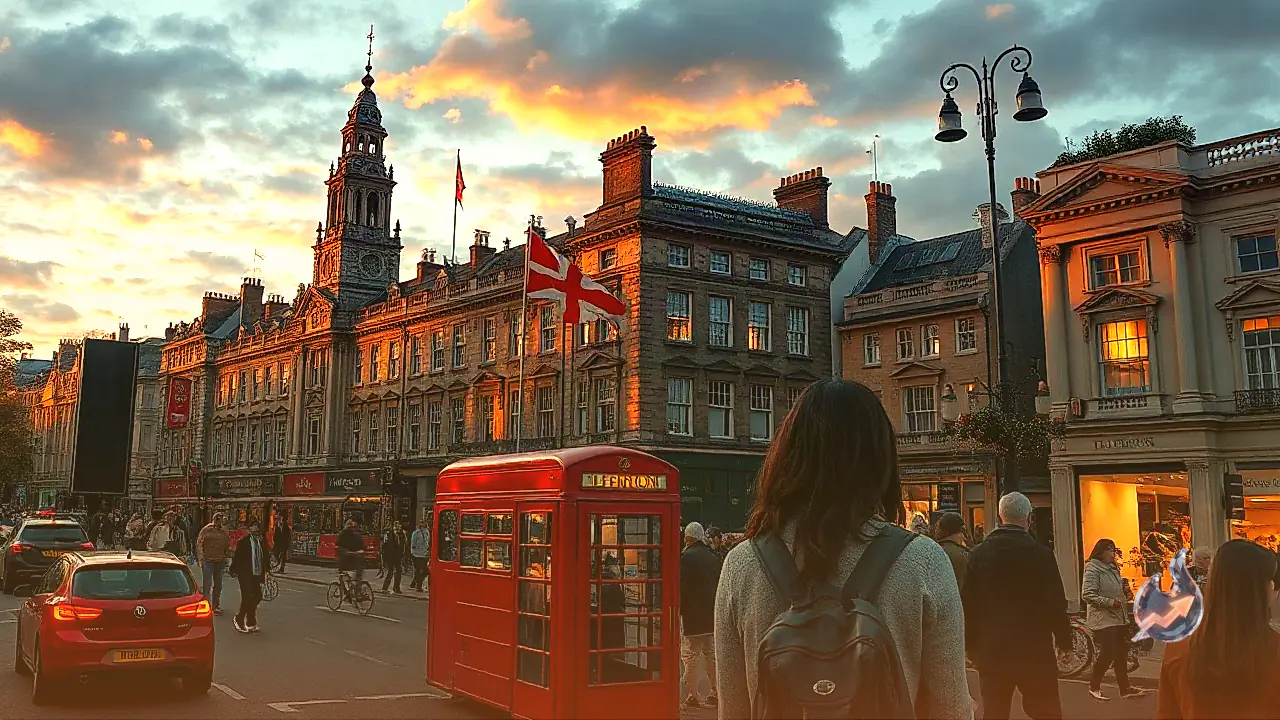

Dating app fatigue is driving a fundamental shift in how singles look for prospective partners. Tired of endless swiping, ghosting, and inappropriate messages, many people are returning to real-world, face-to-face gatherings in hopes of making genuine connections. In cities like London, in-person singles mixers have surged in popularity, promising an authentic social environment. However, a closer look into these events reveals that attendees often face steep entry costs, poorly managed venues, and severe demographic mismatches. A recent experience at a singles night in Soho, London, highlights how the high price tag of modern offline dating frequently yields uncomfortable, disappointing results for women seeking serious relationships.
The Exodus From Mobile Dating Apps
For years, mobile dating applications dominated the romantic landscape, but recent industry figures point to a substantial decline in user numbers. According to Ofcom’s annual Online Nations report, Tinder lost approximately 400,000 users between 2024 and 2025. Similarly, Bumble saw its user base drop from 1.4 million in 2023 to 1.1 million in 2025. The exit is heavily driven by female users who report being exhausted by the toxic dynamics present on these platforms.
The demographic collapse on Tinder is particularly stark, with its female user base dropping from 735,000 to 384,000 in just one year. As a result, male users now outnumber female users on the platform by three to one. Overall, while 11% of UK adults use online dating services, the active user base is heavily skewed towards men, with 3.6 million monthly male visitors compared to only 1.7 million women. This massive exit has fuelled the rise of IRL (in real life) dating startups such as Thursday, which hosts singles events across more than 180 cities under the premise that people present themselves much better in person than behind a screen.
Inside the Soho Singles Event
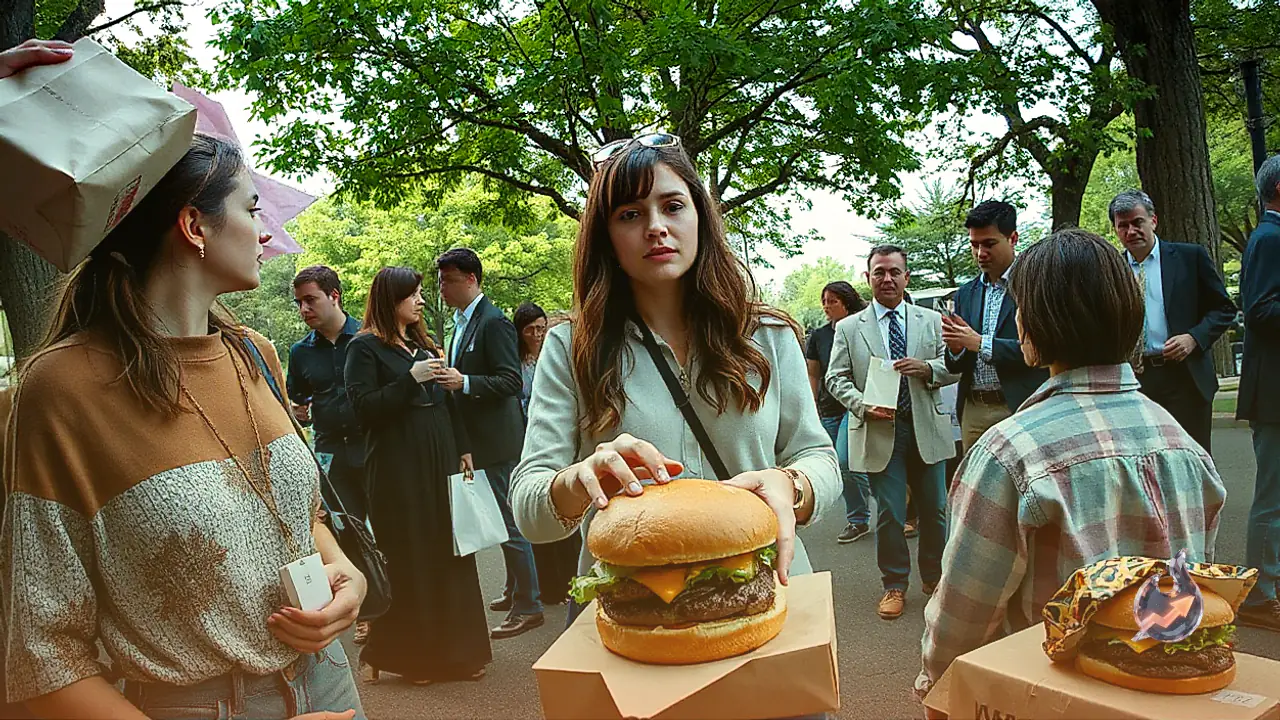
Despite the promise of a refined social setting, real-world events often fail to deliver on expectations. At a Thursday event marketed as a 'Perfect Pairings Wine Mixer' in the affluent Soho district of London, ticket holders paid £20 each to attend. Attendees naturally assumed that this entry fee would cover basic venue hospitality, such as a complimentary glass of wine upon arrival.
Instead, guests arriving at the high-end restaurant venue were redirected away from the main dining floor to a dark, wet side alleyway. There, staff stamped stars onto their wrists with a Sharpie marker, mimicking the atmosphere of a budget night club. Inside the basement, conditions were cramped and uncomfortable, with no open windows, poor ventilation, and no air conditioning. At the bar, guests discovered that the £20 ticket included no drinks whatsoever; a small glass of white wine cost an additional £8, bringing the total expenditure to £28. The only promotional material provided was a paper flyer describing wine varieties that were only available for purchase at full menu price.
Demographic Mismatch and Social Misconduct
The event also suffered from a severe gender and age imbalance. Approximately 80% of the attendees in the basement were women. Furthermore, a large portion of the male attendees present were significantly older than the target demographic of young working professionals, with many men more than double the age of a 26-year-old attendee.
Boundary violations were immediate. A white-haired male attendee, roughly two decades older than the attendee's father, approached and made aggressive romantic advances. When she remarked that a cover charge of £20 should reasonably include a drink, he stood inches from her face and called her 'aggressive'. Other male attendees offered unsolicited and condescending feedback; when seated guests paused to rest their feet, a man in a polo neck instructed them to stand back up if they wanted anyone in the room to show interest in them. These interactions created a hostile environment, particularly for high-achieving young women—such as a featured single friend named Florence, who holds a law degree, maintains a high-flying career, and owns her home, yet routinely faces socially inept and inappropriate suitors.
Comparing Online Misconduct to Offline Reality
The turn toward face-to-face mixers was originally prompted by severe harassment on mobile dating apps. Florence had previously received explicit and disturbing messages on digital platforms, ranging from inappropriate comments about her physical photos to bizarre icebreakers involving political figures like Donald Trump and Adolf Hitler. Hoping to bypass digital toxicity, she turned to in-person mixers.
However, across five separate Thursday events, offline interactions proved equally fraught. At a previous mixer, an attendee tapped Florence on the shoulder to ask why she looked 'moody', immediately after another man had informed her that modern women were ungrateful for their biological role as child-bearers. Such incidents demonstrate that shifting from digital apps to real-world venues does not automatically eliminate boundary issues or bad social etiquette.
Response From Event Organisers
When questioned about the severe gender imbalance, poor ventilation, and lack of included amenities, a spokesperson for Thursday expressed sincere apologies for the experience. The company stated that ticket sales are monitored to maintain a balanced ratio between men and women, with availability adjusted dynamically when one gender outpaces the other.
The representative also noted that while most of their gatherings have no upper age limit to remain inclusive, the company does host specific events capped at upper age limits of 35 or 45. The spokesperson acknowledged that significant age disparities can alter the night's dynamic and clarified that pricing varies based on city, venue, and included perks. Nevertheless, for single professionals navigating the modern dating scene, both digital and physical options continue to present significant hurdles.