





















Devotees across the country observe a rare spiritual conjunction on 7 September 2026, as Aja Ekadashi coincides with the traditional Monday fast during the Krishna Paksha of the Bhadrapada month. This alignment allows seekers to engage in dedicated worship of Lord Vishnu alongside Lord Shiva on the same calendar day. In astronomical calculations, the Ekadashi tithi continues until 05:03 PM, after which the Dwadashi tithi commences. Regarding the lunar mansions, Punarvasu Nakshatra remains active until 06:14 PM before transitioning into Pushya Nakshatra. Among the karanas, Bava operates until 06:16 AM, followed by Balava until 05:03 PM. For the yogas, Vyatipata concludes at 06:41 AM, paving the way for Variyan Yoga, which remains operational until 03:38 AM on 8 September. The directional dishashool points eastward, while the Moon moves from Gemini into Cancer as the Sun stays positioned in Leo.
Spiritual Significance of Worshiping Hari and Hara Together
Under Hindu canonical traditions, Ekadashi observances remain wholly dedicated to Lord Vishnu, the preserver of the cosmos, whereas Monday stands consecrated to Lord Shiva and the planetary deity Chandra. When these sacred days converge, the occasion is celebrated as an exceptional opportunity for holistic devotional worship. Observers can keep their fasting regimen for Aja Ekadashi during the daytime while dedicating their evening prayers to Lord Shiva. In scriptural lore, the Moon shares an intrinsic bond with Lord Shiva, sitting atop his matted hair as an adornment, which grants Mahadeva divine epithets like Chandrashekar and Someshwara.
Step-by-Step Puja Vidhi for Pradosh Kaal
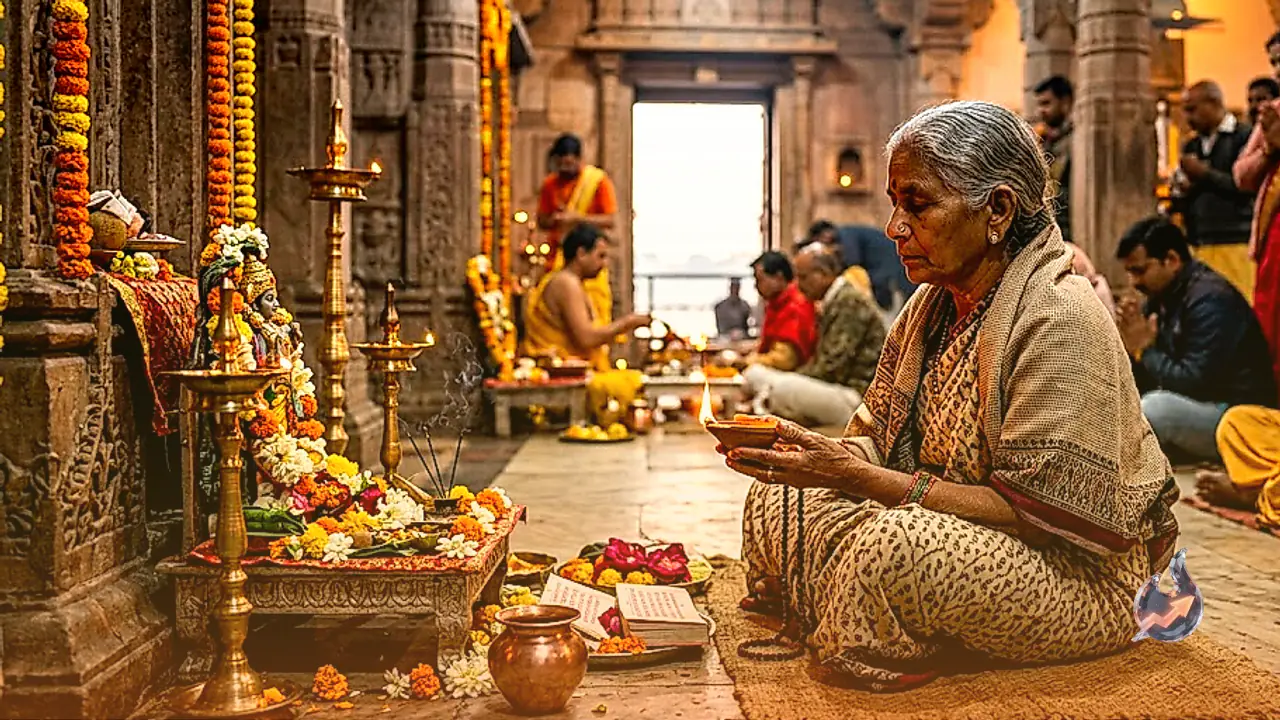
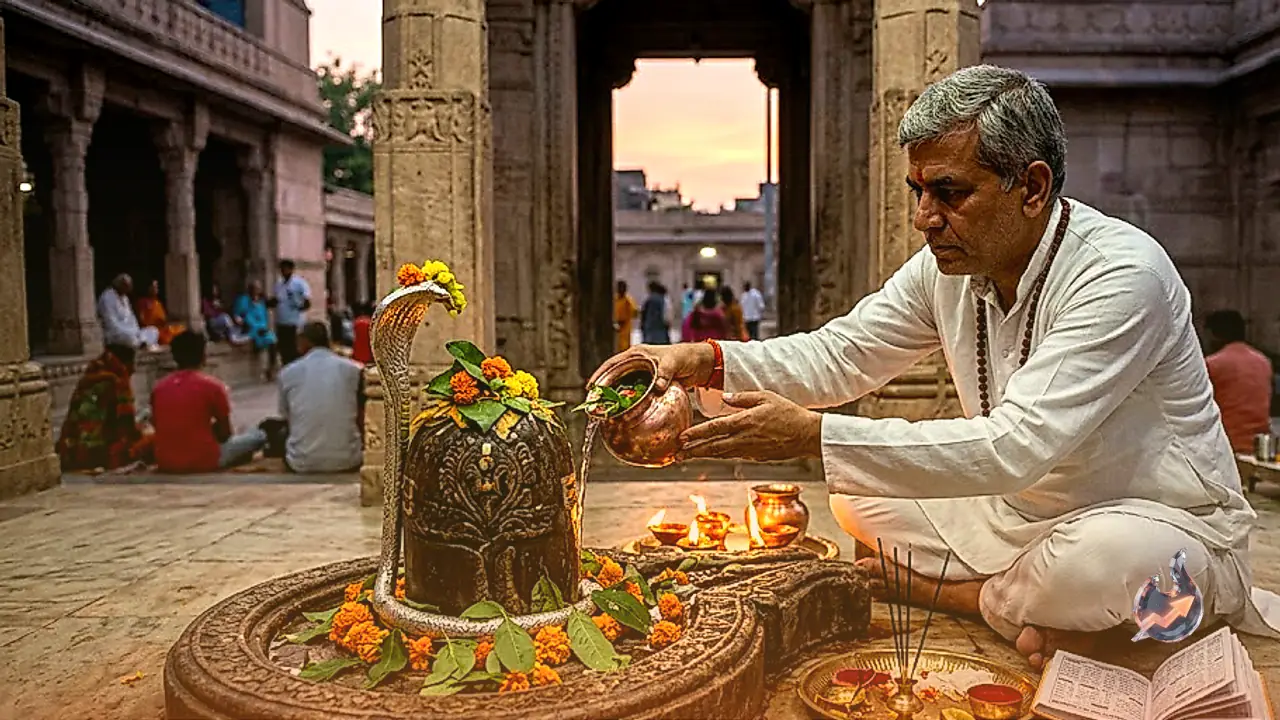
Worshiping Lord Shiva during the twilight Pradosh Kaal on a Monday holds particular religious importance. On 7 September, the Pradosh window extends from 06:35 PM to 08:05 PM, serving as the most favorable duration for evening rituals. The ceremony begins by bathing the Shivalinga with sacred water from the Ganges or clean natural water. Devotees then perform abhishek using panchamrit elements including pure milk, curd, and honey. Following the purification, three lines of white sandalwood paste should be drawn across the lingam, followed by offerings of fresh bilva leaves, datura, and aak flowers. Chanting the Panchakshari mantra, Om Namah Shivaya, throughout the rituals remains essential. Conclude the service by reciting the Shiva Chalisa or dedicated hymns, performing the camphor aarti, and offering prasad to family members.
Auspicious Timings and Favorable Periods
Choosing proper planetary windows ensures smooth execution of religious observances and new initiatives. Abhijit Muhurat, regarded as the premier window of the day, spans from 12:00 PM to 12:49 PM (with classical window measurements placing it from 11:55 AM to 12:45 PM). Additional beneficial periods include
- Brahma Muhurat: 04:32 AM to 05:17 AM
- Vijaya Muhurat: 02:25 PM to 03:16 PM
- Amrit Kaal: 03:59 PM to 05:29 PM
- Godhuli Muhurat: 06:37 PM to 06:59 PM
- Sarvartha Siddhi Yoga: 06:14 PM to 06:03 AM on 8 September
- Nishita Muhurat: 11:57 PM to 12:43 AM on 8 September
- Moonrise: 02:51 AM on 8 September
- Shivavas: On Mount Kailash until 05:03 PM, and thereafter on Nandi.
Inauspicious Windows to Avoid
Astrological tradition advises refraining from beginning essential ventures, travel towards the east, or finalizing contracts during negative alignments
- Rahu Kaal: 07:37 AM to 09:11 AM
- Yamaganda: 10:45 AM to 12:20 PM
- Gulika Kaal: 01:54 PM to 03:28 PM
- Dur Muhurat: 12:45 PM to 01:35 PM
- Varjyam: 07:03 AM to 08:32 AM