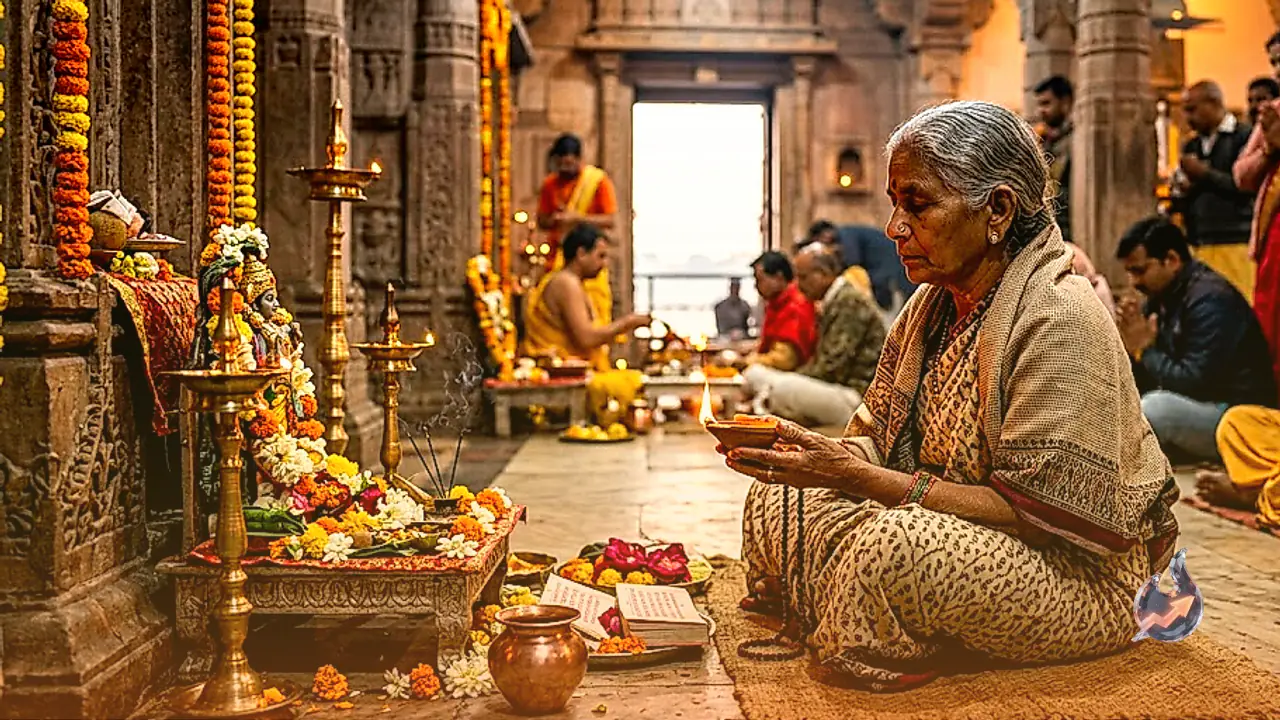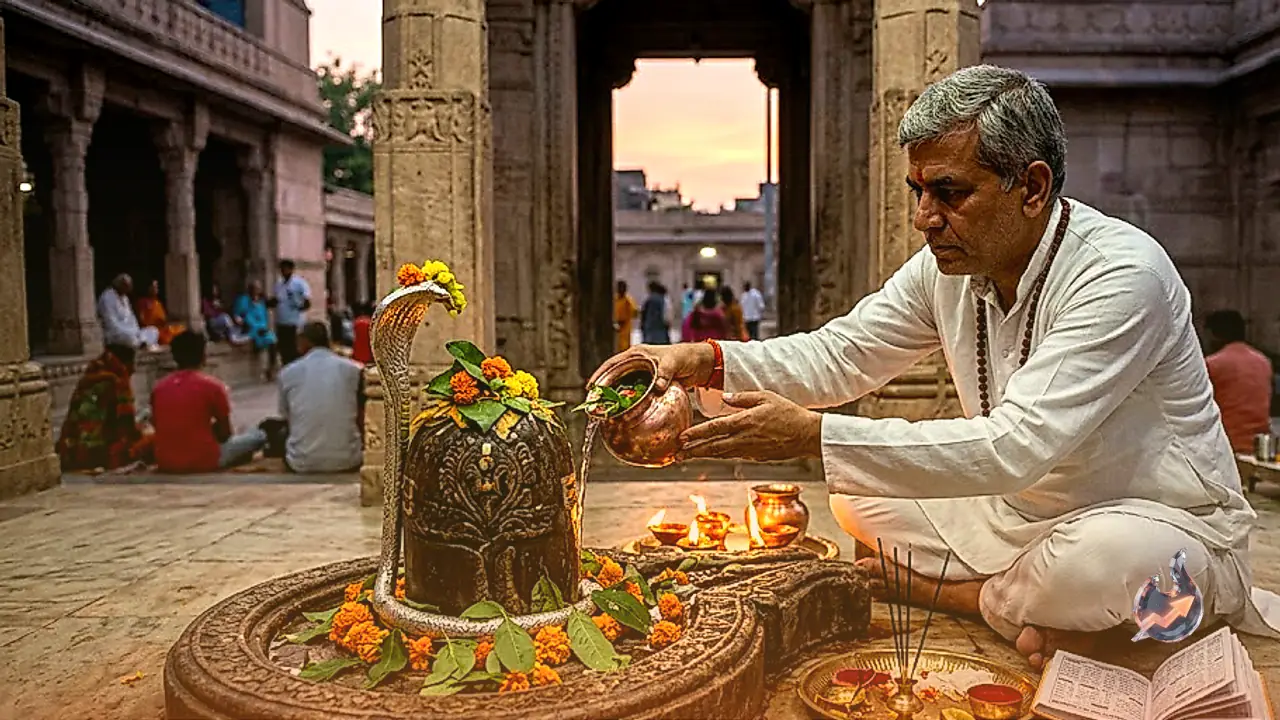























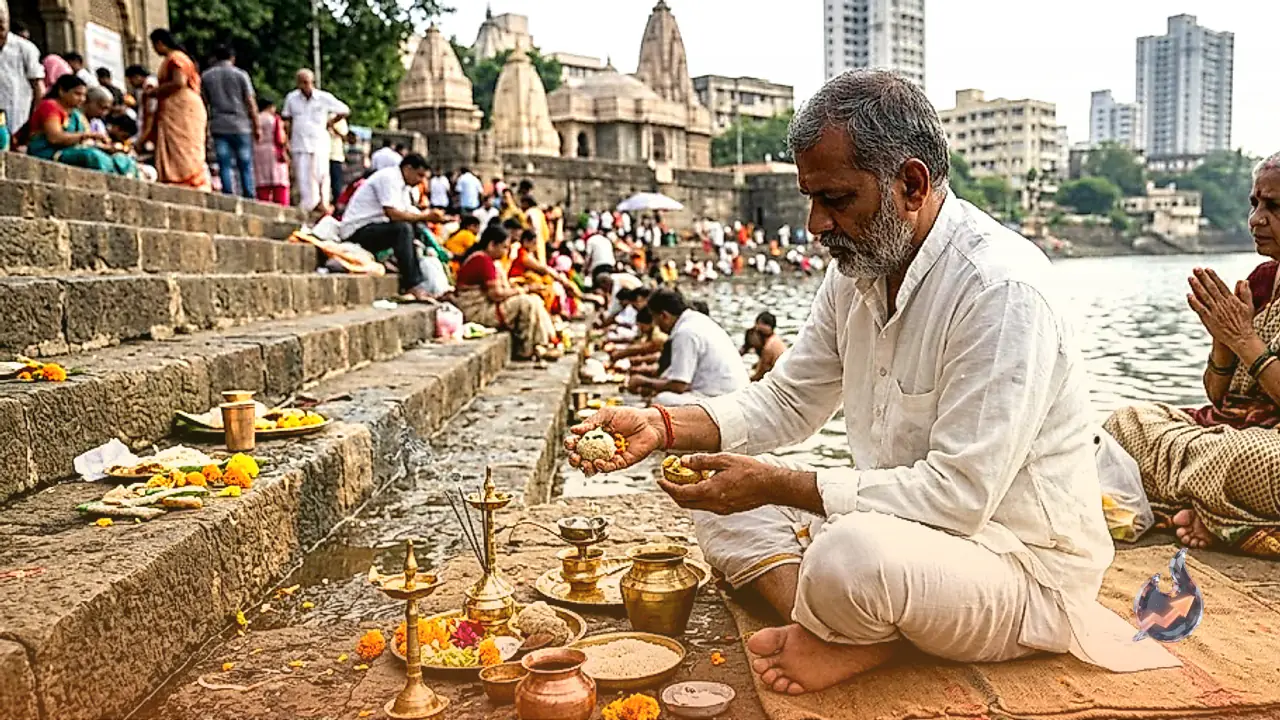

A sacred sixteen-day observance dedicated to honouring departed ancestors occupies an essential place in traditional Hindu practice. This year, the solemn window opens on September 26 with the Purnima Shraddh and draws to a close on October 10 with Sarvapitri Amavasya. Across the traditional calendar, this period spans from the full moon of Bhadrapada through the dark fortnight of the Ashwin month, commonly designated as Mahalaya Paksha or the sixteen shraddhs. Throughout this phase, households perform daily tarpan and pinda daan rituals, offering water, sacred grass, and food offerings to bring peace to ancestral souls. Following these established rites is believed to relieve individuals of ancestral debts and alleviate Pitru Dosha, helping the family secure blessings of harmony, peace, and domestic stability.
The Prohibition on Auspicious Beginnings and Major Celebrations
Custom requires households to observe strict restraint during these days, avoiding celebrations or initiating fresh worldly ventures. Tradition suggests that negligence during this period risks displeasing forebears, which may draw hardship upon the family lineage. For this reason, families traditionally refrain from conducting ceremonies such as weddings, engagement parties, housewarming rituals, the sacred thread ceremony, or tonsure rites. Similarly, purchasing new property, homes, or vehicles remains prohibited throughout the duration. The primary rationale behind this pause is to ensure that a household's collective attention, time, and resources remain focused entirely on honouring ancestral memory without the distraction of worldly merriment.
Distinction Between Divine Worship and Ancestral Rituals
Scriptural custom identifies a fundamental difference between worshipping deities and performing rites for ancestors. While divine worship places the greatest importance on inner devotion and emotional surrender, ancestral rites prioritize exact adherence to procedural details and ritual precision. Any deviation or distraction can compromise the solemnity of the ceremonies. Consequently, taking on celebratory activities or new commitments during this span could divert attention away from the strict observance of tarpan and pinda daan. Pausing auspicious functions enables the entire family to maintain undivided focus on their ancestral duties.
Calendar Milestones and the Sacred Rest of Vishnu
The ceremonial timeline marks its start on September 26 with the Purnima Shraddh, followed by the first tithi observance on September 27. The ancestral rites proceed sequentially through the fortnight, concluding with Sarvapitri Amavasya on October 10. Beyond ritual focus, an overarching mythological factor explains the cessation of celebratory milestones. The fortnight falls squarely within the four-month window of Chaturmas. During this span, which begins on Devshayani Ekadashi in the bright half of Ashadha and concludes on Devutthana Ekadashi in the bright half of Kartika, Vishnu remains in yogic sleep. Auspicious rites are traditionally paused while the divine protector rests, reinforcing the principle that this fortnight is strictly for quiet spiritual service rather than joyful worldly beginnings.