























Within Sanatan tradition, observing an Ekadashi fast is regarded as a paramount path toward spiritual elevation and devotion. Among the various observances held throughout the year, the one occurring during the Shukla Paksha of the month of Magha holds exceptional prominence and is known as Jaya Ekadashi. Religious traditions hold that this sacred day dispels severe negative bindings such as the painful realm of Pisach Yoni while infusing an individual's life with righteous vitality. For the current year, traditional astrological calculations outline the exact schedule and auspicious worship periods.
Observance Scheduled by Udaya Tithi
According to astronomical readings based on the Rishikesh Panchang, the Ekadashi tithi of Magha Shukla Paksha begins at 4:34 PM on January 28. The duration continues until its formal conclusion at 1:56 AM on the night of January 29. Because Vedic rules give primary importance to the prevailing date at sunrise, known as Udaya Tithi, the fast for Jaya Ekadashi will be observed on Wednesday, January 29. Devotees can undertake their rituals, prayers, and traditional vows dedicated to Lord Vishnu throughout this designated day.
Convergence of Four Auspicious Celestial Yogas
Astrologer Pandit Nandkishore Mudgal from Deoghar notes that this edition of Jaya Ekadashi is uniquely auspicious due to the simultaneous formation of four rare planetary combinations. The occasion brings together Indra Yoga, Ravi Yoga, Bhadravas Yoga, and Shivvas Yoga, a grouping that enhances the spiritual returns of devotional practices.
The Rishikesh Panchang specifies two distinct auspicious windows for conducting worship ceremonies. The earliest propitious period commences in the morning at 7:11 AM and extends until 8:32 AM. In addition, an extended midday window runs from 11:14 AM through 1:55 PM, offering devotees another highly beneficial interval for prayers and offerings.
Spiritual Significance and Liberation from Afflictions
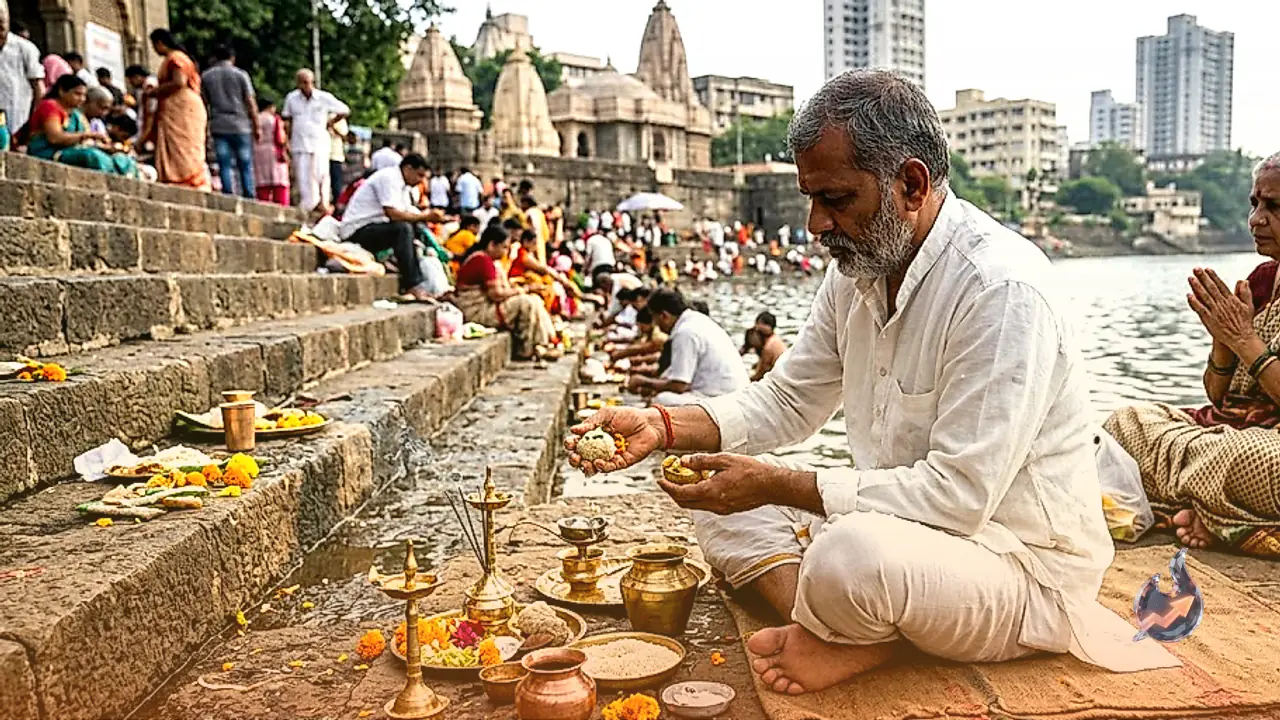
The spiritual rewards connected with Jaya Ekadashi are regarded as deeply benevolent and transformative. Performing ritual worship of Lord Vishnu alongside Goddess Lakshmi on this day is believed to fulfill heartfelt aspirations. Scriptural texts mention that the virtue earned through this fast purges both intentional and inadvertent transgressions, granting eventual passage to Vaikuntha Dham. Ancient accounts state that even grievous wrongdoing such as Brahmahatya can be redeemed through sincere adherence to this penance. By paving the path toward heavenly realms and liberation, this sacred occasion continues to inspire profound devotion among worshippers.