






















A spiritually potent and rare astrological convergence awaits devotees as Makar Sankranti coincides with the sacred Ekadashi tithi this year. According to the Hindu calendar, the festival of Makar Sankranti will be celebrated on Wednesday, January 14, aligning directly with the observance of Ekadashi. In Sanatana tradition, both dates carry enormous theological significance on their own. When two such powerful devotional occasions intersect on a single day, the religious merit and spiritual rewards resulting from rites performed are considered to be doubled.
The Dual Significance of Solar and Vaishnava Rites
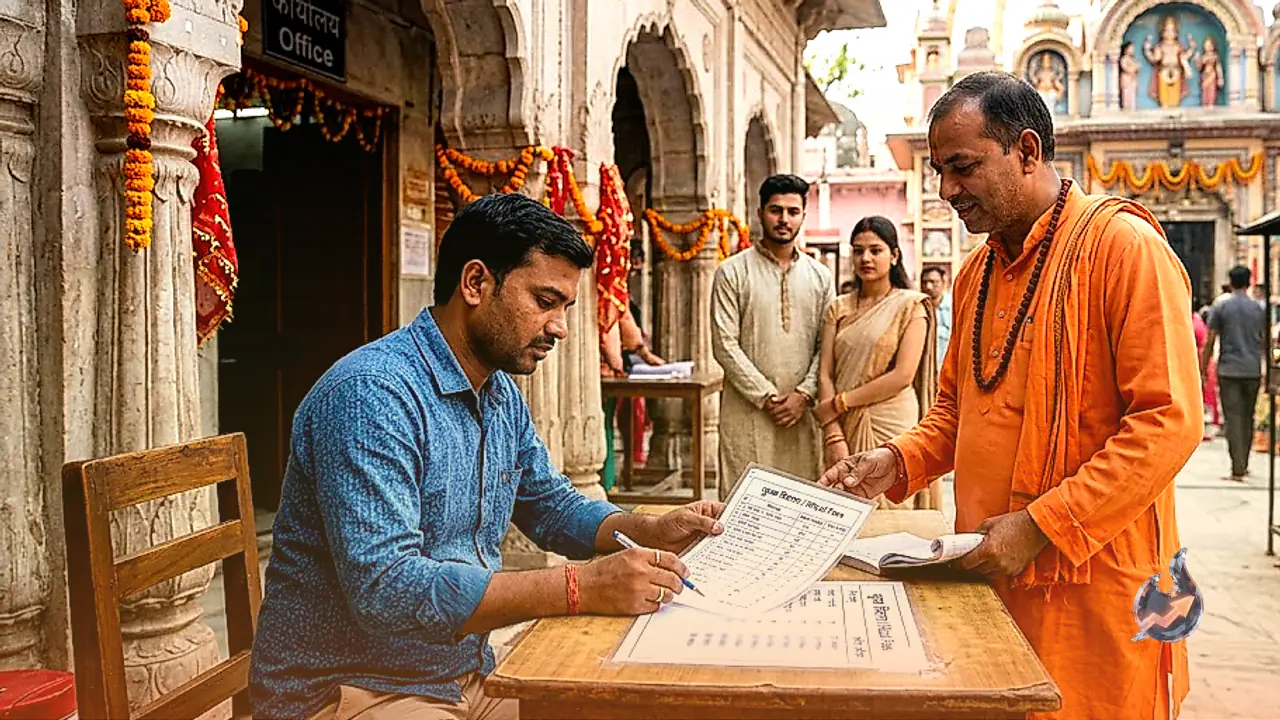
Offering insight into this celestial confluence, Pandit Kalki Ram, a prominent astrologer from Ayodhya, described the alignment as exceptionally auspicious and extraordinary. He explained that Makar Sankranti marks the precise moment of the Sun entering the zodiac sign of Capricorn, an occasion reserved primarily for holy river bathing, charitable offerings, and virtuous deeds. On the other hand, the Ekadashi tithi is exclusively devoted to Lord Vishnu, demanding disciplined fasting, devotional singing, and deep spiritual practice. Carrying out spiritual duties during this combined window amplifies the positive fruits of worship many times over.
Resolving the Rice Dilemma Between Fasting and Charity
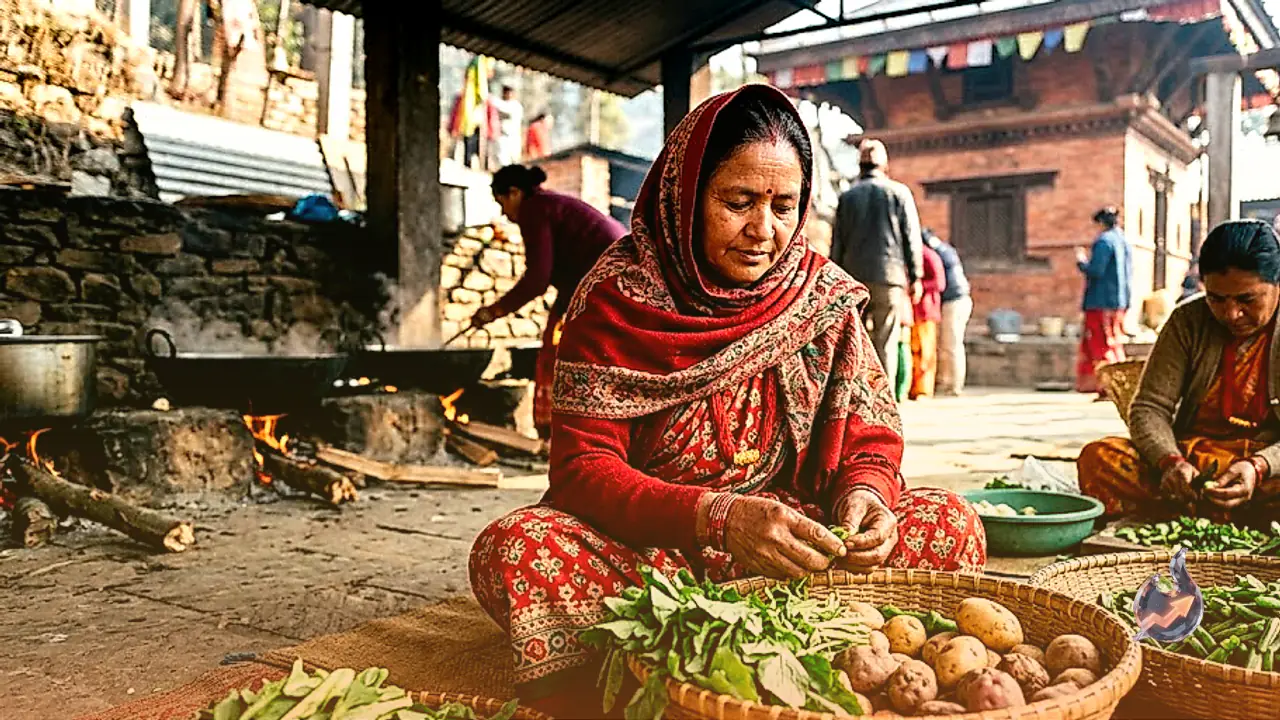
This unusual collision of traditions created a practical puzzle for worshippers. The fundamental rule of Ekadashi strictly forbids the consumption of rice in any form. Conversely, the core ritual of Makar Sankranti centers around preparing, eating, and donating khichdi, a preparation primarily made of rice and lentils. Addressing this apparent contradiction, Pandit Kalki Ram provided clear canonical guidance. He stated that devotees observing the Ekadashi fast must strictly abstain from consuming rice themselves. However, after completing their morning ablutions during the auspicious Brahma Muhurta, they should proceed to donate khichdi to others without hesitation. Giving food as charity does not breach the sanctity of a fast; instead, it substantially enhances the spiritual merit of the giver.
Prescribed Morning Worship and Offering Protocols
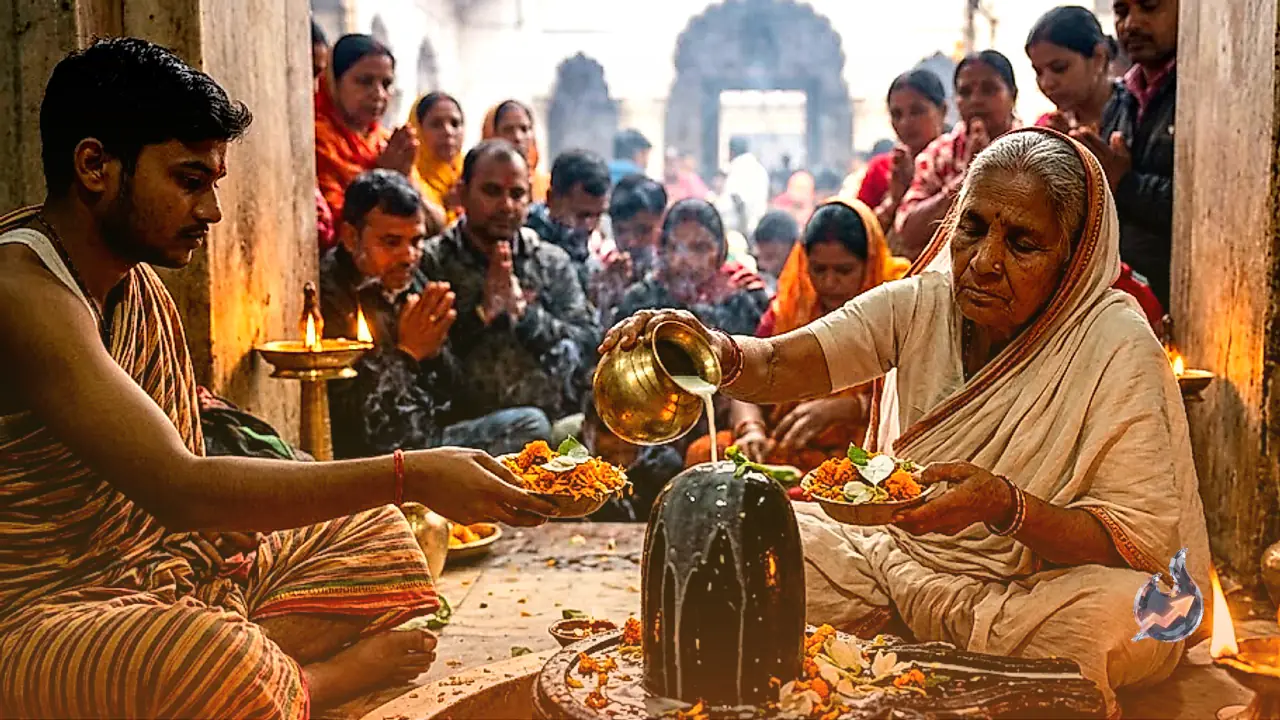
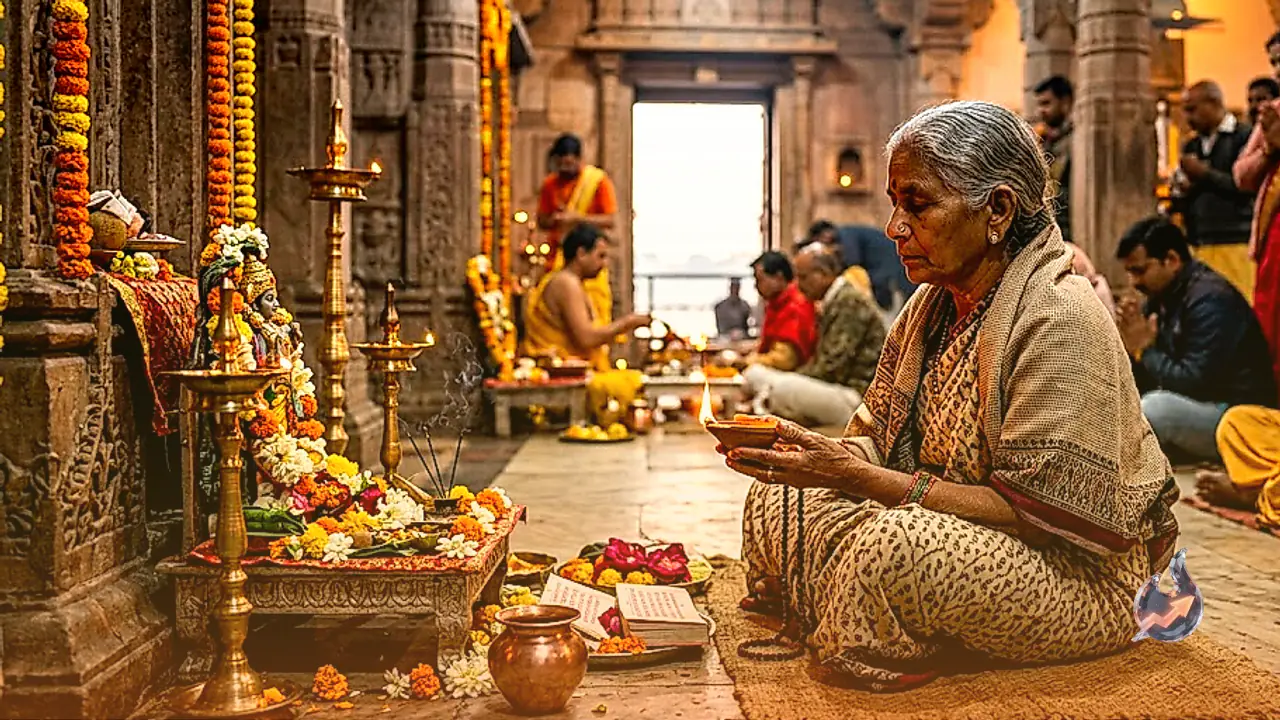
To fully harness the spiritual potential of the day, specific ritual steps have been outlined. Devotees should wake during Brahma Muhurta and bathe in the Ganges or using holy water. Following the bath, water should be offered directly to the Sun deity from a copper vessel, followed by the recitation of the solar aarti. Practitioners should then distribute charitable items, especially sesame seeds, jaggery, and khichdi grains, among those in need. Alongside these solar tributes, chanting sacred Vaishnava mantras provides deep spiritual grounding. Chanting the sacred formula 'Om Namo Bhagavate Vasudevaya' is believed to invoke the direct grace and benevolence of Lord Vishnu.
A Rare Window for Health, Prosperity, and Spiritual Growth
According to scriptural principles, carrying out these rituals with complete devotion on this dual occasion fosters good health, domestic happiness, and financial well-being. The rare synergy between solar vitality and spiritual discipline clears negative patterns and opens pathways for inner advancement. Devotees are encouraged to take full advantage of this auspicious day by combining meaningful charity with disciplined prayer to secure long-term spiritual and material blessings.