
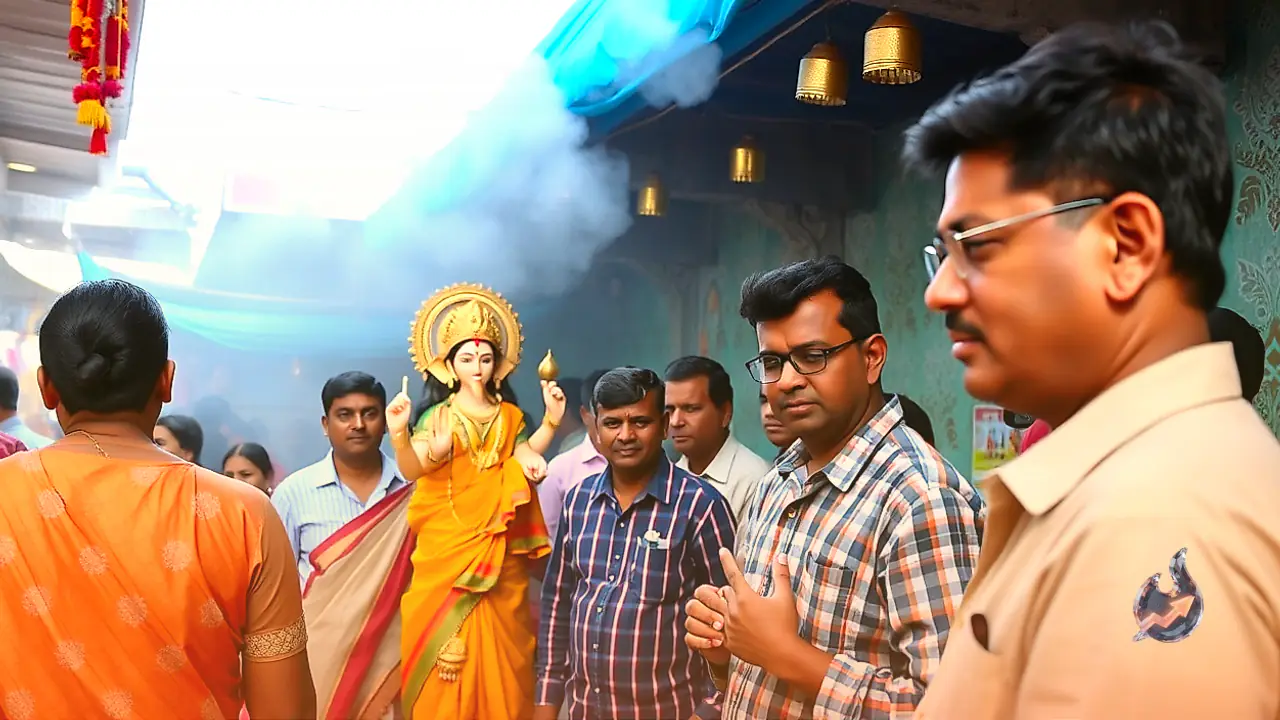














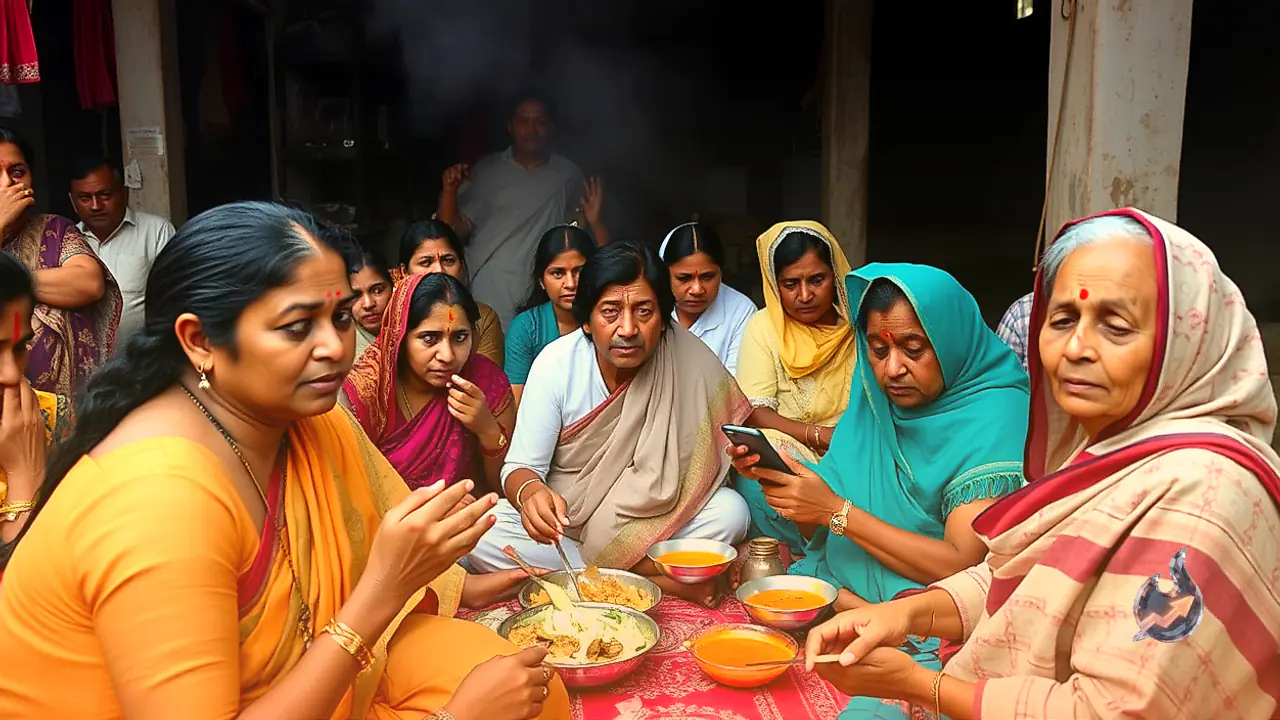

Observed with deep devotion and unwavering discipline, Jitiya Vrat stands as one of the most significant observances undertaken by mothers across several regions. Dedicated to the longevity, sound health, and overall well-being of their children, mothers maintain a rigorous waterless fast throughout the primary day. Known alternately as Jivitputrika Vrat, Jiutiya, or Jivit Putra Vrat, the observance culminates on the following day with a structured ritual known as parana. Concluding the fast strictly on the prescribed Navami tithi following set religious conventions is considered auspicious and essential to complete the vows.
Auspicious Timings and Calendar Alignment
The breaking of the fast, or parana, is slated for the Navami tithi of Krishna Paksha in the month of Ashwin, falling on Sunday, October 4. As per traditional calculations, the auspicious window for parana begins after 7:32 AM on Sunday, October 4. An additional reference specifies that the fast conclusion should proceed only after 7:28 AM on October 4. Concurrently, the Matri Navami shraddh of the ongoing Pitru Paksha period takes place on this very date. Following the correct planetary timings ensures that the waterless discipline concludes in adherence to scriptural dictates.
Morning Worship Procedure and Offerings
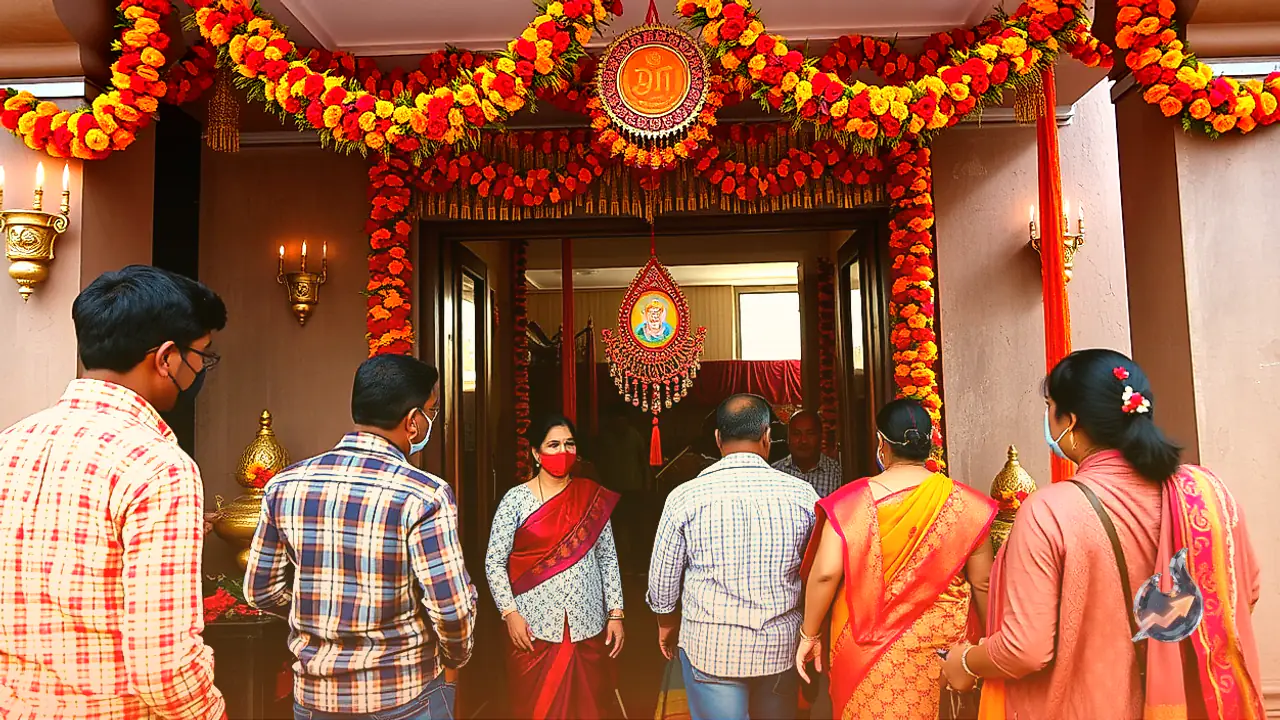
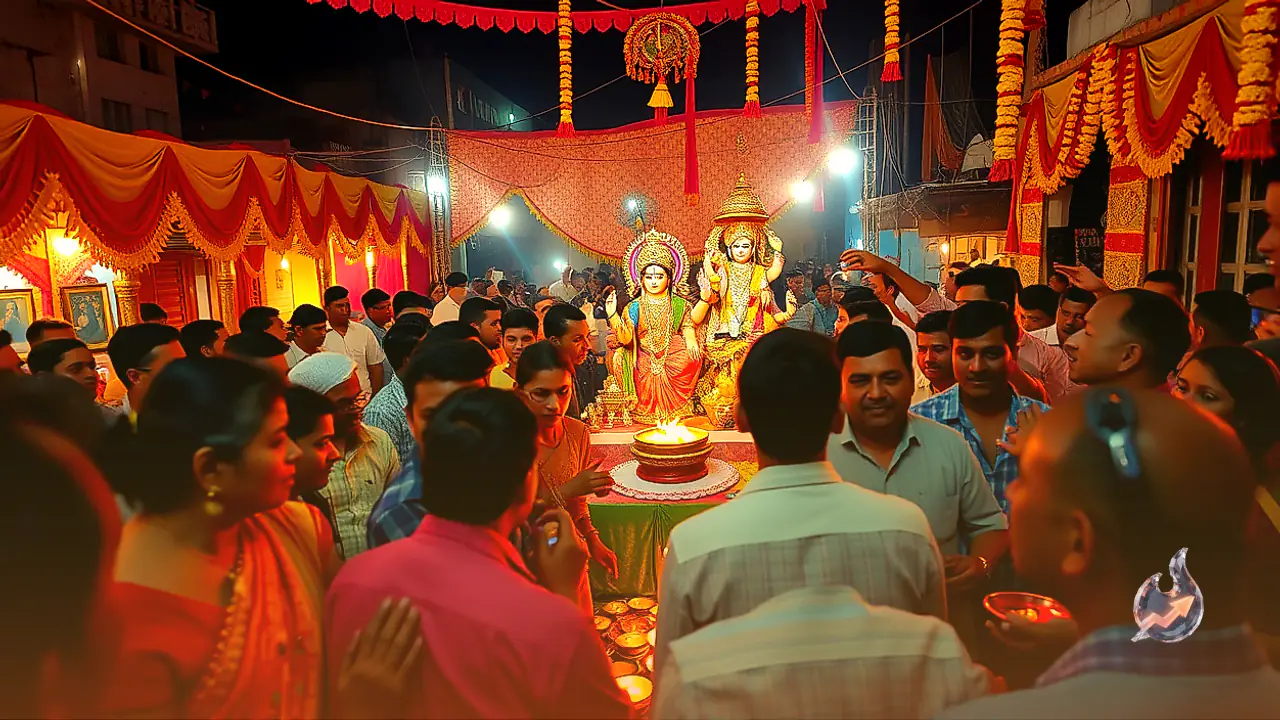
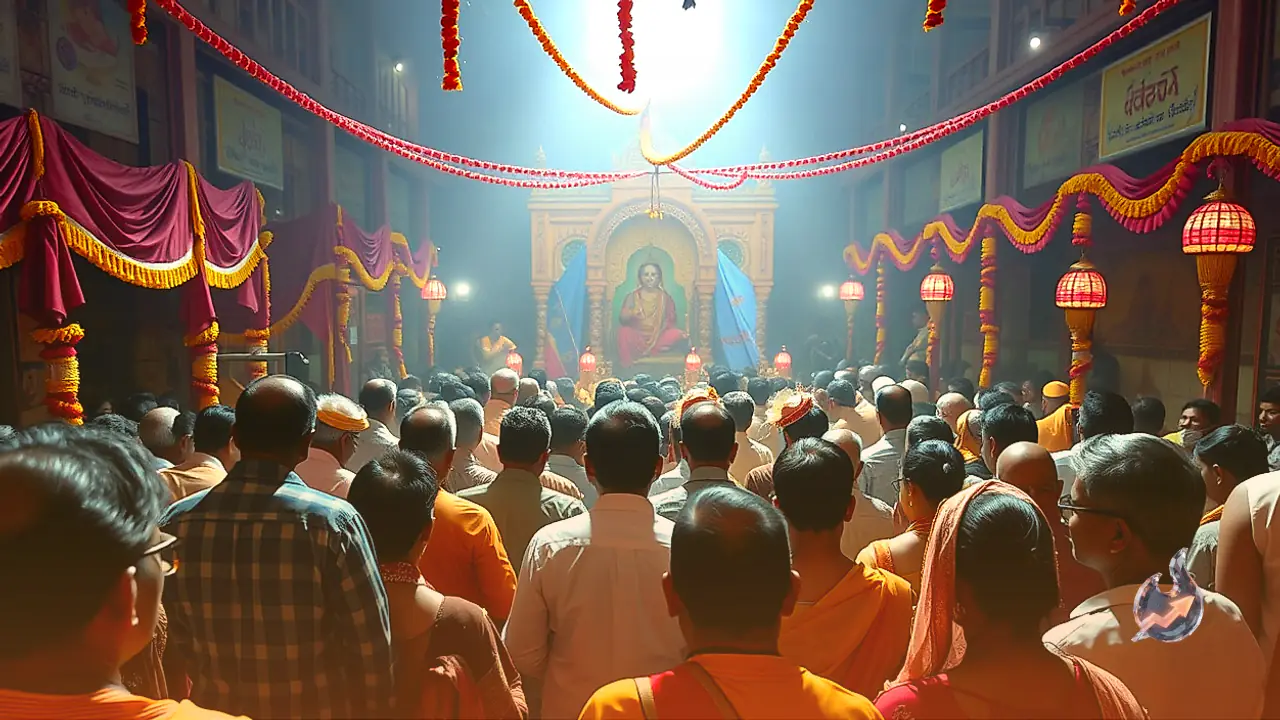
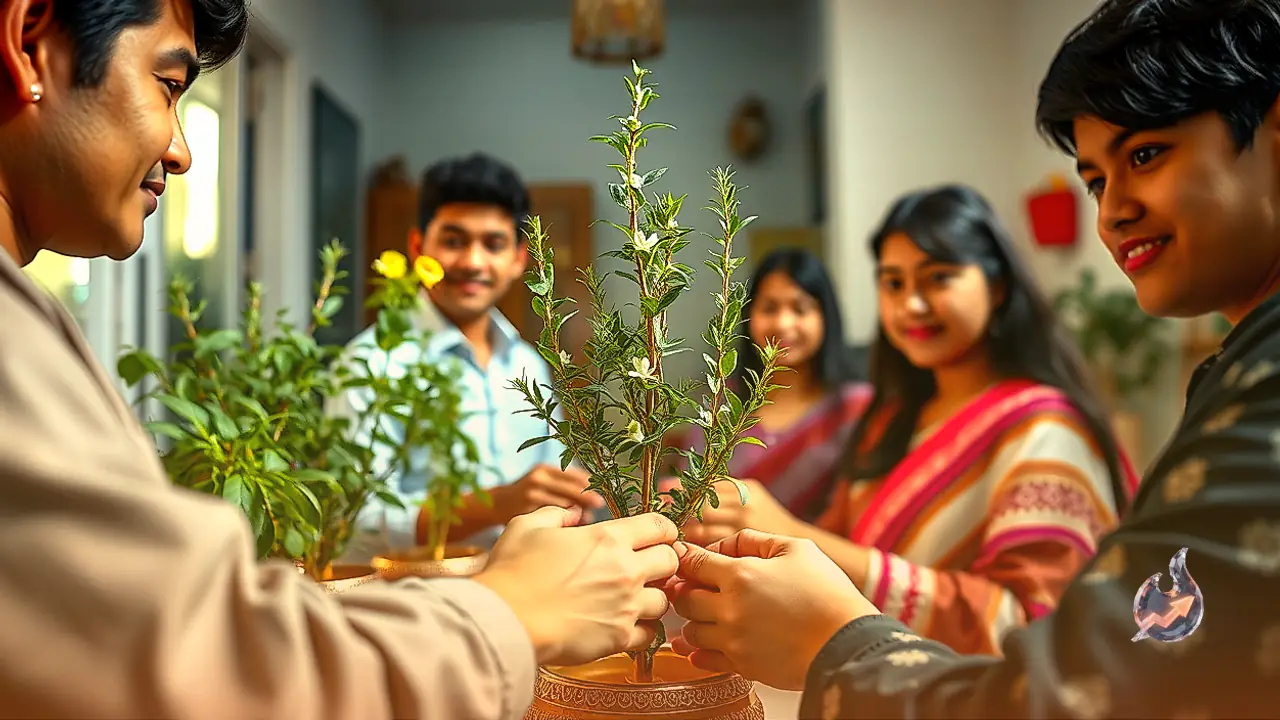
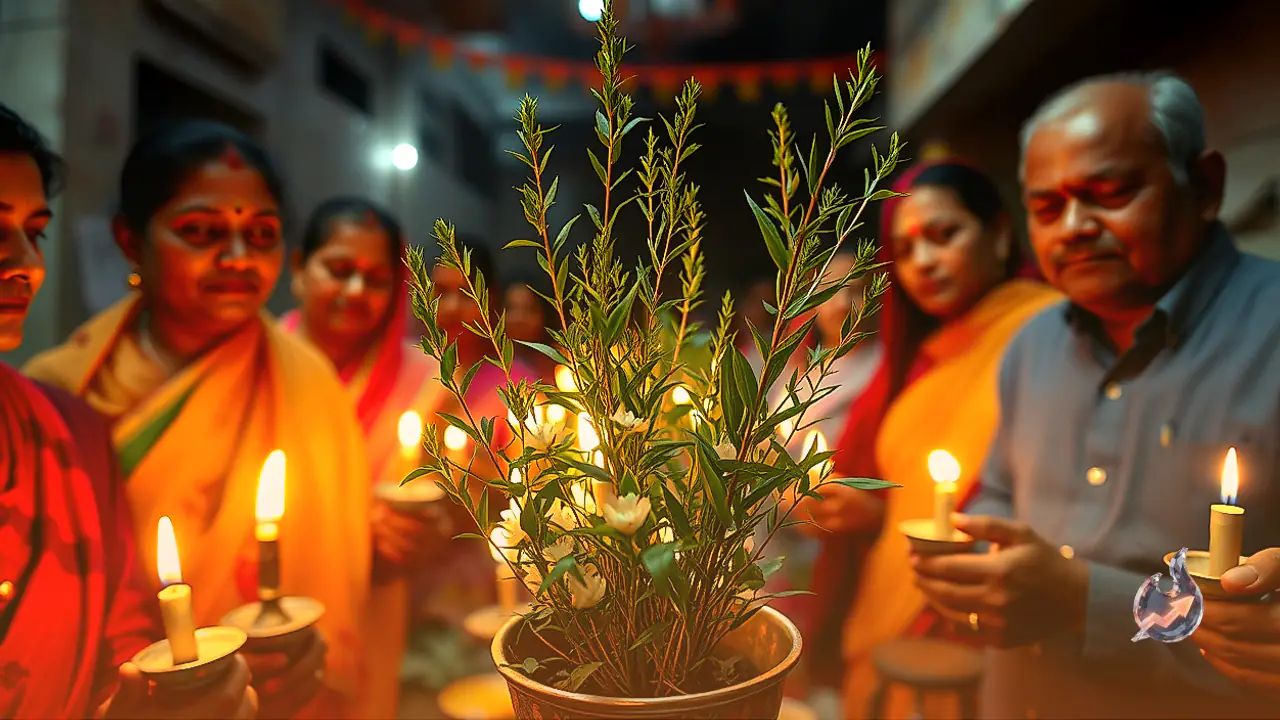
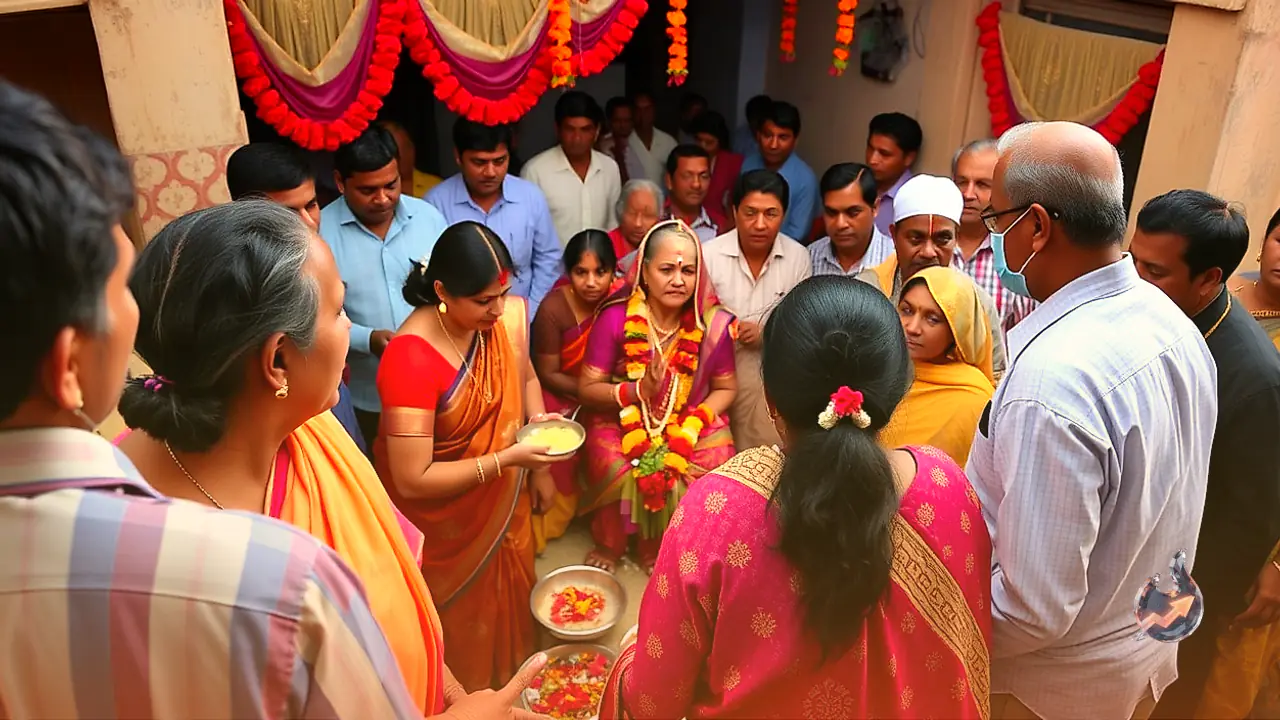
Preparations on the parana day begin early during Brahma Muhurta with a sacred bath and meditation. The domestic altar and worship space are thoroughly cleaned before initiating rituals. Mothers kindle a traditional lamp while invoking Lord Jimutavahana and offering dedicated prayers for their children's protection. Depending on ancestral customs, various fresh fruits, seasonal flowers, and sacred food offerings are placed before the deity. Upon concluding the worship ceremony, the sanctified prasad is first distributed among all family members before the mother partakes of any sustenance herself.
Dietary Customs and Breaking the Fast
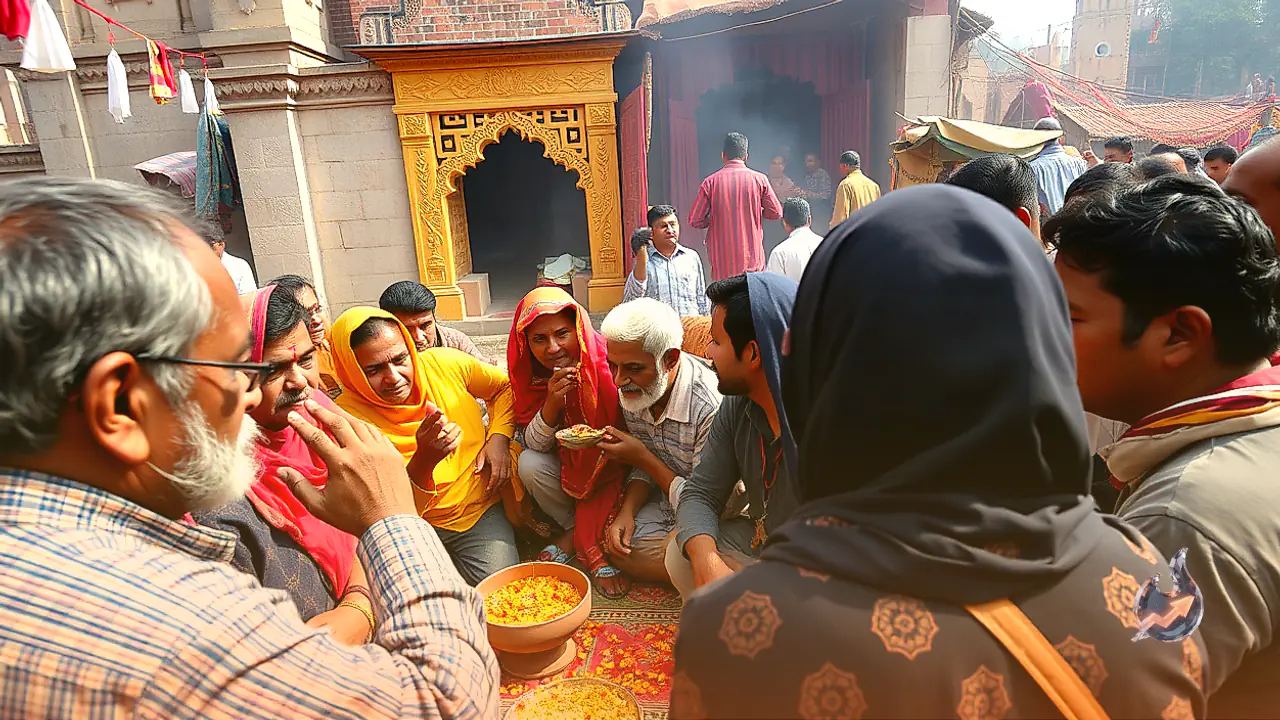
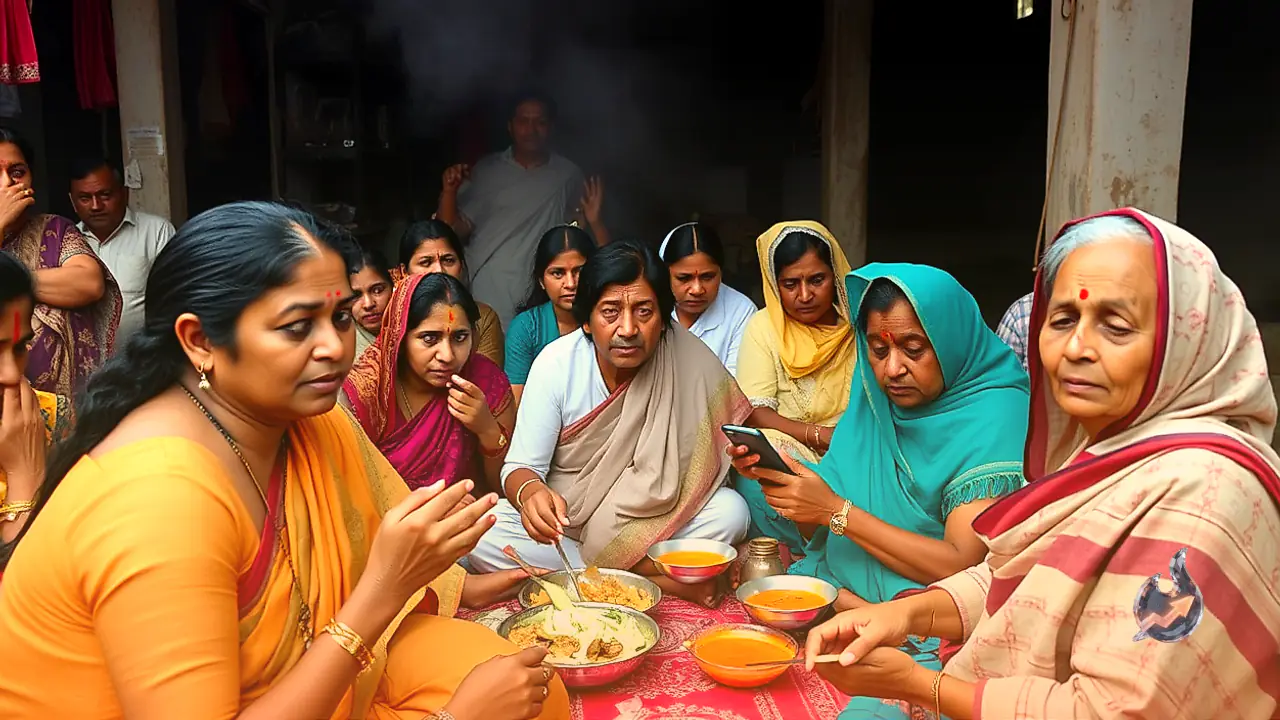
Tradition dictates that the fast must be opened initially by sipping clean drinking water. Following this initial intake, a wholesome sattvic meal is consumed. In numerous households, cultural customs call for preparing noni saag alongside tori ki sabzi specifically for the parana meal. In other family traditions, breaking the fast with fruits, milk, and light nourishment remains the prevailing custom. Because the digestive system has rested through an intense waterless period, avoiding deep-fried, excessively oily, or heavy meals is strongly emphasized to protect digestive comfort.
Charity and Seeking Elders' Blessings
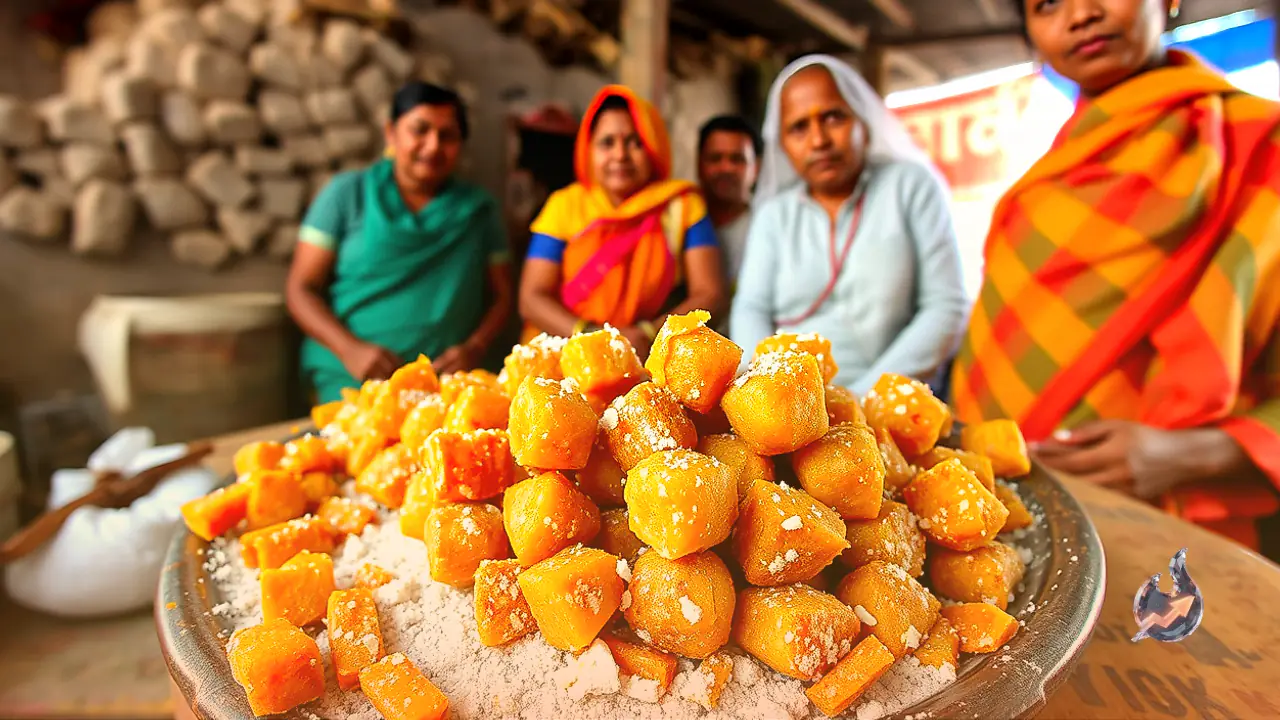
Before consuming the main meal, religious guidelines call for performing benevolent deeds. Mothers offer raw grains, food items, clothing, and monetary dakshina to Brahmins or individuals in need to seek good wishes. The rites conclude with heartfelt prayers to Lord Jimutavahana and personal family deities, followed by touching the feet of household elders to receive their blessings. These practices reflect cultural values of gratitude, generational harmony, and mutual respect.
Regional Significance and Religious Faith
Jitiya Vrat is widely observed across Bihar, Jharkhand, Eastern Uttar Pradesh, and Nepal. Devotees believe that sincere prayers to Lord Jimutavahana remove impending obstacles from their children's lives and foster enduring domestic harmony. Symbolizing boundless maternal love, personal sacrifice, and spiritual dedication, the fast remains a treasured living tradition uniting communities in shared maternal devotion.