
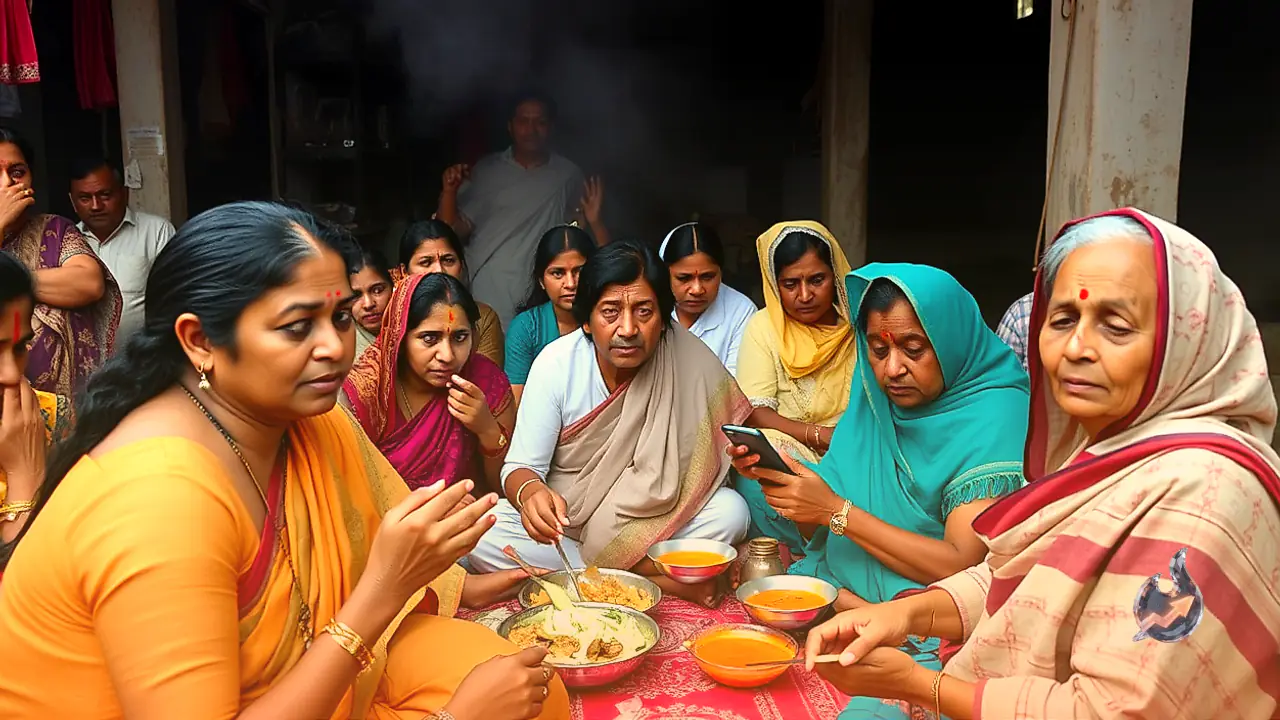



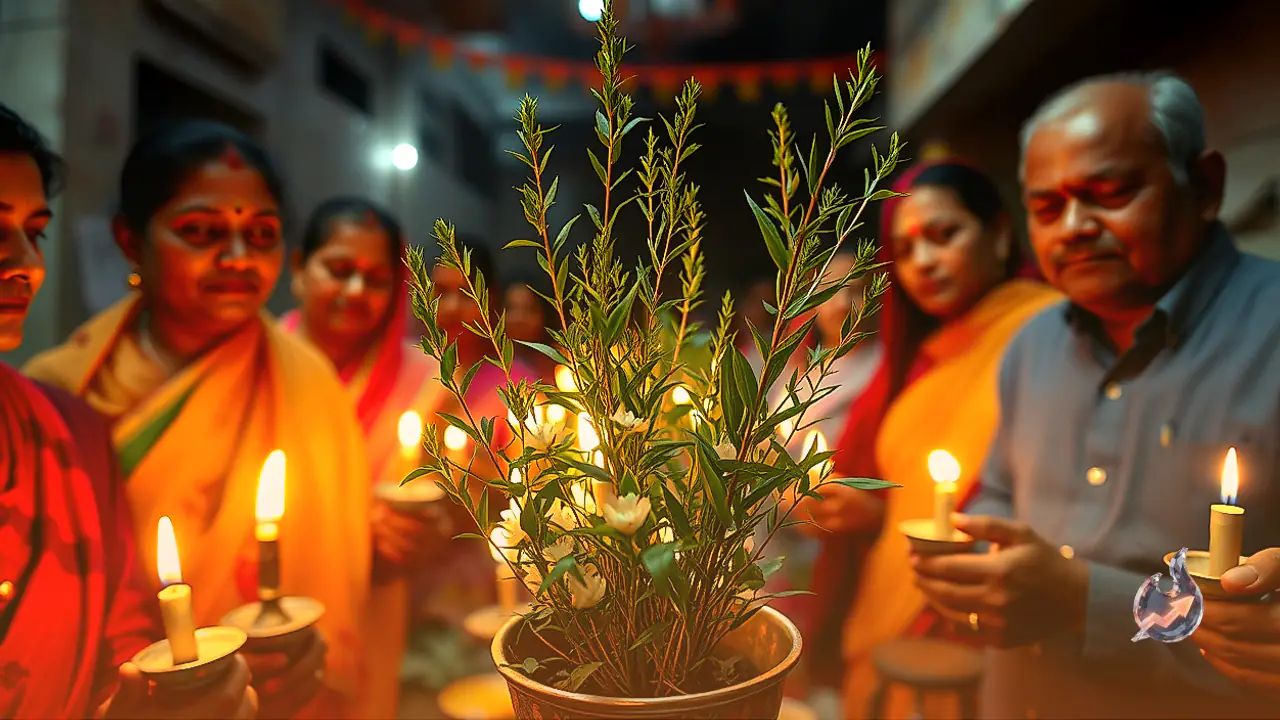

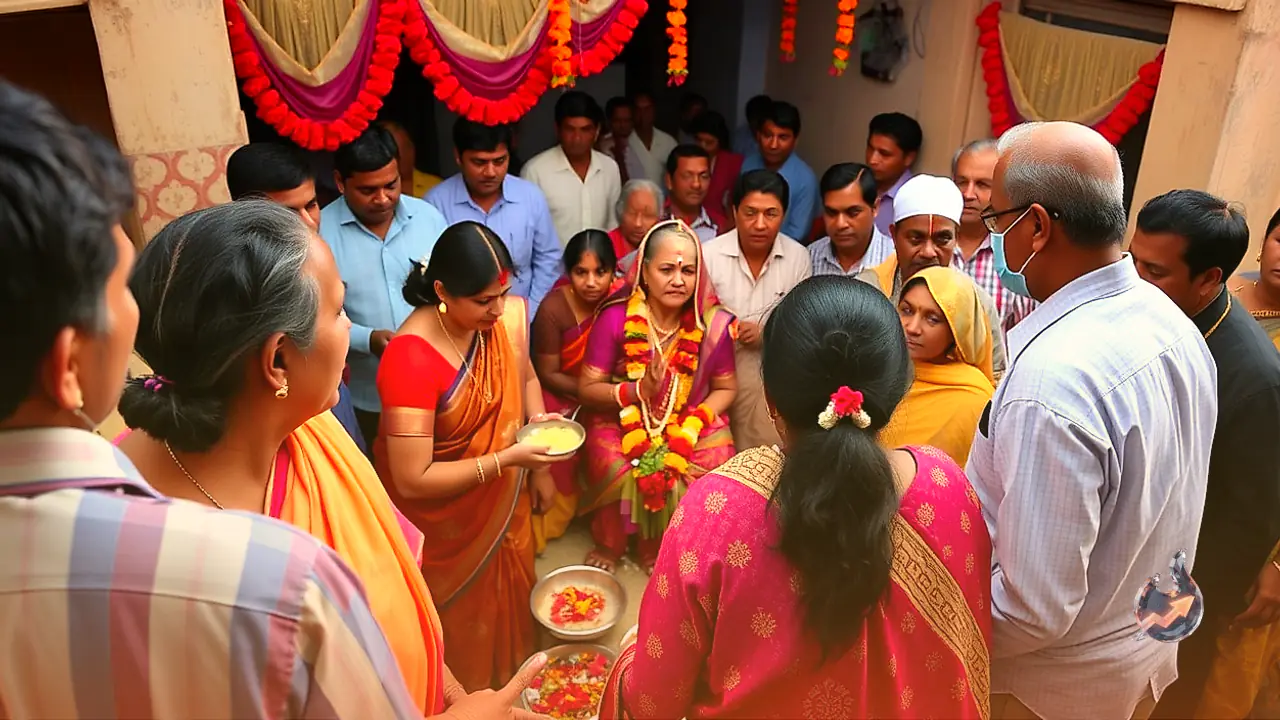
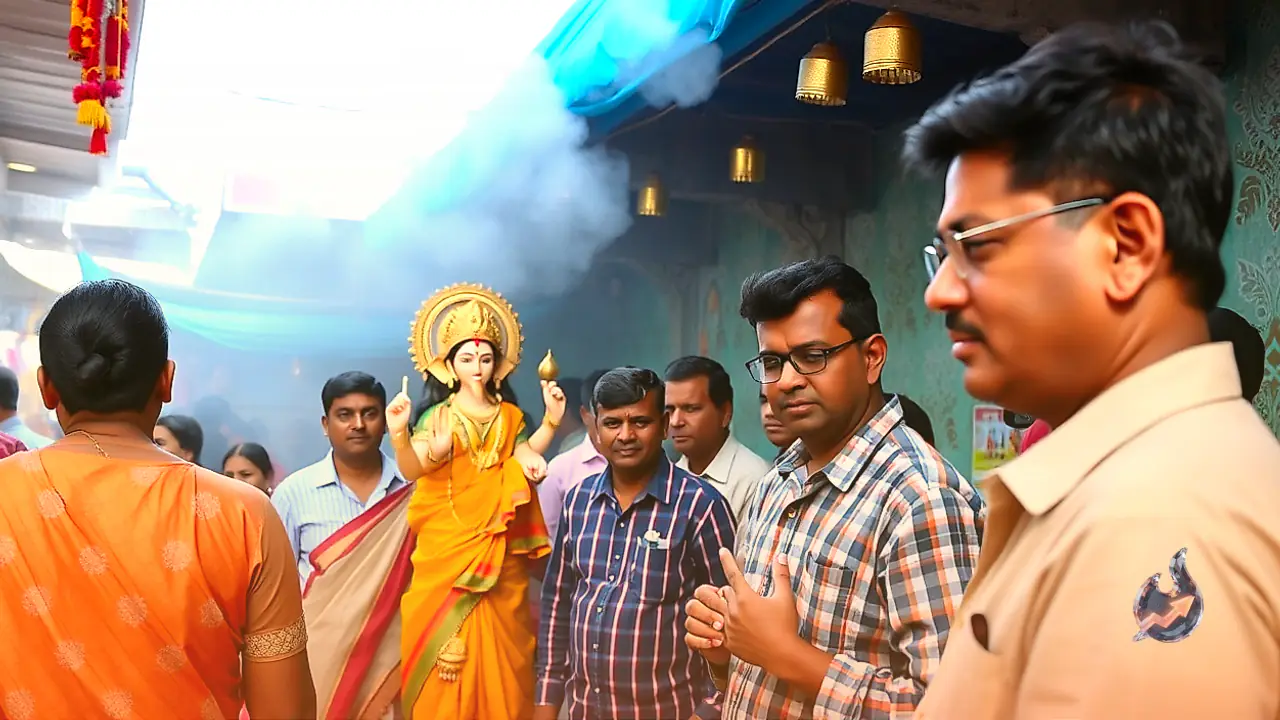














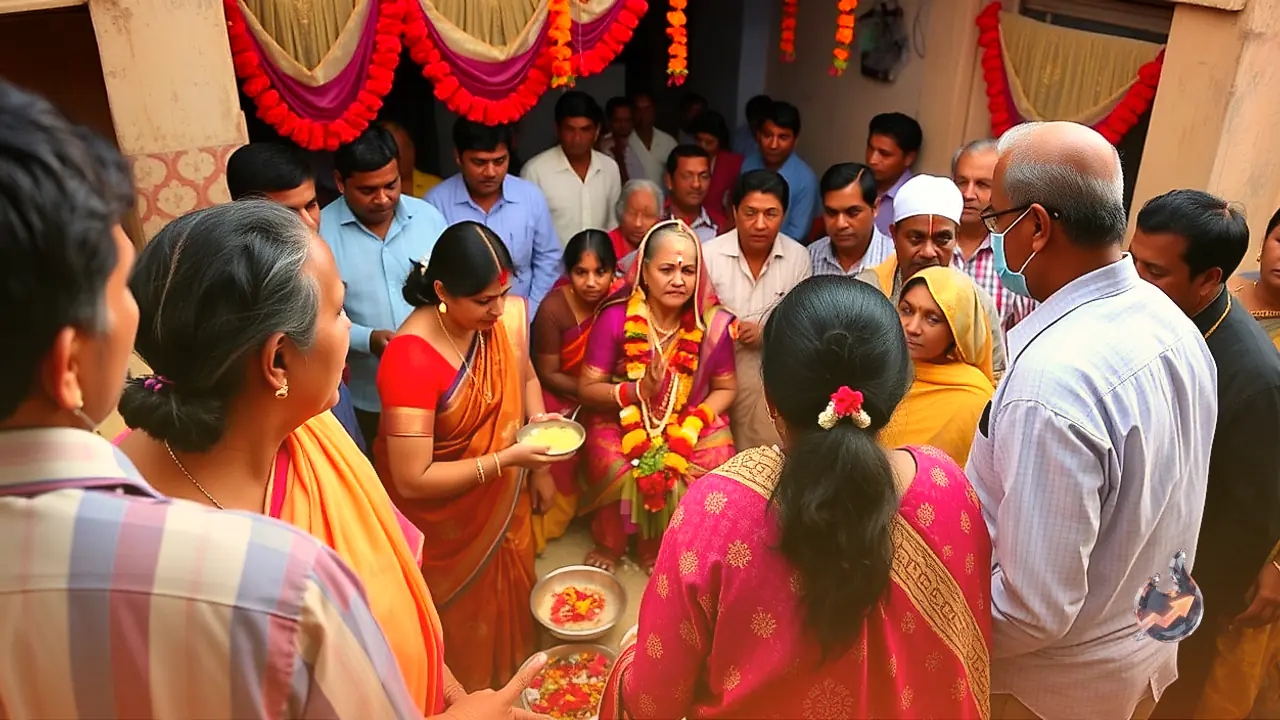

During the sacred fortnight of Pitru Paksha, the Navami Tithi of the Krishna Paksha in the month of Ashwin holds immense significance as Matru Navami. Traditional religious customs designate this day primarily for performing Shraddha, Tarpan, and Pind Daan dedicated to deceased mothers, grandmothers, wives, and other departed female forebears of the family. In scriptural terminology, this specific lunar date is widely recognized as Naumi Shraddha as well as Avidhav Shraddha. Relatives perform these traditional rituals to express genuine reverence, gratitude, and devotion toward the women of the household who have passed away.
Crucial Dates and Muhurat Timings for Matru Navami 2026
According to astronomical calculations, the Navami Tithi begins on 4 October at 5:51 AM and draws to a close on 5 October at 3:53 AM. Based on the Udaya Tithi rule observed in traditional calendar systems, the main observance of Matru Navami Shraddha will take place on Saturday, 4 October 2026.
Performing the ancestral rituals within the prescribed scriptural intervals is regarded as vital
- Kutup Muhurat: This favorable window begins at 11:46 AM and concludes at 12:33 PM.
- Rohini Muhurat: This interval directly follows Kutup, running from 12:33 PM until 1:20 PM.
- Aparahna Period: The designated afternoon duration for completing Shraddha duties spans from 1:20 PM through 3:42 PM.
Reasons Why Female Ancestors Are Honored on Navami Tithi
Standard rituals throughout Pitru Paksha generally require performing memorial rites on the precise lunar date on which an ancestor passed away. Nevertheless, a mother's Shraddha is traditionally observed on Navami Tithi regardless of the actual calendar date of her demise. Scriptural lore offers clear reasons for this convention: Navami is traditionally revered as a Saubhagyavati Tithi, carrying auspicious associations with feminine grace and fulfillment. Furthermore, this lunar phase belongs to Goddess Durga and specifically honors Siddhidatri, her ninth divine manifestation. Rites conducted on this day are believed to yield unceasing, fruitful outcomes and lead all righteous undertakings to completion. Consuming bottle gourd on this particular date, however, is strictly discouraged.
The spiritual essence of Matru Navami stems from the foundational role mothers hold in Indian heritage as pillars of character, upbringing, and familial stability. By carrying out rigorous rites for departed mothers, maternal grandmothers, paternal grandmothers, and wives, households convey enduring honor. Traditional belief maintains that conducting Shraddha on Navami nurtures family lineage, brings prosperity, inner peace, good fortune, and comfort, and fulfills cherished wishes through the blessings of maternal ancestors.
Important Instructions for Preparing the Shraddha Feast
Observing family customs and traditional standards with complete solemnity is indispensable on Matru Navami. Practitioners must prioritize internal purity and genuine devotion throughout the Tarpan and memorial offerings. Scriptural guidelines emphasize maintaining composure and actively shunning rage, disputes, and superficial displays. Cleanliness and strict adherence to pure vegetarian preparations must guide kitchen duties.
Essential guidelines for organizing the memorial feast include
- Conduct the core Shraddha rites strictly during the afternoon interval between 11:30 AM and 2:30 PM.
- Invite an eligible Brahmin alongside a married woman whose husband is living to partake in the sanctified meal.
- Keep your face positioned toward the south while performing Tarpan and silent contemplation.
- Exclude onions, garlic, bottle gourd, and any non-satvik ingredients entirely from the menu.
- Serve traditional satvik preparations such as kheer, pooris, pumpkin, or potato curries.
- Following the meal, present dakshina alongside auspicious tokens of marital longevity, including clothes, fruits, sindoor, kumkum, and bindi.