














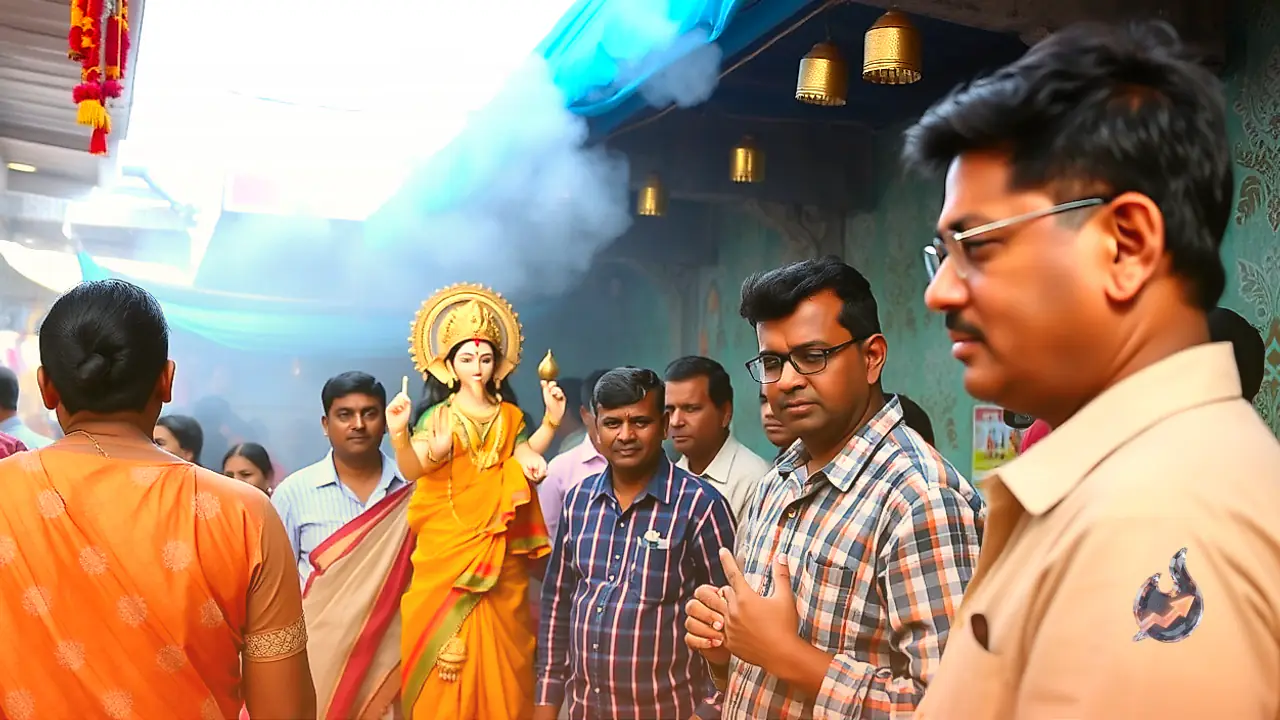

With Diwali just around the corner, festive preparations are underway everywhere. Homes are being cleaned and decorated, while local markets are bustling with shoppers purchasing ornamental items and ceremonial supplies. On the night of Diwali, families across the country worship Goddess Lakshmi and Lord Ganesh to invite lasting happiness, prosperity, and peace into their households. When purchasing idols for this auspicious evening, taking time to select the correct forms is considered essential to receiving the full benefits of the rituals. Observance of traditional guidelines helps ensure that the idols brought home align with sacred customs.
Crucial Postures and Directions for the Deities
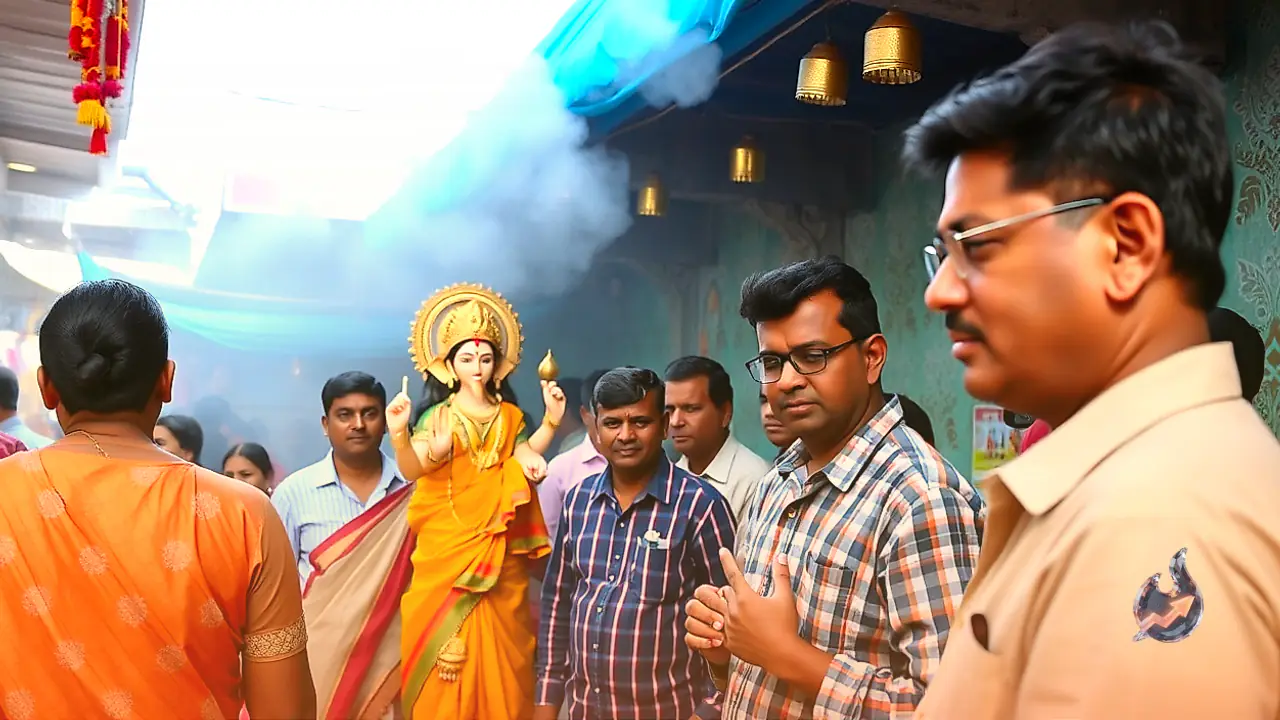
According to Pandit Yogendra Shukla, careful attention must be paid to the posture of Goddess Lakshmi while selecting an idol. One should never purchase an idol where Goddess Lakshmi is standing, as a standing posture signifies departure. Instead, devotees should always select an idol depicting the goddess in a seated posture, representing her sustained presence in the household.
Equally critical is the orientation of Lord Ganesh's trunk. Pandit Yogendra Shukla points out that Lord Ganesh's trunk should curve toward the left side. An idol featuring a rightward-curved trunk is not considered auspicious for Diwali worship at home.
Why Joined Idols and Damaged Pieces Should Be Avoided
Many idols available in the markets feature Goddess Lakshmi and Lord Ganesh fused into a single unified piece. Pandit Yogendra Shukla advises against buying such joint idols. The correct practice is to buy separate, individual idols for both deities so they can be arranged and revered appropriately during the rituals.
Buyers should also inspect the physical condition of the idols before bringing them home. An idol that has any cracks, chips, or scratches should never be purchased. Keeping or worshiping cracked idols is traditionally viewed as inauspicious, potentially inviting negative influences into the home.
Recommended Materials for the Holy Idols
The composition of the idols plays a significant role in ceremonial purity. Idols made from plastic or resin should be avoided, as such synthetic materials are thought to diminish the spiritual effect of the rituals. In contrast, idols crafted from natural clay or brass are regarded as the most auspicious choices because natural elements help enhance positive energy within the domestic space.
Pandit Yogendra Shukla emphasizes that religious scriptures specifically prescribe the use of clay idols for Diwali puja. In traditional practice, bringing holy soil from sacred rivers such as Ganga and Ken, or from a cowshed, to sculpt idols of Goddess Lakshmi and Lord Ganesh is regarded as exceptionally beneficial.
The Tradition of Annual Replacement and Proper Cleansing
Traditional customs also dictate that fresh idols be brought home every Diwali rather than reusing the same idols year after year. Devotees routinely bring new clay idols of Lord Ganesh and Goddess Lakshmi for Diwali night and ceremonially immerse them afterward. However, those who choose durable metal idols made of silver or brass can purify them using Ganga water or carry out formal consecration rituals before establishing them permanently in their home temple.