





















Within traditional Hindu observance, the auspicious month of Kartik holds a revered status as an ideal period for prayer, charitable giving, and disciplined spiritual practices. Acts of devotion, fasting, and charity undertaken throughout this sacred span are believed to yield manifold spiritual rewards. Central to these observances is the veneration of the holy basil plant, revered as an earthly embodiment of Goddess Lakshmi and deeply cherished by Lord Vishnu. Daily service to the sacred plant during Kartik represents not only deep spiritual devotion, but also serves as an enduring source of domestic harmony, tranquility, and positive vitality.
The Sacred Rite of Tulsi Vivah and Shaligram
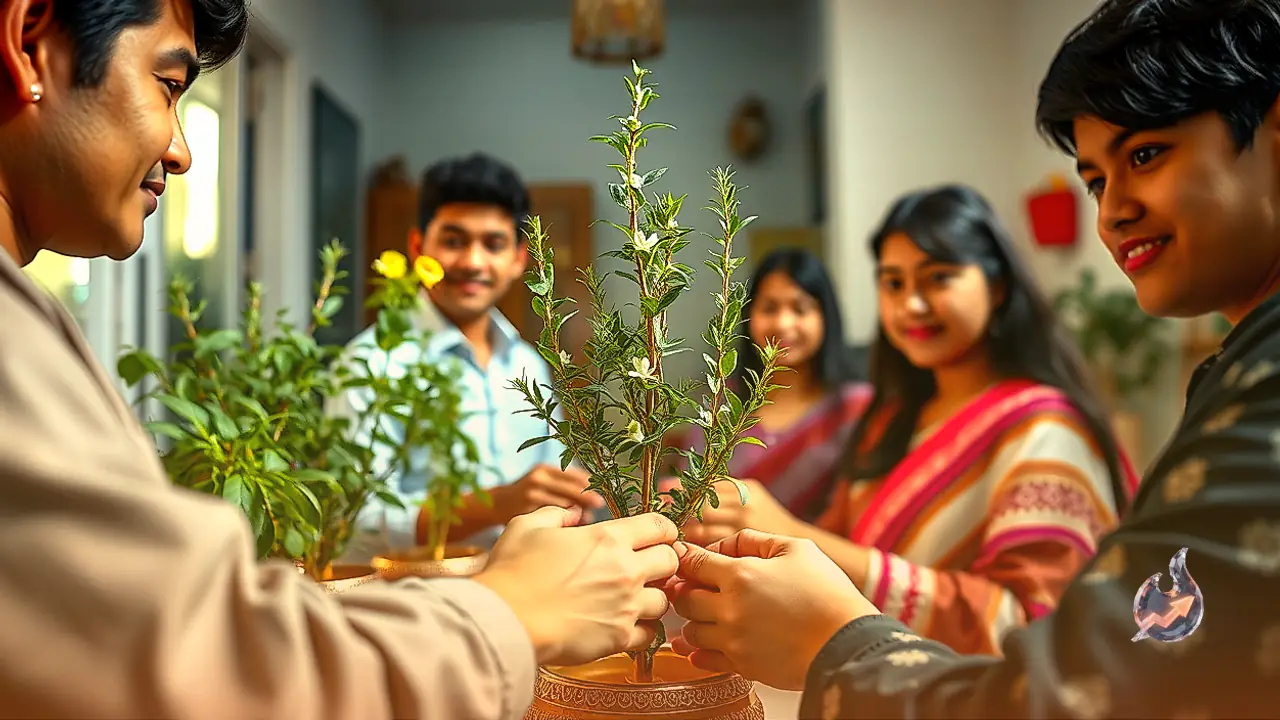
Sacred scriptures highlight the auspicious occasion of Kartik Shukla Ekadashi as the designated day for celebrating the solemn ritual of Tulsi Vivah. During this ceremony, the sacred plant is symbolically wedded to Shaligram, a sacred stone representation of Lord Vishnu. Practiced continuously across thousands of years, this time-honored custom carries profound reverence among devotees. Participating in or witnessing this divine union is widely believed to bestow the divine grace of Lord Vishnu, ushering enduring domestic bliss, prosperity, and spiritual contentment into one's household.
Morning and Evening Lamp Offerings for Household Purity
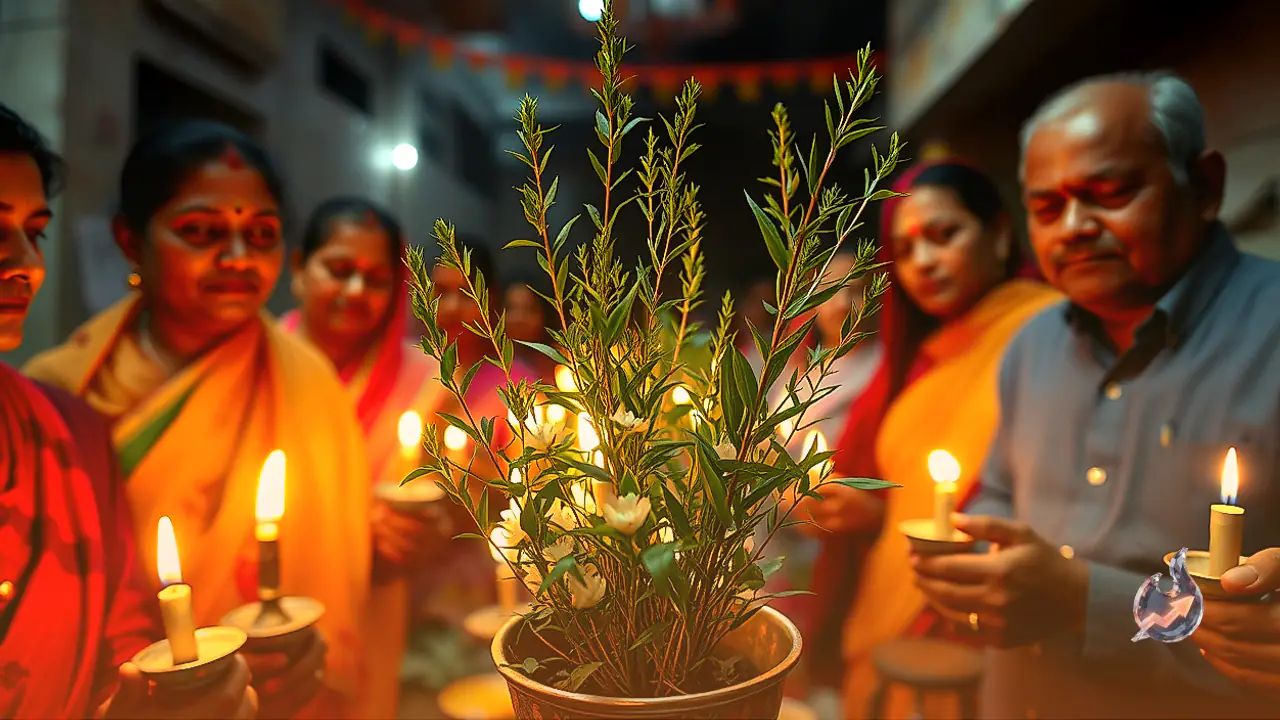
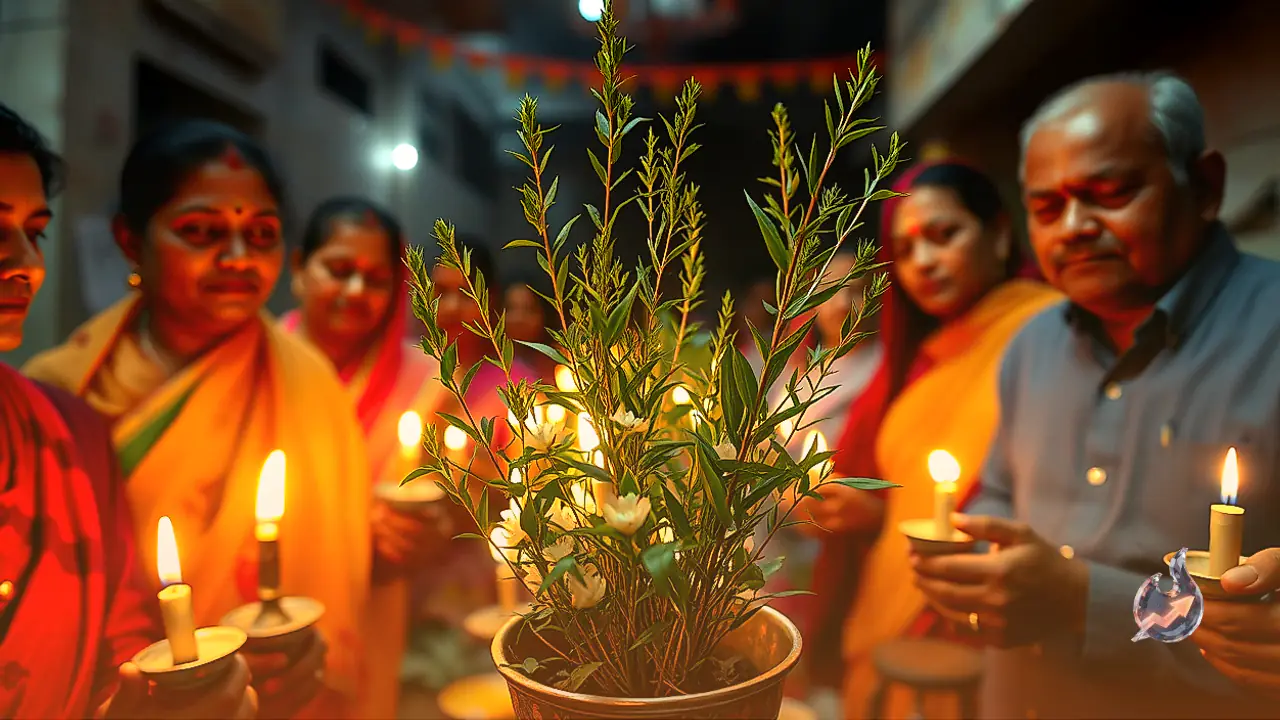
The esteemed status of the basil plant is deeply anchored in its unique blend of spiritual potency and natural air-cleansing properties. Cultivating the plant within a residential courtyard or balcony actively disperses stagnant energies and purifies the living environment. Routine practices during the month of Kartik encourage offering fresh water each morning and placing a gently burning earthen lamp beside the plant at twilight. These mindful devotions provide steady mental calm while safeguarding the household with auspicious energy and sustained vitality.
Awakening of Lord Vishnu from Divine Slumber
Scriptural lore relates that the month of Kartik aligns with the awakening of Lord Vishnu from His four-month period of cosmic slumber, known as Yog Nidra. The commencement of this divine awakening initiates comprehensive devotional prayers centered on the basil plant. Throughout the month, worshippers faithfully circle the sacred plant, burn earthen lamps, and sing evening hymns in prayerful circumambulation. Such consistent devotion is traditionally viewed as a path toward dissolving past transgressions, elevating internal consciousness, and progressing toward spiritual liberation.
Therapeutic Qualities and Traditional Ayurvedic Science
Beyond its sacred religious standing, the basil plant demonstrates remarkable biochemical merits verified through empirical study. Its vibrant green leaves contain vital therapeutic compounds that bolster human immune defenses, offering resilient protection against seasonal chills, coughs, and recurring infections. These versatile health attributes explain why traditional medical wisdom honors the plant as an indispensable domestic protector and widely reveres it as the undisputed queen of Ayurveda.
Devotional engagement with the sacred basil during the month of Kartik transcends formal religious ritual, reflecting an integrated celebration of purity, robust physical well-being, and mutual affection. Lighting a quiet lamp before the plant symbolizes the dispelling of inner ignorance and the welcoming of luminous spiritual understanding, ensuring that this sacred shrub remains an enduring focal point of reverence in homes across generations.