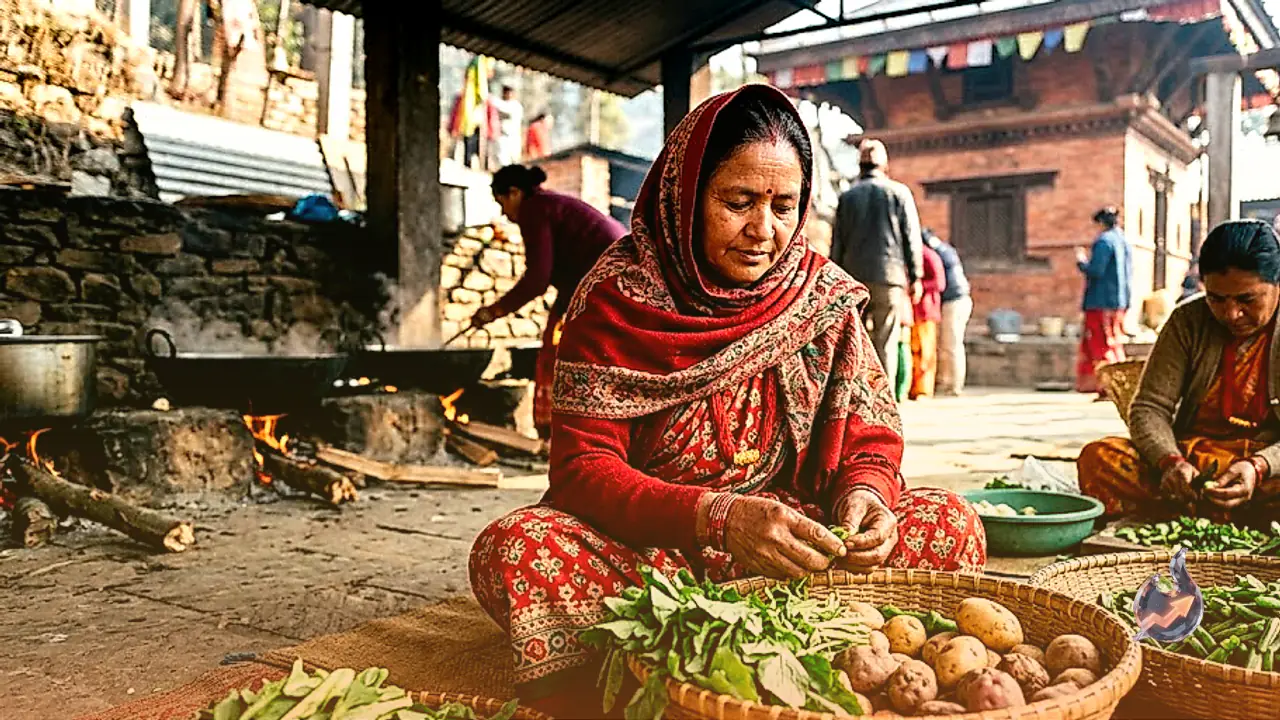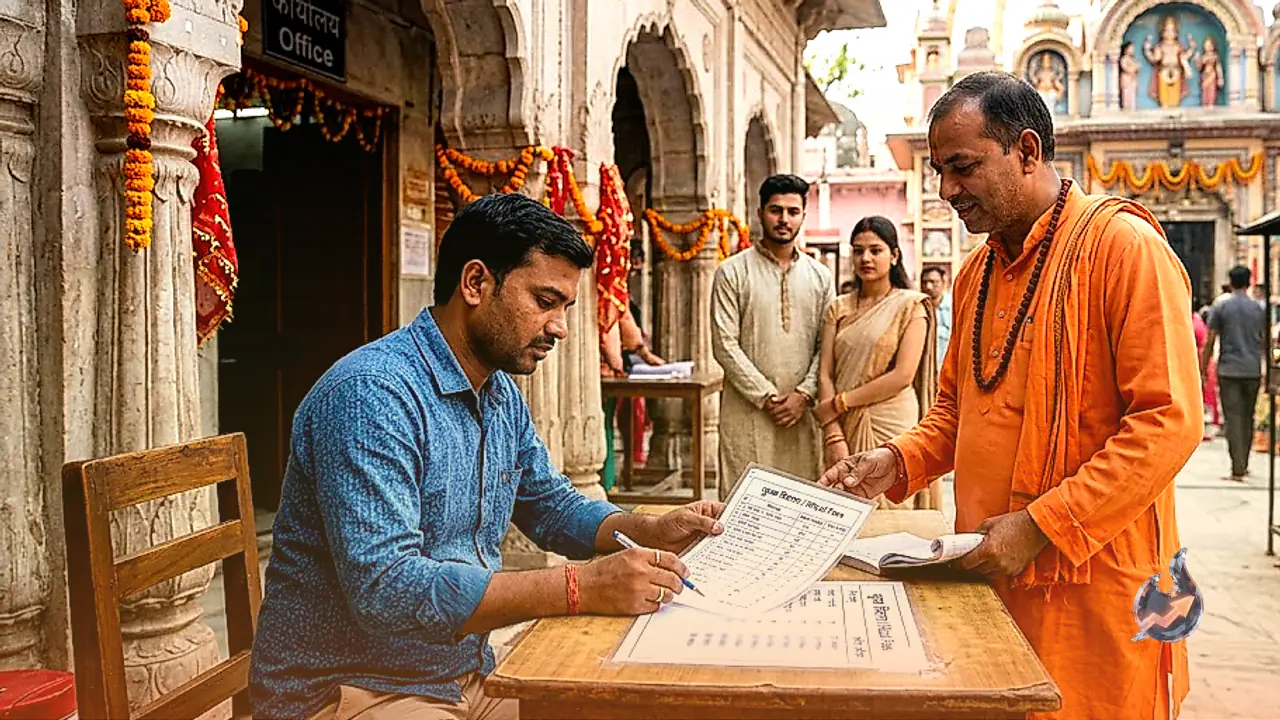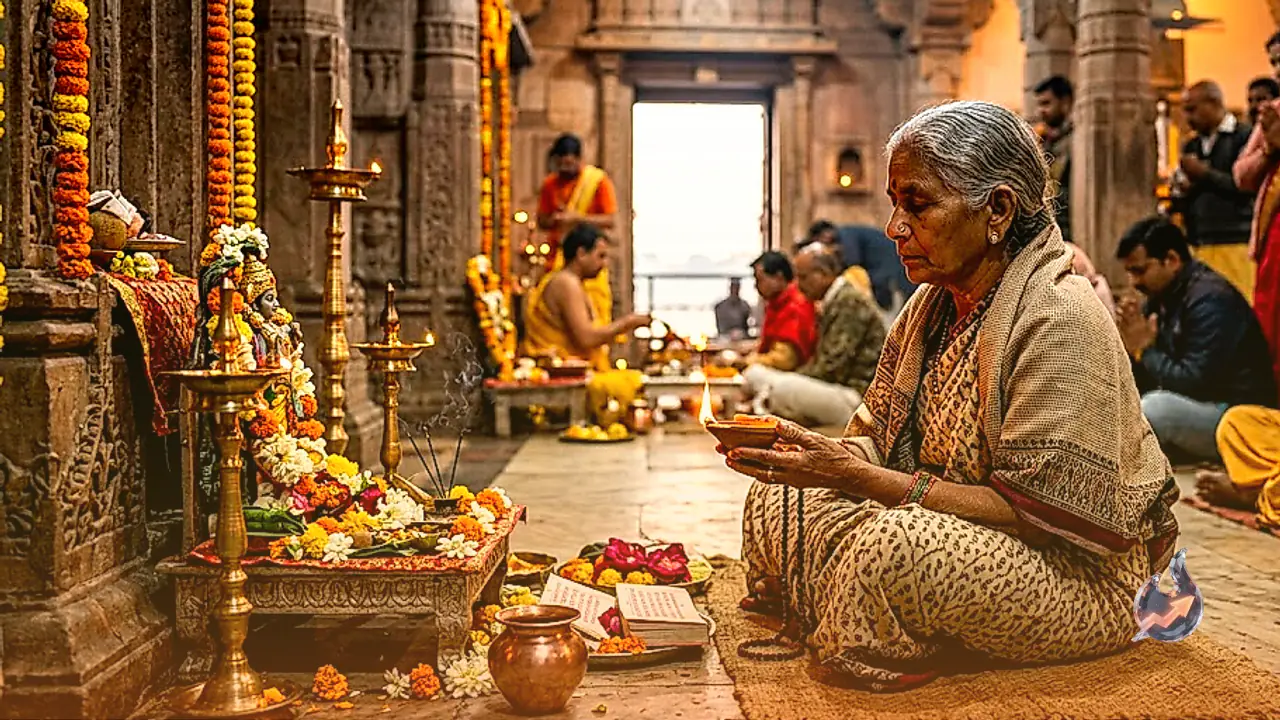

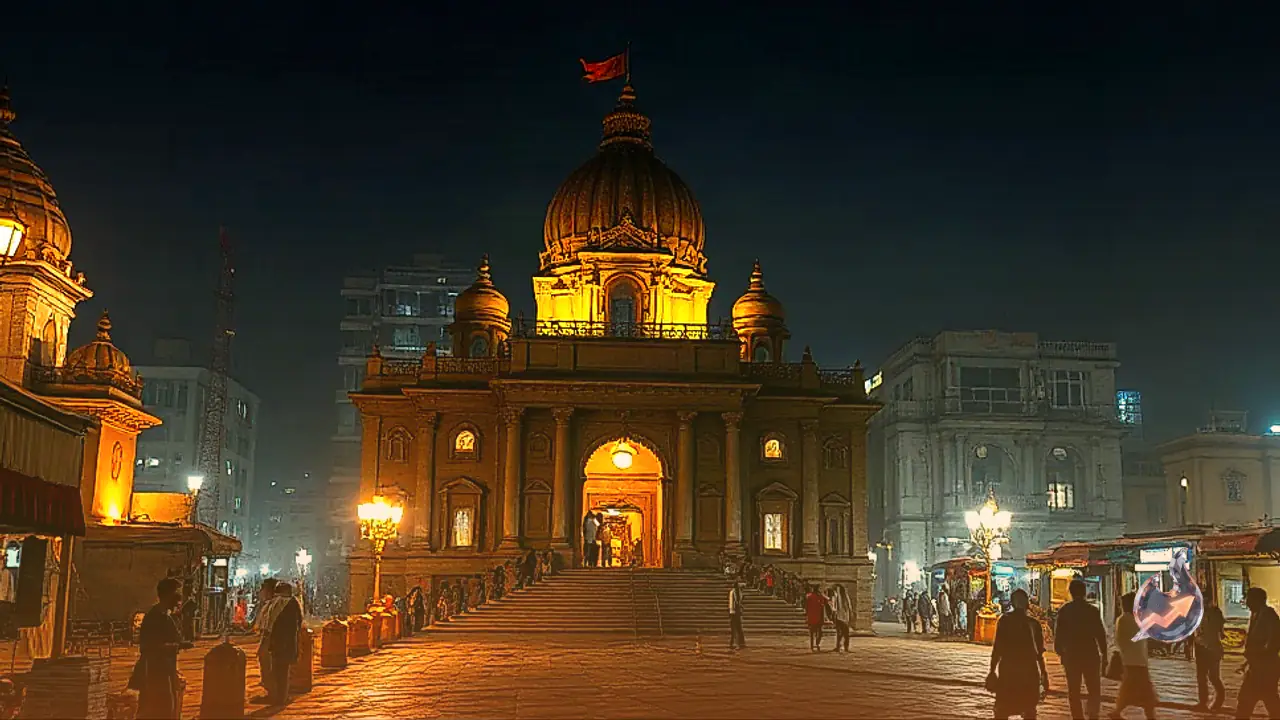














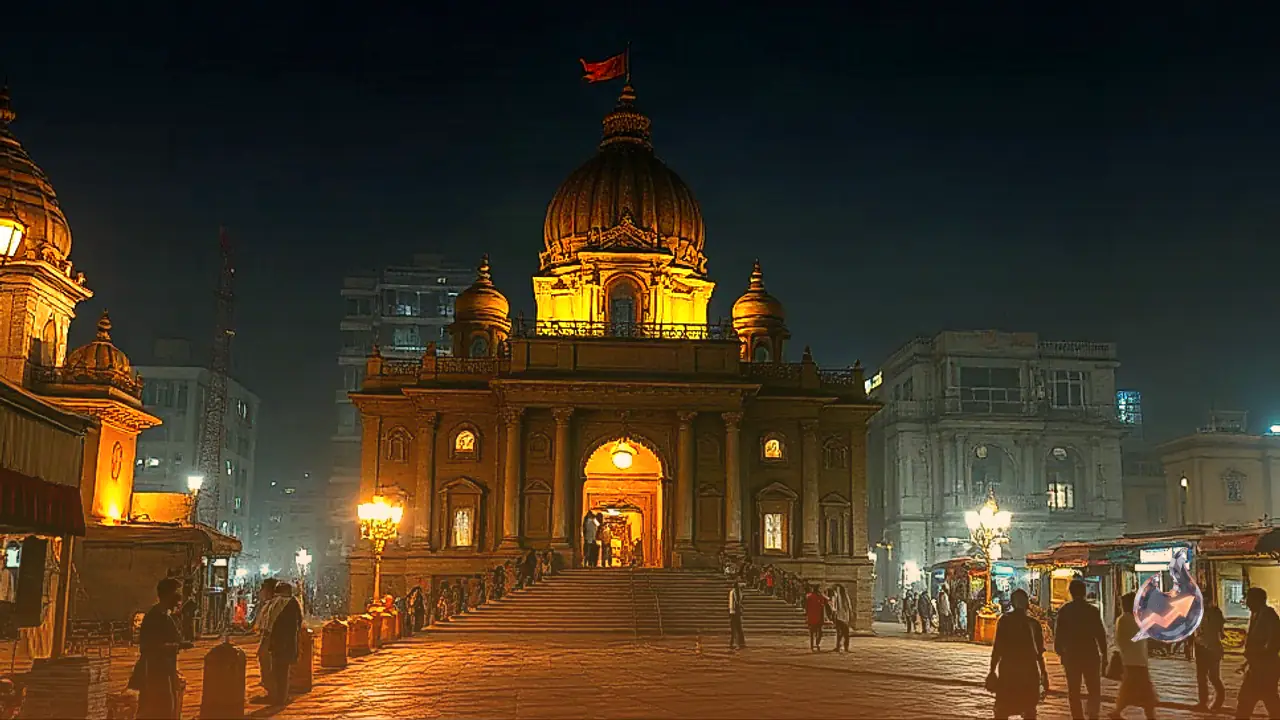

Makar Sankranti marks a joyous milestone in the cultural calendar, celebrated across the country with religious fervour, charity, and culinary festivities. A cherished, centuries-old custom on this auspicious festival involves cooking and sharing flavourful khichdi alongside an assortment of homemade festive delicacies. While families traditionally gather to enjoy this meal as part of their seasonal celebrations, the upcoming festival brings a unique astrological and religious circumstance that will prevent many devotees from consuming khichdi on the day itself.
A 19-year astrological alignment on Wednesday
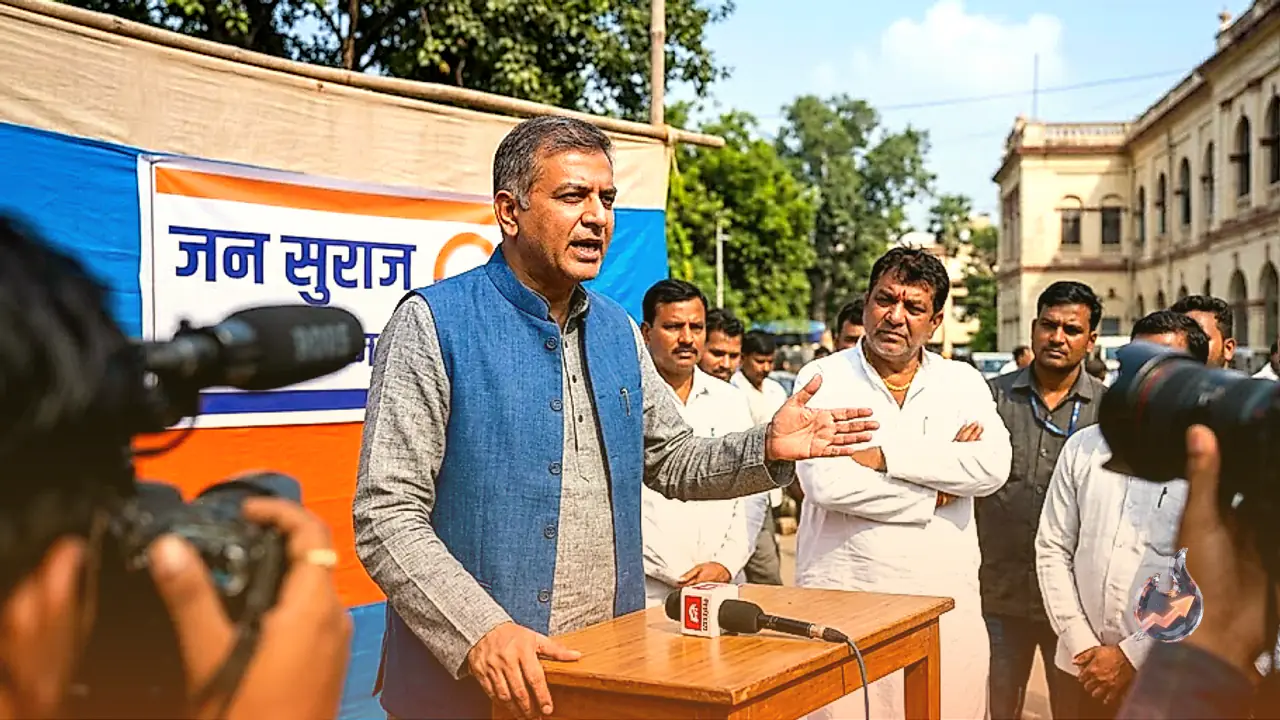
The festival of Makar Sankranti will be observed on Wednesday, 14 January 2026. Astrologer Pandit Manotpal Jha from Purnia explained that while eating khichdi is by no means prohibited on Makar Sankranti, the day coincides exactly with Shattila Ekadashi. Such an intersection of Makar Sankranti and this particular Ekadashi fast is taking place after a gap of approximately 19 years, lending rare spiritual significance to the occasion.
The strict ban on rice during Ekadashi fasts
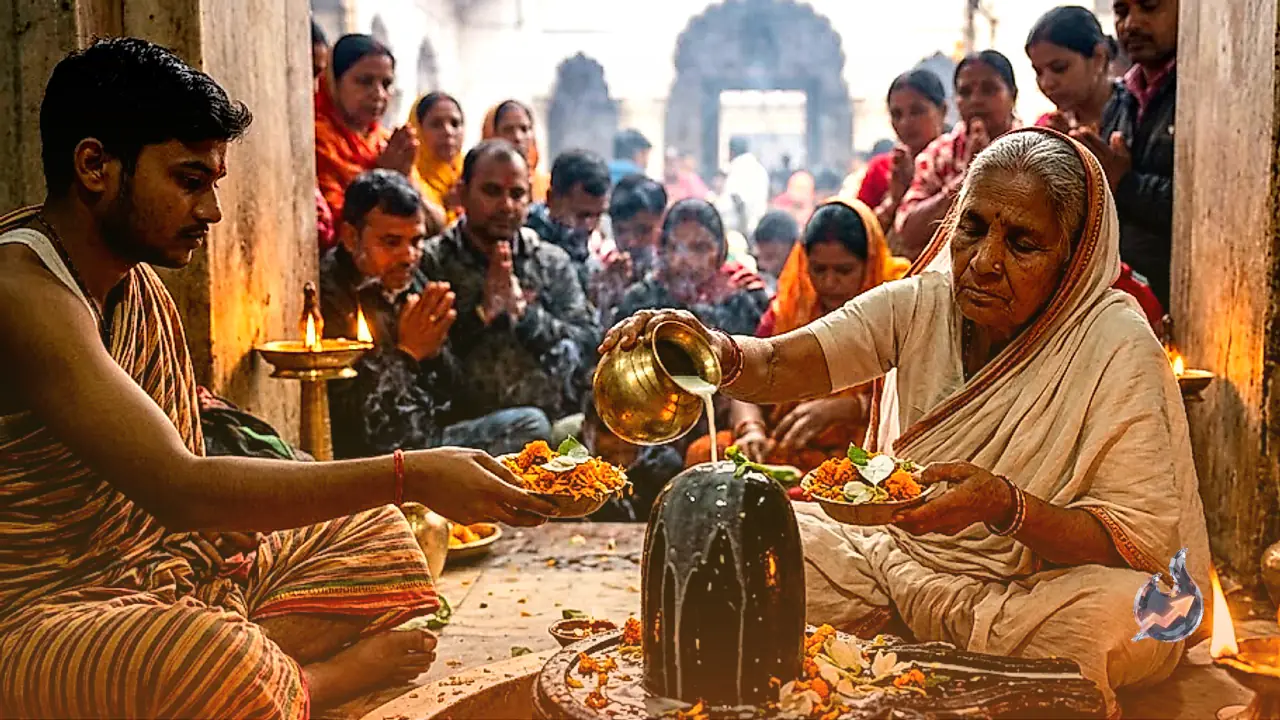
In traditional Hindu practice, Ekadashi is dedicated entirely to the worship and adoration of Lord Vishnu. A central stricture for anyone undertaking this sacred fast is the complete avoidance of rice in any form. Religious tenets hold that consuming rice on Ekadashi impairs the spiritual efficacy of the observance. Because khichdi relies fundamentally on rice as a primary ingredient, devotees observing the fast in honour of Lord Vishnu will have to forgo the classic dish during their Makar Sankranti festivities.
Rules for fasting devotees and non-fasters
Pandit Manotpal Jha clarified that the restriction applies specifically to those observing the Ekadashi fast. Devotees committed to the ritual can simply prepare and consume their festive khichdi on the following day after completing their fast. Meanwhile, households and individuals who do not observe the Ekadashi fast remain entirely free to prepare and enjoy the traditional khichdi on Makar Sankranti without any hesitation.