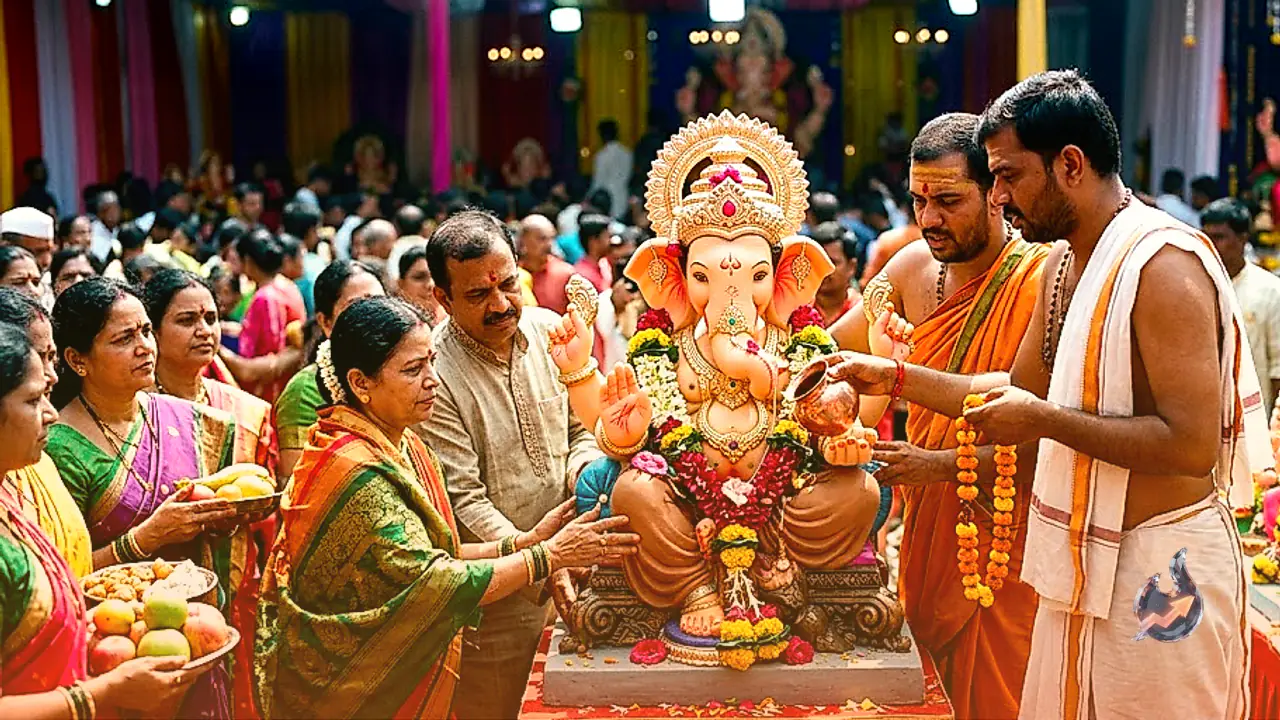





















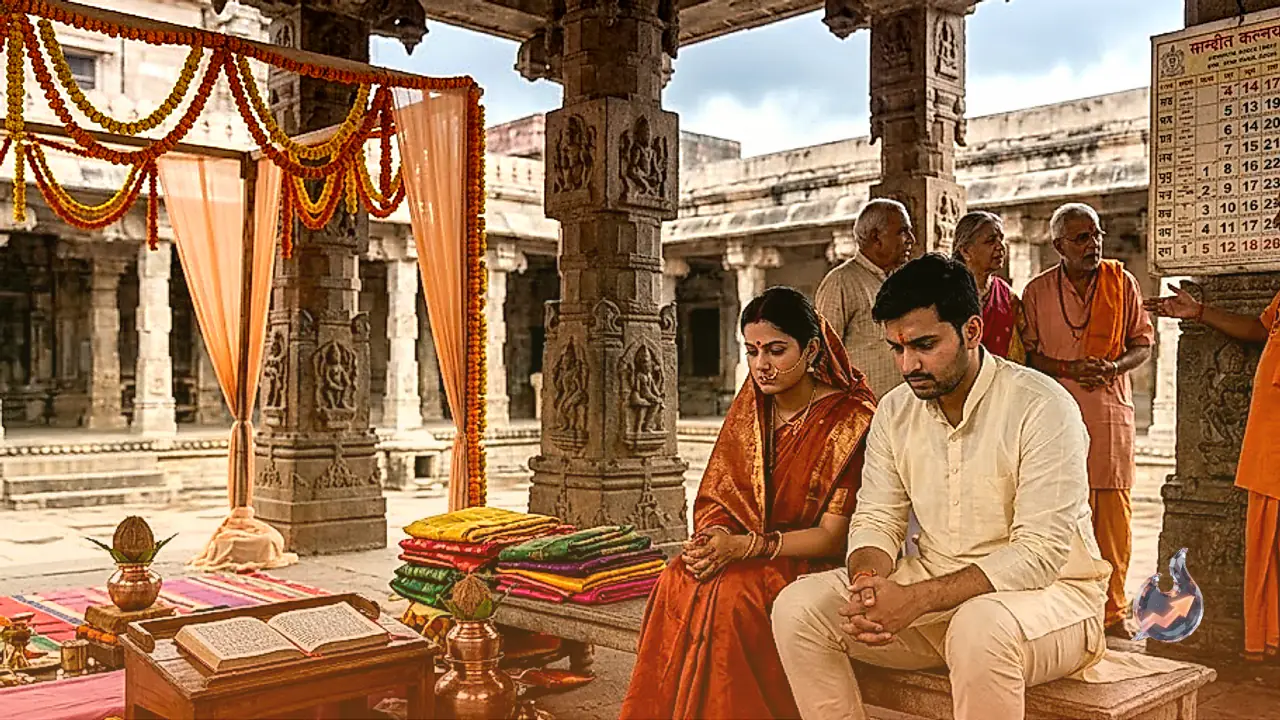

In Hindu customs and Sanatan tradition, determining a propitious time through an accurate astrological calendar is considered an essential prerequisite before inaugurating any new endeavor, festival, or sacred ceremony. Whether a family is organizing a wedding, carrying out a housewarming, arranging a tonsure ceremony, or conducting major worship rites, planetary alignments, constellations, and specific lunar dates are carefully evaluated. During these calculations, an advisory warning frequently arises regarding the presence of Bhadra. Astrological guidance routinely advises postponing auspicious ceremonies while Bhadra remains active, leading many to examine the scriptural roots behind why this specific phase is deemed unsuitable for major milestones.
Scriptural Lineage and the Fierce Persona of Bhadra
Ancient scriptures describe Bhadra not merely as an abstract temporal window, but as an energetic divine persona with a distinct mythological origin. Senior astrologer Pandit Kalki Ram from Ayodhya explains that according to sacred texts, Bhadra is the daughter of the sun deity Lord Surya and Mother Chhaya. By virtue of this divine birth, she is the direct sister of Lord Shani Dev, the dispenser of karmic justice. Just as Shani is widely recognized for his rigorous judgment and unyielding discipline, scriptures characterize Bhadra as possessing an exceptionally fierce, intense, and wrathful disposition, which makes her presence disharmonious for peaceful celebrations.
The Disruptive Aspect and Prohibition on Sacred Ceremonies
Astrological interpretations state that when Bhadra falls within a specific lunar date or timeframe, her influence tends to disturb the flow of peaceful and benevolent endeavors. Because of this inherent tendency, classical lore refers to her as a deity who brings impediments to beneficial gatherings. Sacred texts provide explicit guidelines warning that auspicious rites, including marriages, tonsure ceremonies, stepping into a new home, and ground-breaking rituals for new land, should be completely avoided during her phase. Undertaking these events amid her influence is believed to heighten the risk of disruptions, unexpected hurdles, disputes, and counterproductive results.
Parallels with Shani Dev and Prominent Marking in Almanacs
Pandit Kalki Ram highlights that in the same manner that Lord Shani Dev is known for his fiery anger and strict judgment, Bhadra is similarly identified as existing in a constant state of fury. Any constructive, harmonious enterprise initiated during her operational window fails to yield the intended spiritual or material fruition. To protect households from inadvertent missteps, traditional Panchang compilers specifically highlight and designate the exact starting and ending hours of Bhadra, ensuring ordinary citizens do not unknowingly initiate life milestones under her influence.
Permissible Rigorous Practices and Everyday Precautions
While mainstream domestic life and celebratory occasions treat the Bhadra period as wholly unfavorable, specialized branches of esoteric practice view it differently. Traditional guidelines permit certain vigorous spiritual disciplines, protective rites, and rituals aimed at subduing adversities or mitigating rivals during this intense duration. For regular societal celebrations, household functions, and festival observances, it remains strictly an inauspicious span. Whenever festival rituals intersect with this phase, practitioners wait patiently for her influence to conclude before performing their sacred rites, preserving an enduring custom of consulting the almanac before embarking on major ventures.