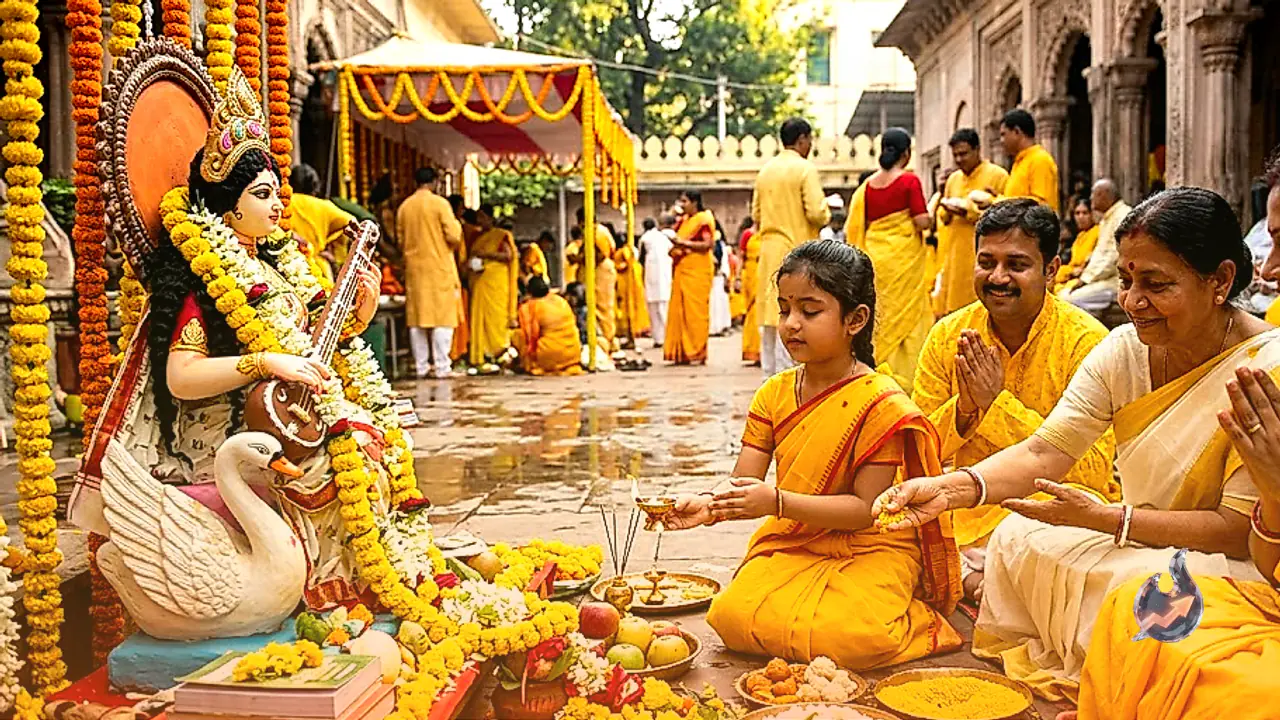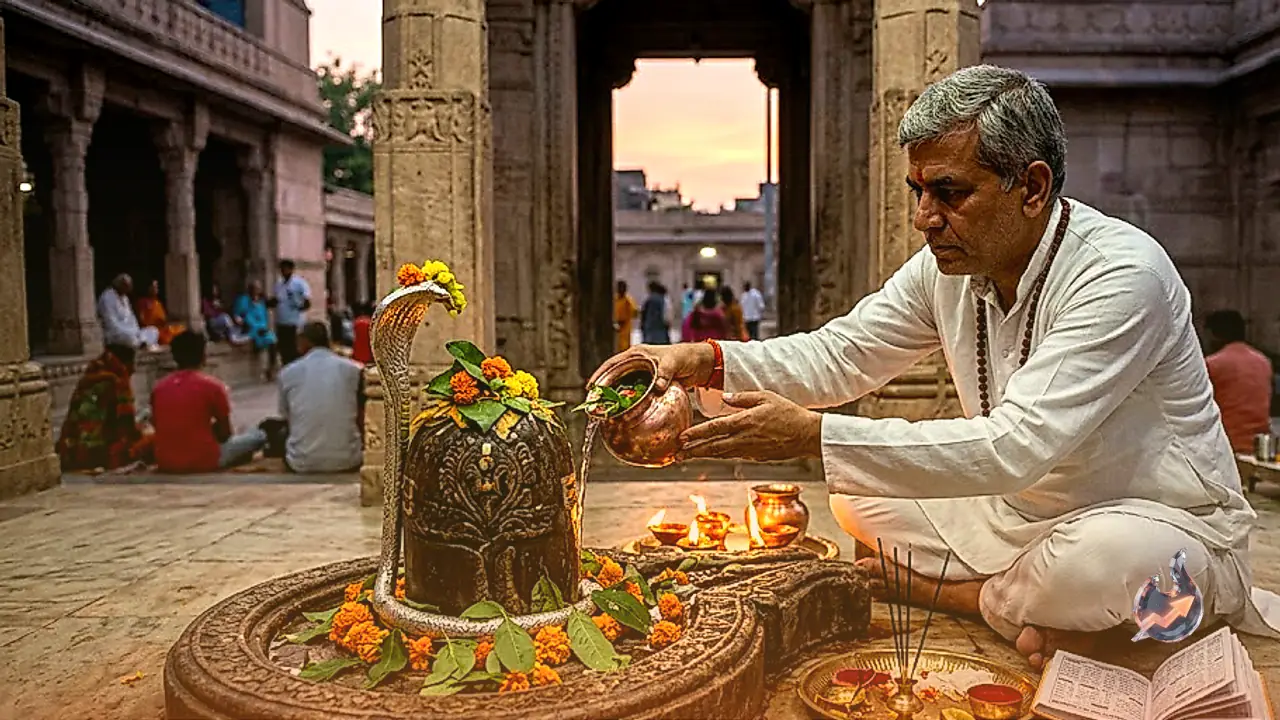







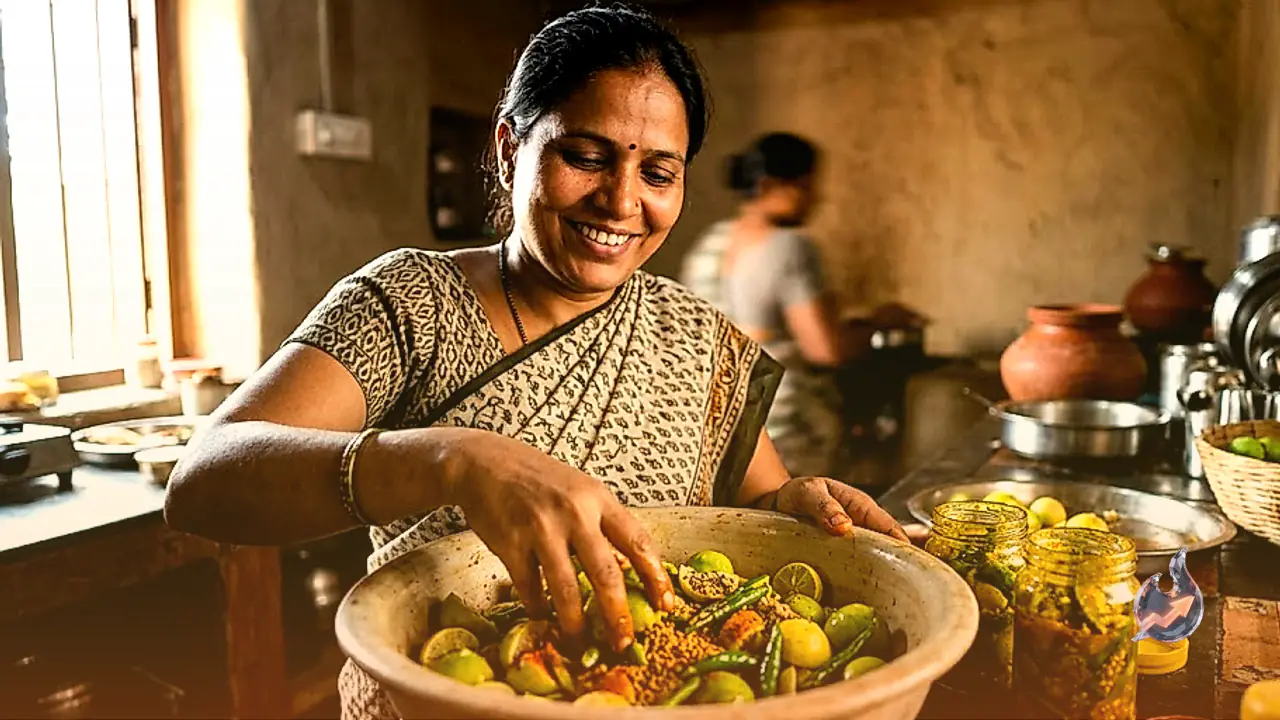
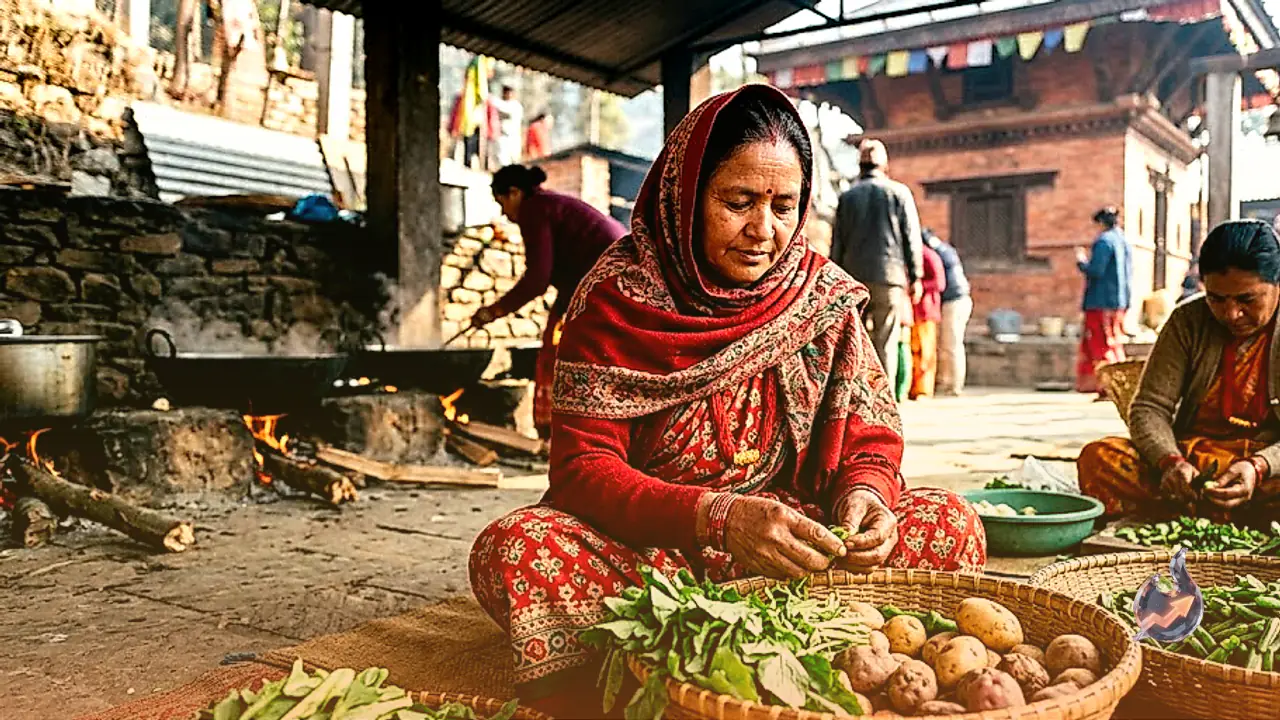














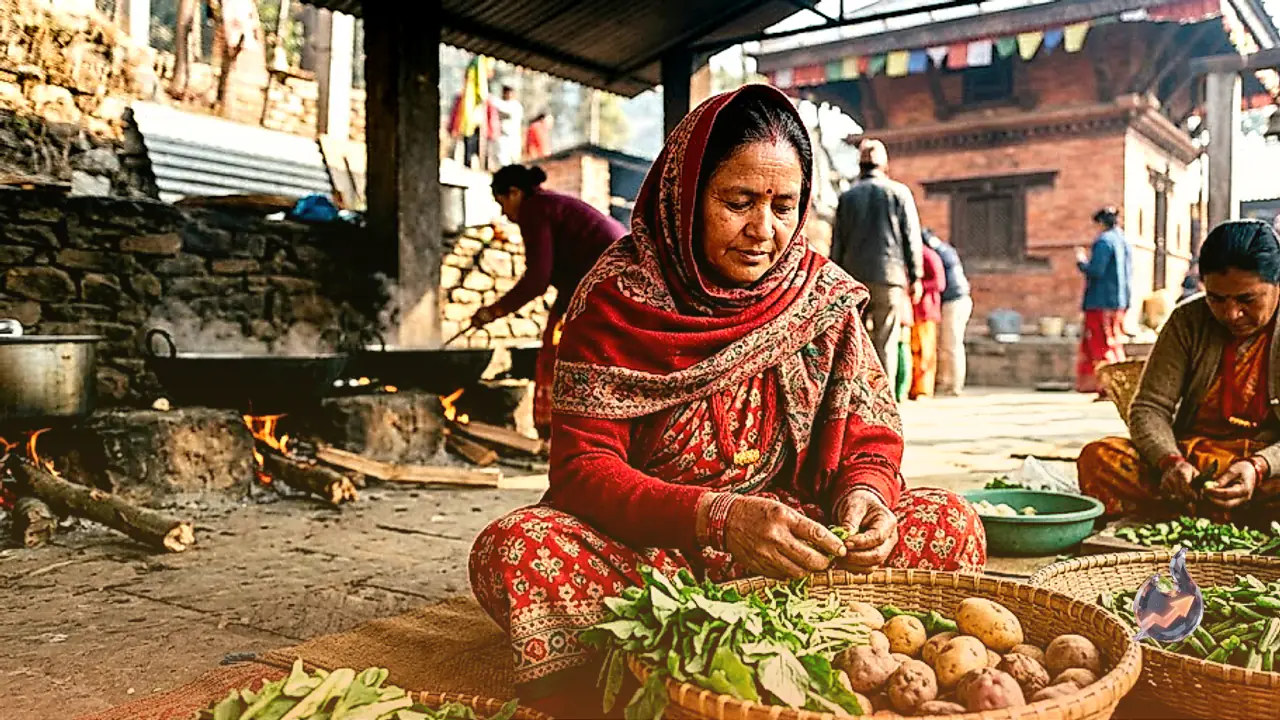

In Hindu traditions, the month of Magh holds profound spiritual significance, observed as a time dedicated to devotion, charity, ritual bathing, and spiritual discipline. Maintaining a peaceful, serene, and spiritually pure environment within the household takes center stage during this period, leading many households to adopt disciplined dietary habits. While avoiding onions and garlic is a well-known custom due to their classification as tamasic foods that are traditionally kept away from worship, fewer people realize that radish is also subject to seasonal dietary restrictions in certain traditions, despite being a staple winter food enjoyed in salads, cooked dishes, and stuffed flatbreads.
Traditions Behind Skipping Radish in the Holy Month
The practice of setting aside radish during Magh is grounded in regional customs and health considerations. Pandit Uma Chandra Mishra explains that sacred texts do not explicitly or directly forbid the consumption of radish. However, certain traditional perspectives classify radish alongside stimulating, raw, or irritant substances, referred to in some viewpoints as shraaf. Because of this categorization, devotees engaged in meditation, daily prayers, and spiritual practices often choose to exclude it from their meals.
Physical digestion also plays an essential part in this seasonal choice. Pandit Uma Chandra Mishra points out that radish tends to cause gas, bloating, and stomach discomfort in many individuals. When engaging in religious observance, maintaining an upset-free digestive system is essential. Just as onions and garlic are avoided for their perceived tamasic nature that disrupts focus, radish is similarly left out by several families seeking to keep their physical and mental states balanced throughout this sacred window.
Daily Disciplines, Sacred Baths, and Pure Nourishment
Magh is treated as an intensely sacred period during which dedicated observers undertake month-long fasts, gather along the banks of the Ganges for holy dips, and consume strictly wholesome food. While explicit textual prohibitions against radish may not exist, the scriptures place strong emphasis on keeping one's nourishment light, pure, and easy to digest.
Waking up at 4 AM to bathe during this month is regarded as highly auspicious. For devotees who do not live near the Ganges or are unable to travel to riverbanks, traditional wisdom offers an accessible alternative: adding two drops of Gangajal into regular bath water at home. This practice is believed to bestow the spiritual merit of an authentic holy dip, reflecting the belief that even the sight and thought of the sacred river cleanses the mind.
Focusing on Inner Purity and Mindful Eating
Pandit Uma Chandra Mishra notes that outside of items like radish, garlic, and onions, devotees can comfortably consume a wide range of nutritious and satvik foods during Magh. Green leafy vegetables, lentils, milk, curd, and fresh fruits form an ideal and healthy winter diet that aligns with the season's devotional spirit.
Ultimately, the true significance of the month of Magh lies beyond external physical habits, focusing on cultivating a calm, purified, and steady mind. Guided by this spiritual objective, families establish personalized household rules and carefully select their meals to support both inner tranquility and physical well-being.