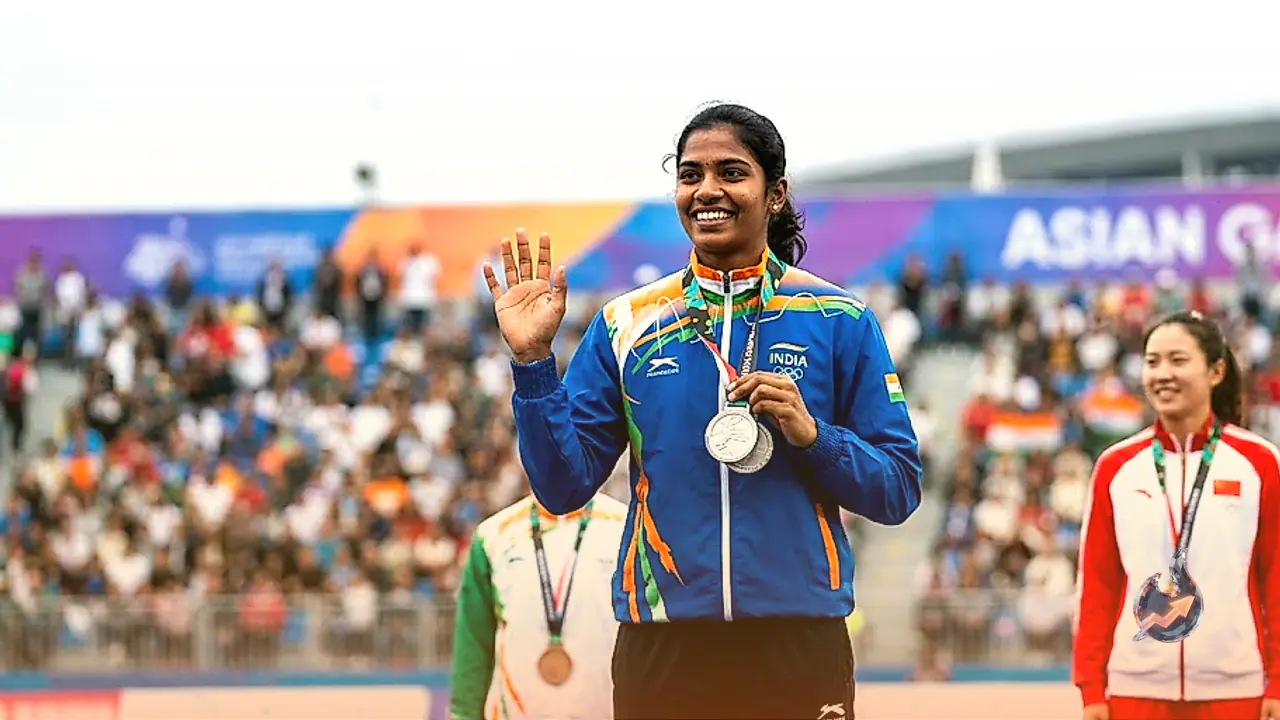





















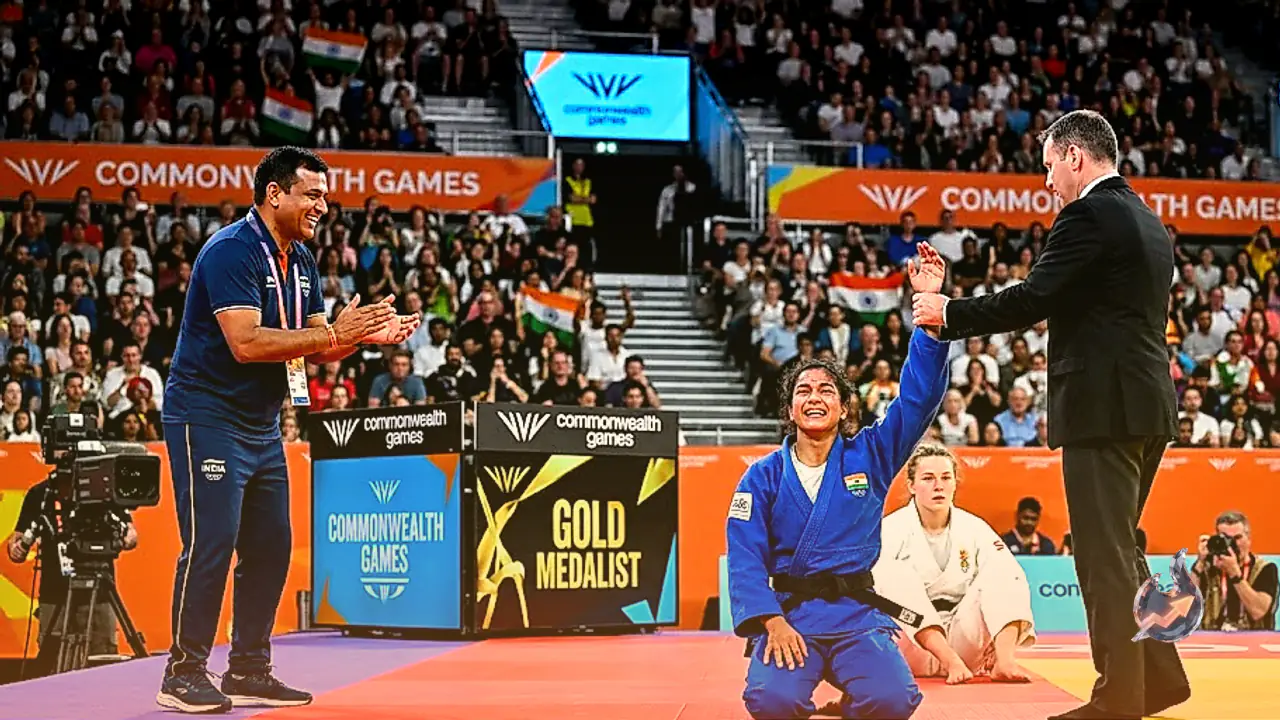

Indian judoka Asmita Dey produced an extraordinary performance at the Commonwealth Games in Glasgow, clinching a historic gold medal through sheer tactical brilliant and resilient willpower. Competing in her debut Commonwealth Games, Asmita navigated through intense bouts, displaying exceptional combat skills and unwavering composure on the mat. Her journey to the top of the podium reflects years of disciplined training, strategic guidance from her coach, and an indomitable mindset forged through personal adversity.
Overcoming Controversial Fouls Against Scotland's Top Judoka in the Semi-Final
The semi-final bout presented a formidable psychological challenge for Asmita as she was pitted against the home favorite and Scotland's top-ranked judoka. Early in the match, match officials handed Asmita two penalty points. While Asmita acknowledged that the first foul was fair, she felt the second penalty was unjustified. Facing the home crowd and rapid penalty calls, anxiety briefly crept in over potential refereeing bias.
Refusing to let frustration dictate her performance, Asmita adjusted her combat strategy. Recognizing that defensive maneuvers could lead to further penalties, she launched an aggressive offensive. Under judo regulations, if a four-minute regulation bout ends without a decisive score, the match proceeds to the 'Golden Score' overtime phase, where the first athlete to score wins instantly. Asmita maintained tactical focus into the Golden Score period and executed a decisive throw to overcome her opponent and secure a spot in the final.
The Final Clash Against Canada and Coach Yashpal Solanki's Turning Point
In the final showdown, Asmita faced a physically imposing opponent from Canada. The Canadian judoka made an aggressive start, scoring early points and putting Asmita on the back foot. Trailing early in the bout, doubt crossed Asmita's mind for a few seconds, making her fear that she might have to settle for the silver medal.
The course of the match altered dramatically due to timely intervention from the sidelines. Her coach, Yashpal Solanki, shouted loudly from the mat boundary, reminding her that the gold medal belonged to India and they had to claim it. Re-energized by her coach's conviction, Asmita mounted a swift comeback, equalizing the points before regulation time ended. In the ensuing Golden Score period, she struck decisively to claim victory and secure the gold medal for India.
Grassroots Beginnings in Tripura, Personal Grief, and Philosophical Outlook
Asmita's rise to international success is rooted in perseverance through hardship. She began her judo training at the school level in her home state of Tripura in 2015. Shortly after initiating her sporting journey, she suffered a crushing personal loss when her father passed away. The tragedy left her shattered, making her feel as though her world and sporting dreams had come to an end. However, sustained encouragement from her coach and mentors helped her navigate through grief and resume her training.
Reflecting on her journey, Asmita emphasized that success never comes easily to anyone. Drawing inspiration from spiritual history, she noted that even Lord Krishna was born in a prison and spent his early childhood away from his biological parents. She expressed that if divine figures experienced intense struggles during their lives, ordinary humans must also face life's obstacles with courage rather than fear.
Future Horizons: Aiming for Asian Games and World Championship Gold
Having conquered the Commonwealth Games platform, Asmita Dey has firmly set her sights on upcoming major international tournaments. Her primary objective now is to compete in the Asian Games and the World Judo Championships. Committed to maintaining her rigorous daily training routine, Asmita aims to repeat her gold-medal success on these prestigious global stages and bring further laurels to the country.