























The worldwide business of sport is on track to roughly double in size within the next ten years, and a large share of that growth will come from one specific audience, Latino fans, according to a new McKinsey research report.
Scale of the Expansion
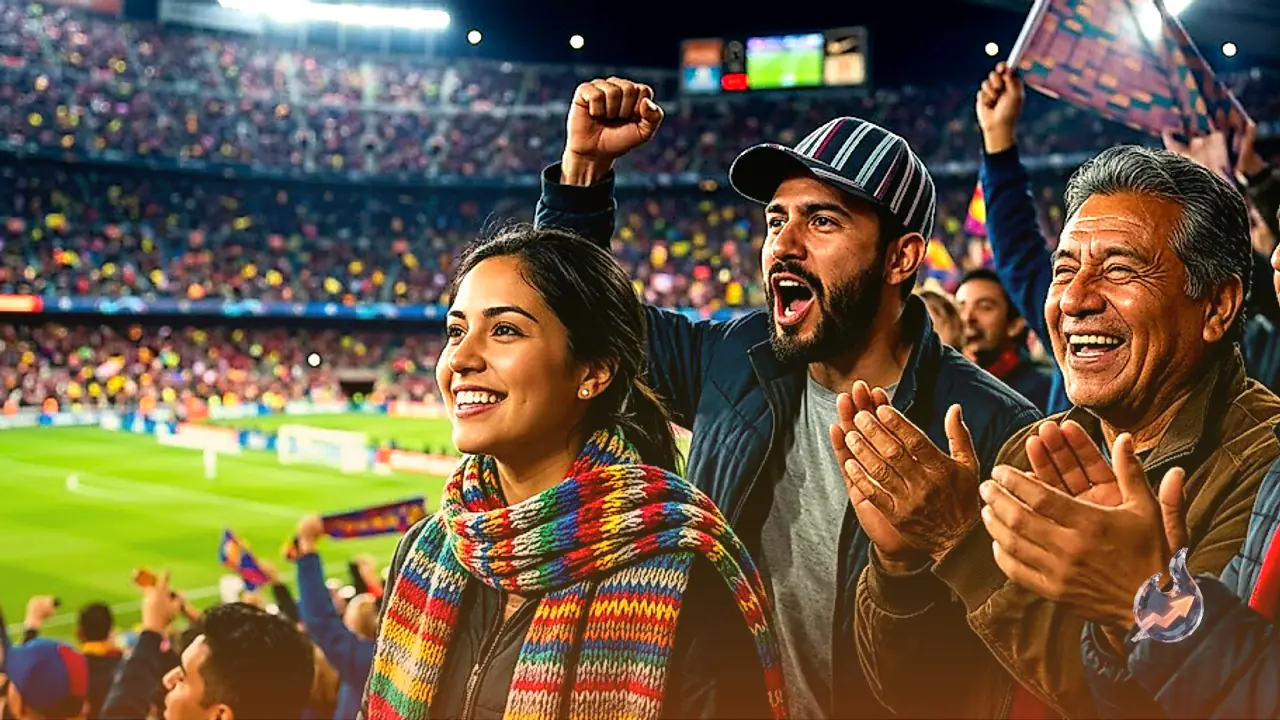
McKinsey's research estimates that the sports economy will climb from roughly USD 165 billion today to more than USD 320 billion within a decade. Latino consumers are expected to contribute close to one-third of that additional growth, making them one of the single biggest drivers of the industry's expansion. The report describes Latino audiences as spending more time following sports and more money on sports-related experiences than many other consumer groups, a pattern it links to how these communities view live sporting events, less as pure entertainment and more as gatherings that bring together family, community and cultural identity.
Why Cultural Connection Matters
According to the findings, this dynamic is most visible during major international sporting events, such as World Cup watch parties and the online communities that spring up around them. The report argues that sport increasingly functions as a space where identity, belonging and representation come together, and that this shift is opening fresh opportunities for brands and sports organisations willing to engage with these audiences meaningfully rather than superficially.
Not a One-Size-Fits-All Market
At the same time, the report warns companies against treating Latino consumers as a single, homogenous group. It points out that sporting preferences differ sharply from one community to another, baseball commands stronger loyalty in parts of the Caribbean, while soccer holds greater sway across several South American markets. Brands hoping to tap this growth, the report suggests, will need strategies tailored to these regional differences rather than a blanket approach.
Digital Habits and the Role of AI
Digital behaviour is also reshaping how the next generation of fans consumes sport. Latino consumers, the report notes, are more inclined toward digital-native content and tend to engage across several platforms at once, for instance watching a live game on television while simultaneously following additional content on a mobile device. Language preferences add another layer of complexity, with some fans favouring English content, others Spanish, and many gravitating toward bilingual formats. The report also flags the growing use of artificial intelligence and advanced analytics to personalise engagement with fans, but cautions that AI-driven strategies still need to be grounded in genuine human understanding and culturally relevant input, warning that poorly designed campaigns risk eroding consumer trust rather than building it.
The Opportunity in Youth Sports
Youth sports emerge as another significant piece of the puzzle, currently accounting for around 15 per cent of the overall sports economy. The report notes that sponsorship and investment directed at youth leagues can shape parents' consumer decisions while also nurturing long-term participation and fan loyalty that carries into adulthood.
What It Means for Leagues and Brands
For sports leagues, brands and policymakers, the report's findings point to a clear need for greater investment in accessibility, youth participation, diverse leadership and more personalised fan experiences. Its central message is straightforward, the sports fan of the future already exists today, and Latino consumers represent a mainstream growth opportunity rather than a niche segment to be addressed later.