





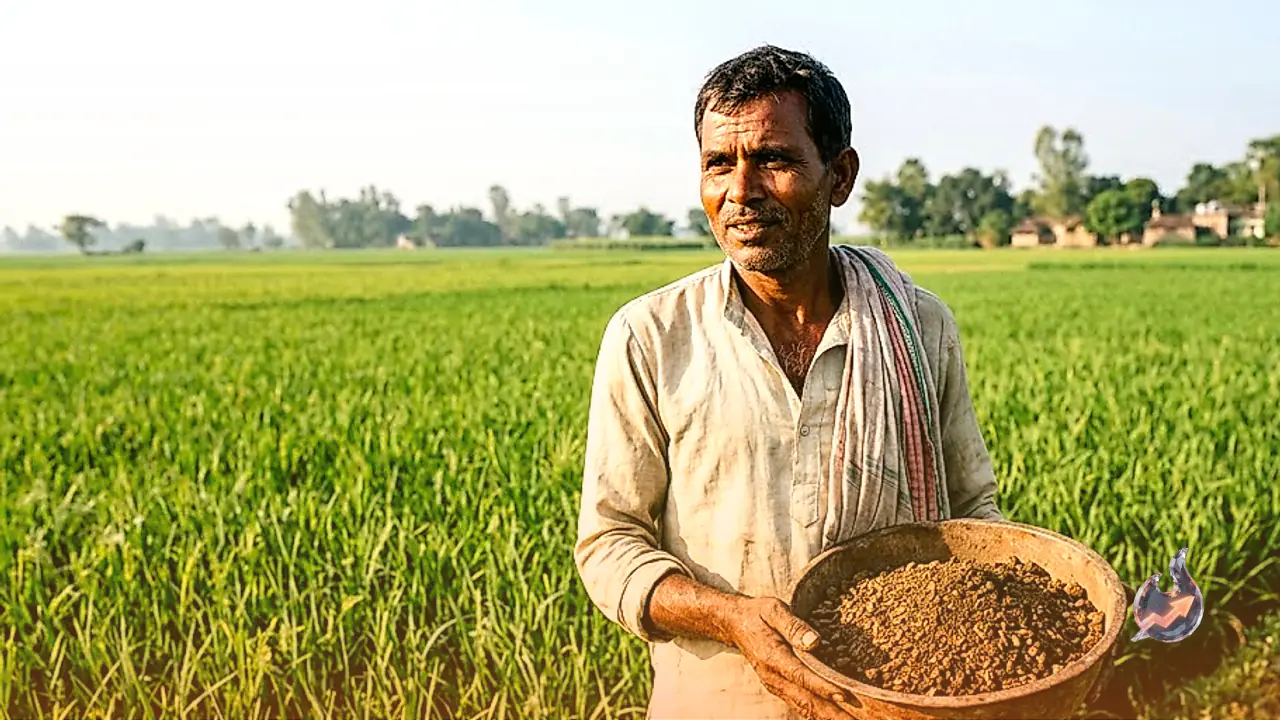















Yogendra Singh, a forward-thinking farmer from Khanpur village in the Sikhar development block of Mirzapur district, Uttar Pradesh, has established a benchmark in sustainable agriculture. In response to shifting climate conditions, Singh abandoned conventional monoculture methods to adopt innovative, weather-resilient farming techniques. By integrating organic practices with a diverse crop selection, he has significantly improved farm productivity and earned recognition as a Climate Smart Farmer for the region.
Developing a One-Acre Integrated Farm Model
Singh transformed his one-acre plot into a comprehensive integrated farming system. During the primary cultivation cycle, he intercropped groundnut with pigeon pea (arhar). For the groundnut crop, he selected the Girnar variety, which reaches maturity within 2 to 2.5 months. This short-duration variety is specifically suited to climate variations, as it yields high returns even during periods of reduced rainfall. Following the groundnut harvest, he transitions the field during the Rabi season to cultivate peas and other seasonal crops, maintaining a continuous production cycle.
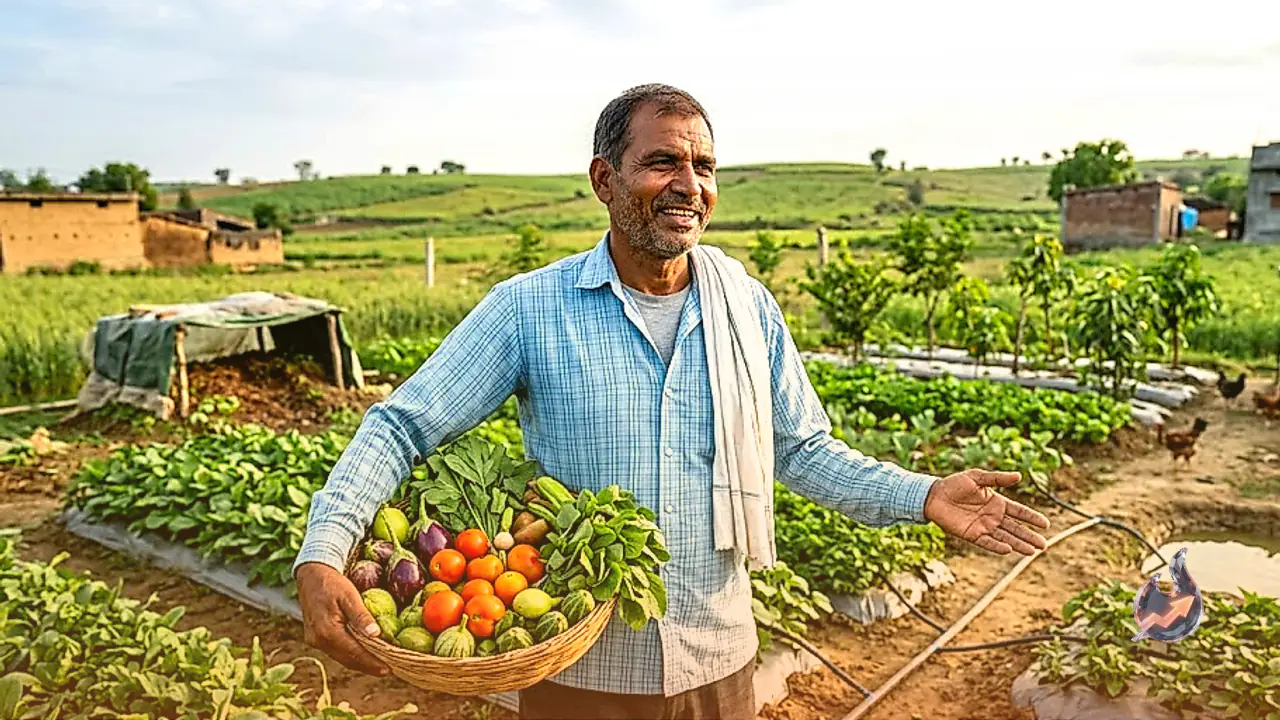
To maximize space utilization, Singh introduced underground tuber and spice crops, including elephant foot yam (suran), yellow turmeric, black turmeric, and ginger. Additionally, he utilized the perimeter and boundaries of his field to cultivate climbing vegetables such as bitter gourd and kundru, ensuring that every available portion of the land contributes to total output.
Combining Horticulture, Agroforestry, and Livestock Management
Beyond field crops, Singh incorporated long-term horticulture and agroforestry into his agricultural plan. His farm features a variety of fruit trees, including jackfruit, wood apple (bael), guava, Indian gooseberry (aonla), sweet lime (mosambi), and mango. By blending horticulture with agroforestry and growing dedicated fodder crops to support livestock, he created a self-sustaining ecosystem that generates year-round revenue while buffering against single-crop failures.
Scaling the FARMER Project Across 12 Blocks
According to the Deputy Director of the Agriculture Department, Uttar Pradesh's FARMER project is designed specifically to mitigate the adverse impacts of climate change on agricultural livelihoods. The initiative focuses on delivering 5 core practices to farming communities. Across Mirzapur district, one model farm is being established in each of the 12 development blocks to demonstrate integrated agricultural systems in action.
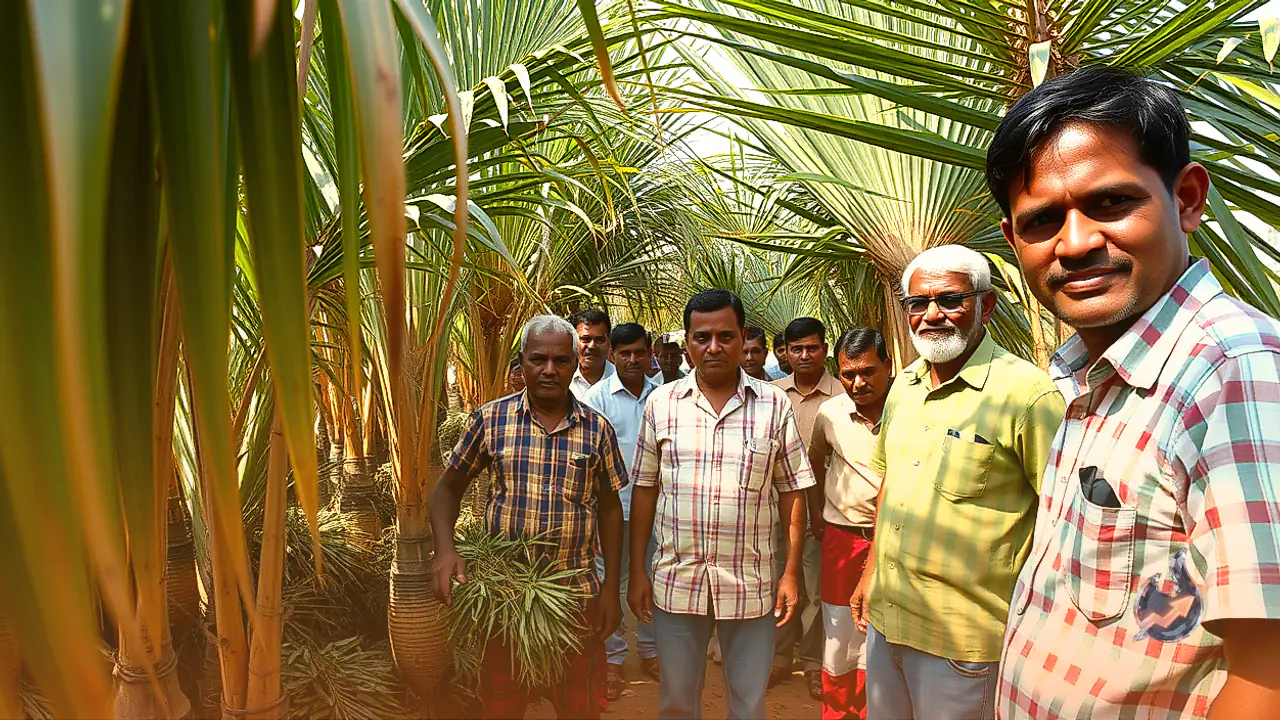
As part of this program, a field demonstration was hosted on Yogendra Singh's farm, drawing participation from over 100 local farmers. Visitors inspected his methods firsthand, observing how the combination of short-duration groundnut, legumes, vegetables, fruit orchards, agroforestry, and livestock fodder can deliver stable yields despite climate uncertainties.