
















While Indian villages are frequently associated with modest agriculture, livestock rearing, and simple rural lifestyles, a village in Gujarat completely upends these traditional expectations. Situated near the city of Bhuj in the Kutch district, Madhapar has redefined rural prosperity through an extraordinary level of financial independence. The village boasts an operating infrastructure of 17 bank branches, receiving deposits that rival the liquid wealth of small commercial cities. Through a combination of local enterprise and substantial overseas remittances, this locality has earned widespread recognition as one of the richest villages in Asia.
A Banking Empire with Rs 7,000 Crore in Deposits
The financial infrastructure serving Madhapar's population of roughly 32,000 residents is nothing short of exceptional for a village setup. Leading public and private banking institutions operate full-fledged branches here, including State Bank of India, HDFC Bank, ICICI Bank, Punjab National Bank, and Axis Bank, alongside local post office deposit schemes. Media reports from August 2024 revealed that the aggregate fixed deposits across Madhapar's financial institutions stand at approximately Rs 7,000 crore. Accumulating such immense liquid capital within a single village is an unprecedented feat, even if no formal government framework exists to officially certify wealth rankings among rural regions.
Global Enterprises and Unshakable Roots
The core engine behind Madhapar's economic stature lies in its strong international diaspora. Around 1,200 families hailing from the village reside overseas across multiple continents. A significant proportion of these expatriates initially migrated to African nations, where they successfully established lucrative businesses and trade networks. Additionally, a large number of villagers live and work in developed countries such as the United Kingdom, the United States, Australia, and New Zealand. Despite achieving financial success abroad, these families maintain deep-rooted emotional and financial ties with their hometown, routinely remitting their surplus savings into fixed deposits and savings accounts in Madhapar.
Urban Standard Infrastructure and Community Amenities
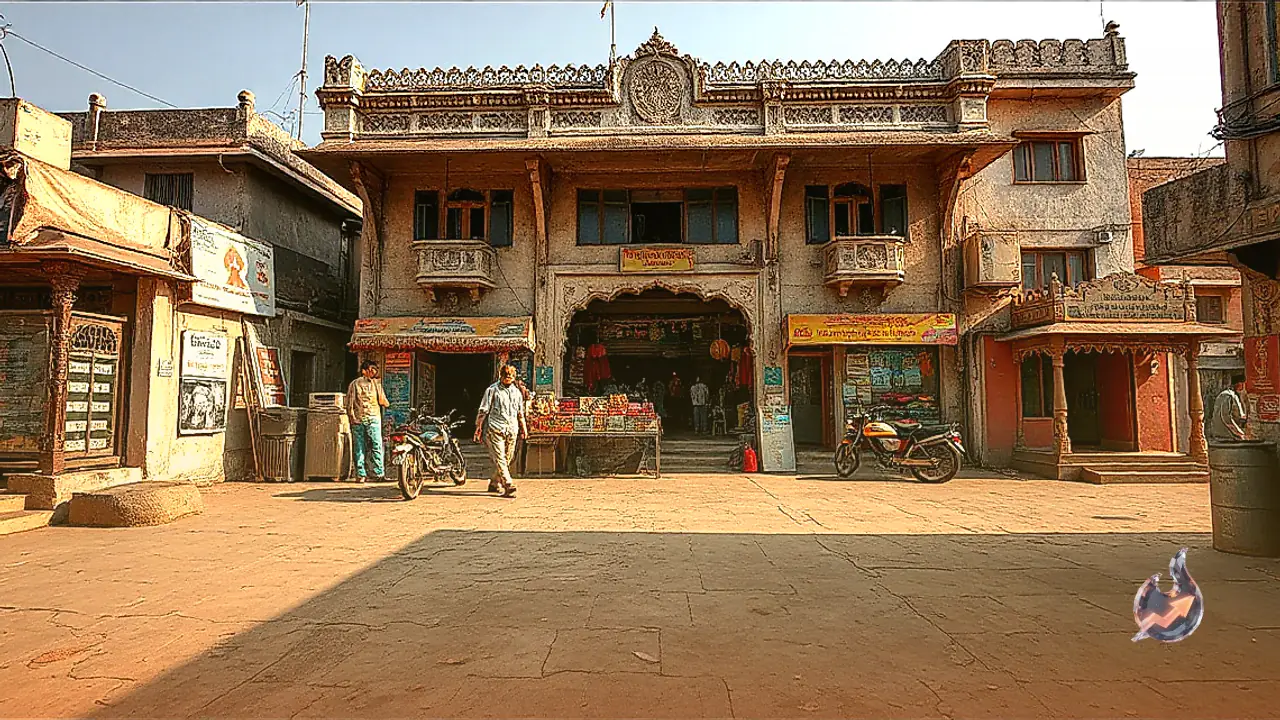
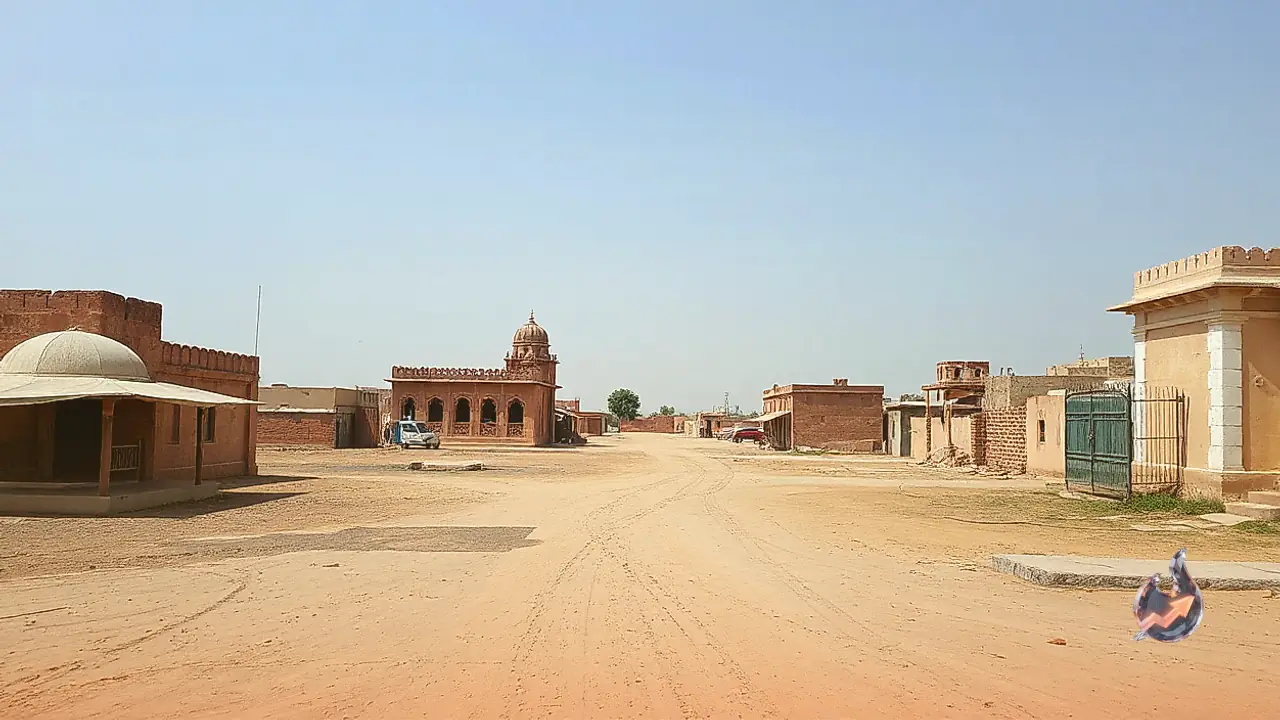
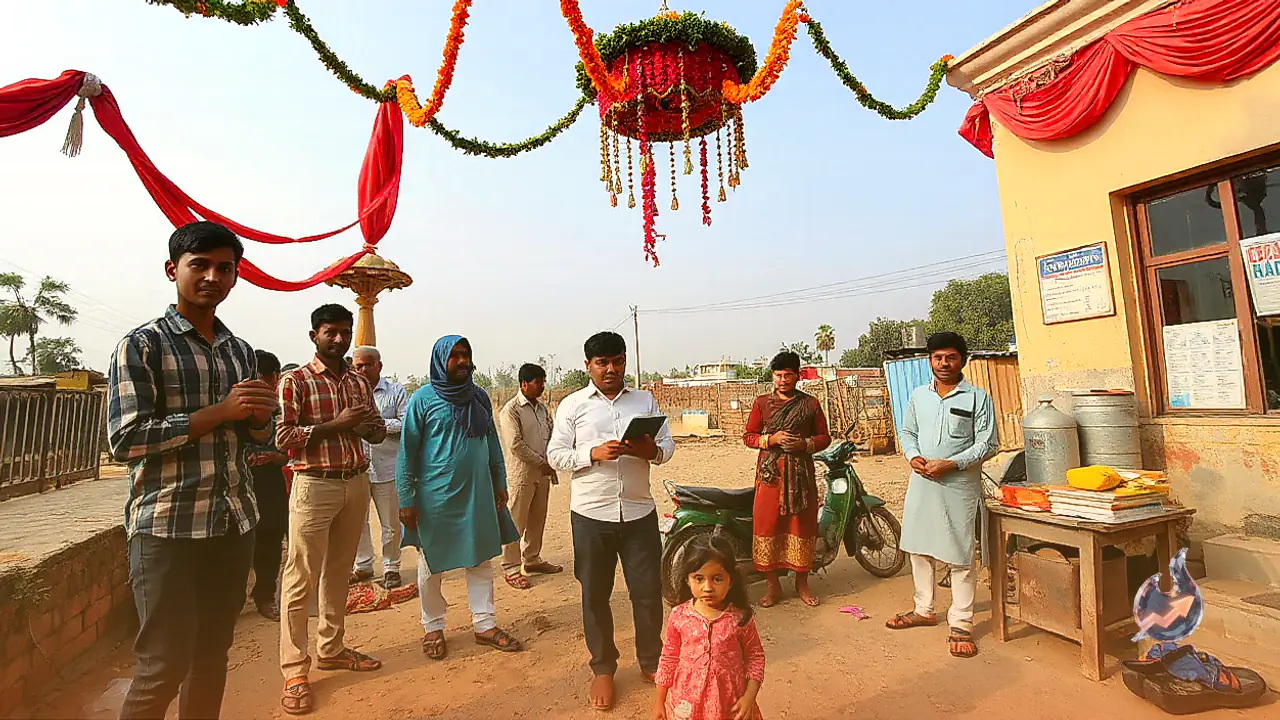
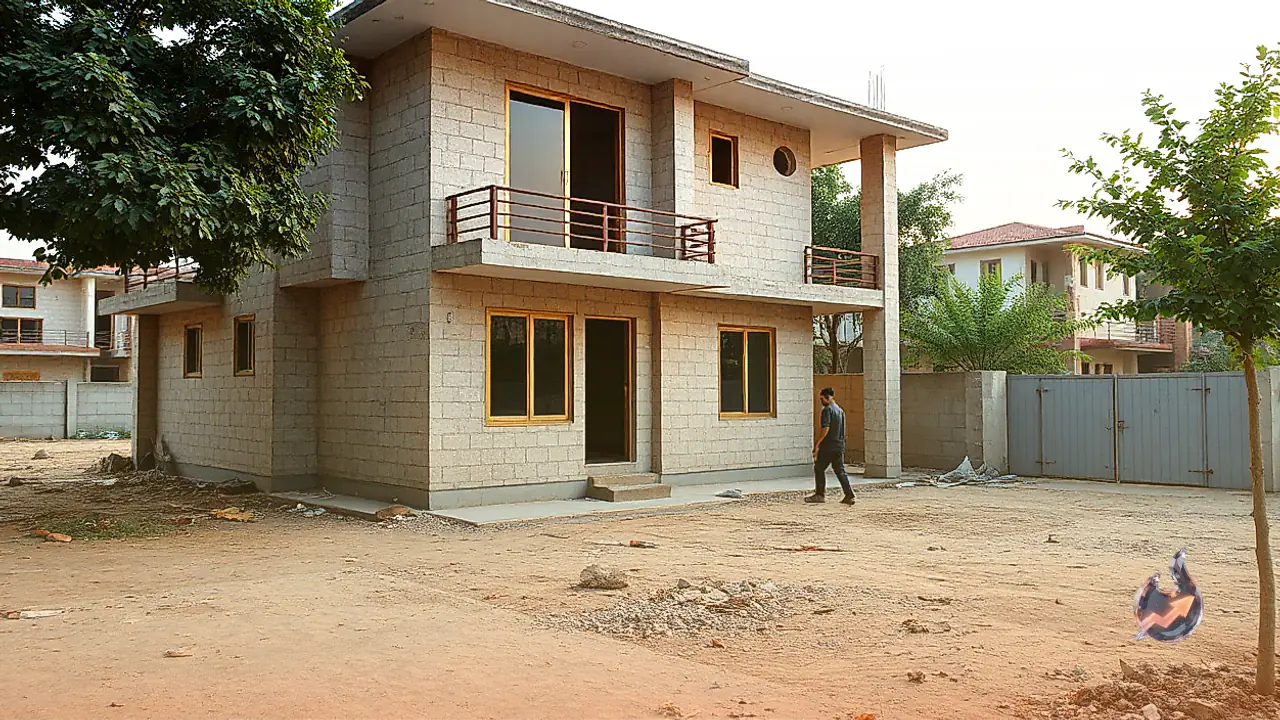
The influx of capital from overseas and high bank reserves have transformed Madhapar into a modern, well-planned residential hub. Unlike conventional rural settlements, Madhapar features fully paved asphalt roads, reliable drinking water networks, multi-specialty healthcare facilities, high-grade schools, and meticulously maintained places of worship. The landscape of the village is dominated by expansive residences, sprawling modern bungalows, and clean residential streets, reflecting a high quality of life driven by financial security.
Agriculture and Local Enterprise Complement Foreign Wealth
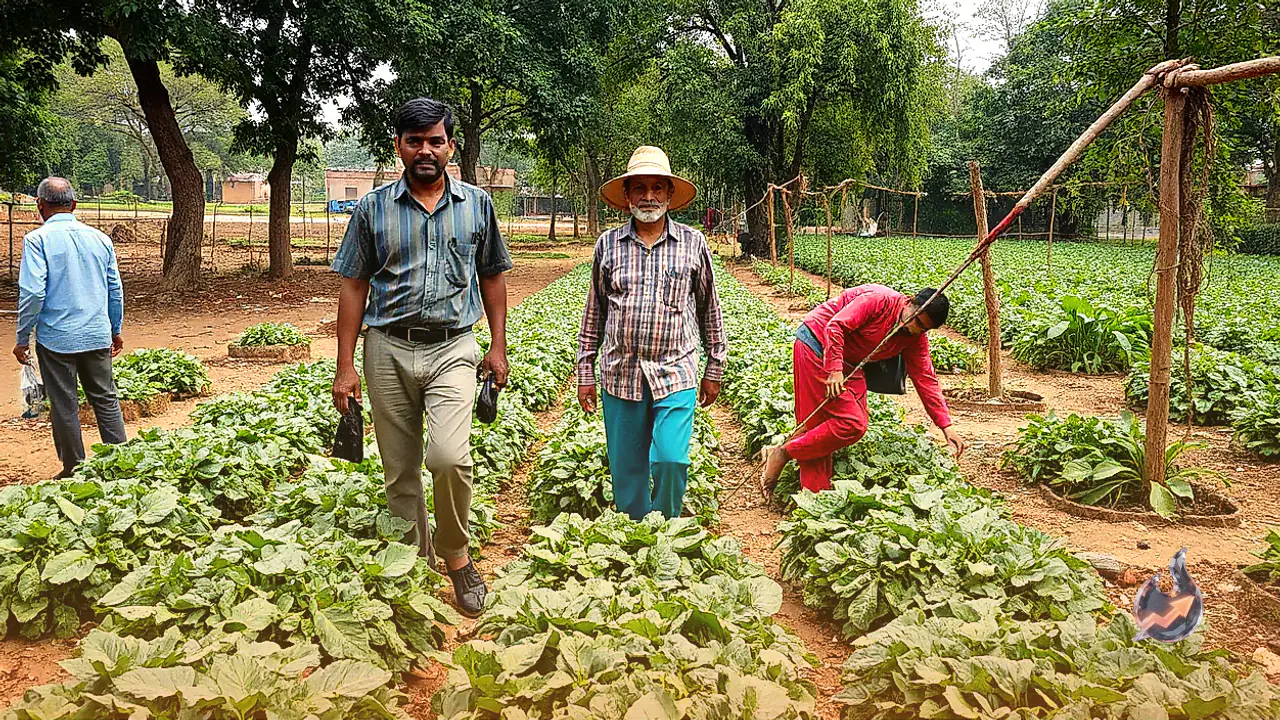
Even though foreign remittances form the primary backbone of the village economy, Madhapar has not abandoned its agrarian foundations. Farming continues to serve as an active secondary income stream for many resident families. The local agricultural sector actively produces high-yield crops, including mangoes, maize, and sugarcane. Combined with small commercial shops and domestic trades, agriculture ensures that non-migrant families also contribute to and benefit from the village's vibrant economic ecosystem. Madhapar serves as an inspiring blueprint of how community solidarity and staying tied to one's roots can lead to transformational development.