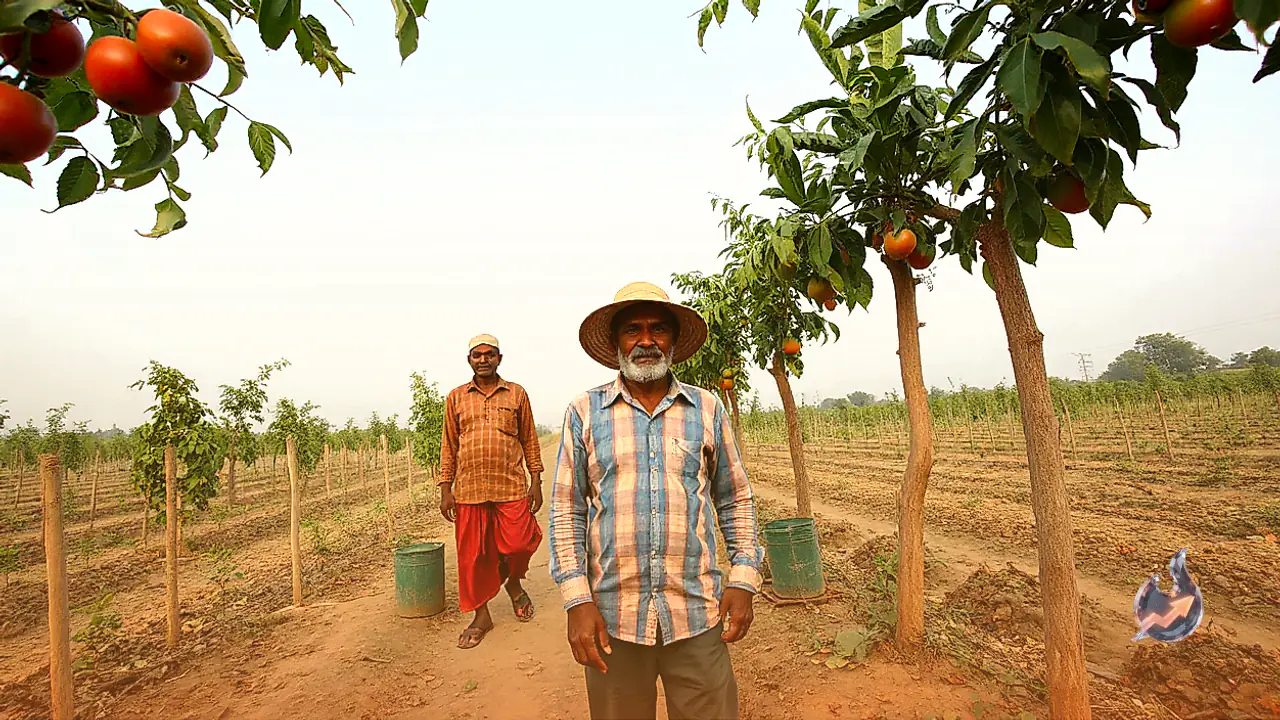























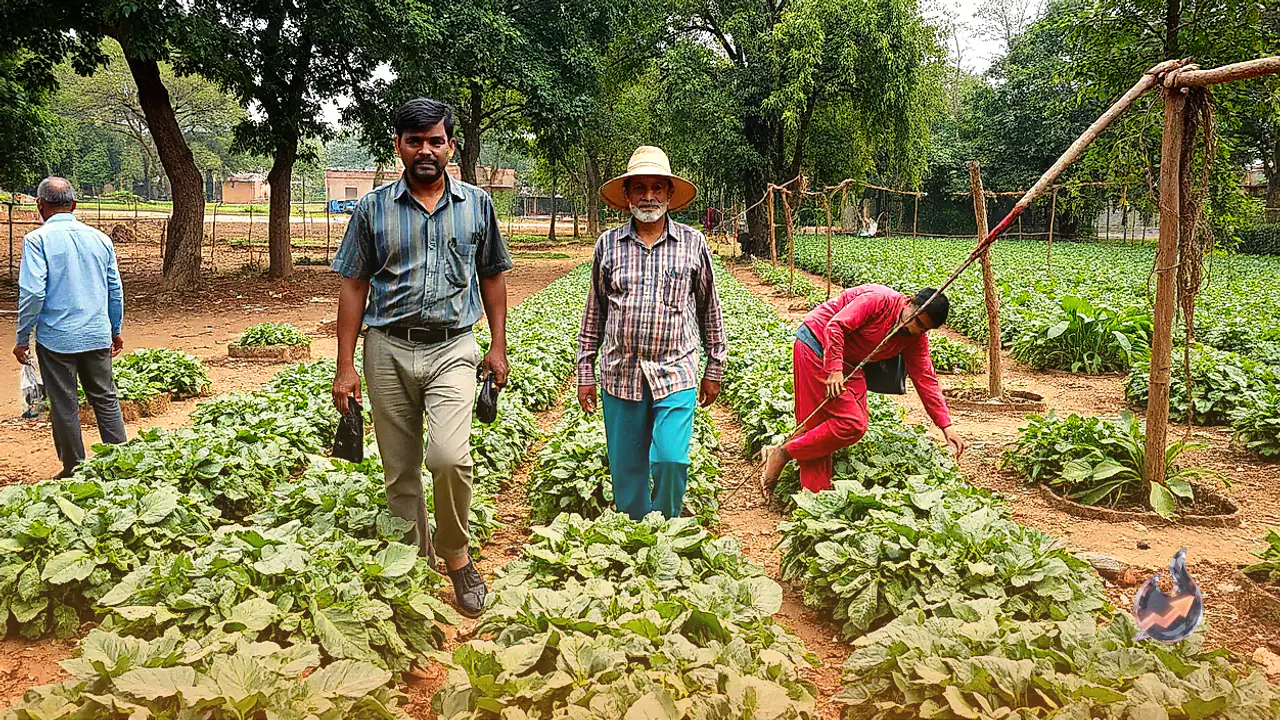

Agricultural ventures are frequently viewed by younger generations as financially unviable, yet practical success stories on the ground demonstrate otherwise. In the Bajidpur village of Sitamarhi district, a dedicated farmer named Brijnandan Mukhia has built a stable livelihood by focusing entirely on seasonal vegetable farming over the last 25 to 30 years. Managing a compact landholding of three bighas, his structured approach to crop management generates an annual net profit ranging between Rs 4 lakh and Rs 4.50 lakh, proving that disciplined agricultural practice can deliver consistent returns.
Overcoming Educational Barriers Through Traditional Knowledge
Formal education was not an option for Brijnandan Mukhia, which limited his opportunities to secure conventional employment outside his village. Rather than viewing this as an insurmountable handicap, he chose to embrace his ancestral roots and venture into full-time vegetable farming. Over the past three decades, this decision has transformed into a resilient business model that comfortably funds all domestic expenditures, covers educational costs for his children, and maintains overall household stability.
While profits were relatively modest around 10 years ago, evolving market conditions, improved farming techniques, and steady demand for fresh produce have substantially enhanced his earnings. What began as a subsistence choice has gradually expanded into an economically empowering model, offering a realistic blueprint for smallholder farmers across rural regions.
Crop Selection and Intensive Land Utilization
Maximizing revenue from a three-bigha plot requires meticulous crop planning and crop rotation. Brijnandan Mukhia cultivates a diverse selection of seasonal vegetables throughout the year to maintain continuous harvests and protect against market price volatility. His regular cultivation includes high-demand items such as cauliflower, radish, brinjal, potato, and ladyfinger.
By staggering planting schedules, he ensures that produce reaches local wholesale and retail markets in prime condition. Diversity in crop selection not only maintains continuous cash flow across changing weather seasons but also preserves soil nutrients by avoiding mono-cropping risks.
Systematic Field Care and Daily Execution
Achieving healthy yields demands round-the-clock manual effort and technical precision at every operational phase. Land preparation serves as the critical foundation, requiring thorough soil tillage before any seed sowing takes place. Following planting, systematic field management becomes vital to safeguard crops against pest threats and environmental stresses.
The farming sequence involves carefully scheduled irrigation, timely application of fertilizers, and targeted spraying of pesticides. Brijnandan Mukhia emphasizes that every individual crop cycle demands detailed attention to detail. Skipping regular checks or delaying essential inputs can directly impact total yield volume and final product quality, which ultimately determines market pricing.
Financial Independence and Guidance for Rural Youth
Generating a steady annual profit of up to Rs 4.50 lakh highlights the commercial viability of small-scale agriculture when managed with discipline and persistence. Brijnandan Mukhia's trajectory serves as a practical demonstration for local youth who often migrate in search of minor jobs while leaving arable land underutilized.
His experience underlines that combining inherited farming wisdom with consistent field care can elevate farming into a profitable, self-sustaining career path. Rather than treating agriculture as a struggle of last resort, modernizing daily management habits allows small-scale cultivators to secure long-term financial security directly from their own land holdings.