













For generations of Indians, the yellow and white packet that shows up with every cup of tea, Parle-G, has been a quiet part of daily life. Few people realise that the biscuit's origins lie in a lesser known chapter of the freedom struggle, one fought not on the streets but in factories and markets, at a time when eating a biscuit was widely seen as a privilege reserved for the British.
When people think of the fight for independence, images of revolutionaries, slogans and marches usually come to mind first. Rarely remembered are the businessmen who put their own savings on the line and turned everyday Indian goods into a form of resistance. A new series called Swadeshi Ka Swag sets out to recover exactly these stories, and its opening chapter belongs to Parle-G, a brand whose journey began a full 18 years before India became independent.
The swadeshi movement of the early twentieth century pushed Indians to boycott foreign goods and back homegrown alternatives, from textiles to everyday household items. It was this atmosphere that pulled businessmen like Mohanlal Dayal toward building an Indian alternative in food as well.
It Started as a Candy Factory, Not a Biscuit Brand
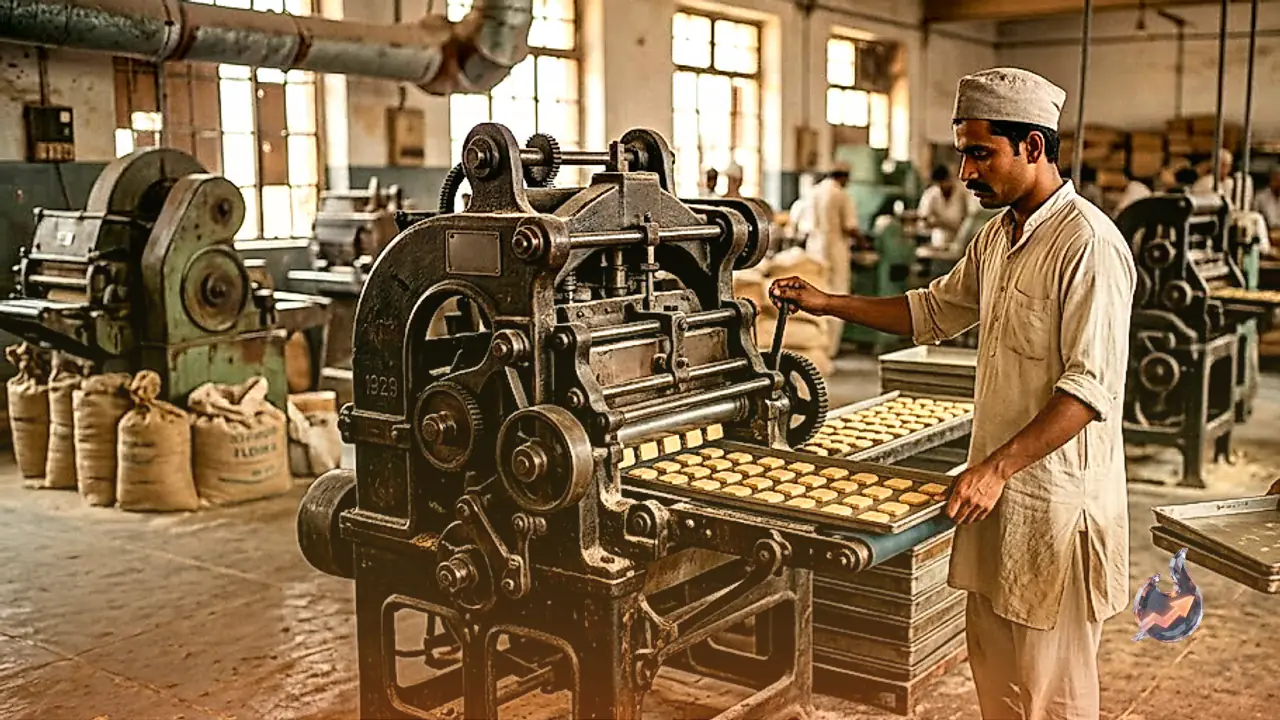
Mohanlal Dayal, the man behind the Parle name, did not begin with biscuits at all. When he set up his first factory in 1929, the swadeshi movement was in full swing across the country, and it left a deep impression on him. At the time, candy in India largely meant imported foreign sweets, and getting a taste of it was out of reach for most ordinary Indians. Mohanlal decided that sweetness would now be made on Indian soil. He travelled to Germany and bought a candy making machine for roughly ₹60,000. The venture began in an old factory in Mumbai with just 12 workers, and notably, none of them were outside hires, all 12 were members of Mohanlal's own family. The company soon launched an orange coloured candy that quickly won over Indian taste buds.
How the Factory's Address Became the Brand Name
The factory itself was set up in the Irla and Parla areas of Mumbai. When it came time to name the brand, Mohanlal drew on this very location and called it Parle. That name would go on to become the identity of India's most trusted biscuit brand.
Taking on Britain's Biscuit Monopoly
After the early success of the candy business, Mohanlal's real battle was with British biscuit brands. Back then, most biscuits sold in India were imported, and their price kept them well out of reach of the ordinary consumer. It was almost an unwritten rule that eating biscuits was a privilege of the British. That idea rankled Mohanlal enough that in 1939, just 8 years before independence, he decided to start making biscuits too. The company launched Parle Glucose biscuits, whose taste was excellent and whose price was remarkably low. Against expensive British biscuits, this cheap and tasty alternative quickly caught on across the country. At the time, the market was dominated by British brands such as United Biscuits, Huntley & Palmers, Britannia and Glaxo, but Parle's low pricing and superior quality soon allowed it to mount serious competition against these established giants.
A War That Changed Everything
Between 1939 and 1945, the Second World War forced Britain to mobilise vast resources for its forces, and demand grew rapidly for glucose biscuits that could give soldiers quick energy. This was the moment Parle-G had been waiting for. The wheat based glucose biscuit was already popular for its taste and affordable price, and during the war it began to be supplied to the British Indian Army. That access to the army further cemented Parle-G's reputation across the country. This success knocked the ground out from under the British biscuit makers operating in India, and their hold on the market began to slip steadily.
From a Mumbai Workshop to Over 50 Countries
The company that once started out of a small Mumbai factory with 12 family members now runs a business that has spread to more than 50 countries. Millions of Indians still reach for the same biscuit with their morning tea, even if most of them have no idea of the struggle behind it. Parle-G is not just a biscuit, it stands as an example of the swadeshi spirit that beat the British at their own game of commerce.