




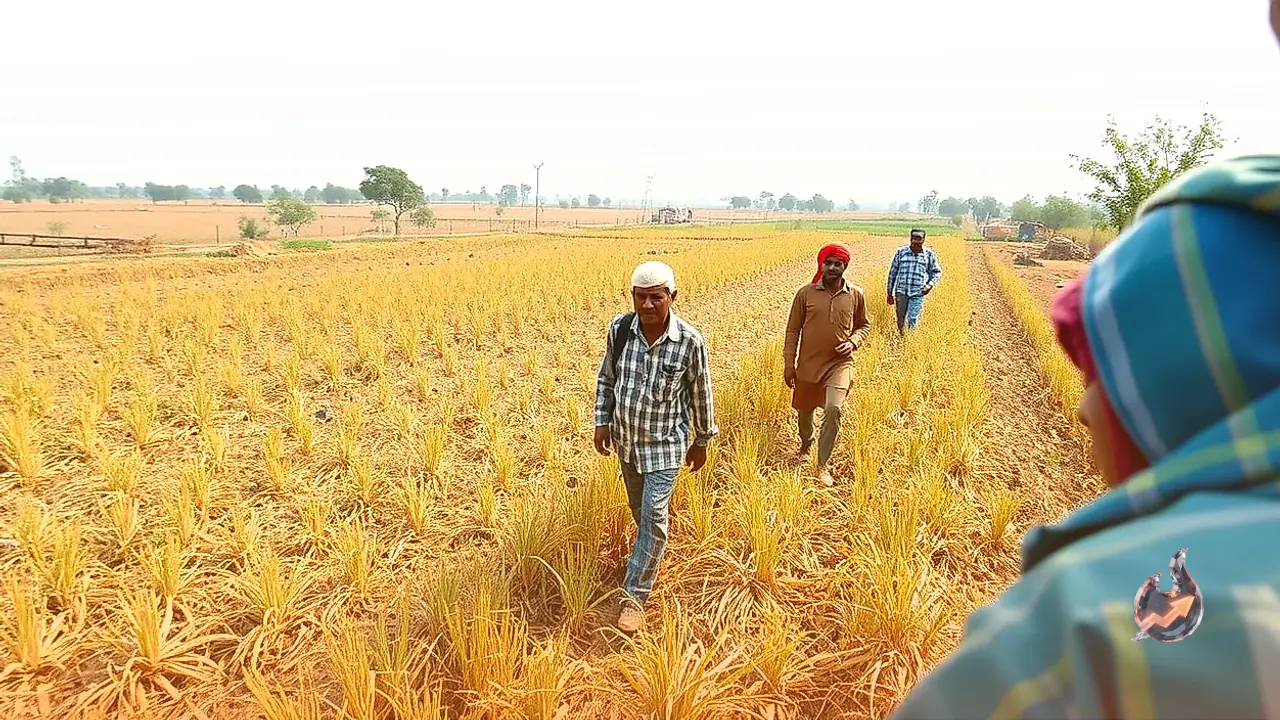














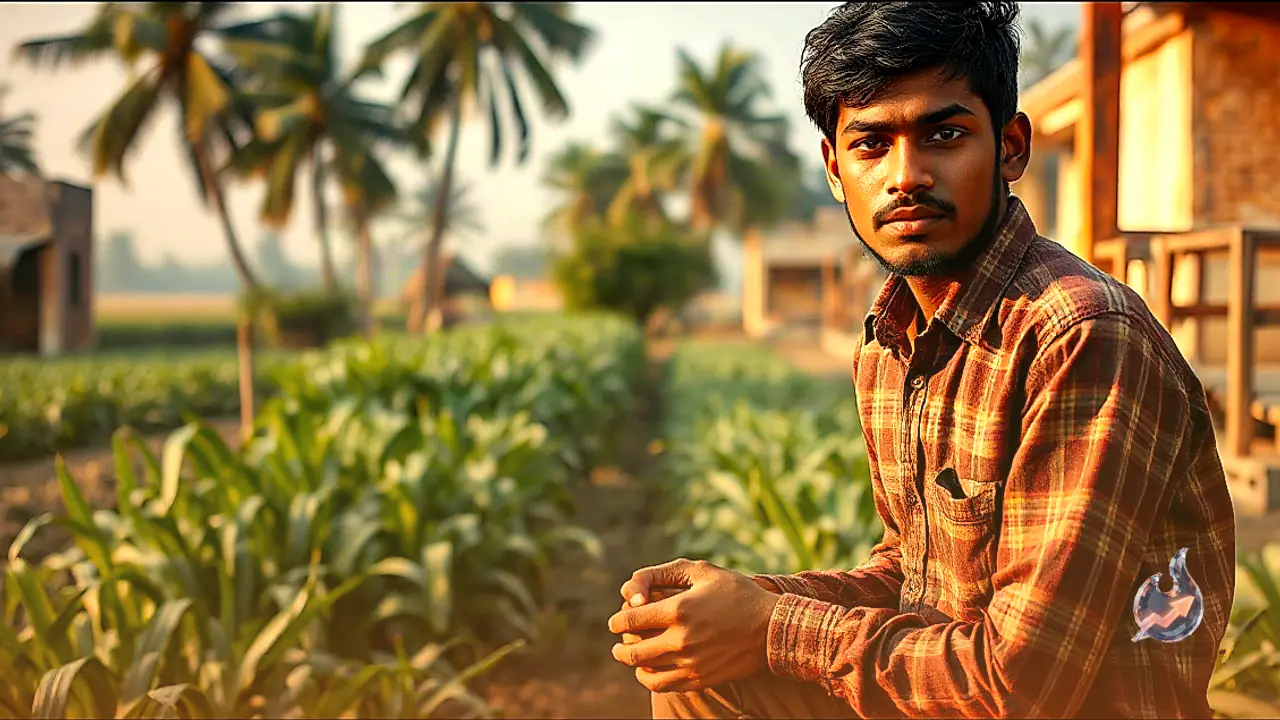

In the Gonda district of Uttar Pradesh, young individuals are bridging the gap between formal education and modern agriculture to create profitable livelihood opportunities. Hariom Mishra, a progressive student farmer from Gonda, is leading by example by combining his academic pursuits with the cultivation of taro root, locally known as Arbi or Ghuiya. Utilizing his spare hours outside of his studies, Hariom has dedicated approximately two bigha of land to this crop. By selecting a high demand vegetable with low initial investment requirements, he is demonstrating how agriculture can serve as a dependable secondary income stream for students.
Organic Farming Methods and Financial Viability
To maximize profits from his two bigha farm, Hariom Mishra has placed strong emphasis on keeping input costs to a minimum. So far, he has invested only around 4,000 to 5,000 rupees in total for preparing the land and managing the crop. A defining feature of his agricultural strategy is his strict reliance on eco-friendly practices. He avoids synthetic fertilizers entirely, choosing instead to nourish the crop using organic manure and natural soil management techniques. This eco-friendly approach not only protects soil health over the long term but also removes the need for expensive chemical inputs, significantly lowering his operating expenses.
Taro root remains in steady demand across regional markets throughout the year due to its popularity as a staple vegetable. Hariom highlights that because consumer demand is consistent, selling the harvest upon maturity presents very few logistics challenges. He notes that if weather conditions remain favorable and the crop matures without major climate disruptions, this small upfront expenditure of 4,000 to 5,000 rupees will yield substantial financial returns.
Field Preparation and Agronomic Practices
Achieving a healthy taro yield requires meticulous care during the initial cultivation stages. Hariom follows a structured routine, beginning with thorough land ploughing to ensure the soil becomes light, friable, and well-aerated. Once the soil structure is optimal, healthy tubers are carefully selected and planted. Maintaining adequate soil moisture throughout the growing cycle is essential for healthy tuber development. Additionally, regular weeding and periodic field maintenance are conducted to prevent wild growth from competing with the main crop for essential soil nutrients.
Combining Academic Learning with Practical Agriculture
For Hariom Mishra, education and farming are mutually supportive endeavors. Studying gives him exposure to modern farming techniques, innovative agricultural practices, and market insights, which he actively tests on his two bigha plot. He urges young people not to look at farming as merely an unrewarding traditional task. According to Hariom, by making informed crop choices, utilizing natural resources efficiently, and implementing modern management methods, agriculture can offer lucrative self-employment opportunities.
An Inspiring Model for Rural Youth
Hariom Mishra's initiative in Gonda serves as an encouraging model for students and young job seekers across rural communities. His balanced lifestyle demonstrates that pursuing academic qualifications does not restrict one from building a successful agricultural business. By proving that low-cost organic farming can generate strong earnings, his story offers a practical roadmap for economic independence among rural youth.