



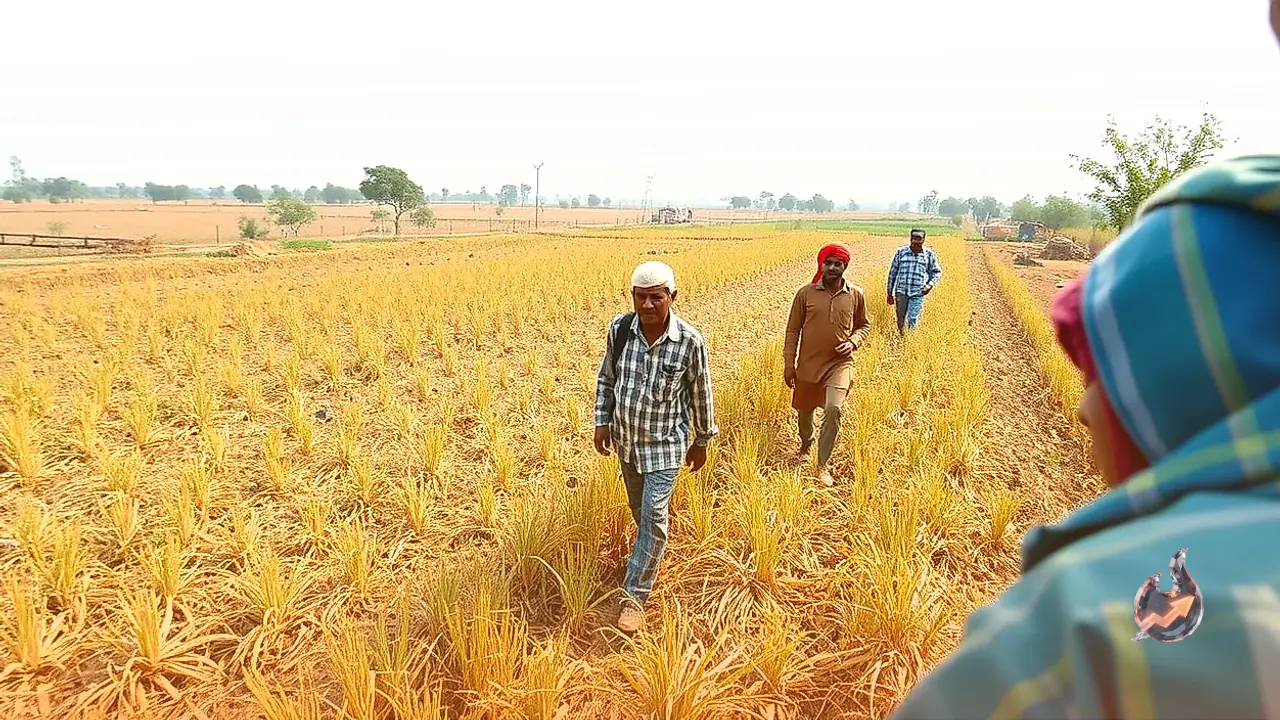















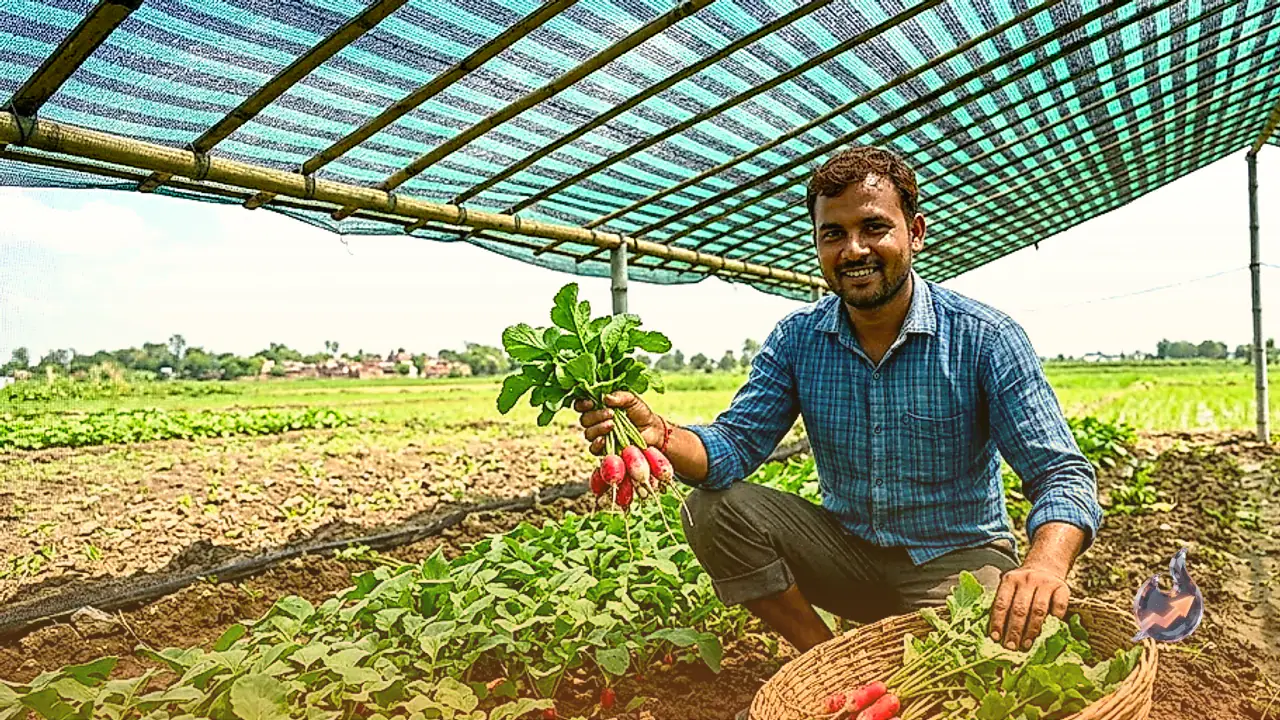

In the agricultural landscape of Bihar, where most farmers traditionally rely on paddy cultivation during the monsoon Kharif season, a 32 year old farmer from Jehanabad district has pioneered an alternative approach to cash flow. Abhishek Kumar, residing in Sonwan village under Ghosi block, has chosen fast-yielding monsoon radish over the long gestation cycles of wheat and paddy. Utilizing modern shade net protection, he planted radish across 10 kattha of land, aiming for a complete harvest cycle in just 40 days. With a minimal input cost, this seasonal farming effort is projected to deliver up to a tenfold financial return. In his assessment, the earnings generated from this brief 40 day radish crop can match what conventional paddy and wheat farming yields over an entire year.
Diversifying Agriculture Beyond Traditional Paddy and Wheat
Abhishek Kumar strongly advocates for adapting agricultural practices to match contemporary technology and shifting consumer demand. He believes that aligning farming operations with current trends is essential for securing sustainable agricultural profits. Consequently, he does not limit his work solely to seasonal paddy and wheat cycles. Instead, he actively operates a shade net facility to diversify his agricultural portfolio. Alongside traditional crops, he systematically cultivates capsicum, cucumber, and groundnuts. Furthermore, his land features various fruit-bearing trees that provide seasonal produce throughout the year, ensuring a steady stream of secondary income alongside his primary vegetable harvests.
July Sowing and Seasonal Market Dynamics of Monsoon Radish
For his latest crop, Abhishek completed the sowing of radish across 10 kattha of shade net land during the final week of July. Using 2 packets of high-quality seeds sown on carefully structured raised beds, the plants have already begun healthy germination. The complete cultivation timeline for this monsoon radish variety is barely 40 days. Demand for radish surges noticeably during the rainy season because many consumers within the Sanatani community observe dietary traditions that avoid onion and garlic during these months. With limited fresh vegetable supply arriving in local markets during peak monsoon rains, radish commands premium prices. Additionally, radish offers good shelf life stability compared to other perishable leafy vegetables.
Financial Math: Turning a ₹2,000 Investment into ₹20,000 Revenue
Detailing the economics of his 10 kattha project, Abhishek highlights that cultivating inside a protective shade net drastically minimizes pest infestations. This protective structure eliminates the need for expensive chemical pesticide sprays, keeping input expenses strictly controlled. The primary investments remain seed selection and manual field preparation. By undertaking the physical labor himself, total expenses stay around ₹2,000, while projected market sales can reach up to ₹20,000. If a farmer chooses to hire external farm hands for planting and field maintenance, labor costs rise by an additional ₹2,000, bringing total expenditure to ₹4,000. Abhishek notes that contributing personal labor secures an immediate ₹2,000 in savings, paving the way for a remarkable 10x net return in just over a month.