


















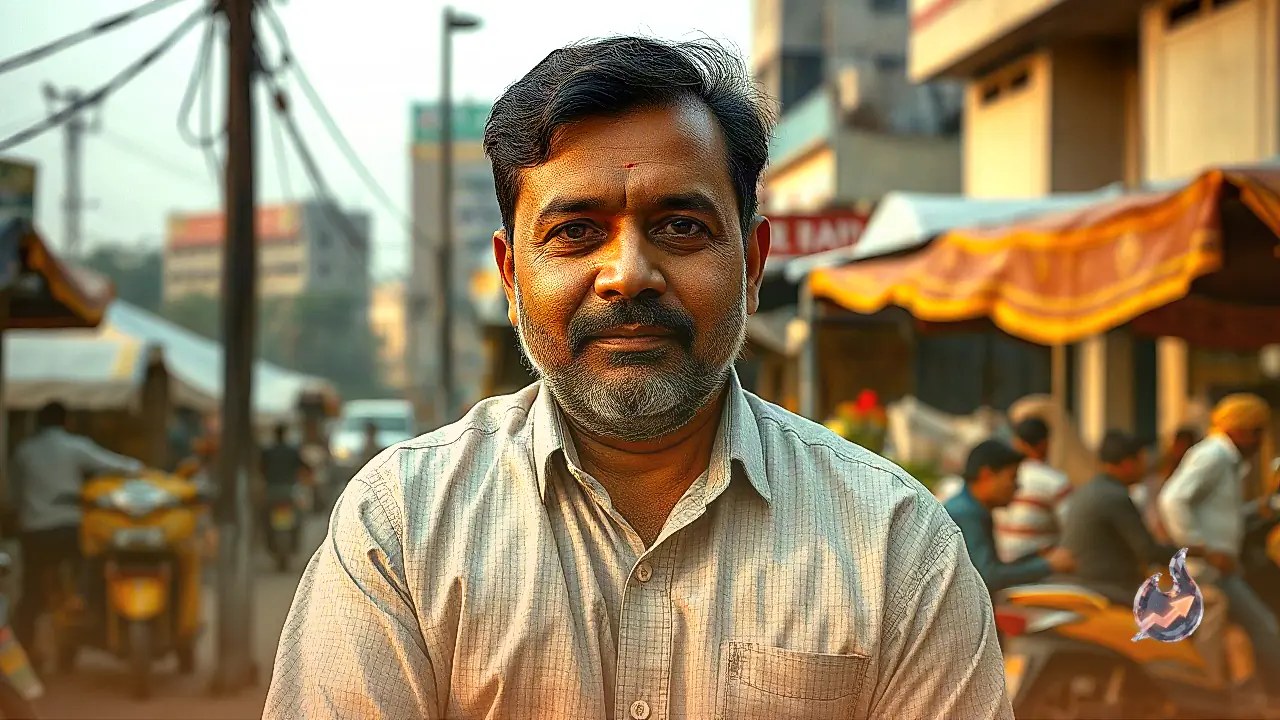
Noida resident Anoop Khanna has established a remarkable model of social service over the past 11 years, directly addressing key global challenges. Through his self-driven initiative named Dadi Ki Rasoi, hundreds of underprivileged people receive wholesome meals every day for a token amount of just 5 Rupees. His social work extends beyond hunger relief to affordable healthcare and wedding assistance for low-income families, impacting thousands of lives across the region.
Tackling UN Sustainable Development Goals at the Grassroots
Khanna has aligned his community efforts with three major Sustainable Development Goals outlined by the United Nations out of its total 17 targets: No Poverty, Zero Hunger, and Good Health. By offering complete meals at just 5 Rupees, his kitchen ensures that financial hardship does not force individuals to sleep hungry. In addition to food security, Khanna has prioritized public health by managing Noida's very first Jan Aushadhi Kendra. Through this medical center, he continues to supply quality medicines at heavily discounted rates to needy patients who would otherwise struggle to afford essential healthcare.
The Compassionate Origin and Expansion of Dadi Ki Rasoi
The journey of Dadi Ki Rasoi began on 21 August 2015, rooted in a poignant personal moment. When Khanna's mother fell ill and refused her meal, she urged him to feed her share to a hungry person instead. Inspired by her selfless suggestion, Khanna conceptualized a permanent community kitchen. As the food drive gained momentum, he observed another major burden facing poor families: the prohibitive cost of weddings. Expensive bridal dresses like lehengas and festive suits are rarely worn more than once or twice. To solve this, he started renting out wedding clothes and party utensils to needy families for a nominal fee of just 10 Rupees, relieving them of massive financial strain during family events.
International Recognition and Diplomatic Engagement
Khanna's impactful grassroots framework has drawn attention both nationally and internationally. He featured on Kaun Banega Crorepati (KBC), met the President of India, and was invited to address the G20 summit as one of six selected speakers. During his presentation at G20, Khanna emphasized that addressing global hunger does not necessarily require complex policy machinery, but rather practical, community-led initiatives that can be scaled anywhere. His presentation resonated with diplomatic representatives from several nations. Embassies of Japan, Vietnam, and Singapore praised the Dadi Ki Rasoi model and expressed interest in adopting similar systems through their respective governments, while the embassy of China also reached out to engage with his initiative.