























Rural women in Chhattisgarh's Surguja district are steadily scripting their own stories of self-reliance. Among them, Kiran Yadav, who is closely associated with a local cleanliness drive, has built a distinct identity for herself. After starting out as a sanitation worker, she is now channeling her savings from the campaign into agriculture. Her journey highlights how a strong desire to learn and step into new domains can help women break traditional boundaries.
Kiran Yadav works with the Unnati Self-Help Group as part of the sanitation campaign while also actively engaging in social service and NGO-related activities. Instead of letting her savings from the group sit idle, she decided to invest them purposefully. Driven by a deep curiosity to learn farming, she took up potato cultivation for the very first time.
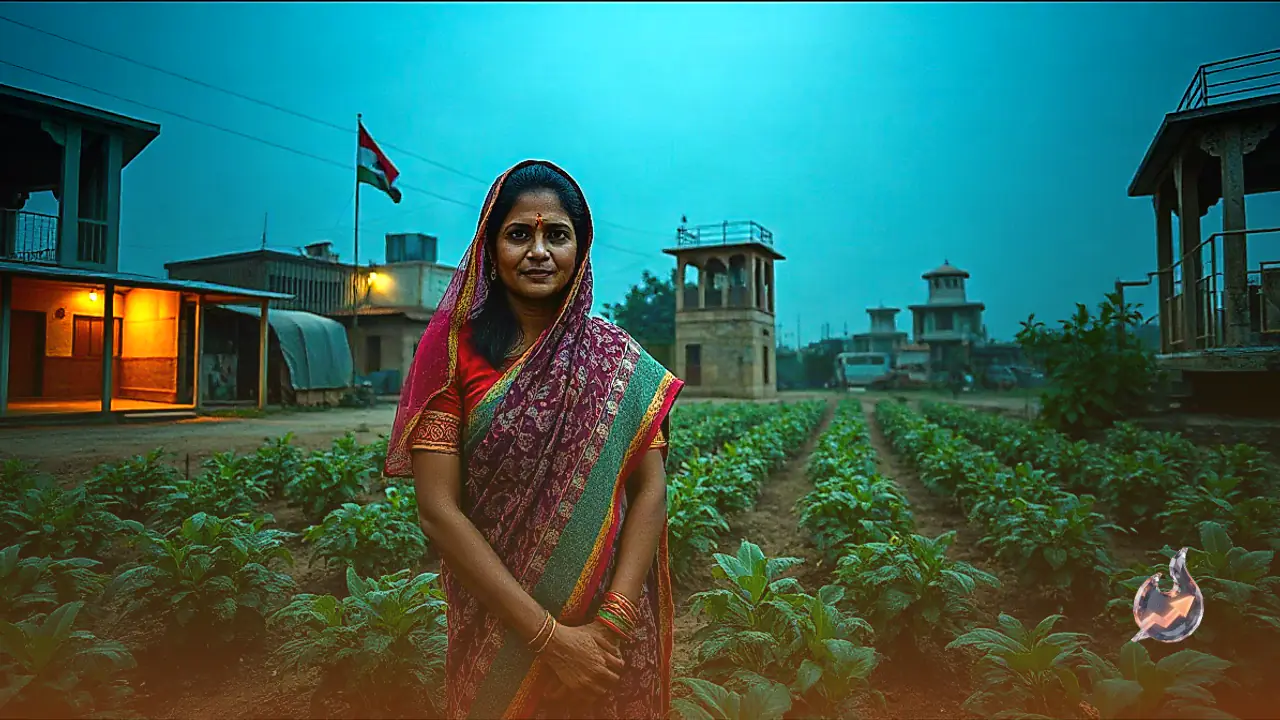
Cultivating Potatoes Across Two Acres
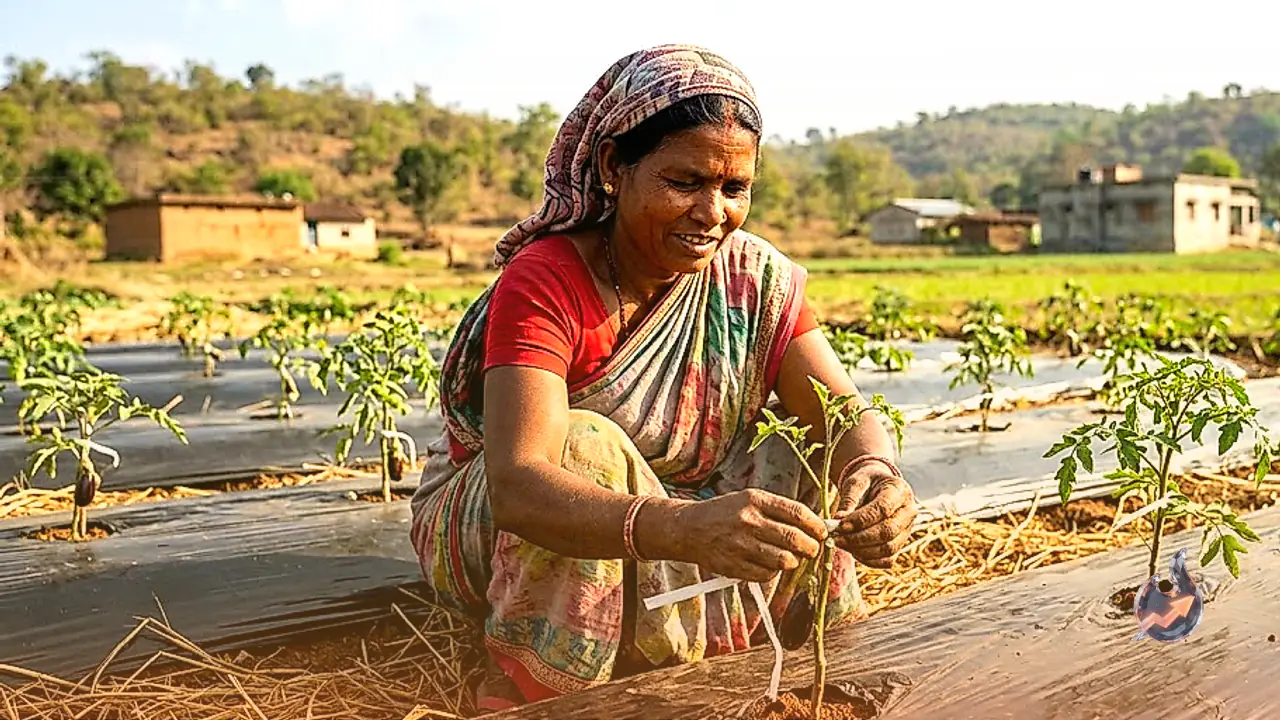
For her maiden farming venture, Kiran planted potatoes across approximately two acres of land this year. The total investment for this crop stands at roughly 50,000 to 60,000 rupees. However, the crop is still far from harvest-ready, and a sudden pest attack has begun damaging some of the plants. Because of this ongoing crop damage, it remains difficult at this stage to estimate what her final profits might look like.
Using Organic Jivamrit to Combat Pests
The appearance of pests in her potato field has naturally caused some worry, but Kiran is already preparing a natural defense using Jivamrit to protect her yield. She had previously used Jivamrit while growing chillies, an experiment that yielded encouraging results for her farm.
Kiran learned how to prepare Jivamrit through training provided by an NGO, and she now brews the mixture right at home. The formulation relies on natural ingredients such as cow dung, cow urine, jaggery, and gram flour (besan). Having witnessed how effectively it protected her chilli plants from pests in the past, she is optimistic that applying it to her potato crops will yield similar safeguards. Her primary motivation remains the urge to master agricultural practices rather than simply chasing immediate financial gains.