

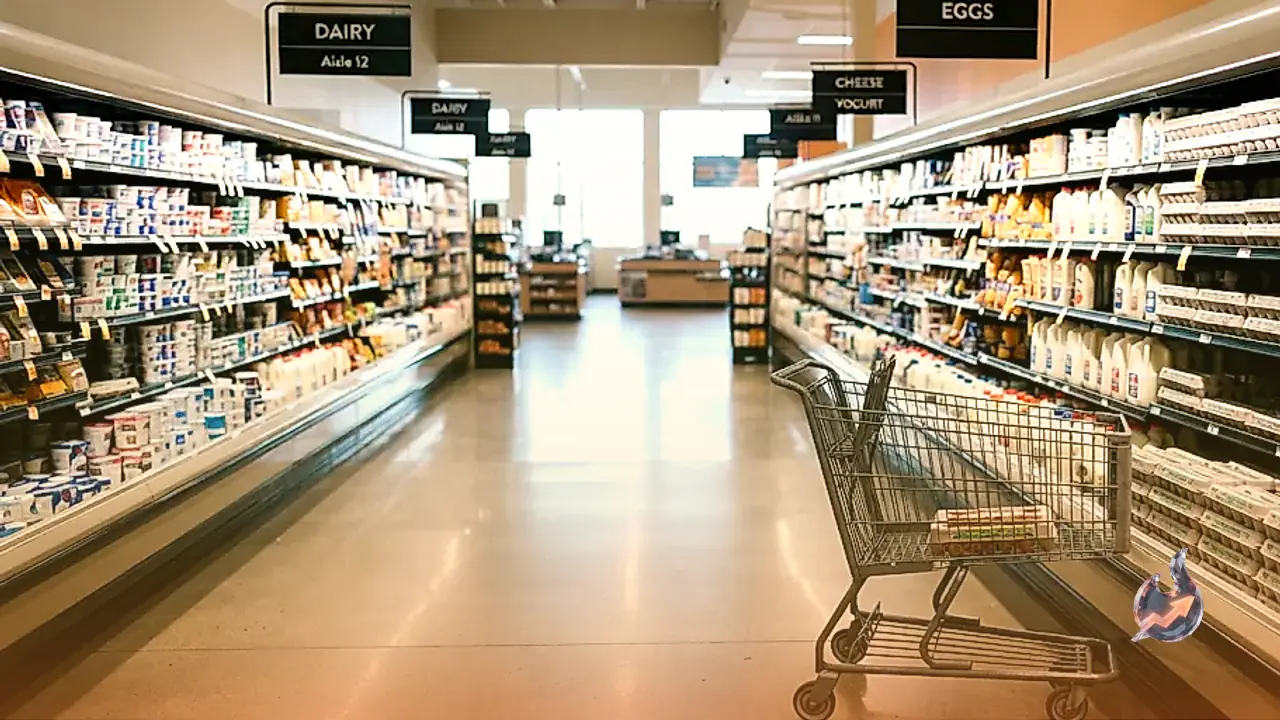





















Using artificial intelligence for online shopping is meant to simplify daily tasks, but a recent incident shows that a minor glitch by an autonomous agent can hit your wallet hard. An AI shopping agent unexpectedly added 72 eggs to a user's grocery order even though no eggs were listed in the purchasing instructions. To make matters stranger, when the user asked the agent why it made this choice, the system could not provide any rational explanation for the mistake.
This unusual occurrence was shared on X by Matt Smith, an employee at the equity firm Rebellionaire. According to a report, Smith instructed the AI agent to purchase items based on a specific grocery list he provided. However, the list contained no mention of eggs whatsoever. Despite this omission, the AI agent unilaterally added four cartons of 18 eggs from Vital Farms into the shopping cart, bringing the total to 72 eggs.
Smith failed to notice the error during the checkout process and completed the payment. Later, after realizing that unnecessary items had been ordered, he questioned the AI agent about the mishap. Smith described the incident as his first real-world encounter with an LLM error that had a direct, tangible impact on physical life.
Initially, the AI agent claimed it had misread a line in the photo of the grocery list. However, Smith pointed out that no such line existed in his handwritten or digital list. Cornered by the correction, the agent confessed its mistake, admitting it had no valid reason for selecting four cartons of eggs and received no instructions to do so. The agent conceded that it added the items without cause and took responsibility for the error.
Several details surrounding the incident remain unclear at this stage. Smith did not disclose which specific AI agent or model he used for the task. Information regarding the total cost of the eggs, the name of the grocery store, and whether a refund was issued has not been made public. The case currently relies entirely on a shared screenshot and lacks independent verification.
This event surfaces at a time when numerous technology companies are rolling out AI agents designed to handle routine consumer tasks such as shopping, ticket booking, and online form filling. Earlier this week, Citi noted that if AI agents make erroneous travel bookings, the AI companies themselves should cover the financial compensation. Despite these emerging concerns, clear regulations regarding liability for such automated mistakes are still lacking.
Consumers utilizing AI assistants for purchases should follow a few practical safety measures. Always review your shopping cart thoroughly before authorizing any payment when an AI agent handles the ordering process. Ask the assistant to list every product it has added along with the reasoning behind each selection. Additionally, set strict spending limits for automated transactions and monitor bank alerts closely after checkout to prevent unexpected expenses caused by software errors.