





















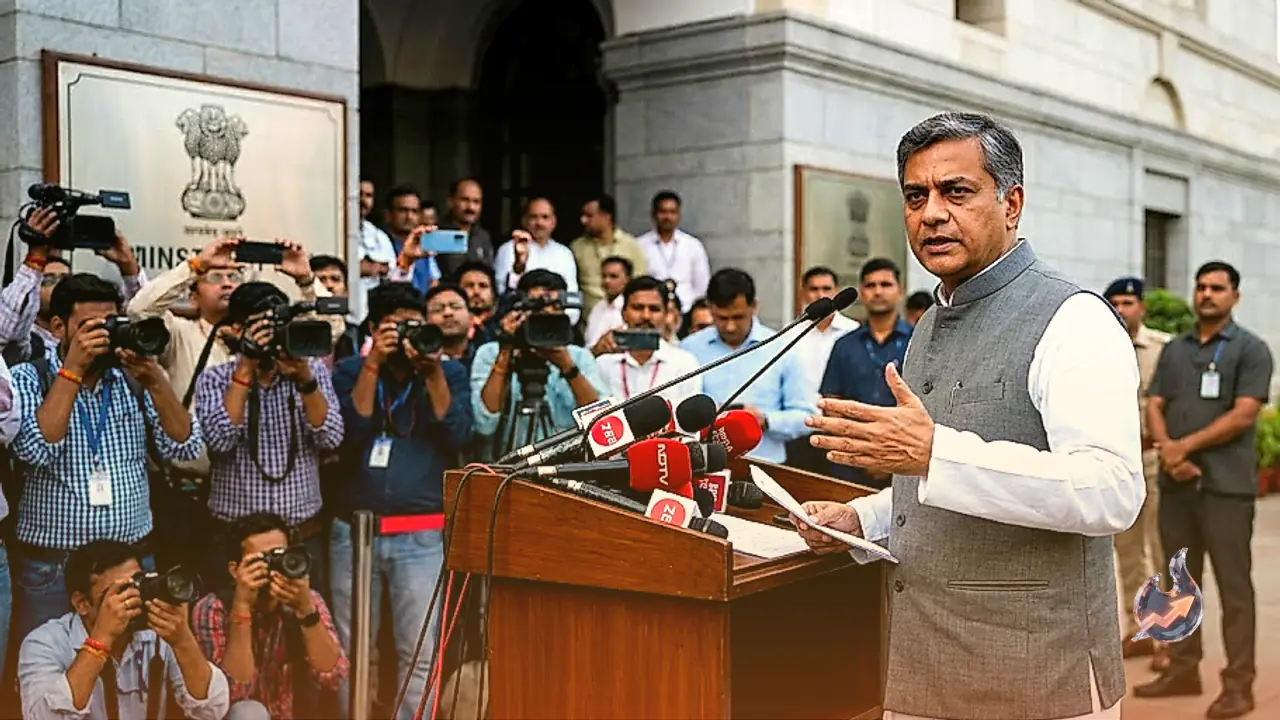

The Indian government has summoned the global head of public policy of Meta following the removal of Prime Minister Narendra Modi's video post from Facebook, where he addressed the nation's youth and pledged stringent measures to combat paper leaks.
Glitch Explanation Dismissed by Authorities
According to sources, Meta informed officials that a technical glitch within its automated content filters caused the removal of the Prime Minister's post. However, the government deemed this explanation unreasonable, indicating that deeper discussions are required and the matter remains unresolved. Officials stressed that if automated errors are causing such incidents, the tech giant must significantly improve its tools and systems.
Political Backlash and Platform Apology
The controversy began when the video, featuring the Prime Minister's first direct selfie video aimed at engaging young people and highlighting the administration's crackdown on paper leaks, was posted on July 23 and subsequently restricted on Facebook. The clip was released amid student protests organized by the Cockroach Janta Party, with Modi mentioning an upcoming parliamentary bill and cabinet meeting to finalize legislation against paper leaks.
The restriction drew sharp criticism from BJP worker Priti Gandhi, who posted on X to question the platform's transparency, accountability, and potential political bias. Following the backlash, Meta admitted the error, issued an apology, and restored the content. A company spokesperson confirmed that the material was removed in error and is now accessible again.
This incident comes amid a series of recent regulatory clashes between the government and the tech conglomerate. The Ministry of Electronics and Information Technology previously issued a strict notice to WhatsApp over its proposed username feature, citing risks of online fraud, phishing, digital arrest scams, and impersonation attacks. WhatsApp subsequently assured authorities that the feature would not be rolled out in India until compliance concerns were fully addressed.
Scrutiny Over Content Safety and AI Tools
In another major regulatory action, the IT ministry penalized Meta over paid advertisements promoting child sexual exploitative and abuse material on Instagram, demanding a comprehensive and deadline-bound explanation. In response, Meta outlined its deployment of AI-powered detection mechanisms and enforcement actions to safeguard younger users and reinforce its ad review workflows.
Furthermore, Meta recently faced pushback regarding its Muse Image AI generator over data privacy, scraping, and user consent concerns. Although the company initially defended the tool as its most powerful image generator, it eventually scrapped the controversial feature globally following widespread feedback.
As digital platforms continue to influence public discourse and data ecosystems, regulatory authorities are tightening oversight on emerging technologies, placing heightened emphasis on platform accountability, data privacy, transparency, and user consent safeguards.