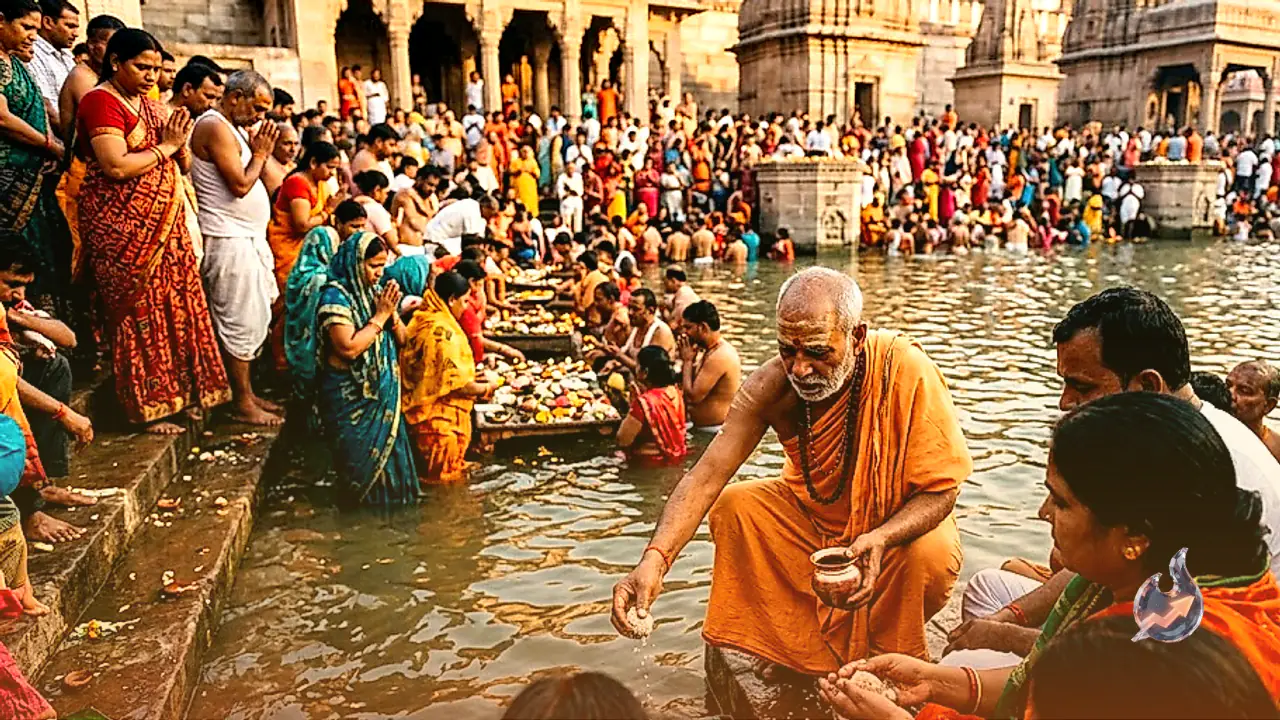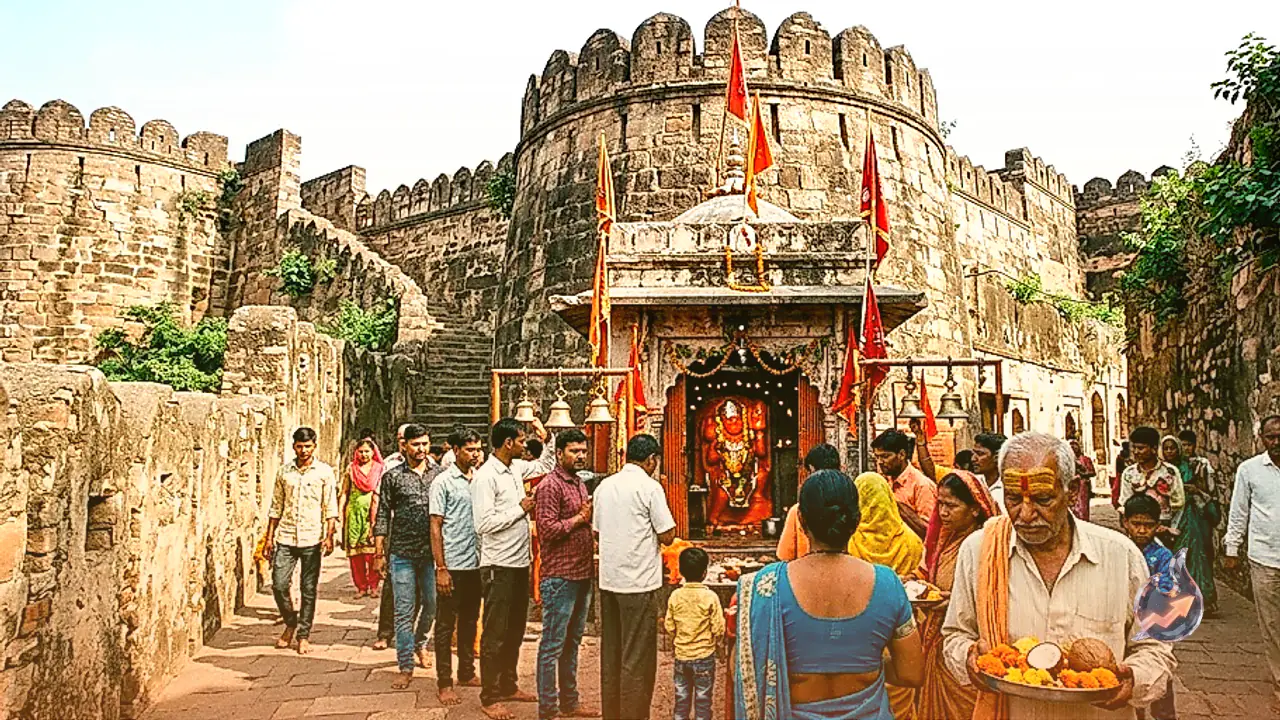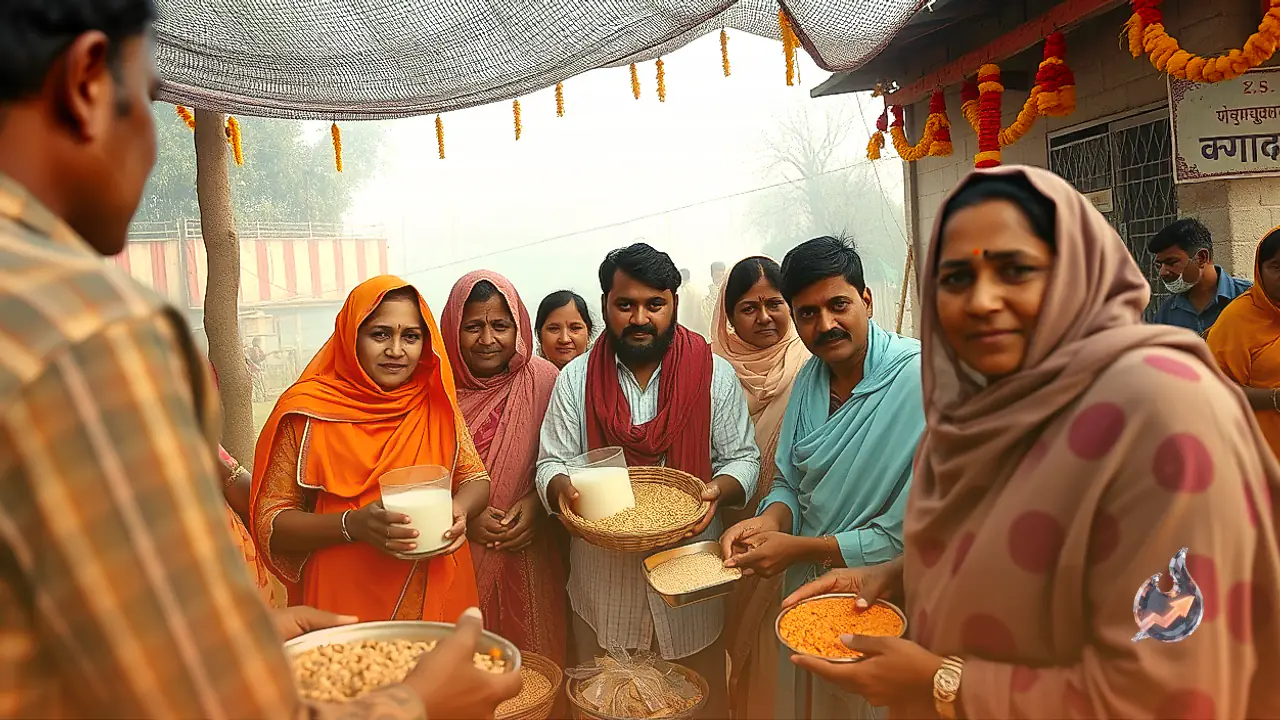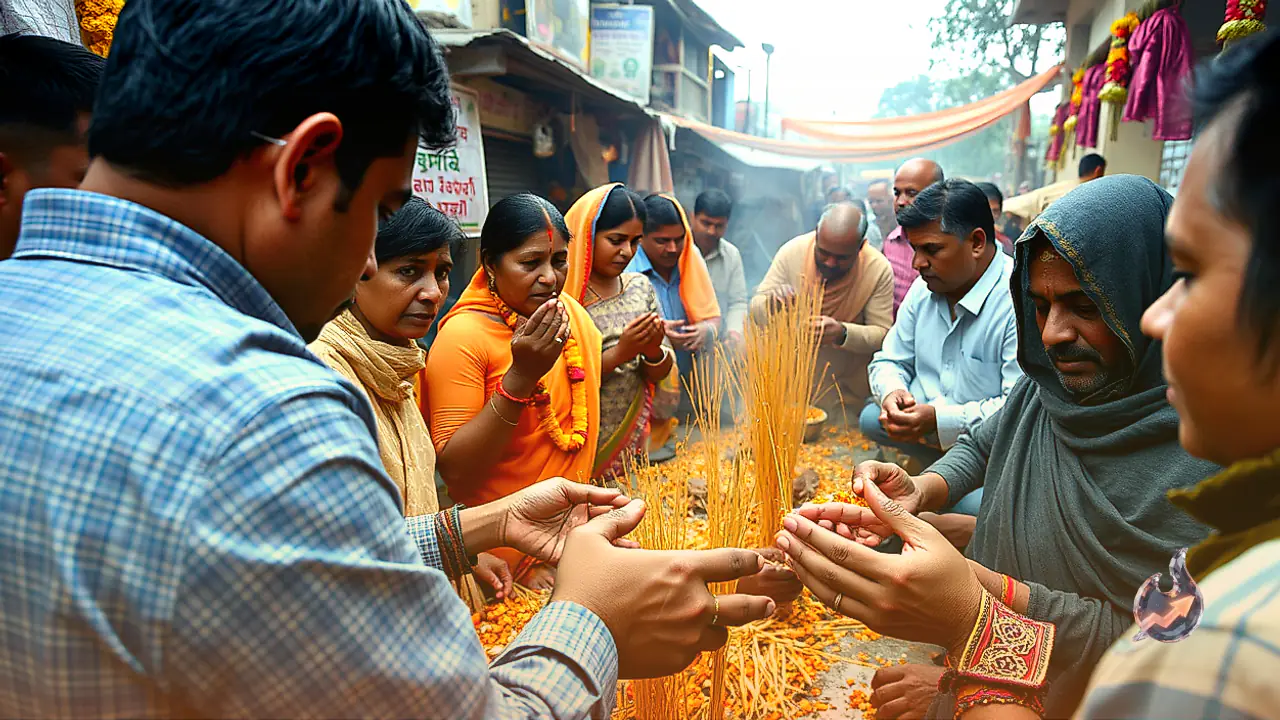




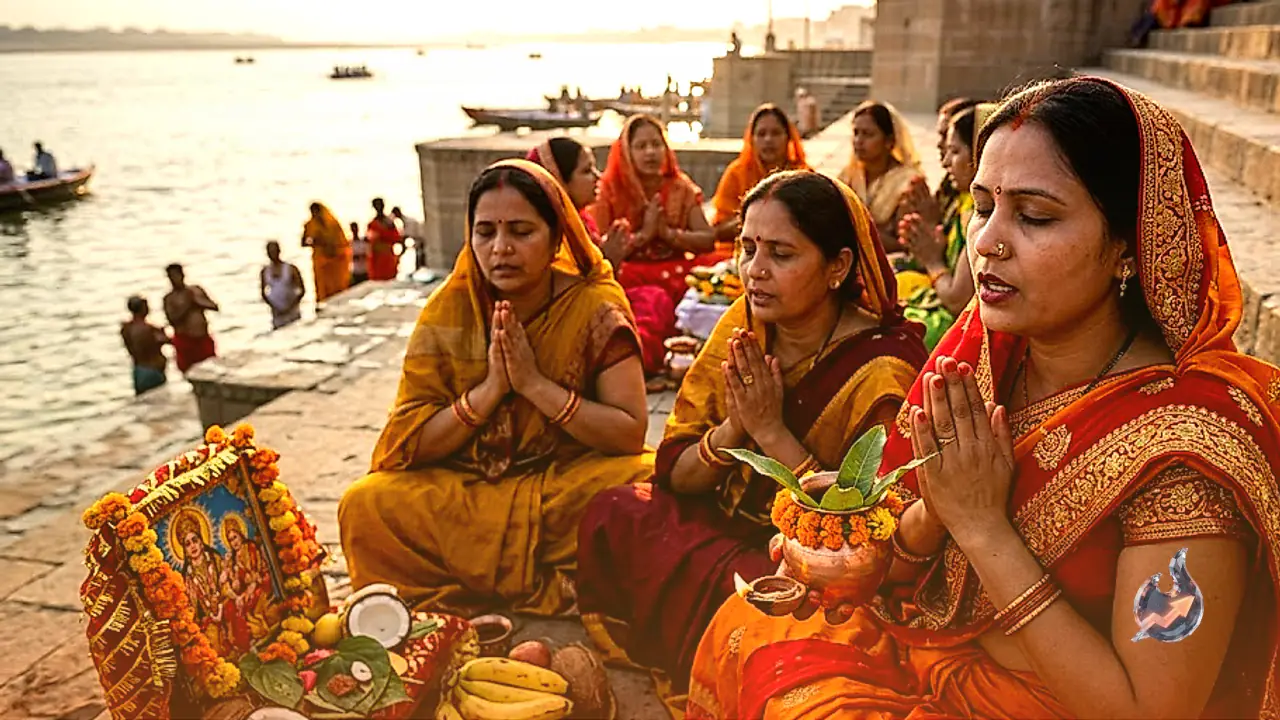















In Sanatan religious traditions, Jivitputrika fast holds a position of profound reverence among mothers seeking divine protection, vitality, and enduring longevity for their offspring. Widely known in regional practice as Jitiya, this demanding spiritual observance is performed without consuming food or even a drop of water. For the year 2026, the sacred observance falls on October 3. On this day, mothers undertake severe austerities, dedicating their prayers entirely to the holistic wellness and safety of their sons and daughters. Spiritual traditions maintain that devotional recitations and hymns serve as the definitive completion of the rituals, seeking forgiveness for any unintended lapses and invoking grace upon the household.
Spiritual Prominence of the Jivitputrika Observance
According to the traditional lunar calendar, the observance takes place annually during the Krishna Paksha Ashtami of the Ashwin month. Fasting women adhere to strict abstinence from dawn to subsequent dawn, meditating on the preservation of their lineage against adversity, ailments, and obstacles. Following elaborate rituals of worship, the recitation of sacred lore, and traditional offerings, families assemble to sing consecrated hymns. Cultural lore emphasizes that concluding the ceremony with dedicated chants amplifies the spiritual merit of the fast, drawing benevolence from the divine forces that govern health and vital energy.
Devotional Invocations to the Sun Deity
A vital component of the Jitiya ceremonial protocol involves paying homage to the Sun God, venerated as the visible provider of life and sustaining light across the universe. Hymns recited during this segment extol the solar divinity as the descendant of sage Kashyap and mother Aditi, who dispels cosmic darkness and cleanses mortal impurities. Depicted as seated upon a chariot drawn by seven radiant horses with a singular celestial wheel, the solar presence is revered for banishing sorrow and bestowing vitality. Devotees offer prayers to the dispeller of ignorance, beseeching the radiant giver of health to shield their children from physical infirmities and guide them toward wisdom and enduring prosperity.
Veneration of Jitiya Mata and the Legacy of Jimutavahana
The subsequent ceremonial hymn centers on Jitiya Mata, whose benevolence is intertwined with the lore of the noble and self-sacrificing King Jimutavahana. Within local folklore, she is revered as the universal protector of living beings and the guardian of maternal devotion. The lyrics of this devotional expression celebrate the belief that faithful observance preserves children from afflictions while blessing domestic life with peace and abundance. By singing these verses, worshippers honor the virtues of righteousness, sacrifice, and maternal steadfastness, asking the maternal deity to guide their households through moments of hardship.
Concluding the Observance with Maternal Prayers
As the ceremonial procedures draw to a close, mothers perform the concluding rites by waving lighted lamps, bowing before the altar, and meditating upon the long-term well-being of their children. The quiet recitation of these traditional verses serves as a solemn commitment to virtue, endurance, and protective care. Completed with focused devotion, the singing of these sacred chants marks the spiritual fulfillment of the rigorous waterless penance, reinforcing bonds of family harmony and divine safeguarding.