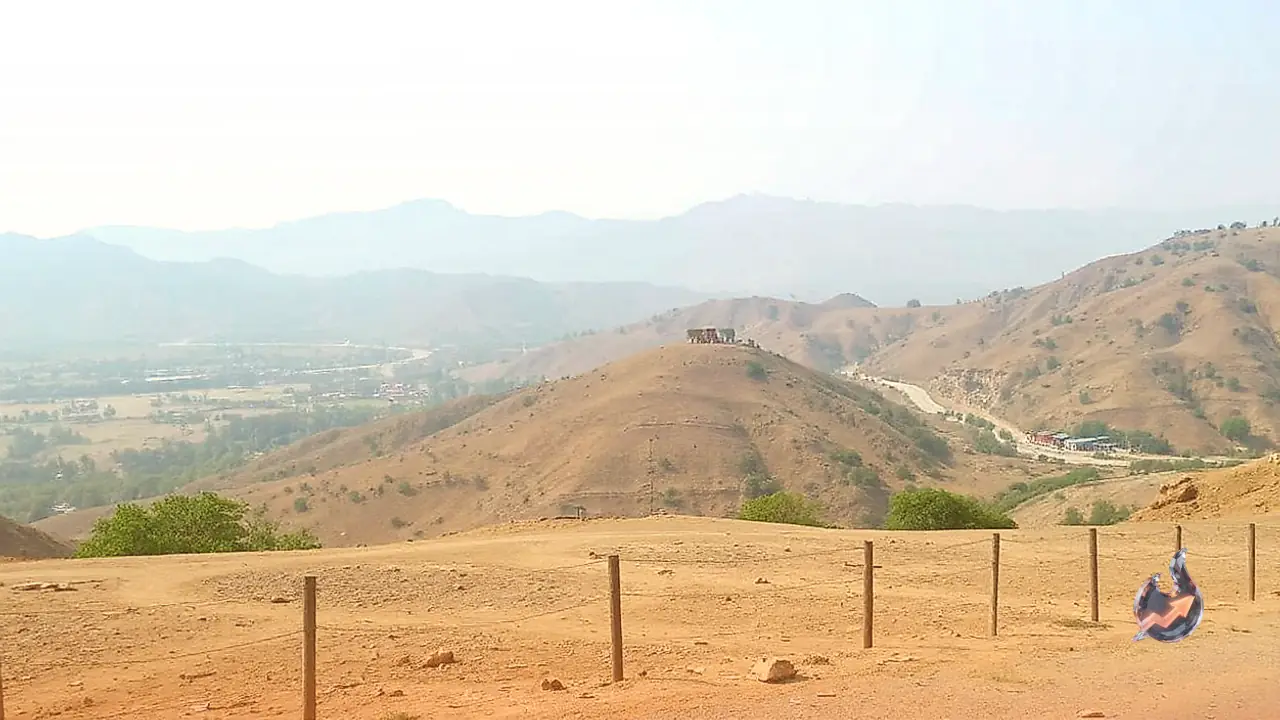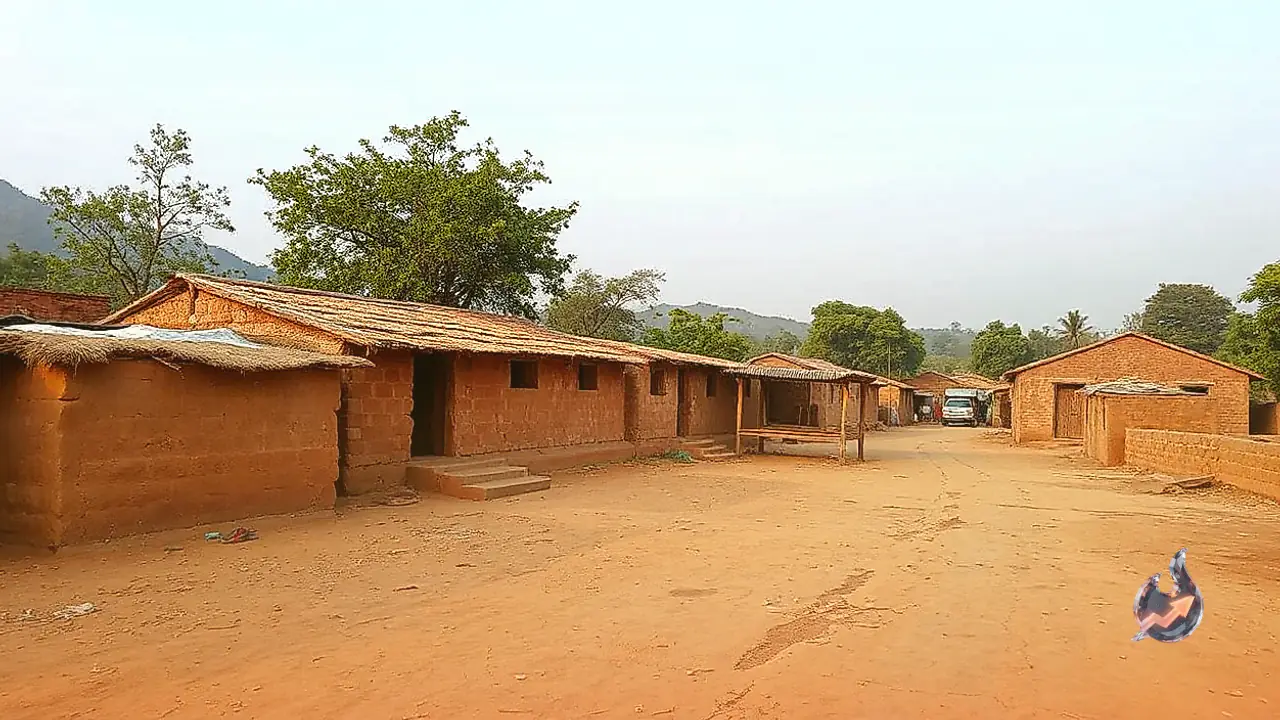



















Long before it became synonymous with Rani Lakshmibai's courage, the city of Jhansi in Uttar Pradesh started out as nothing more than a modest village tucked away in the region. Only a handful of families lived there in those early years, and the settlement looked much like any other ordinary rural hamlet nearby. Everything changed once the Bundela rulers took notice of the spot and saw potential others had missed.
How a fort turned a village into a city
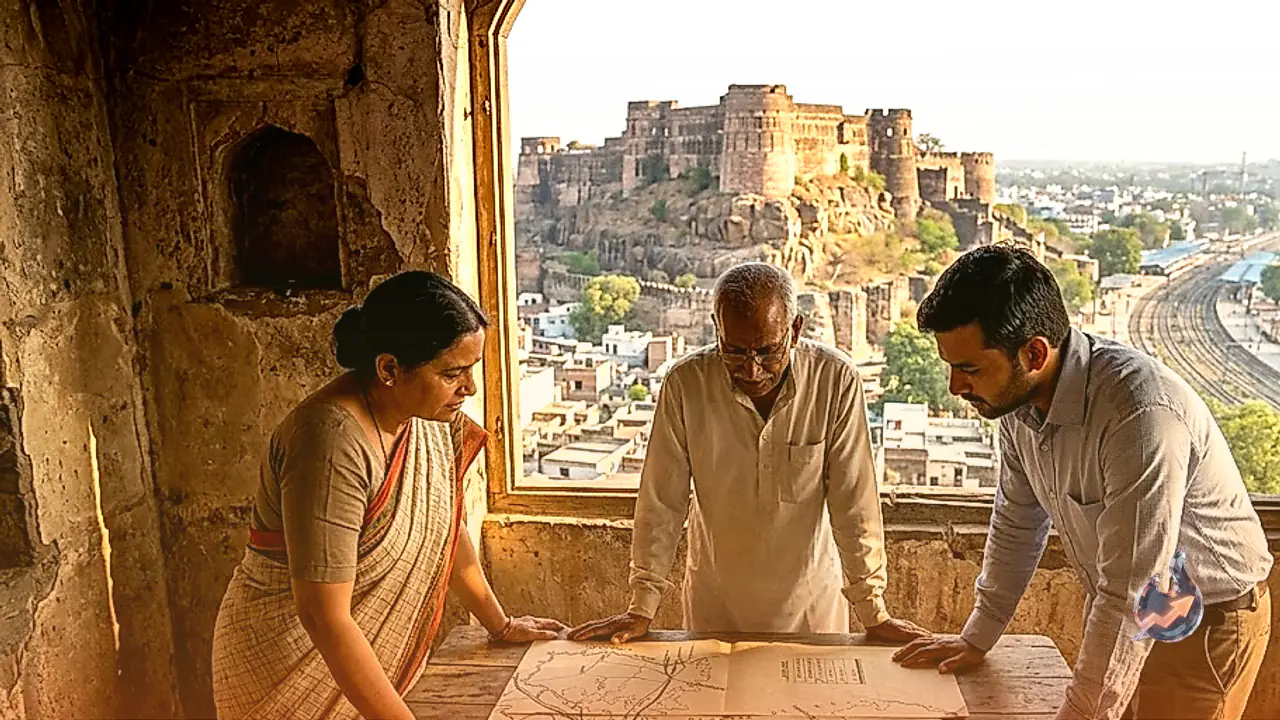
Recognising the strategic value of the location, the Bundela dynasty ordered the construction of a sturdy fort on the site. That single decision reshaped the destiny of the entire settlement forever. As the fort rose, people began settling around it, markets sprang up, and traders from far off places started arriving to do business here. Bit by bit, the small outpost grew into a full fledged town with a life of its own. Jhansi's position made it possible to keep a close watch over the surrounding countryside with ease, which is exactly why its strategic importance kept climbing steadily over the years that followed. Even today, the fort's towering walls and ancient gateways stand as living reminders of that bygone era, drawing visitors who want to step back in time.
1857, the year Rani Lakshmibai refused to bow
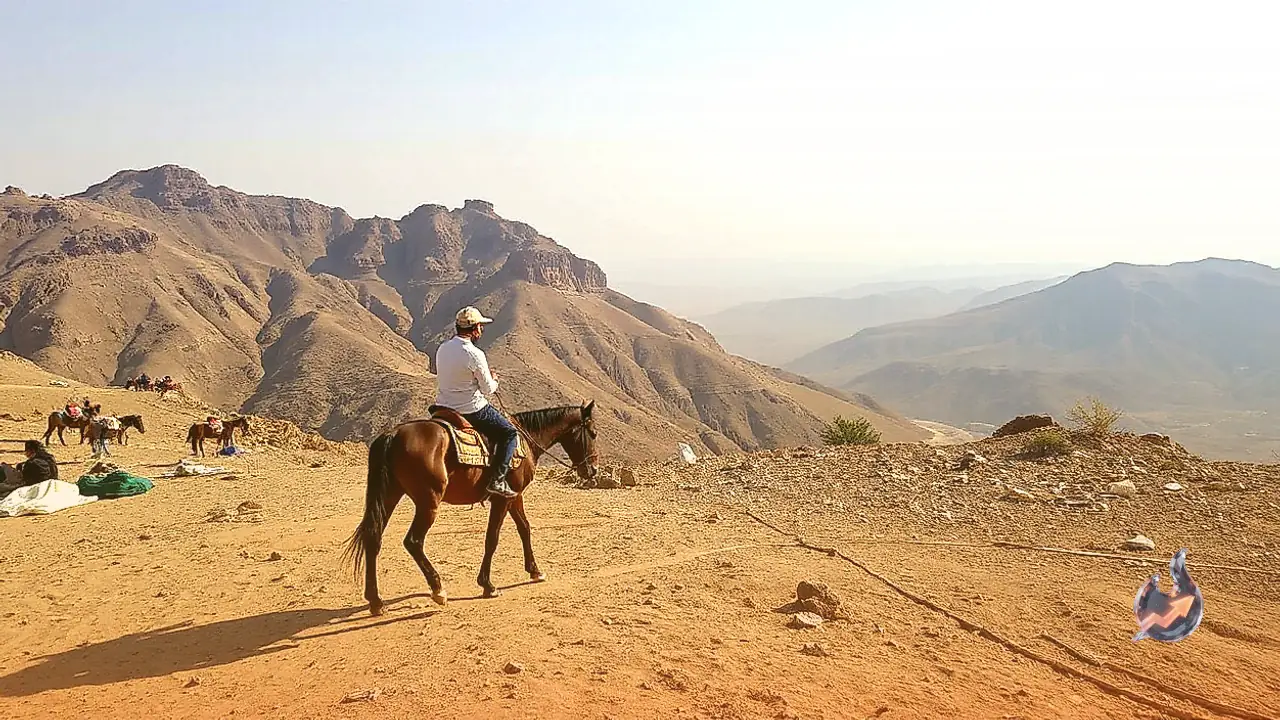
Jhansi earned its lasting place in history in 1857, when uprisings against British rule broke out across large parts of the country. Rani Lakshmibai of Jhansi flatly refused to surrender and threw herself into defending her kingdom and her people with everything she had. She is remembered for riding into battle on horseback herself, and her courage inspired ordinary people around her to find their own resolve to fight back. Numerous other brave fighters stood alongside her against the British forces during those turbulent days. What began as a local struggle soon turned into a battle for the honour of the entire nation, not just one princely state. Rani Lakshmibai showed that defending one's land and rights is worth fighting for until the very last breath, which is why her name is still spoken with deep respect across the country today, and Jhansi remains forever tied to her legacy of bravery and sacrifice.
From the fort to Rani Mahal, what to see in Jhansi today
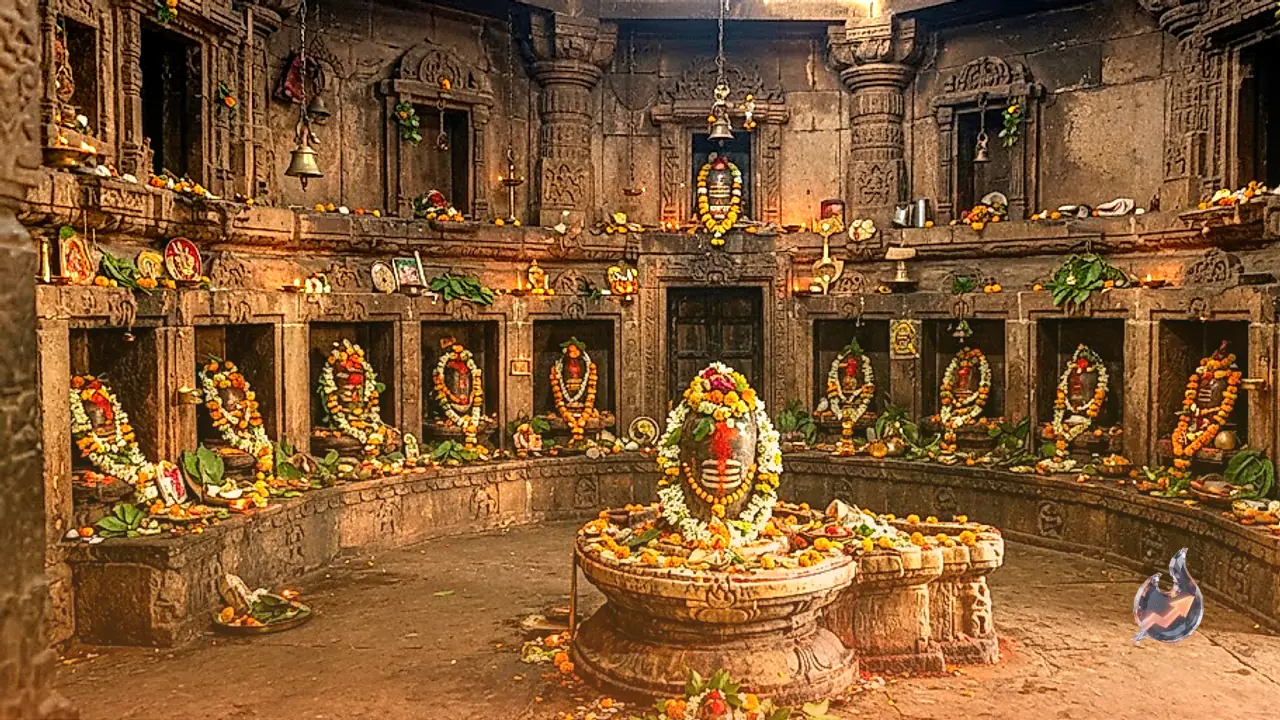
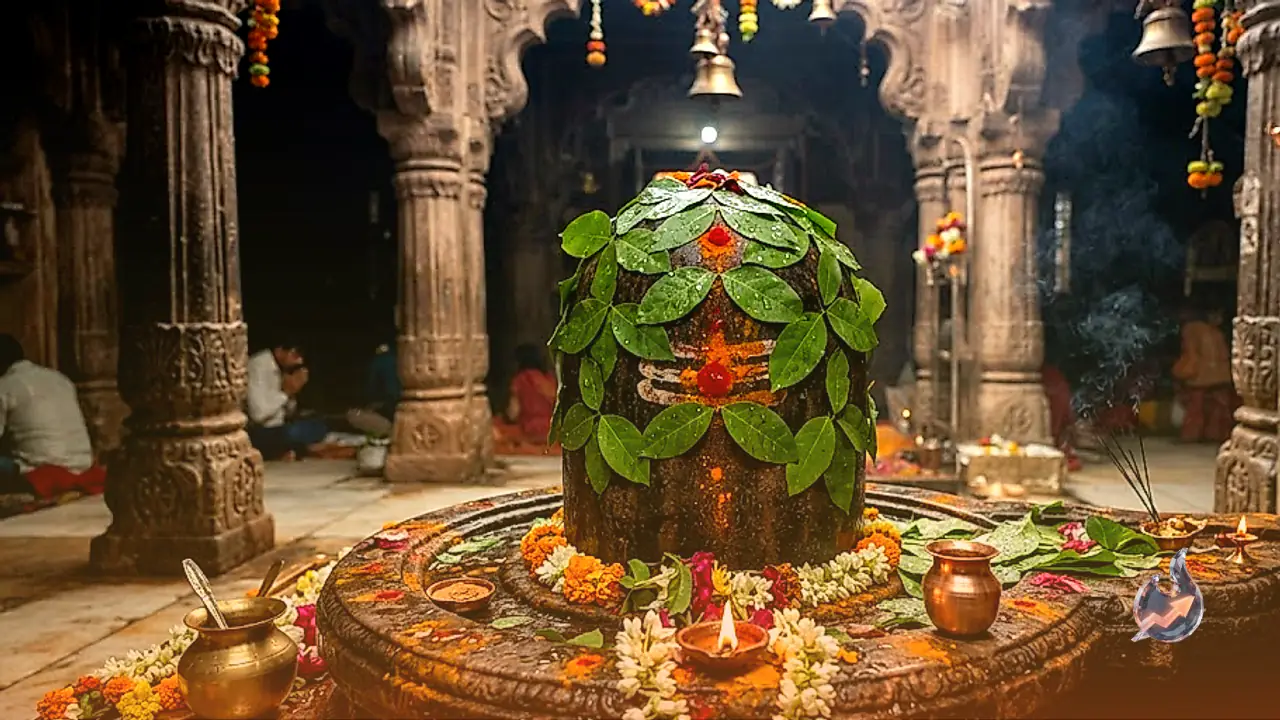
Anyone travelling to Jhansi today will find plenty of traces of this rich history scattered across the city. The first stop should be the fort itself, which offers a sweeping view of the entire city from its ramparts. From there, visitors can head to Rani Mahal, where numerous artefacts and memories connected to Rani Lakshmibai's life have been carefully preserved for generations to see. The city is also dotted with several old temples and historic sites that echo that stirring period of history. People who travel here aren't just sightseeing, they come to experience history up close and feel a part of it. Every corner of Jhansi carries a story from its past, and the atmosphere serves as a constant reminder of the sacrifices made for the country. That is precisely why Jhansi is regarded not merely as a city in Uttar Pradesh but as a symbol of national pride and honour. Every visitor who comes here leaves carrying memories of the city along with the tale of Rani Lakshmibai's bravery in their hearts.