





















India is widely recognized across the globe for its diverse natural beauty, rich historical heritage, and fascinating destinations. While millions of travelers explore the country every year, the nation also hosts several specific locations where general public access is either entirely forbidden or restricted without special administrative clearance. These stringent regulations are implemented for various vital reasons, including national security, religious traditions, environmental conservation, and the protection of vulnerable indigenous communities.
Baran Island, Andaman and Nicobar
Situated within the Andaman and Nicobar archipelago, Baran Island holds the distinction of being India's only active volcano. Due to critical safety concerns and potential geological hazards, the general public is strictly prohibited from landing or stepping foot on this island. Visitors who travel to the surrounding waters are typically restricted to viewing the geological formation from a safe distance while remaining aboard boats or cruise vessels.
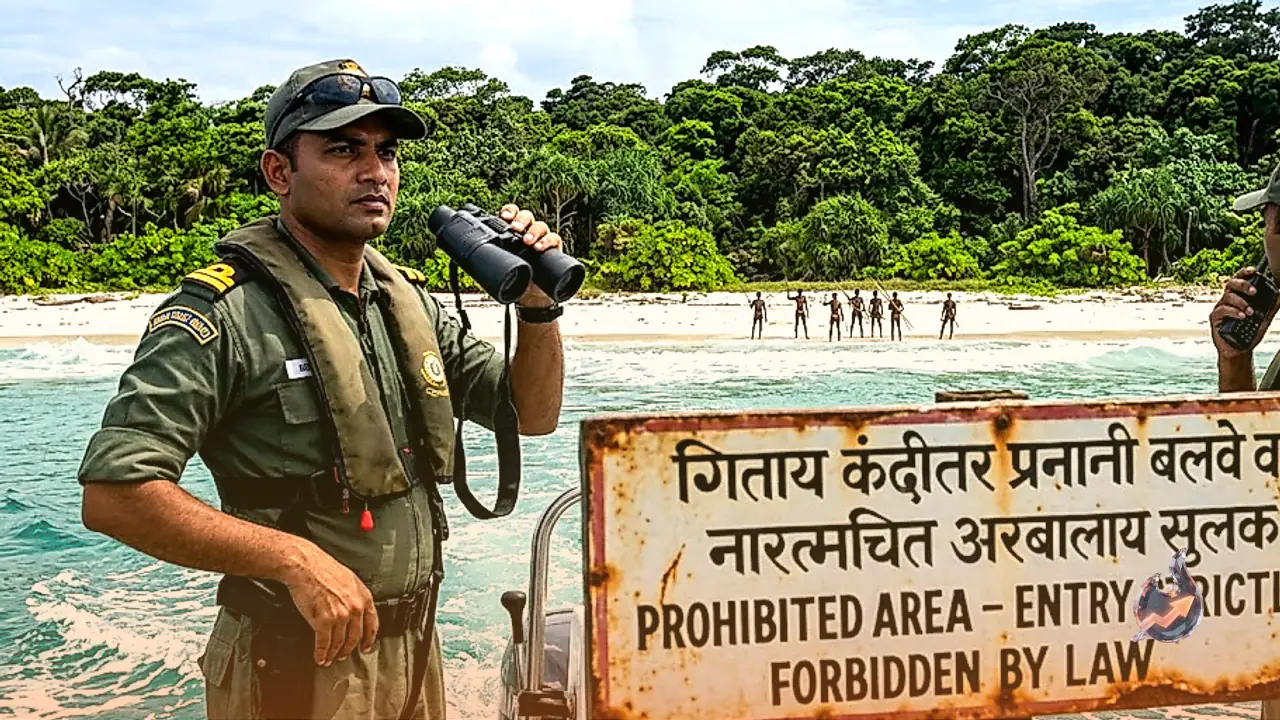
North Sentinel Island, Andaman
North Sentinel Island stands as one of the most heavily restricted regions within Indian territory. The indigenous Sentinelese tribe residing on this island remains almost entirely isolated from the modern world. To protect their unique culture, lifestyle, and physical safety from external diseases and interference, public entry to the island is strictly banned, and the area is subjected to rigorous maritime surveillance.
Bhabha Atomic Research Centre (BARC), Mumbai
Located in Mumbai, the Bhabha Atomic Research Centre serves as a premier facility for the nation's nuclear science research and development initiatives. Given its critical importance to national defense and energy infrastructure, it operates as a high-security zone where ordinary civilians are barred from entry. Access to the facility is strictly regulated and restricted exclusively to authorized personnel possessing verified security clearances.
Surroundings of Nuclear Power Plants
Multiple nuclear power facilities established across different regions of India are classified as extremely sensitive zones concerning national security. General public entry into these secure complexes is completely prohibited under all circumstances. Entering these restricted perimeters without official security clearance and specialized authorization is practically impossible.
Sensitive Archaeological and Heritage Sites
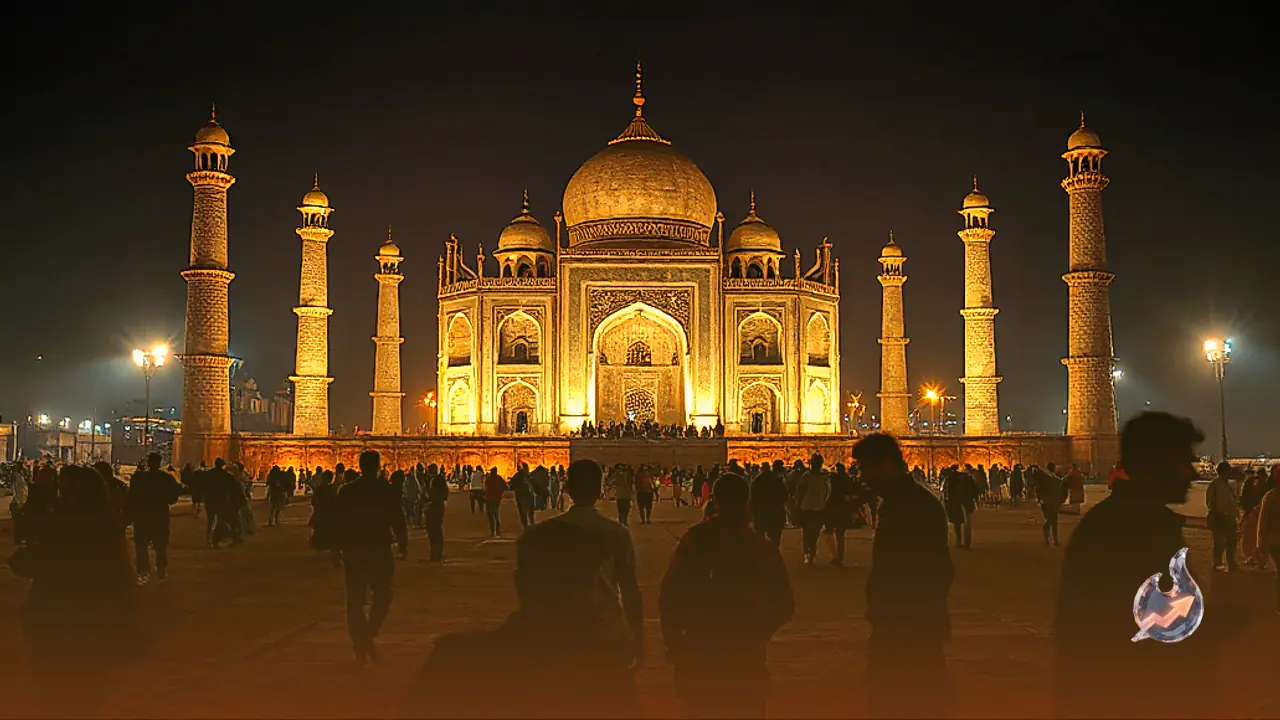
Several magnificent heritage structures and architectural monuments across the country are situated within strategically sensitive zones or protected archaeological perimeters. Due to strict security protocols and preservation mandates, ordinary tourists may be restricted from approaching certain structural zones. Several locations require domestic visitors to obtain special permits, while regulations for foreign nationals are frequently much stricter.
Protected Tribal Reserves of Nicobar
Specific geographical zones within the Nicobar archipelago have been officially designated as protected areas exclusively for local indigenous tribal populations. The movement of outsiders into these territories is restricted to prevent external contact from negatively impacting the traditional lifestyles, health, and cultural heritage of these indigenous groups.