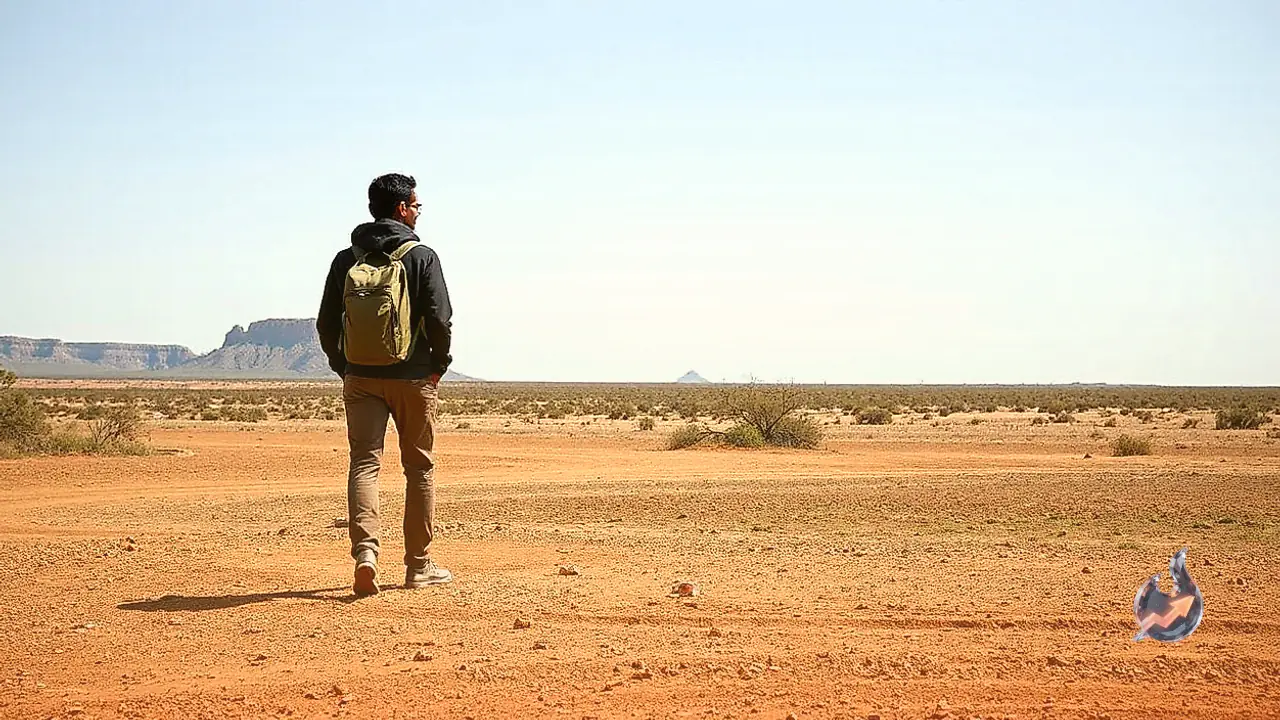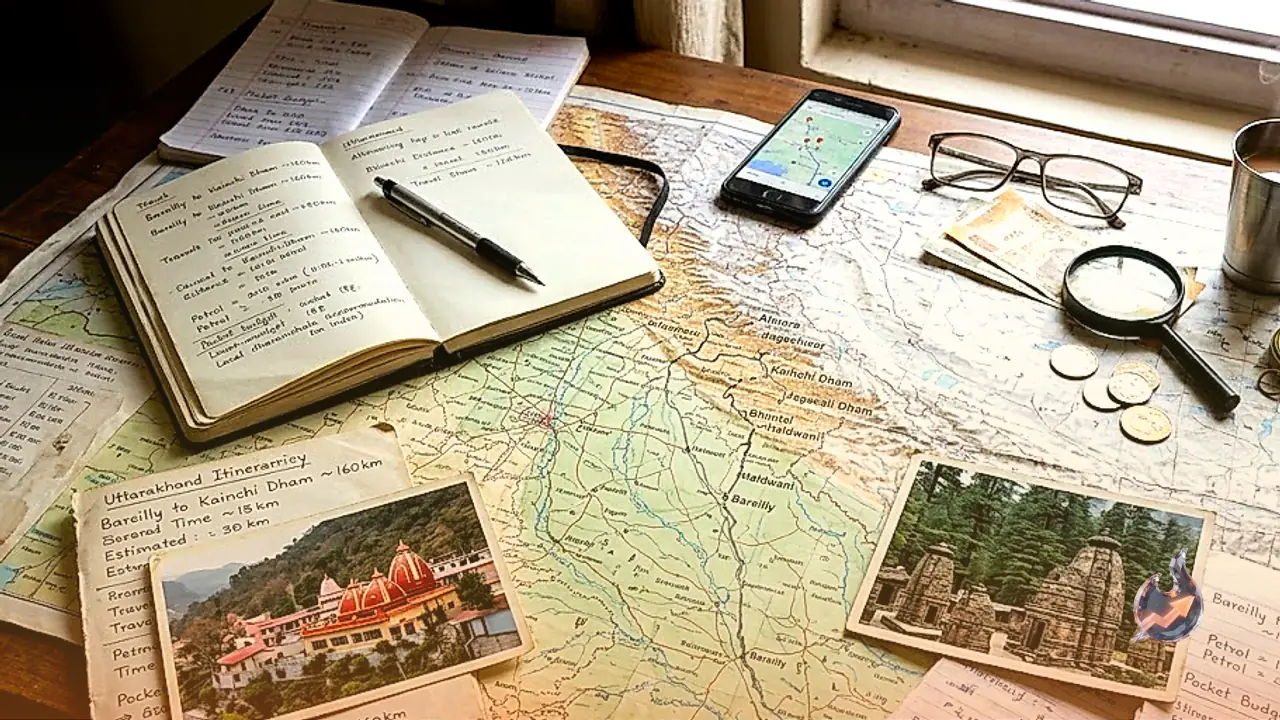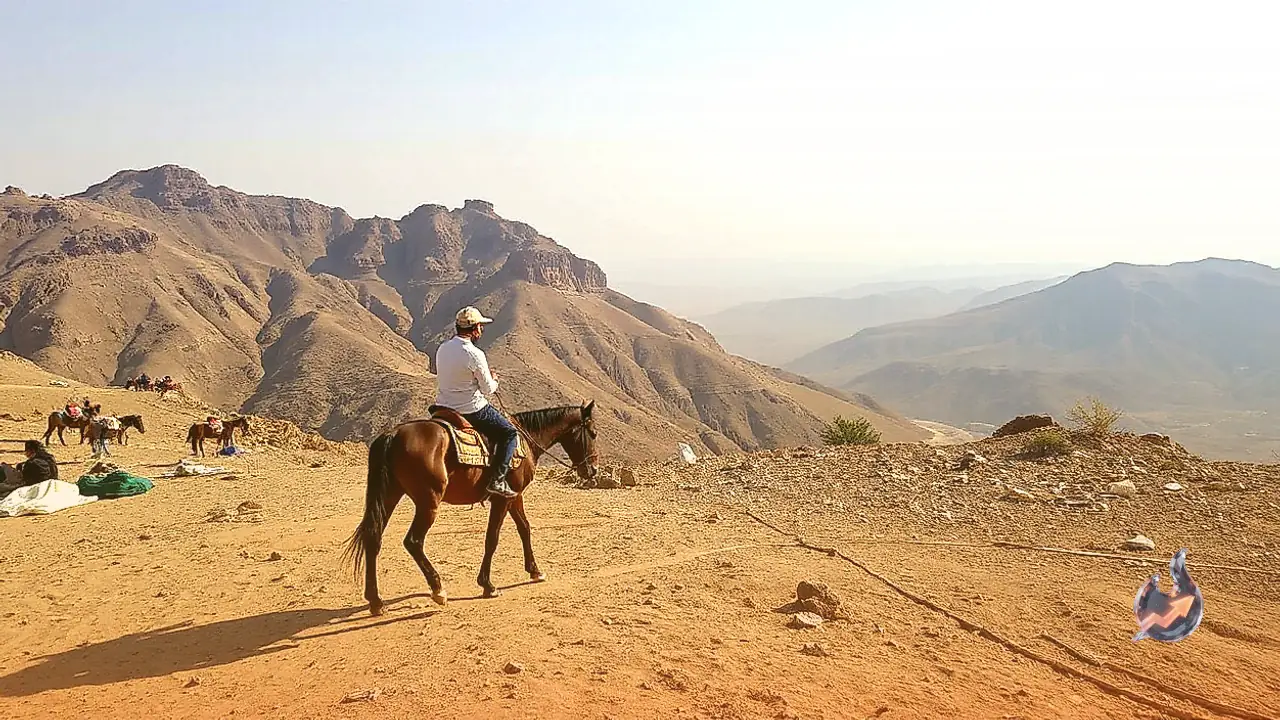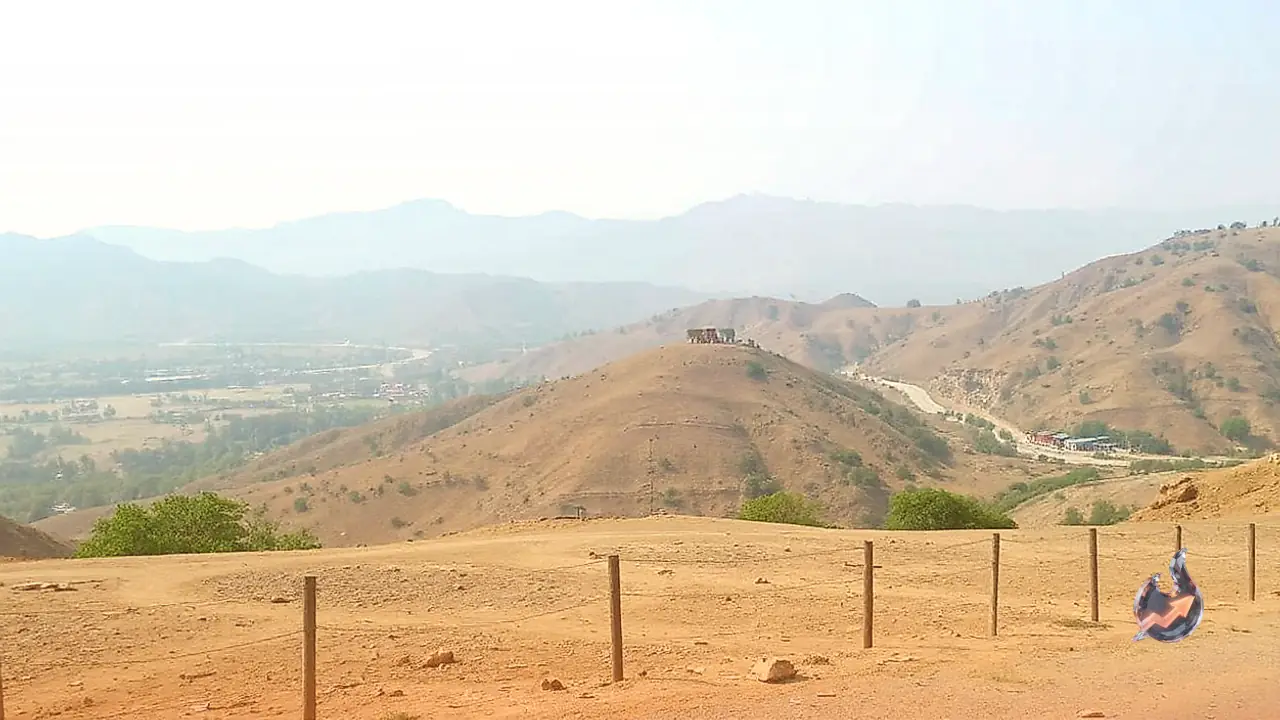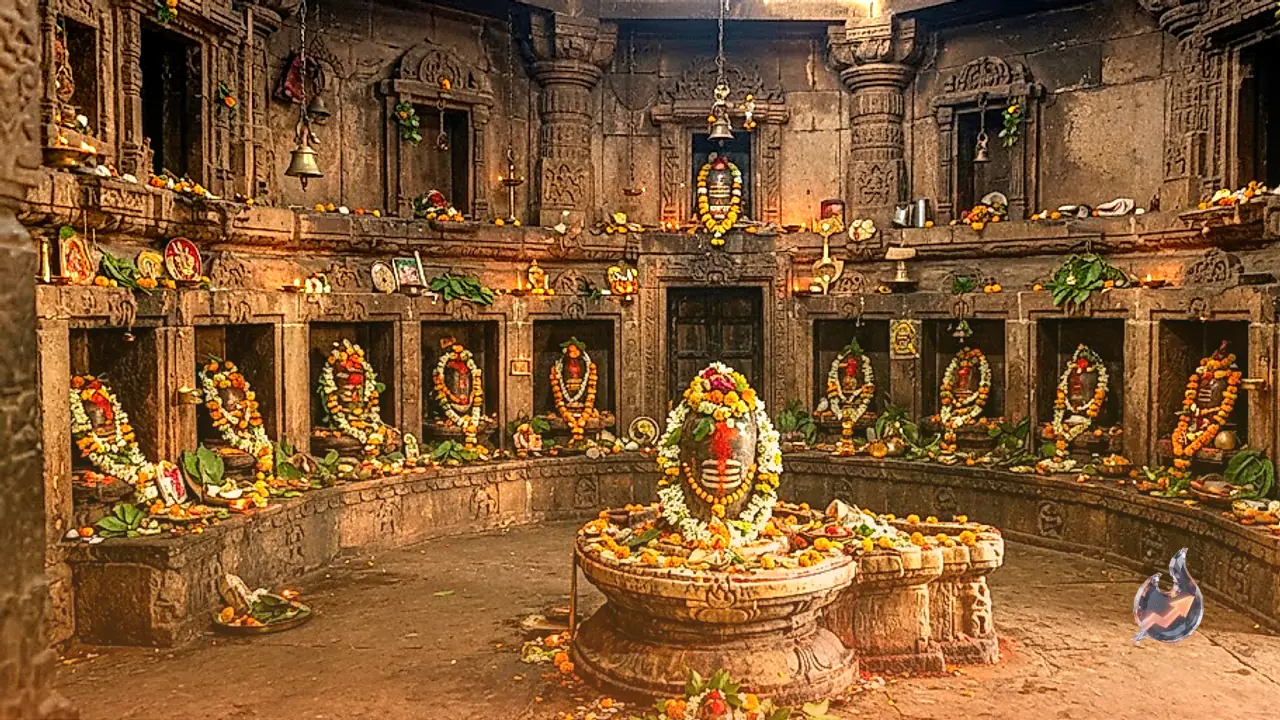





















Mentioning a holiday usually conjures mental images of high-end resorts, air-conditioned rooms, swimming pools, and round-the-clock service. However, an entirely opposite movement is currently gaining traction among travelers who choose to leave these comforts completely behind. Instead of seeking ultimate relaxation, people are deliberately heading toward destinations defined by limited amenities and rugged conditions.
Understanding the Concept
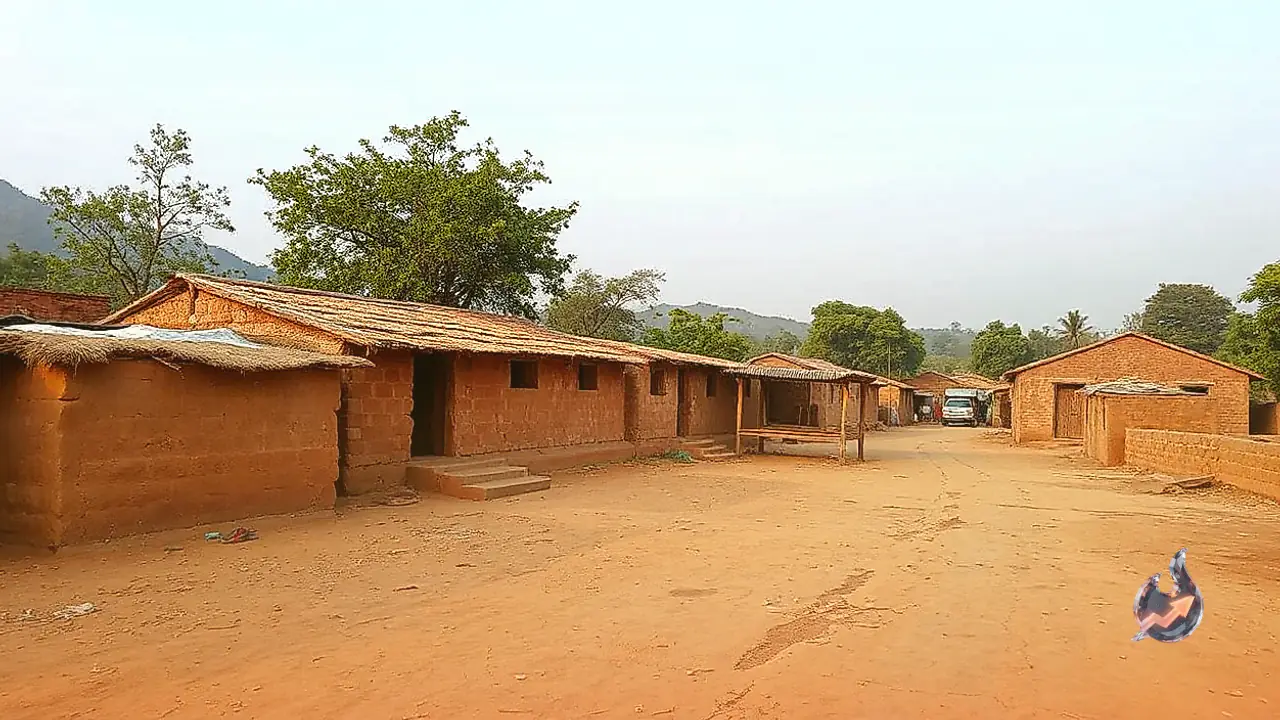
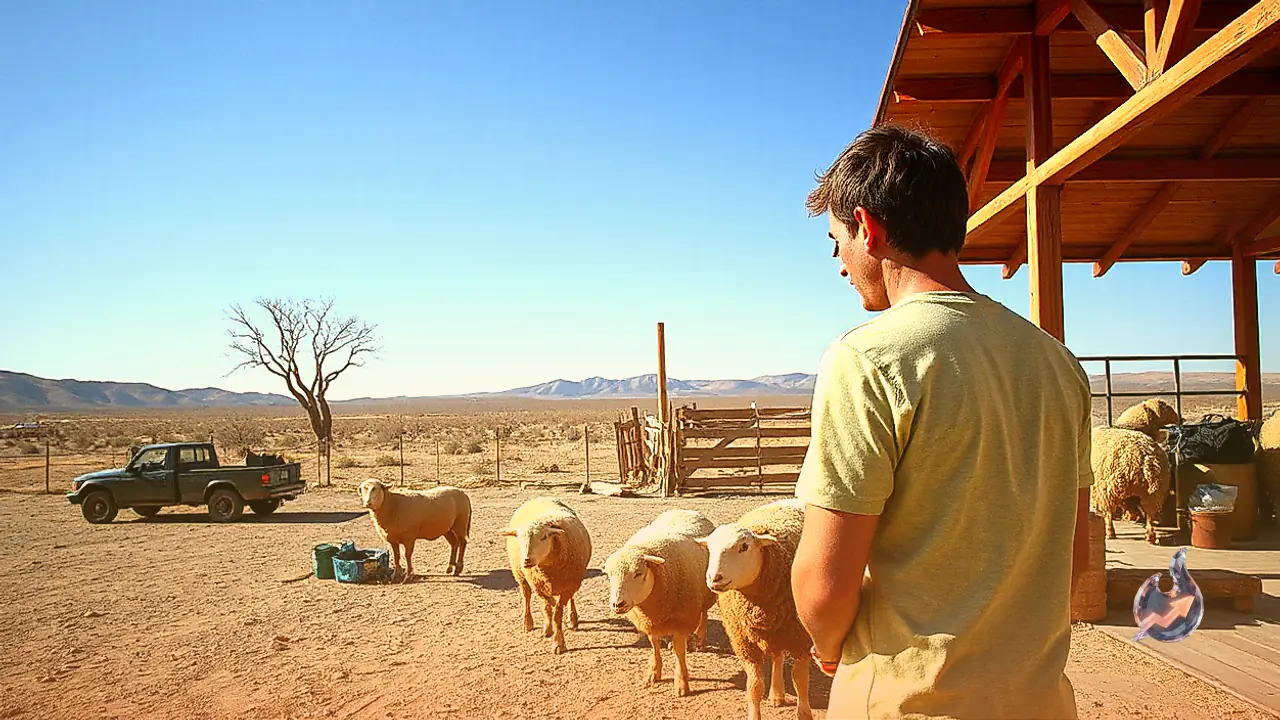
This emerging travel style involves selecting getaways that offer fewer conveniences than everyday life. Rather than booking expensive hotels, individuals are opting for modest homestays, remote villages, and secluded cabins. The underlying objective is not self-inflicted hardship, but rather a deliberate departure from screens and constant connectivity.
The Urge to Escape Urban Speed
Modern city living ensures that almost every conceivable service is merely a click away, transforming even holiday planning into a stressful chore. This background makes rugged getaways an appealing alternative. Escaping to a quiet mountain settlement devoid of round-the-clock food delivery and high-speed internet allows the frantic pace of life to slow down, fostering a deeper appreciation for simple realities.
Finding Appeal in Inconvenience
Observers note that individuals have grown so accustomed to climate control, rapid digital services, and constant web access that these luxuries are mistakenly viewed as absolute necessities. Temporary separation from them brings a fresh perspective. While the initial absence of Wi-Fi or television might trigger minor discomfort, that very silence quickly transitions into profound mental relaxation.
Methods of Experiencing This Lifestyle
Travelers adopt several approaches to make their breaks uniquely challenging. Complete digital detachment ranks high, as people deliberately visit zones devoid of mobile networks, turning total disconnection into a mental adventure. Accommodation choices shift away from brick-and-mortar structures toward mud houses, tents, treehouses, or forest cabins with restricted utility supplies. Furthermore, embracing local survival skills involves cooking over firewood, gathering raw ingredients from nearby village markets, and undertaking long treks without professional guides.
Ultimately, modern travel is no longer just about showcasing luxury. Recognizing the immense value hidden inside daily conveniences drives contemporary explorers toward this distinct path.