






















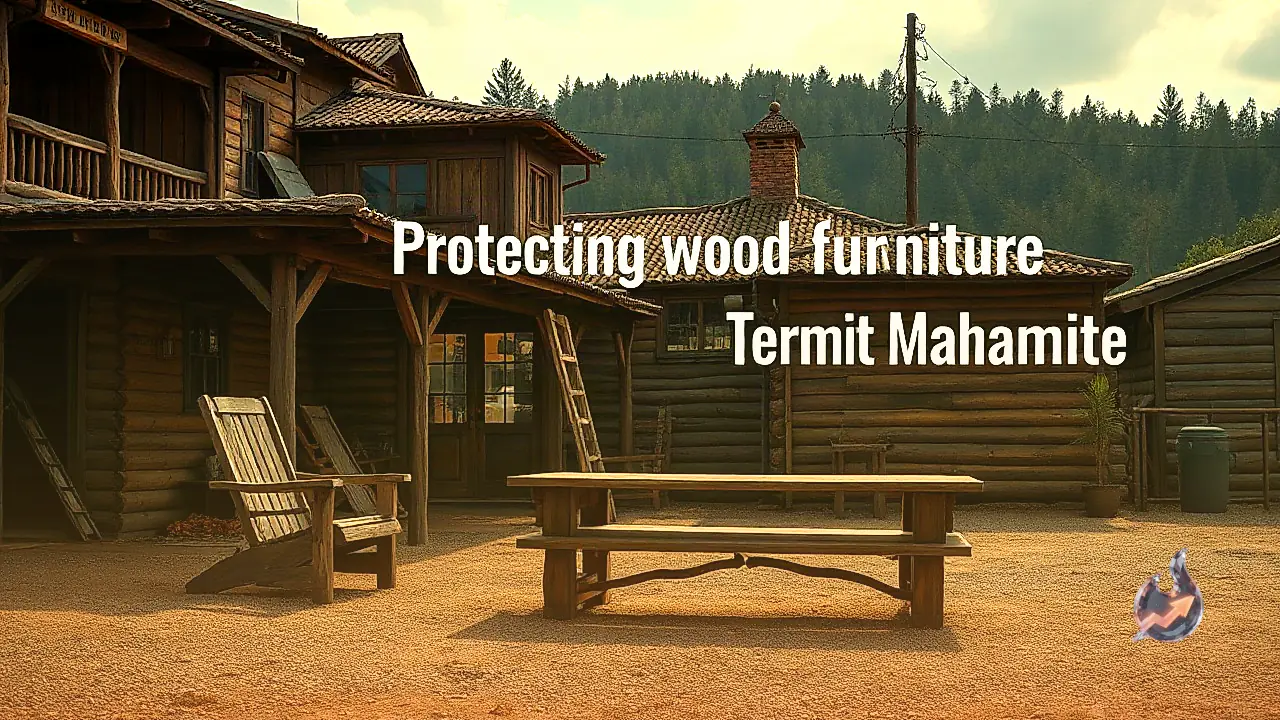

When crafting new wooden furniture to enhance the elegance, functionality, and aesthetic appeal of a home, most individuals direct their primary focus toward trending designs, wood shades, polish finishes, and overall budget constraints. However, after investing a substantial amount of money into solid wooden items, a persistent and destructive threat often causes continuous concern for homeowners: termite infestation. In the initial stages, the invasion of termites occurs so quietly and subtly that most people fail to notice the danger until significant structural harm has already occurred. Subtle accumulations of fine wooden powder near joint edges, tiny pinholes appearing on timber surfaces, or a minor softening of the wood structure serve as the earliest warning signs. If these subtle indicators are neglected, the affected wooden framework can become completely hollowed out from within in just a few months. Daily utility assets such as bedroom wardrobes, bed frames, wooden main doors, study tables, and dressing units are particularly vulnerable to this form of damage. Consequently, selecting the right species of timber equipped with natural protective attributes becomes a crucial decision during furniture construction.
How Termites Target Wooden Furniture from Within
The most dangerous characteristic of a termite attack is that these pests rarely begin their destructive process on the visible exterior surface. Instead, termites penetrate deep into the core of the timber, carving intricate networks of internal tunnels that systematically destroy the structural strength and load-bearing capacity of the wood. By the time noticeable surface defects, such as fine exit holes or wooden dust, become visible to the naked eye, a major portion of the interior framework has usually been completely compromised. Furthermore, many homeowners hold the misconception that simply buying the most expensive or heaviest hardwood available will offer total immunity against pest attacks. In reality, if timber remains in prolonged contact with water leakage, damp walls, atmospheric moisture, or wet soil, even premium hardwoods remain susceptible to severe termite infestation. Therefore, high cost alone does not ensure longevity; wood quality, scientific kiln drying, timber seasoning, and specialized anti-termite chemical treatments are equally vital factors.
Natural Pest-Repellent Properties of Melia Azedarach (Mahanimb)
Botanically designated as Melia azedarach, this notable tree species is widely known across various regions of India by local names such as Bakayan, Mahanim, or Mahaneem. The bark, leaves, and core timber of this tree species naturally harbor organic chemical compounds that possess proven insect-repelling and pest-deterring properties. Owing to these inherent biological characteristics, timber harvested from Melia azedarach is recognized as significantly more resistant to wood-boring insects and termites than conventional softwoods. For householders seeking timber for home interior projects that naturally repels damaging insects, Mahanimb presents an exceptionally practical, durable, and viable alternative. This unique biological advantage explains the steadily growing interest among woodworkers, interior designers, and furniture buyers in utilizing this timber.
Nevertheless, timber experts and forestry researchers clearly caution that Mahanimb wood should not be treated as 100 percent termite-proof under all operating environments. No natural timber variety in the world can guarantee absolute, permanent immunity against termite attacks across every harsh condition. The actual age of the harvested tree, residual moisture content within the logs, spatial placement inside the dwelling, and the thoroughness of timber seasoning and processing collectively determine the true durability and pest resistance of the finished furniture.
Impact of Moisture, Seepage, and Room Environment
All items of wooden furniture inside a residence are continually subjected to changing seasonal conditions, temperature variations, dust accumulation, and ambient air humidity. If a storage wardrobe or bed frame is positioned directly against a wall suffering from water seepage due to rainfall or faulty plumbing, simply using insect-resistant wood will not completely eliminate the threat of termites. In such scenarios, identifying and repairing the underlying source of wall dampness must be prioritized before installing wooden fixtures. Similarly, placing the base of wooden furniture directly on wet floors, damp tiles, or moist ground should be strictly avoided. Excess moisture creates an ideal breeding ground for termites, allowing them to rapidly multiply and penetrate the interior structure of the timber.
Best Practices for Timber Selection and Long-Term Furniture Maintenance
When selecting timber for custom home furniture, buyers should avoid making purchasing decisions based solely on popular commercial trade names or marketing claims. Prior to purchasing, it is essential to verify the structural density of the wood, confirm that it has undergone thorough kiln-drying and seasoning procedures, and inspect the details of any anti-termite chemical treatments applied. Even when using timber that naturally possesses pest-repellent chemical properties, applying high-quality wood polish, varnish, and protective sealant layers significantly strengthens both the exterior barrier and internal preservation of the wood.
Additionally, controlling indoor humidity levels is fundamental to extending the lifespan of wooden assets. Water leaks along walls, moisture pooling near flooring, or unventilated rooms holding damp air represent major hazards to wooden structures. Keeping valuable furniture in dry, clean, and well-ventilated areas while conducting routine inspections ensures that wooden investments remain sturdy, attractive, and free from termite damage for decades to come.