







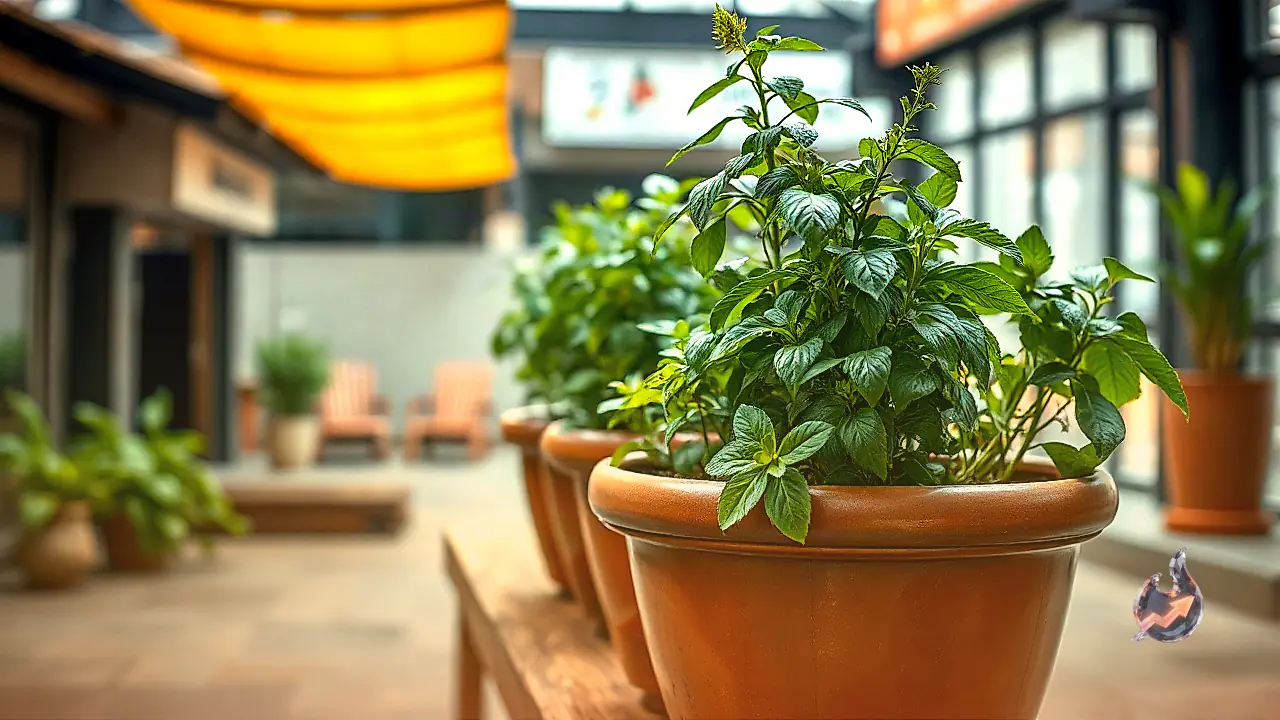















Widespread apprehension over dangerous pesticides and synthetic chemical fertilizers found in commercial market produce has driven numerous households to cultivate their own terrace, balcony, and backyard kitchen gardens. While establishing saplings in planters is relatively easy, many urban growers face disappointing harvests because their plants fail to receive balanced nutrition and proper soil conditioning. In Chitrakoot, Deputy Director of Agriculture JL Gupta pointed out that household waste and livestock by-products offer an accessible, completely free pathway to producing high-grade organic manure right at home without spending on commercial inputs.
Layering Kitchen Peels In Containers For Rich Household Compost
Urban gardeners often lack access to livestock, making municipal kitchens their primary source of valuable organic biomass. Vegetable trimmings, squash rinds, potato peelings, and discarded fruit bits produced every day should never be thrown into trash bins when they can instead enrich planter soil.
Homeowners can begin by securing a heavy-duty polythene bag or an aerated composting bin. The bottom tier must be lined with an approximately 8 centimeter layer of vegetable peels and raw fruit trimmings. A thin layer of ordinary garden soil is then sprinkled directly over this plant waste. Gardeners must systematically repeat this step, adding an 8 centimeter layer of wet kitchen waste followed by a dusting of topsoil each time. Over a period of several weeks, natural microbial decomposition breaks down the organic matter into dark, crumbly, and nutrient-dense compost suitable for immediate potting use.
Converting Farm Waste And Cow Dung Into Living Plant Nutrition
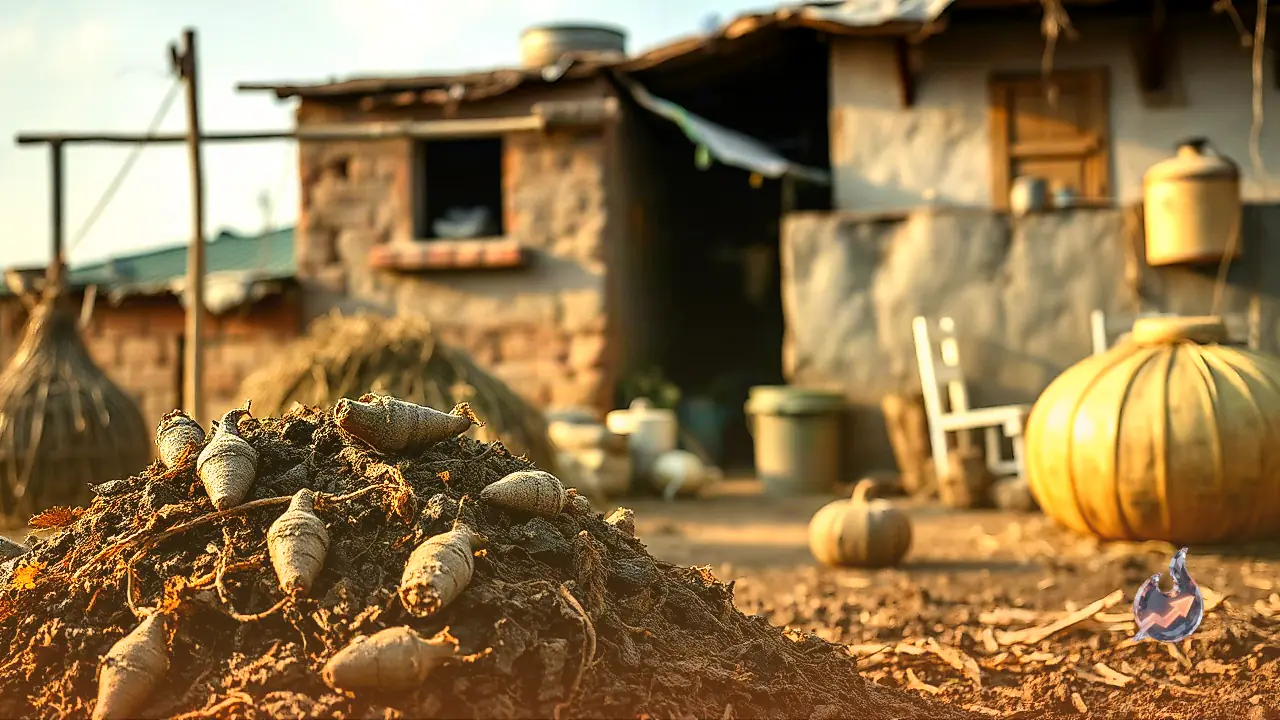
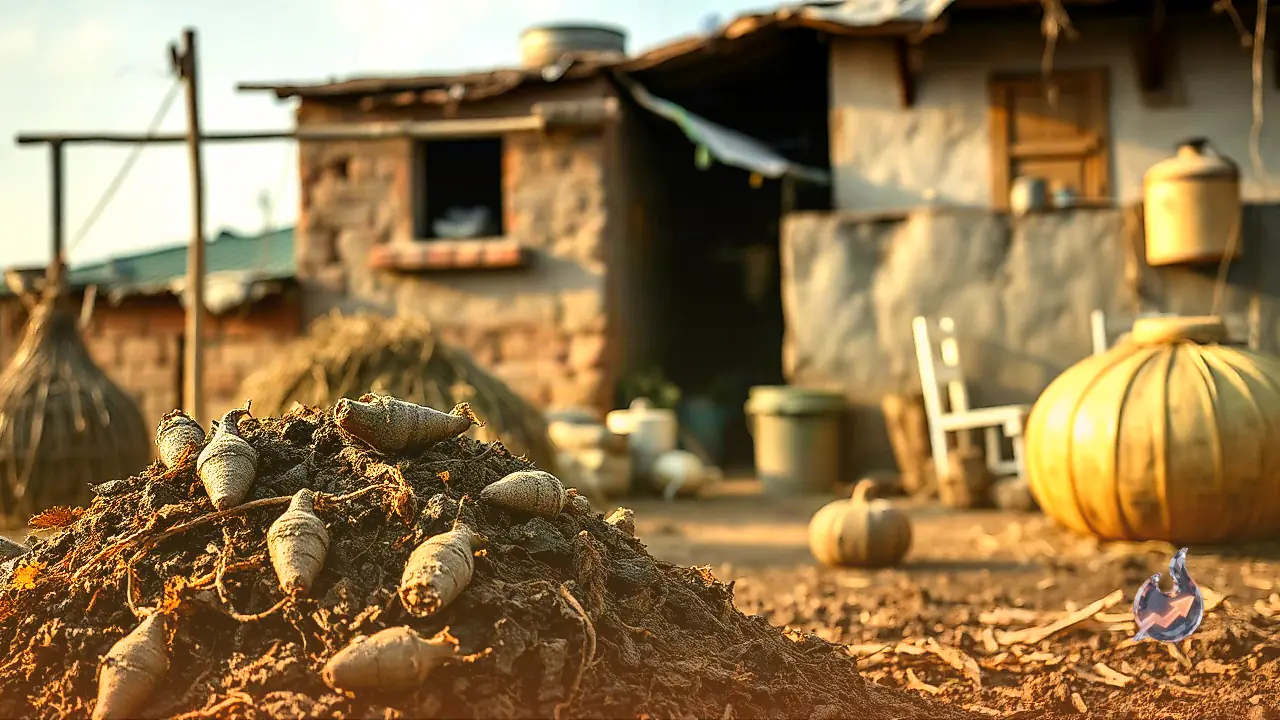
Growers and smallholders who manage dairy animals such as cows and buffaloes have an abundant supply of foundational ingredients right outside their doorsteps. The bed of dried grasses laid down for cattle bedding, cleared wild weeds, and fresh animal dung can be pooled together into heaps or pits to create standard decomposed compost.
Vermicomposting is considered one of the most effective fertilizers for thriving kitchen gardens. This approach utilizes earthworms to break down and ingest farm residues, dung, and decayed organic elements. As earthworms digest this bio-waste, their castings produce a fine, granulated compost packed with readily available plant nutrients and beneficial soil fungi. Applying this earthworm compost ensures deep root establishment and steady flowering across vegetable varieties.
Brewing Jeevamrut Using Indigenous Cow Dung And Forest Soil
Gardeners and farmers keeping indigenous cows can unlock exceptional plant vitality by preparing Jeevamrut, an age-old fermented bio-enhancer. This preparation requires fresh dung sourced from an indigenous cow, indigenous cow urine, and a scoop of biologically active soil taken from beneath an undisturbed, mature tree where beneficial microbes thrive.
All three components are thoroughly mixed inside an aerated vessel and left to ferment under monitored, shaded conditions. After adequate decomposition and microbial multiplication take place, this nutrient-dense liquid can be diluted and applied directly to irrigation lines or root basins. Utilizing Jeevamrut significantly boosts microbial biodiversity in container pots, allowing kitchen garden vegetables to flourish entirely free of toxic agricultural chemicals.