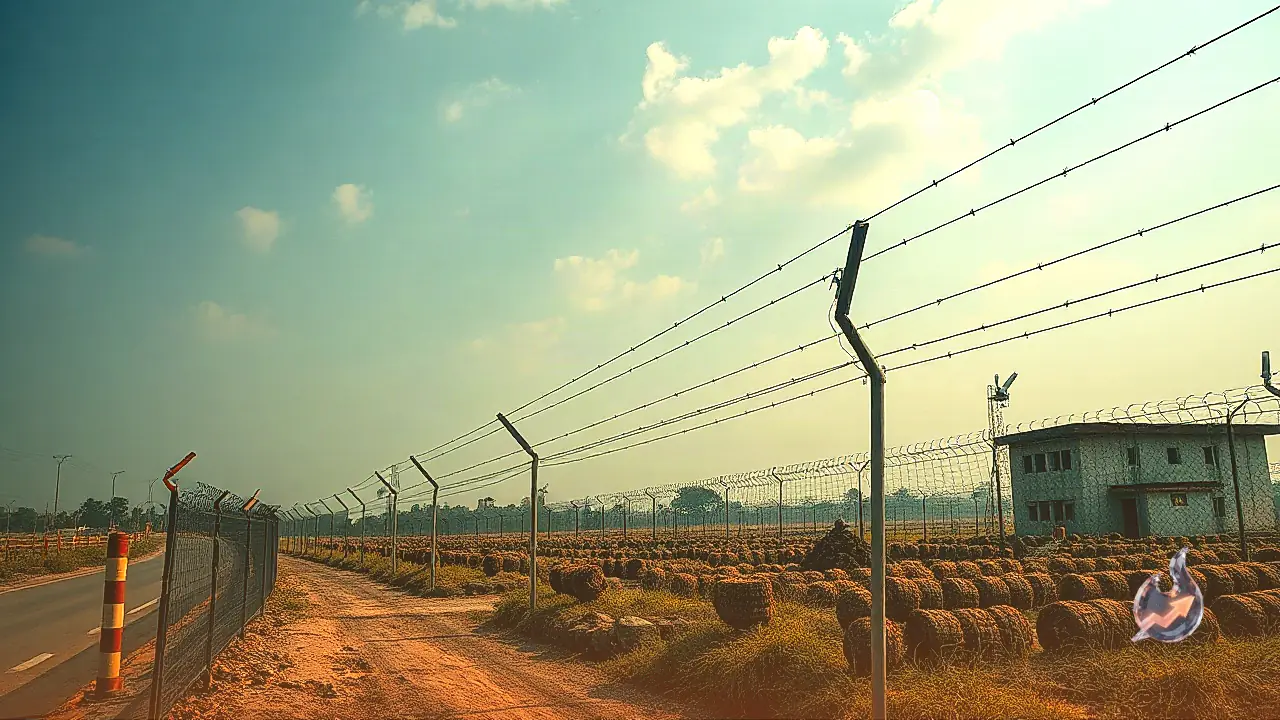

























The Tripura government is planning to implement advanced scanner-based monitoring for commercial vehicles entering the state through the Churaibari checkpost situated on the Assam border. Finance Minister Pranajit Singha Roy announced this technology initiative on Tuesday, highlighting that the primary objective is to replace traditional manual inspections with a seamless digital mechanism. By automating vehicle and cargo inspection, state authorities aim to significantly reduce traffic bottlenecks at the interstate border while enhancing data accuracy and security monitoring.
Eliminating Interstate Border Delays Through Digital Scanning
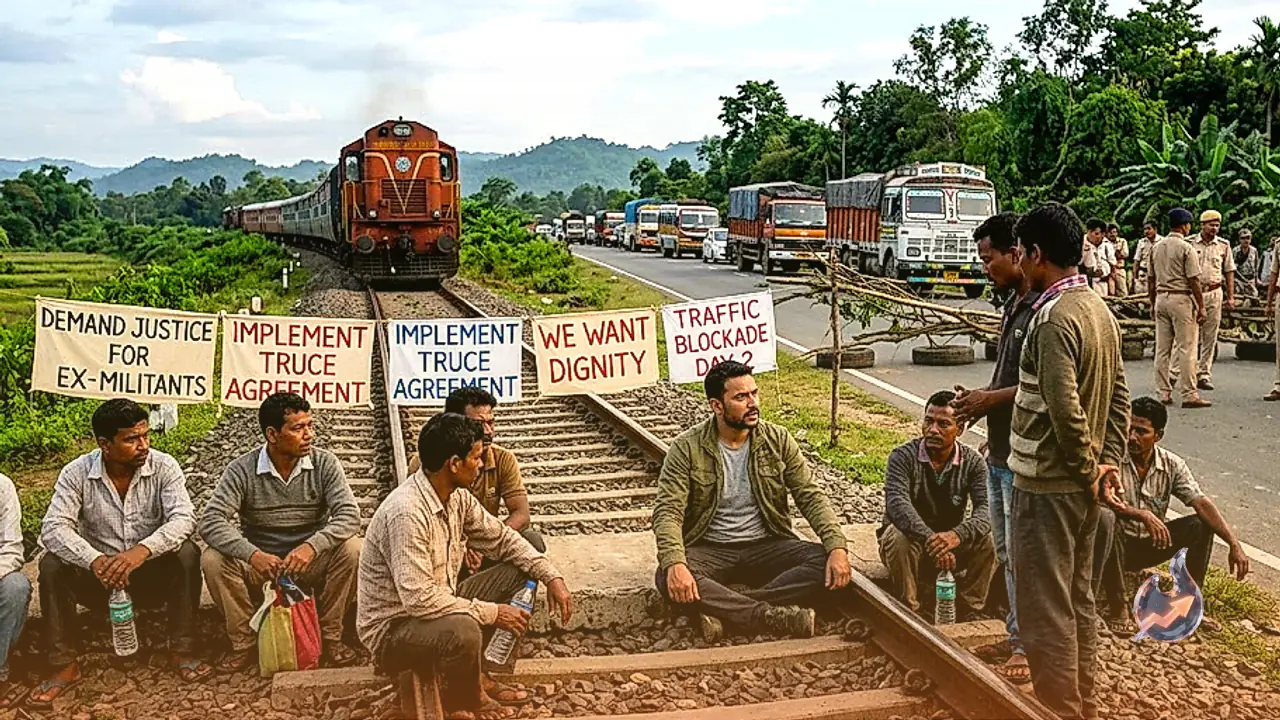
Currently, all freight-carrying trucks entering Tripura from other states must undergo physical, manual verification at the Churaibari entry point. This manual procedure is labor-intensive and extremely time-consuming, frequently causing long tailbacks and significant inconvenience for commercial truck drivers and logistics operators. The proposed scanner system will digitally record complete details of incoming vehicles and their cargo loads without necessitating prolonged physical stops or manual paperwork.
Under this planned setup, automated scanner units will capture essential information as vehicles pass through the checkpost. The system will record vehicle registration details, precise cargo specifications, and complete driver identification details, including the driver's full name and address. All captured information will instantly be transmitted electronically to the central government headquarters located in Agartala. This digital connectivity ensures that state officials can track freight movement in real time with minimal physical interference to traffic movement across the border.
Enhancing Surveillance and Security Measures
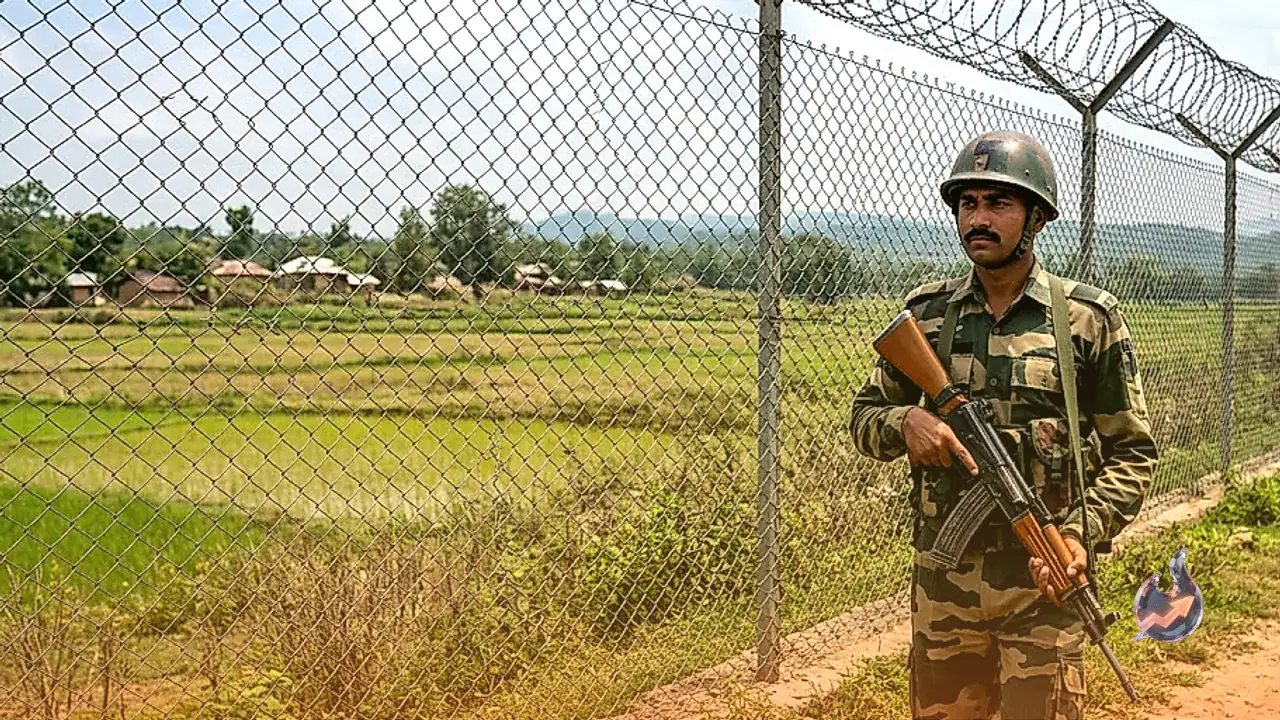
Beyond streamlining logistics, the introduction of scanner technology serves critical administrative and law-enforcement purposes. Finance Minister Pranajit Singha Roy noted that real-time data collection will allow the state administration to maintain precise records of all commercial goods moving into Tripura. This high-definition digital oversight will strengthen border surveillance and provide law enforcement agencies with effective tools to detect and prevent illegal contraband and unauthorized substances from entering the state.
The Minister explained that interstate checkpost operations have undergone fundamental structural shifts following the nationwide implementation of the Goods and Services Tax (GST). Traditional physical checkposts focused heavily on tax collection paperwork, whereas post-GST governance emphasizes digital compliance and efficient movement of goods. In light of these operational changes, the Tripura government is actively adopting technology-driven strategies to modernize border checkpoints and ensure smooth freight flow across state boundaries.
Digital Transformation Across Tripura Administration
The Finance Minister made these statements during the state-level inauguration of four newly developed modules under the NextGen Human Resource Management System (NextGen HRMS). The event took place at Pragna Bhavan in Agartala, marking another milestone in the state's ongoing digital governance drive. Developed by the Finance Department of Tripura, NextGen HRMS is an integrated digital platform designed to digitize the complete service lifecycle of government employees.
This HRMS platform consolidates various employee services onto a unified digital portal, encompassing initial onboarding, service record maintenance, leave processing, payroll administration, pension processing, and treasury-linked financial disbursements. By centralizing these internal employee services, the state government has eliminated cumbersome manual processing across departments, ensuring administrative transparency and faster service execution.
Broadening e-Governance Under Chief Minister Manik Saha
Pranajit Singha Roy emphasized that these initiatives reflect Tripura's comprehensive push toward becoming a fully digitally enabled state. Under the leadership of Chief Minister Manik Saha, the state government has successfully rolled out the e-Office system across all administrative levels. This digital transition spans from the top-level Tripura Legislative Assembly down to grassroots Panchayat administrative bodies, digitizing files and operational workflows.
According to the Finance Minister, the widespread adoption of digital systems has dramatically accelerated government operations while increasing overall administrative efficiency. Digital platforms have also transformed public service delivery, enabling citizens and scheme beneficiaries to access government financial assistance and welfare benefits in a faster, more transparent, and direct manner without administrative delays.