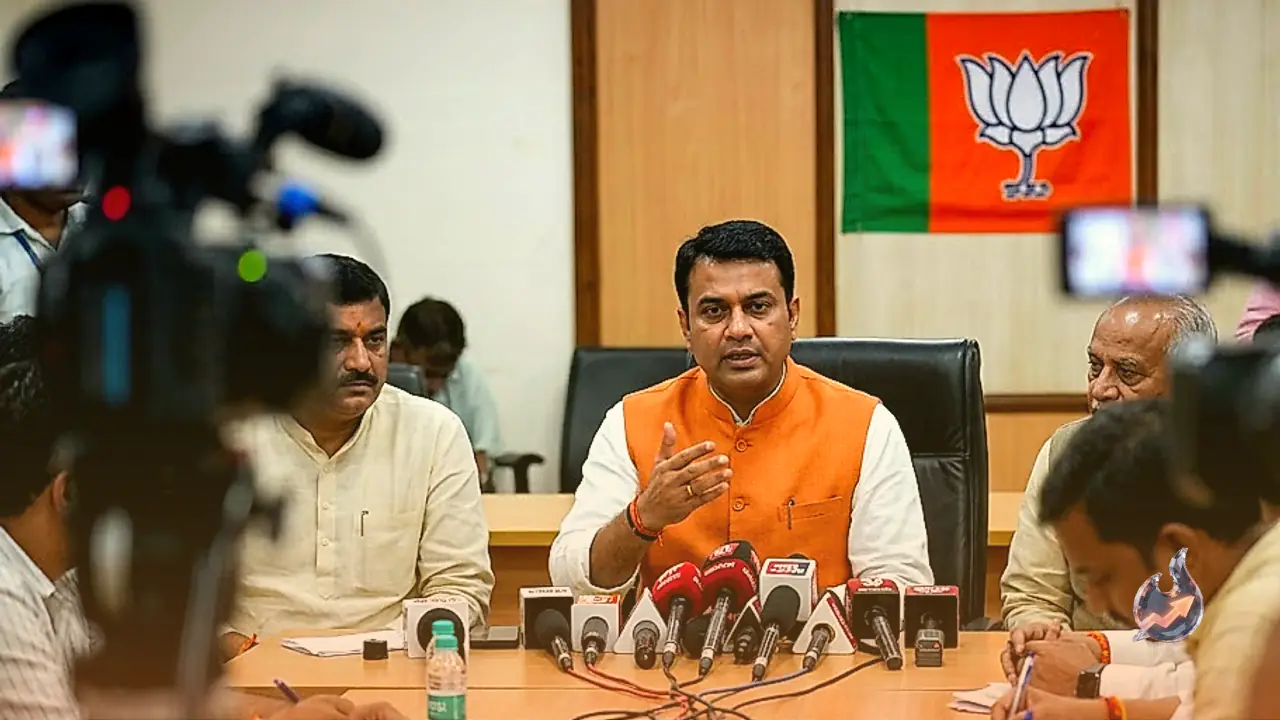




















The government of Tripura has committed Rs 100 crore toward the extensive restoration of the Gumti hydroelectric project situated at Dumboor. Announcing the initiative on Friday, Power Minister Ratan Lal Nath confirmed that repair and rehabilitation operations are scheduled to commence in December. The overarching goal of this capital injection is to return the aging plant to a steady generation capacity of 10 to 11 MW.
Historical Significance and Decline in Generation
Commissioned 56 years ago at the confluence where the Raima and Saima rivers meet, the Gumti plant holds the distinction of being Tripura's very first power project. Originally engineered with three generating units, the facility was designed to deliver a total output of 15 MW. Over decades of operation, electricity generation experienced a sustained drop. As detailed by Nath, the plant was generating only 2 to 3 MW even after the BJP government assumed administration in the state. The situation deteriorated further when catastrophic floods in 2024 inflicted severe structural damage, pulling operational capacity down to negligible levels.
Advanced Engineering Assessments and Underwater Robotics
To design an effective revival roadmap, the state government commissioned an exhaustive technical assessment in collaboration with premier institutions and engineering bodies, including NIT, IIT Guwahati, BHEL, and NHPC. To examine submerged structural components and assess the integrity of the Dumboor dam, an advanced underwater robot was deployed from Kerala. Based on the findings of these comprehensive engineering evaluations, the state administration expressed strong confidence that the planned overhaul will successfully restore power output.
Ecological and Livelihood Value of Dumboor
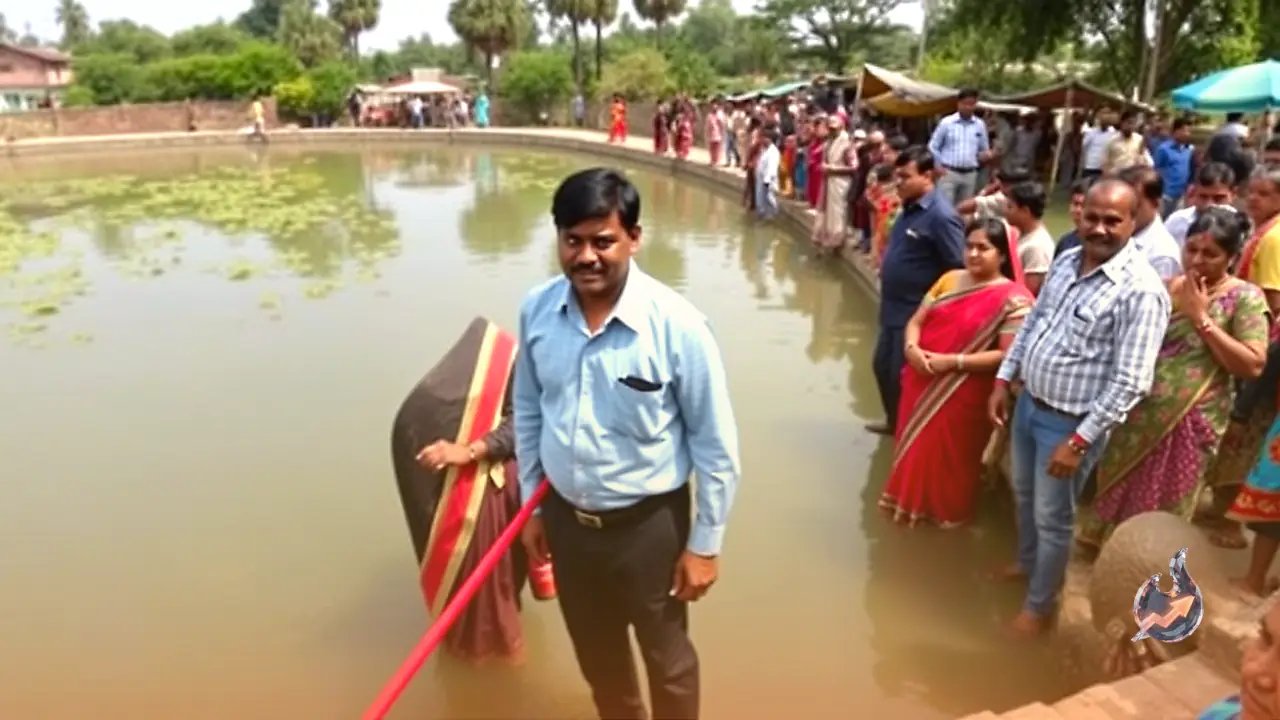
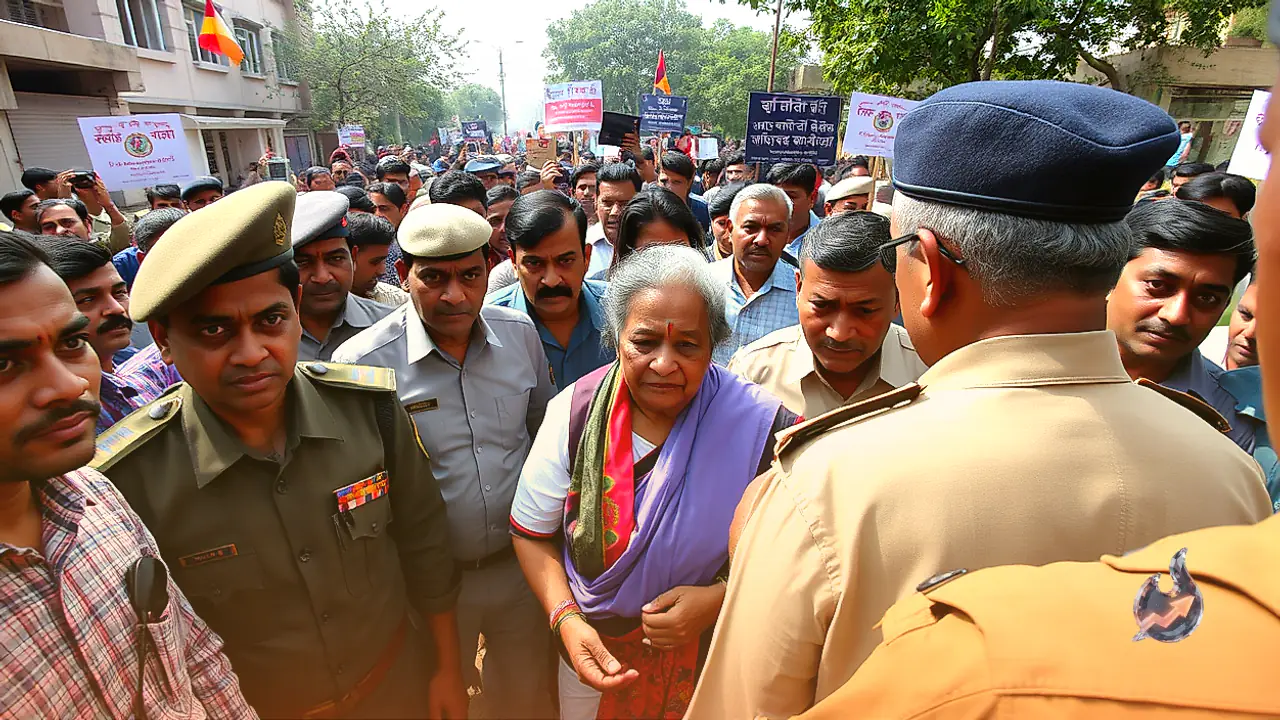
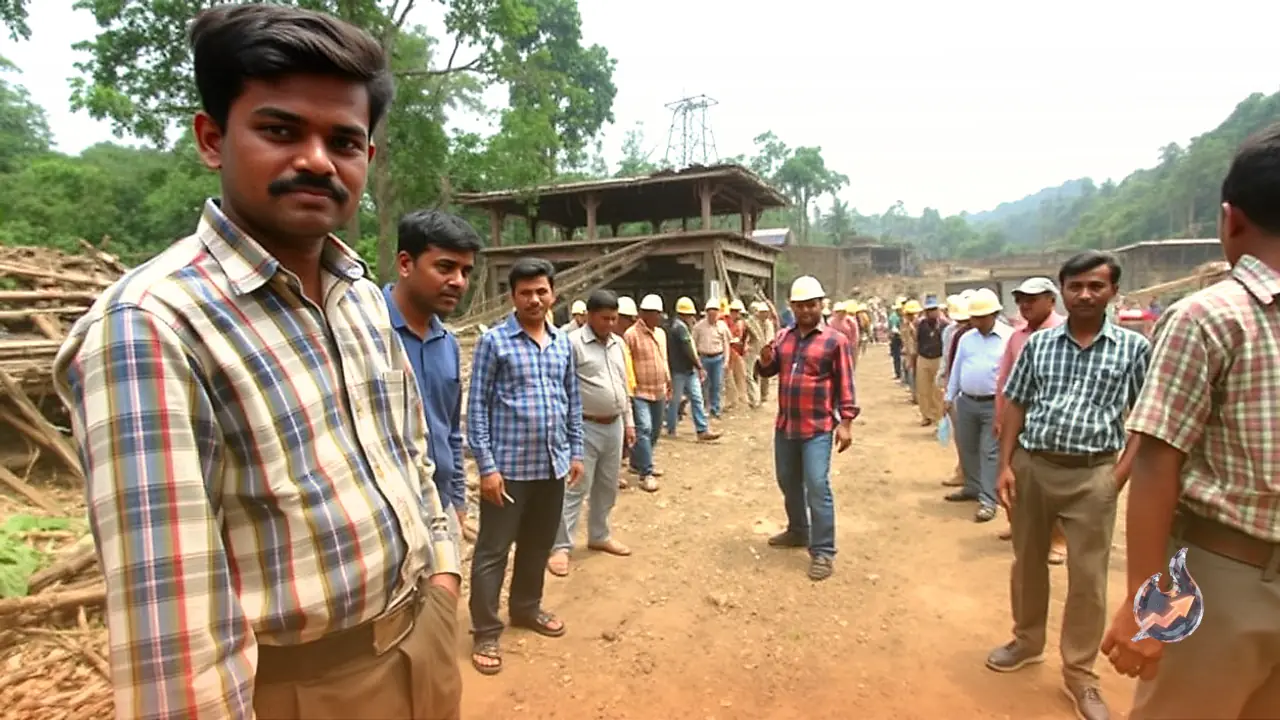
Speaking at a one-day community awareness programme on dam safety organised under the aegis of the National Dam Safety Authority at Tirthamukh in Gomati district, Nath emphasised the historical and geographical prominence of the project site, which connects directly to the origin of the Gomati river. Beyond power generation, the 48 interconnected lakes at Dumboor serve as a vital economic engine, supporting commercial fish farming that sustains the livelihood of thousands of local families.
Strengthening Dam Safety and Inspection Protocols
Addressing dam safety management, the minister pointed out that while India is home to over 7,000 dams, the country lacked a dedicated dam safety framework until the enactment of the Dam Safety Act in 2021. Nath credited Prime Minister Narendra Modi's government with instituting rigorous institutional oversight over national water infrastructure. Although the facility faces no immediate structural threat, statutory protocols now mandate thorough pre-monsoon and post-monsoon inspections by designated engineers to identify and rectify structural vulnerabilities early. Protecting downstream settlements remains the administration's foremost priority through continuous surveillance, inter-agency coordination, and public awareness.
Expanding Telecommunications in Remote Areas
In addition to energy infrastructure, Nath highlighted a recent decision made during the state Cabinet's latest meeting. The government has approved the expansion of BSNL telecommunication services and the installation of new mobile towers across underserved, remote pockets that currently lack cellular connectivity, with implementation set to begin shortly.