

















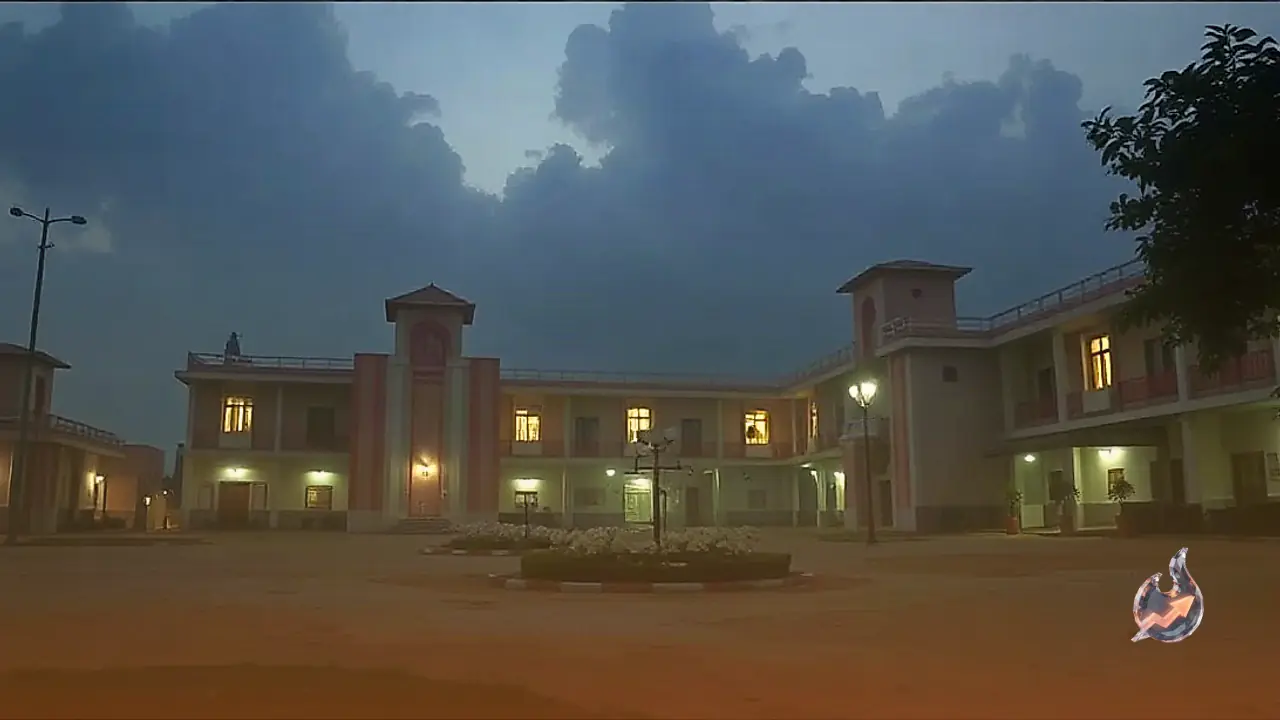

Efforts to broaden residential schooling access for tribal students across Tripura have reached an advanced stage, with six newly developed Eklavya Model Residential Schools scheduled to open their doors by November. This administrative push directly reinforces the state infrastructure dedicated to delivering comprehensive, fully supported education for students from indigenous communities.
Expanding Beyond the Existing Network of Twelve Schools
Currently, Tripura operates 12 functional Eklavya institutions distributed across its administrative districts. Adding six new campuses will raise that total footprint to 18, widening educational coverage in remote pockets. The core mandate of these institutions centers on offering top-tier, fully residential academic training to tribal youths, shielding them from geographical barriers that typically hamper sustained schooling.
Campus Infrastructure Near Completion Alongside Staffing Plans
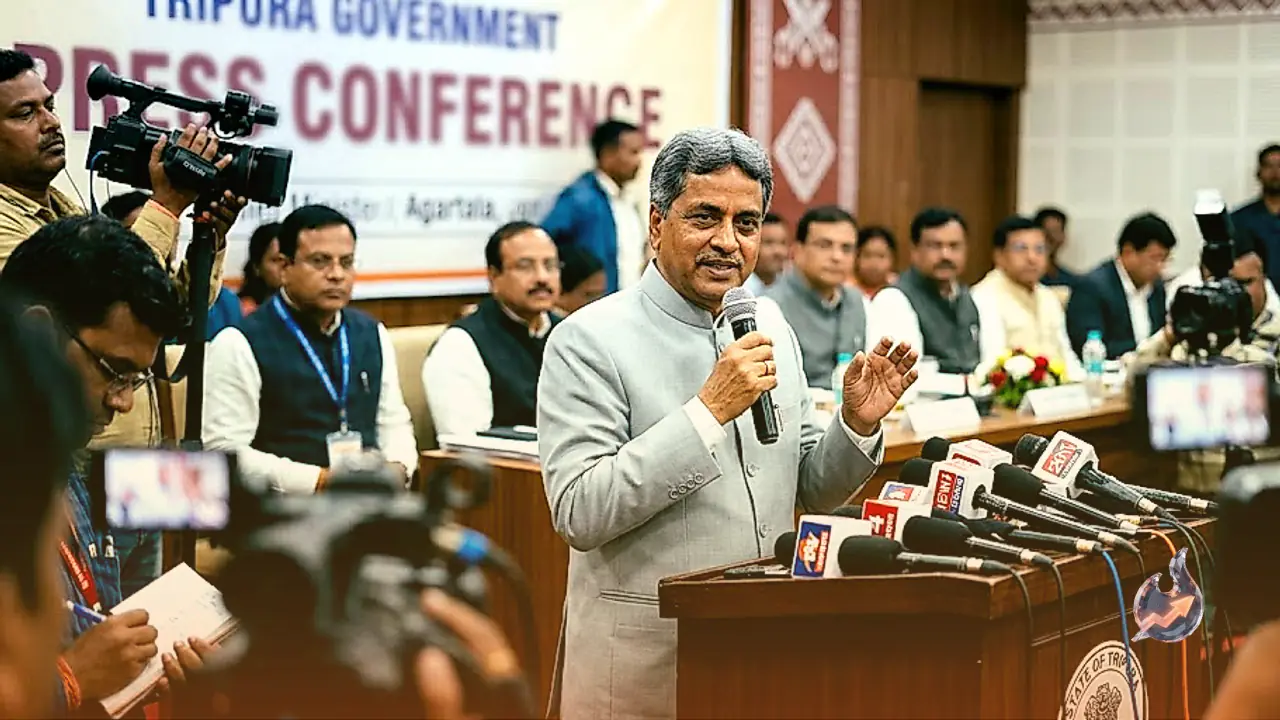
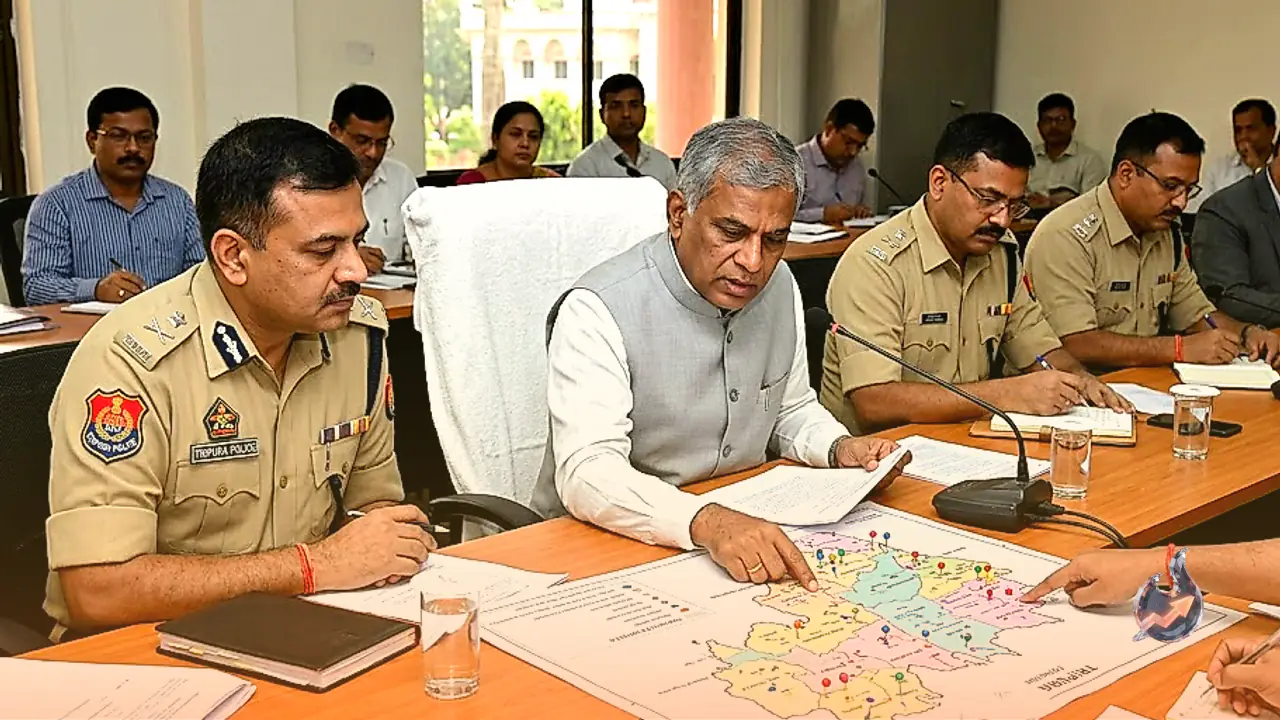
Director of Tribal Welfare Subhasish Das indicated that structural construction across all six designated sites has finished, with only minor aesthetic and finishing touches remaining. To ensure the new facilities can function immediately without waiting for lengthy regular recruitment drives, the state department pursued an interim staffing strategy.
Authorities approached the National Education Society for Tribal Students, which functions under the Union Ministry of Tribal Affairs, requesting authorization to transfer both teaching and administrative personnel temporarily on deputation from existing campuses. Das confirmed that the governing body granted formal clearance to this staffing deployment model, ensuring classrooms have adequate coverage while permanent hiring proceeds.
Entrance Tests Concluded Ahead of the Target Timeline
With authorization for personnel transfers securely in place, the administration is on course to begin academic sessions across all six institutions this November. Student intake arrangements have also made concrete progress, with the mandatory entrance examination for aspiring candidates already conducted to avoid operational delays.
Addressing Cost Discrepancies Through Alternative State Agencies
Beyond current projects, significant procedural changes have been sanctioned for future school construction. Customarily, the Central Public Works Department handles the engineering and construction of these educational facilities. However, escalating project expenditure forced administrative reassessments of that conventional approach.
Approval has now been granted for state-level entities such as the Tripura Housing and Construction Board to participate in upcoming infrastructure execution. Das outlined the underlying budgetary friction: while central society funding provides a cap of Rs 50 crore per school, central public works estimates climbed past Rs 70 crore per facility. In contrast, the state housing board calculated that equivalent campus infrastructure could be delivered for roughly Rs 54 crore, presenting a much more economical pathway.
Financial Allocations Set for Mungiakami and Dasda Campuses
Under this funding framework, a combined sum of Rs 100 crore stands approved for two upcoming residential school projects, located at Mungiakami in Khowai district and Dasda in North Tripura district. Each location receives an allocation of Rs 50 crore from central allocations. Should actual development expenses exceed that earmarked figure, Das confirmed that the Tripura state administration will fund the remaining balance.